A Legacy of Development: The Road to Skyblivion
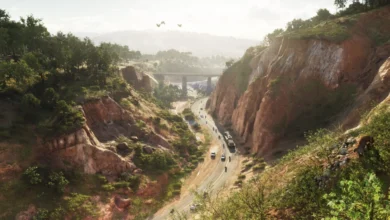
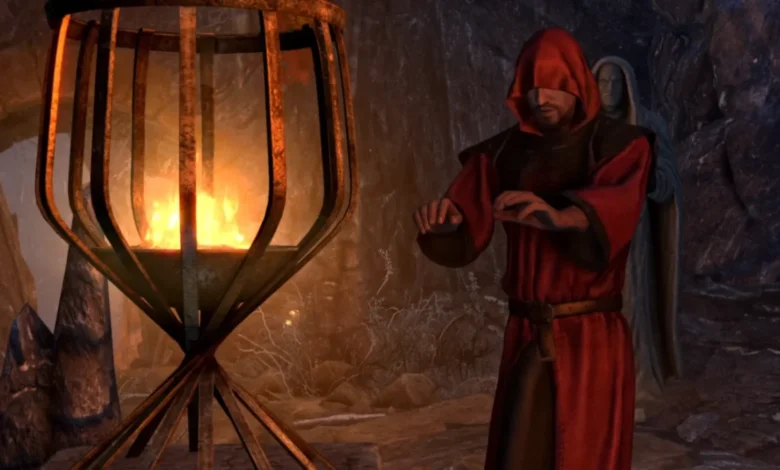
The Skyblivion project is a total conversion mod managed by the TESRenewal modding group. Its primary objective is to port the entirety of Bethesda Game Studios’ 2006 classic, Oblivion, into the Creation Engine used by Skyrim. This is not merely a graphical update; it involves the painstaking recreation of quests, voice acting, character models, world assets, and game mechanics.
Development of the mod began in 2012, shortly after the release of Skyrim. What started as a proof-of-concept for the modding community has evolved into a decade-plus commitment for a dedicated team of volunteers. Because the project relies entirely on unpaid labor, the development process has been subject to the ebbs and flows of real-world constraints, leading to a long and complex history of milestones, setbacks, and iterative progress reports.
The Call for External Assistance
The recent request for help, disseminated via the official Skyblivion Discord channel and social media platforms including Bluesky, highlights a specific pivot in the project’s requirements. The developers are no longer exclusively seeking coders, level designers, or 3D artists. Instead, they are looking to bolster their communications department.
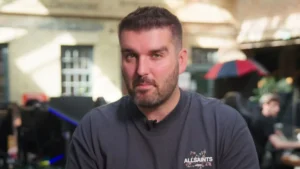
"As we approach Skyblivion’s launch, we are looking for volunteers to join our communications team," the official announcement stated. "If you have experience in video production or social media, we would love your help collaborating on everything from trailer creation to developer interviews."
This recruitment drive is a significant indicator of the current internal status of the project. By focusing on marketing and community outreach, the team appears to be preparing for a public-facing campaign. In professional game development, such a shift typically occurs during the "polishing and marketing" phase, suggesting that the core technical architecture of the game is nearing a stable state.
A Chronology of Delays and Hopes
The journey of Skyblivion has been marked by a series of ambitious projections followed by necessary delays. Understanding this timeline is essential for context regarding the current state of the project:
- 2012: Initial project inception following the release of The Elder Scrolls V: Skyrim.
- 2016–2019: The project underwent a major "rebuild" phase, shifting its focus from a simple port to a comprehensive, high-fidelity recreation that leverages modern modding tools.
- 2023: The team announced a target release window for 2025, buoyed by significant progress in world-space and quest implementation.
- December 2025: The project was officially delayed until 2026. The developers cited the sheer scale of the remaining work and the commitment to quality as the primary drivers for the push.
- April 2026: Lead developer Rebelzize addressed the community, acknowledging the inherent risks of such a massive project while maintaining a positive outlook on the internal progress.
- September 2026: The current request for a communications team was issued, placing the project in the final quarter of the year.
This history illustrates the "volunteer dilemma": without the rigid financial deadlines of a commercial studio, the project is prone to delays, but it is also immune to the "crunch" culture and rushed release cycles that often plague the mainstream games industry.
Technical and Community Impact
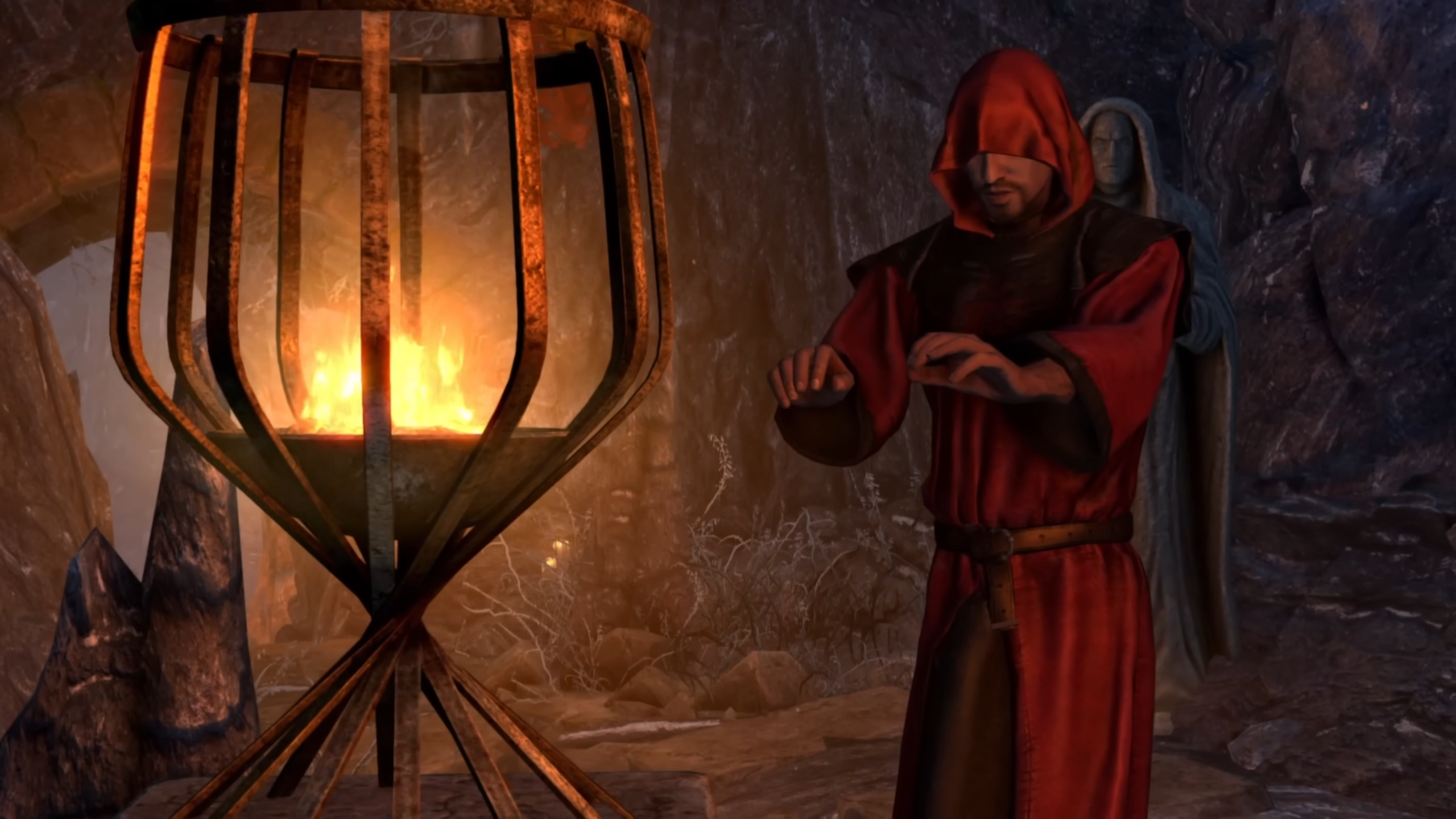
The significance of Skyblivion cannot be overstated. By bridging the gap between the dated 2006 engine of Oblivion and the more robust, mod-friendly 2011 engine of Skyrim, the project essentially preserves a seminal title for a new generation of players. It also serves as a testament to the longevity of the Elder Scrolls modding community, which has sustained interest in these titles long after their original commercial support ceased.
The project requires the reconciliation of two distinct game systems. Oblivion’s RPG mechanics, such as its unique class and leveling system, must be integrated into the Skyrim framework. Furthermore, the team has had to recreate thousands of assets—ranging from architecture to armor sets—to meet the expectations of modern visual standards. The resulting product is essentially a hybrid experience, offering the narrative depth of Oblivion with the mechanical fluidity of the modern Creation Engine.
The Human Element and Recent Challenges
The project has faced not only technical challenges but also profound personal ones. In June 2026, the community mourned the loss of Kettlewitch, a veteran modder and mentor within the TESRenewal circle. Such losses are particularly impactful for volunteer projects, where the loss of a single key contributor can shift the project’s trajectory. The team’s focus on maintaining morale and organizational structure remains a priority as they approach the finish line.
Analysis: What Does This Mean for 2026?
With less than four months left in the calendar year, the pressure is mounting. The transition toward a marketing-heavy phase is a classic signal that the "build" is nearing completion. However, in the world of large-scale modding, "approaching launch" can be a relative term.
For the general public, the most important takeaway is that the project remains alive and actively managed. The team’s optimism, despite the history of delays, suggests that they are confident in the current state of the game. If the recruitment of a communications team is successful, the gaming community can likely expect an increase in high-quality trailers, developer diaries, and perhaps a concrete release date announcement before the year concludes.
However, the reality remains that Skyblivion is a labor of love. The developers have consistently prioritized quality over speed, refusing to release an incomplete or broken product. While supporters would undoubtedly prefer an immediate release, the historical track record suggests that patience has been the key to the project’s high level of quality.
Broader Implications for Modding
Skyblivion stands as the standard-bearer for "total conversion" projects. Its success or failure will likely influence the ambition of future fan-led initiatives. If the team successfully releases a polished, stable version of Oblivion, it will confirm that a decade of volunteer effort can indeed rival the output of small independent game studios.
As the project enters this final phase, the spotlight will inevitably grow brighter. The developers’ request for help is a reminder that the final 10% of a development project often requires as much work as the first 90%. Whether this push results in a 2026 release or requires one final extension remains to be seen, but the intent to communicate the project’s completion to the world is clearer than it has ever been. The gaming community now waits, with high expectations, to see if the gates of Cyrodiil will finally reopen.