Diablo 4 Celebrates 30th Anniversary with Season of Hell’s Legacy, Switch 2 Debut, and Major Franchise Roadmap at BlizzCon 2026

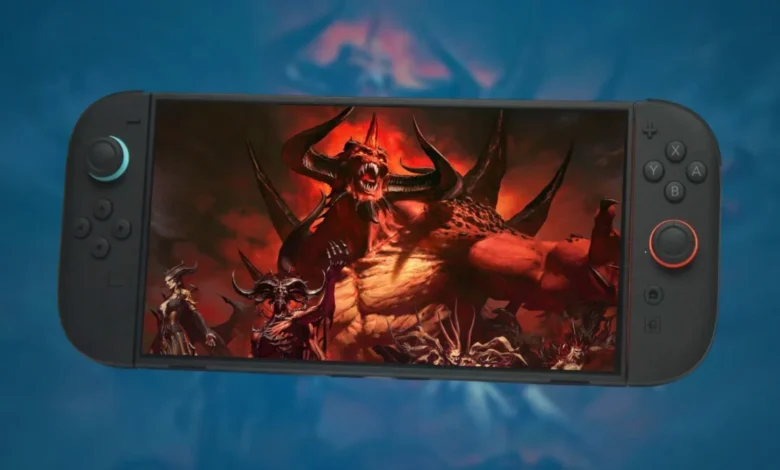
Blizzard Entertainment marked a monumental milestone for one of gaming’s most enduring dark fantasy franchises during the opening ceremony of BlizzCon 2026. Celebrating three decades of demon-slaying action, the studio unveiled a comprehensive roadmap for the Diablo universe, highlighted by the upcoming launch of Diablo 4’s next seasonal update, the "Season of Hell’s Legacy," a high-profile hardware debut on Nintendo’s successor console, and the surprise announcement of future franchise installments including Diablo 5.
The festivities, broadcast live from the convention center and online to millions of fans worldwide, offered a nostalgic yet forward-looking perspective on a series that defined the action role-playing game (ARPG) genre since its inception in 1996. With new seasonal mechanics, legacy characters making their triumphant return, and hardware expansion into portable ecosystems, Blizzard is positioning the franchise for a robust future as it enters its fourth decade.
Main Facts and Seasonal Mechanics: Season of Hell’s Legacy
The cornerstone of the immediate content rollout is Diablo 4’s upcoming Season of Hell’s Legacy, scheduled to go live globally on September 15, 2026, at 5:30 PM UK time. Designed explicitly as a tribute to the 30-year history of the franchise, the seasonal narrative centers around the spectral return of Deckard Cain, the beloved scholar and guide from earlier titles. Cain’s spirit returns to Sanctuary to sound a dire warning: echoes of the three original Prime Evils—Diablo, Baal, and Mephisto—have resurfaced, threatening to plunge the world back into chaos.
To combat these threats, players must track down the manifestations of the Prime Evils within iconic locations deeply familiar to veteran fans of the series. These showdowns take place in legendary zones such as the Tristram Cathedral, the Arreat Summit, and the Durance of Hate. Defeating these formidable echoes yields a new type of item known as a Soul Splinter.
Soul Splinters introduce a high-risk, high-reward gameplay mechanic. When equipped, they allow players to borrow fragments of power directly from the defeated demon lords, significantly augmenting their combat capabilities. However, this power comes with a critical catch: wielding a Soul Splinter simultaneously increases the player character’s vulnerability to that specific demon’s elemental and physical onslaughts.
In tandem with the Soul Splinters, Blizzard is introducing nine permanent Legacy Uniques to the game’s global loot pool. Among these is the highly anticipated return of the iconic Stone of Jordan, a ring that holds legendary status among franchise veterans for its ubiquity and power in Diablo 2. Furthermore, the update introduces "Waking Nightmares," a specialized batch of enemy encounters engineered to recreate and reinterpret specific, harrowing moments from Diablo’s rich history.
Platform Expansion: The Nintendo Switch 2 Debut
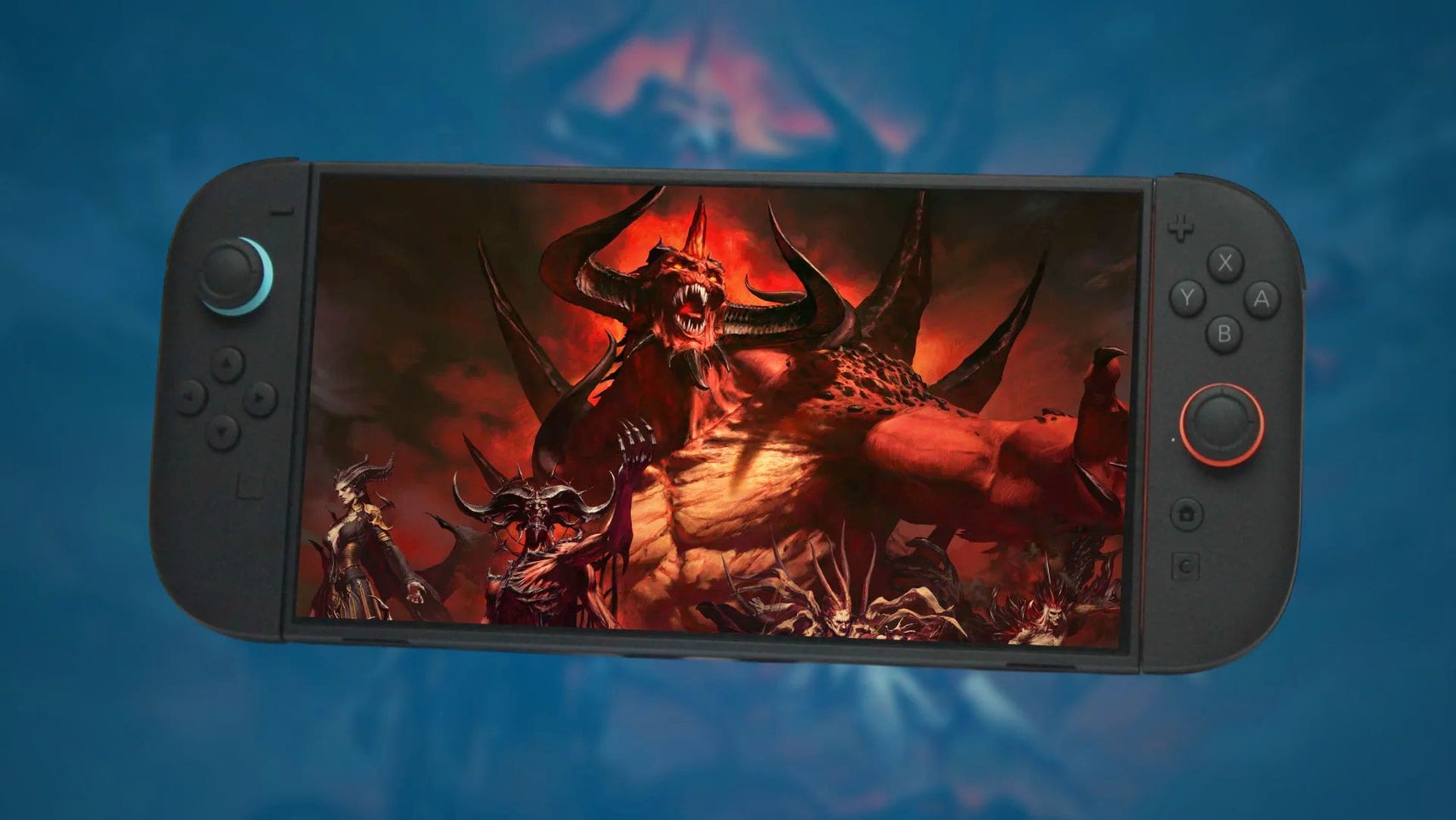
Simultaneously with the launch of the Season of Hell’s Legacy on September 15, 2026, Diablo 4 will officially make its hardware debut on Nintendo’s next-generation console, widely referred to in the industry as the Nintendo Switch 2.
The release will be packaged as the Age of Hatred Collection, a comprehensive bundle that includes the base Diablo 4 game alongside its major narrative expansions, Vessel of Hatred and the newly integrated Lord of Hatred. Demonstrating Blizzard’s ongoing commitment to cross-platform accessibility, the Nintendo Switch 2 version will fully support cross-play and cross-progression capabilities. This ensures that players can seamlessly transfer their characters, progress, and cooperative sessions between the new handheld-hybrid console, personal computers, and competing home consoles like the PlayStation 5 and Xbox Series X/S.
This technical achievement highlights the advanced graphical and computational capabilities of Nintendo’s new hardware, allowing a modern, graphically demanding ARPG to run smoothly in both docked and portable configurations without compromising the core visual fidelity or density of on-screen enemies characteristic of the genre.
Chronology of Past Milestones and Future Roadmaps
To fully appreciate the magnitude of the BlizzCon 2026 announcements, industry analysts note the importance of reviewing the franchise’s historical timeline and development trajectory over the past three decades:
- 1996: Blizzard North releases the original Diablo, establishing the dark, gothic atmosphere and click-to-attack isometric gameplay loop that would define the ARPG genre.
- 2000: Diablo II launches, widely regarded as a critical masterpiece that perfected character builds, itemization, and online multiplayer through Battle.net.
- 2012: Diablo III arrives after years of anticipation, eventually shifting to consoles and receiving the transformative Reaper of Souls expansion.
- 2018: Diablo Immortal is announced at BlizzCon, later launching in 2022 as a mobile and PC free-to-play massively multiplayer experience.
- 2023: Diablo IV launches to strong commercial success, followed by iterative seasonal content updates and the Vessel of Hatred expansion.
- 2026: BlizzCon 2026 marks the 30th anniversary, featuring the announcement of Diablo 5 (slated for Spring 2029), the Switch 2 port, and the Season of Hell’s Legacy.
Looking beyond the immediate September update, Blizzard also outlined character additions slated for the medium-term future. During the presentation, developers confirmed the return of the iconic Amazon class. Marking her first appearance in the modern engine of Diablo 4, the Amazon is scheduled to join the roster sometime in the first half of 2027. Armed with her traditional arsenal of bows and javelins, the class will feature four distinct build archetypes: Champion, Skirmisher, Ranger, and Commander, catering to a wide variety of tactical playstyles.
Official Statements and Broader Industry Context

While Blizzard executives did not host a formal standalone press conference outside of the opening remarks, the volume and scope of disclosures at BlizzCon 2026 spoke volumes about the studio’s multi-platform strategy and long-term brand stewardship. In addition to the Diablo updates, the opening ceremony stunned attendees with simultaneous announcements for World of Warcraft: Forever (a classic-plus evolution of the MMORPG) and an ambitious open-world StarCraft shooter.
Industry analysts have observed that the simultaneous unveiling of near-term seasonal content, hardware expansion, and distant sequels like Diablo 5 (slated tentatively for Spring 2029) reflects a coordinated effort to reassure shareholders and dedicated fans alike. By anchoring current monetization and player engagement to nostalgic touchstones—such as Deckard Cain, Tristram, and the Stone of Jordan—Blizzard is effectively bridging generational divides within its player base. Veteran players who started with the 1996 original find immediate hooks in the anniversary content, while newcomers encountering the franchise via portable hardware on the Switch 2 are provided with a streamlined, content-rich entry point through the Age of Hatred Collection.
Broader Impact and Economic Implications for the ARPG Market
The integration of Diablo 4 onto Nintendo’s next-generation console carries significant economic and structural implications for the video game industry. Historically, hardware transitions present both logistical challenges and lucrative market capture opportunities for publishers willing to optimize complex, live-service software for newly adopted architectures.
By ensuring Day-1 parity with cross-play and cross-progression on the Switch 2, Blizzard removes the friction that often deters established players from purchasing a game a second time on a portable platform. Furthermore, the continuous delivery of high-profile seasonal content, such as the Season of Hell’s Legacy, demonstrates the viability of the live-service model in maintaining sustained player retention and microtransaction revenue over a multi-year product lifecycle.
As the gaming community prepares for the September 15 rollout, anticipation remains exceptionally high. The combination of historical fan service, technical hardware adaptation, and a transparent long-term roadmap ensures that the Diablo franchise remains a dominant pillar of modern interactive entertainment as it crosses the threshold into its fourth decade.