TCL P80 Ultra Unboxing and Hands-On Review: The World’s First AMOLED NxtPaper Smartphone Blurs the Line Between Media Consumption and Digital Detox

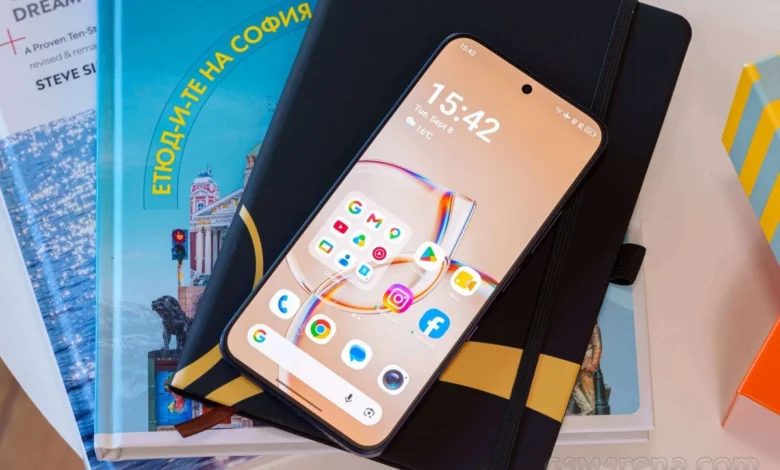
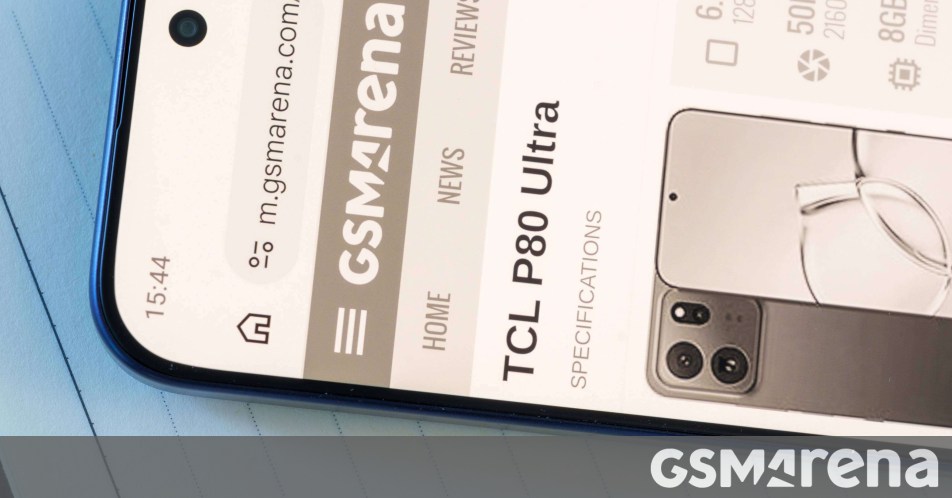
The contemporary smartphone market is characterized by incremental upgrades, iterative processor bumps, and glossy displays that prioritize high-impact multimedia at the expense of ergonomic comfort and visual health. Amidst this sea of homogenization, TCL has carved out a distinct niche with its proprietary NxtPaper technology, which mimics the texture and low-reflectivity of physical paper to reduce eye strain. With the official introduction of the TCL P80 Ultra, the manufacturer has achieved a significant engineering milestone: integrating this matte, paper-like visual experience with a high-performance AMOLED panel for the very first time. Priced competitively and bundled with unique hardware features, the P80 Ultra represents a compelling proposition for consumers seeking an alternative to conventional mobile displays.
Main Facts and Unboxing Experience
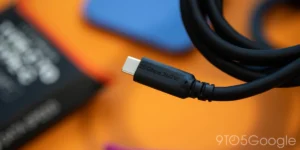
Out of the box, the TCL P80 Ultra immediately signals a departure from industry-standard packaging practices. Alongside the smartphone itself, the retail bundle includes a durable, braided USB cable and a high-quality protective case featuring a textured rear panel with precision cutouts for physical buttons and input ports. Eschewing the flimsy, hard plastic or generic grey rubber cases typically supplied by manufacturers, TCL’s inclusion of a premium accessory enhances the initial unboxing experience.
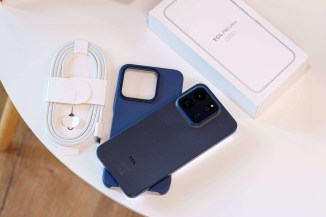
The device is offered in two robust storage configurations: an 8GB RAM paired with 256GB of internal storage, retailing at €550, and an 8GB RAM variant with 512GB of storage priced at €600. Industry analysts have noted that doubling the internal storage capacity for a nominal €50 price differential represents exceptional value, undercutting many competing original equipment manufacturers (OEMs) in the mid-to-upper tier segment.
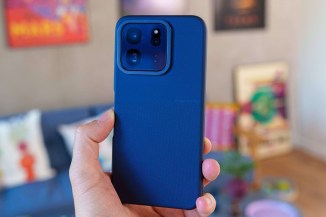
Design aesthetics are anchored by a sophisticated matte finish that extends across the rear chassis, lateral frames, and even the display surface. The review unit, finished in Midnight Blue, exudes understated professionalism, complemented by alternative colorways including Sunlit Gold and the increasingly popular Burgundy. Physically, the device commands attention with a generous 6.83-inch diagonal screen footprint. While the chassis measures a relatively substantial 8.3mm in thickness, this architectural depth accommodates a robust 5,800mAh battery cell, striking a deliberate balance between battery longevity and structural heft.
The Evolution of NxtPaper Technology
The defining feature of the TCL P80 Ultra is its world-first AMOLED NxtPaper display. Historically, TCL deployed its NxtPaper technology on LCD panels, which inherently suited the muted, reflective qualities required for electronic paper simulation. Translating this technology to an AMOLED substrate presented severe engineering hurdles, primarily due to the self-emissive nature of organic light-emitting diodes and the challenges of applying an anti-glare, matte finish without compromising color accuracy or peak luminance.
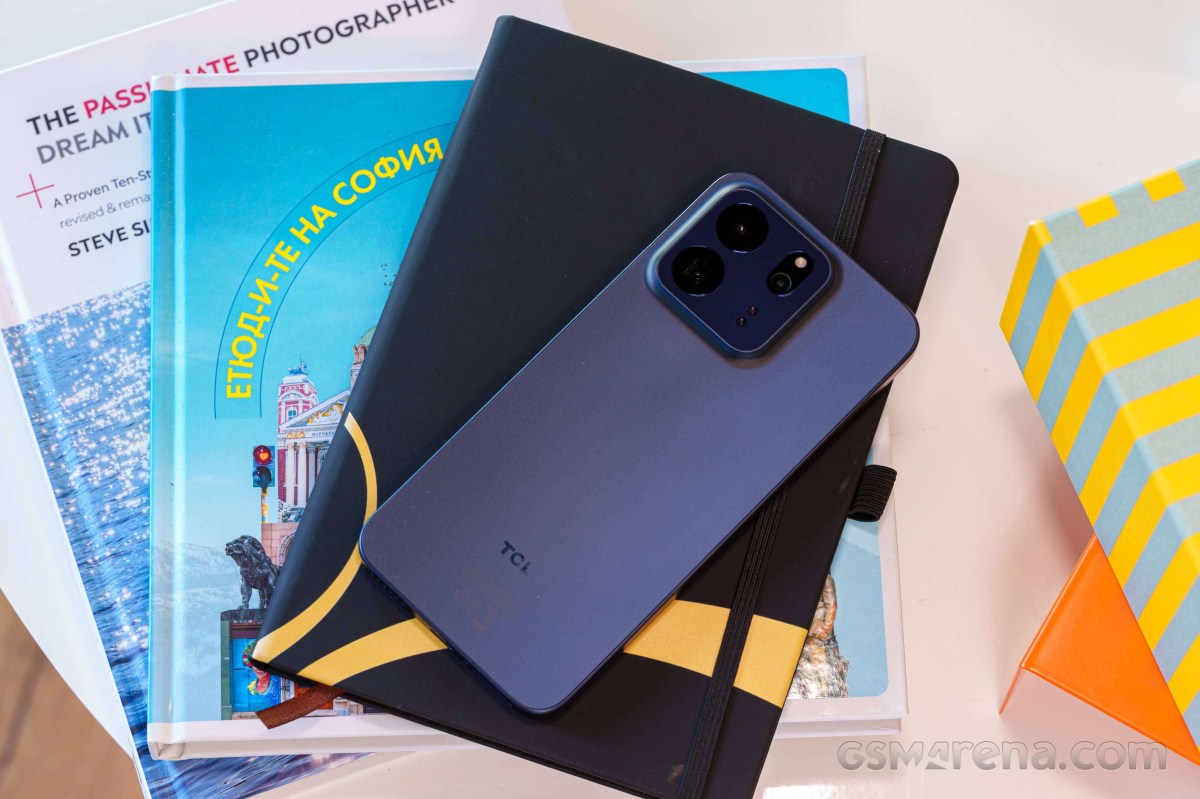
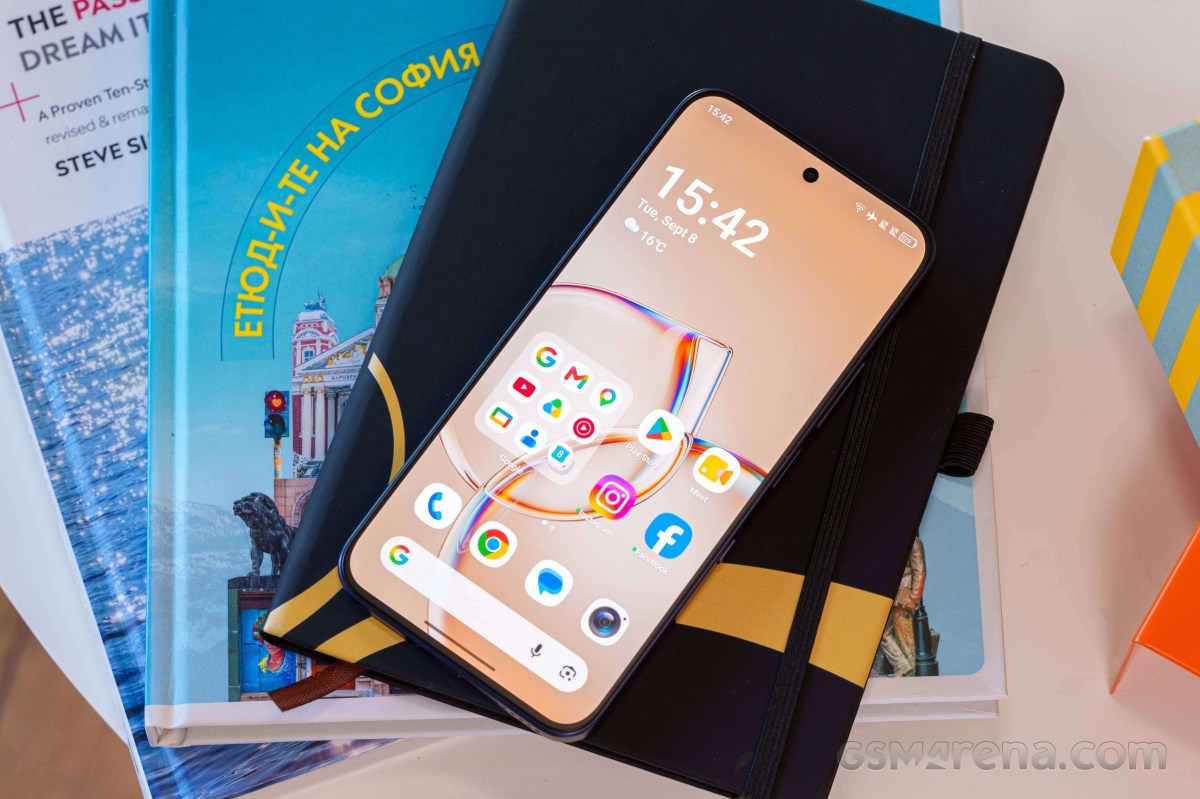
Operating in standard AMOLED mode, the 6.83-inch panel is remarkably capable. It delivers a peak brightness of up to 3,200 nits, a fluid 120Hz refresh rate, and a 10-bit color depth capable of rendering one billion distinct hues with rich contrast. While the physical anti-glare finish inherently reduces extreme viewing angles compared to a conventional glossy glass panel, the trade-off is significantly minimized ambient light reflection, rendering the screen vastly more legible under harsh direct lighting conditions.
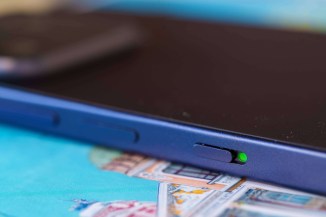
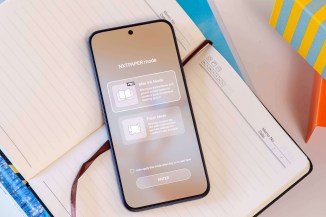
The hardware differentiator, however, is a dedicated physical NxtPaper slider positioned on the right side of the chassis. Flipping this mechanical switch triggers a seamless, visually arresting color-fading animation that transitions the user interface into one of two specialized reading environments: Max Ink Mode or Paper Mode. Users can configure their preferred default mode directly through the device settings, ensuring rapid access tailored to their usage habits.
Chronology of Modes: Max Ink and Paper Mode
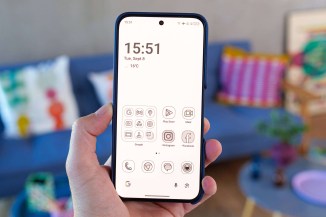
The integration of dual e-reader methodologies provides distinct utility depending on user intent. Max Ink Mode functions as an advanced digital detox utility. Upon activation, the interface strips away extraneous visual stimuli, presenting a minimalist home screen populated only by essential utilities. Background processes are systematically suspended, and incoming notifications are restricted exclusively to critical telephone calls and text messages.
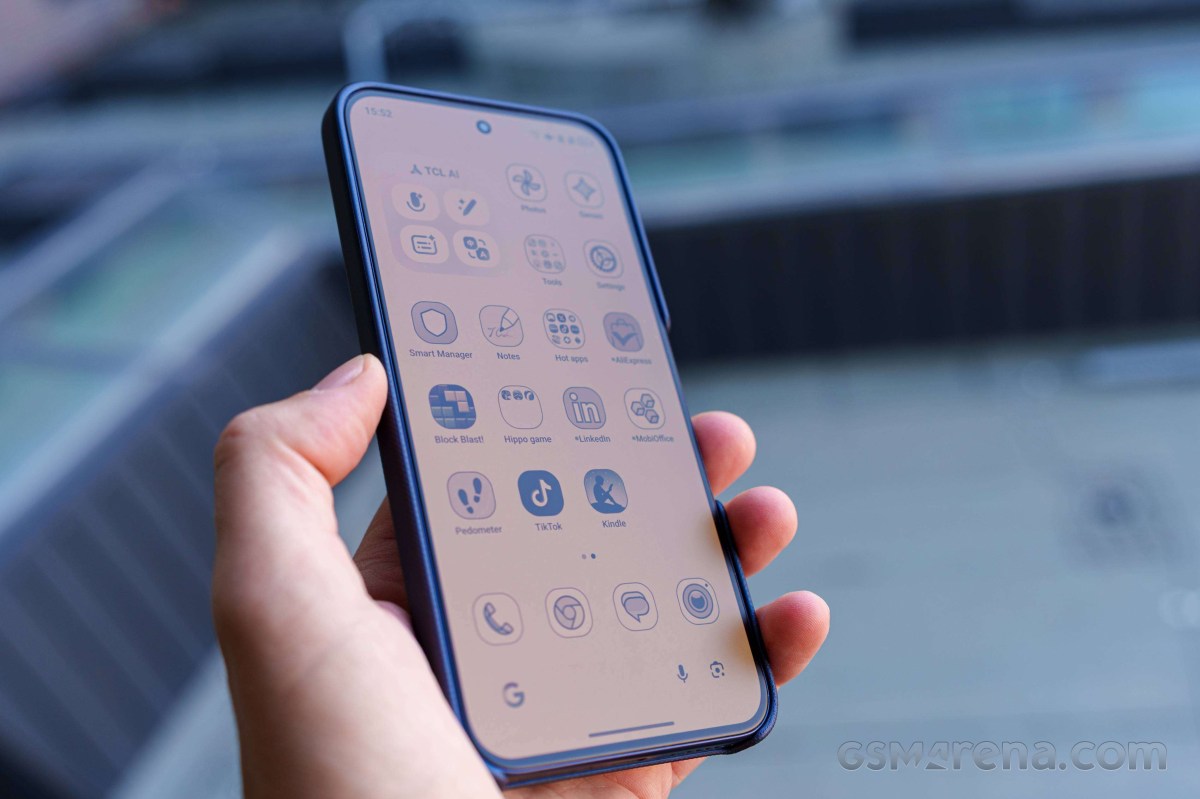
According to internal benchmarks and initial field tests, activating Max Ink Mode dramatically extends system endurance, yielding up to seven continuous days of immersive reading on a single charge. To leverage this capability, TCL pre-loads a proprietary e-reader application containing an initial library of approximately 500 complimentary titles across multiple languages. While the application currently lacks robust sorting and advanced search parameters, it incorporates sophisticated artificial intelligence integrations. Users can utilize text-to-speech AI functionalities to convert books into audiobooks or generate simulated podcast discussions based on the loaded text.
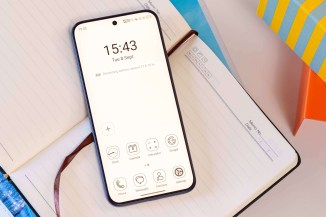
Conversely, Paper Mode maintains the full functionality of the device’s standard Android user interface but converts the visual output into a monochromatic e-ink aesthetic. Most native and third-party applications render in grayscale to minimize eye strain and simulate physical print media. However, the system allows granular customization; for instance, opening media-centric applications such as YouTube can be configured to automatically restore full color functionality without requiring the user to disable Paper Mode entirely.
Ergonomic Enhancements and Hardware Nuances
Beyond display technology, TCL has implemented several subtle ergonomic refinements that elevate the P80 Ultra above its price class. The matte tactile quality of the screen surface offers superior finger glide compared to traditional oleophobic-coated glass. Furthermore, the device incorporates smart contextual awareness: when the NxtPaper modes are active, picking up the physical chassis immediately illuminates and unlocks the screen without necessitating biometric authentication or power button actuation. While the system currently lacks a reciprocal auto-lock feature when the device is placed face-down on a surface, the inclusion of motion-sensing wake functionality underscores a high degree of hardware-software integration.
Market Implications and Competitive Analysis
The release of the TCL P80 Ultra arrives at a pivotal juncture in the mobile computing sector. As consumer fatigue mounts regarding minor iterative upgrades and mounting concerns over digital distraction and screen-induced eye strain, hardware manufacturers are under increasing pressure to deliver functional innovation.
By bridging the gap between a high-performance multimedia AMOLED smartphone and a dedicated electronic paper reader, TCL has carved out a unique defensible category. Competitors in the mid-range and upper-mid-range segments typically focus on raw processing benchmarks or camera hardware metrics. By contrast, the P80 Ultra targets the wellness-conscious consumer and the avid digital reader without sacrificing core smartphone capabilities such as high-refresh-rate gaming, streaming fidelity, and multi-day battery endurance.
Industry observers note that while niche form-factors often struggle to achieve mainstream adoption, the aggressive pricing strategy—€550 for the 256GB configuration and €600 for the 5T2GB variant—mitigates the financial barrier to entry for early adopters. By offering storage scaling at a fraction of the cost demanded by legacy tier-one manufacturers, TCL positions the P80 Ultra as a pragmatic choice for power users and literature enthusiasts alike.
Conclusion
The TCL P80 Ultra defies simple categorization. It is neither a conventional multimedia flagship nor a single-purpose e-reader, but rather a cohesive fusion of both paradigms. Through careful engineering, the successful translation of NxtPaper technology to an AMOLED canvas proves that visual comfort and premium display performance are not mutually exclusive. Backed by competitive pricing, robust battery metrics, and thoughtful hardware features, the P80 Ultra establishes a new benchmark for functional versatility in the modern smartphone landscape.
Related posts: