Google Has Officially Discontinued the Pixel Tablet and Removed It From Its Storefront

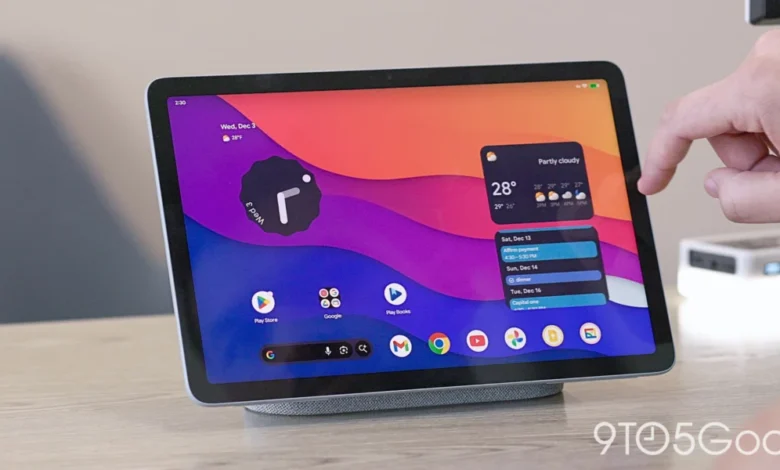
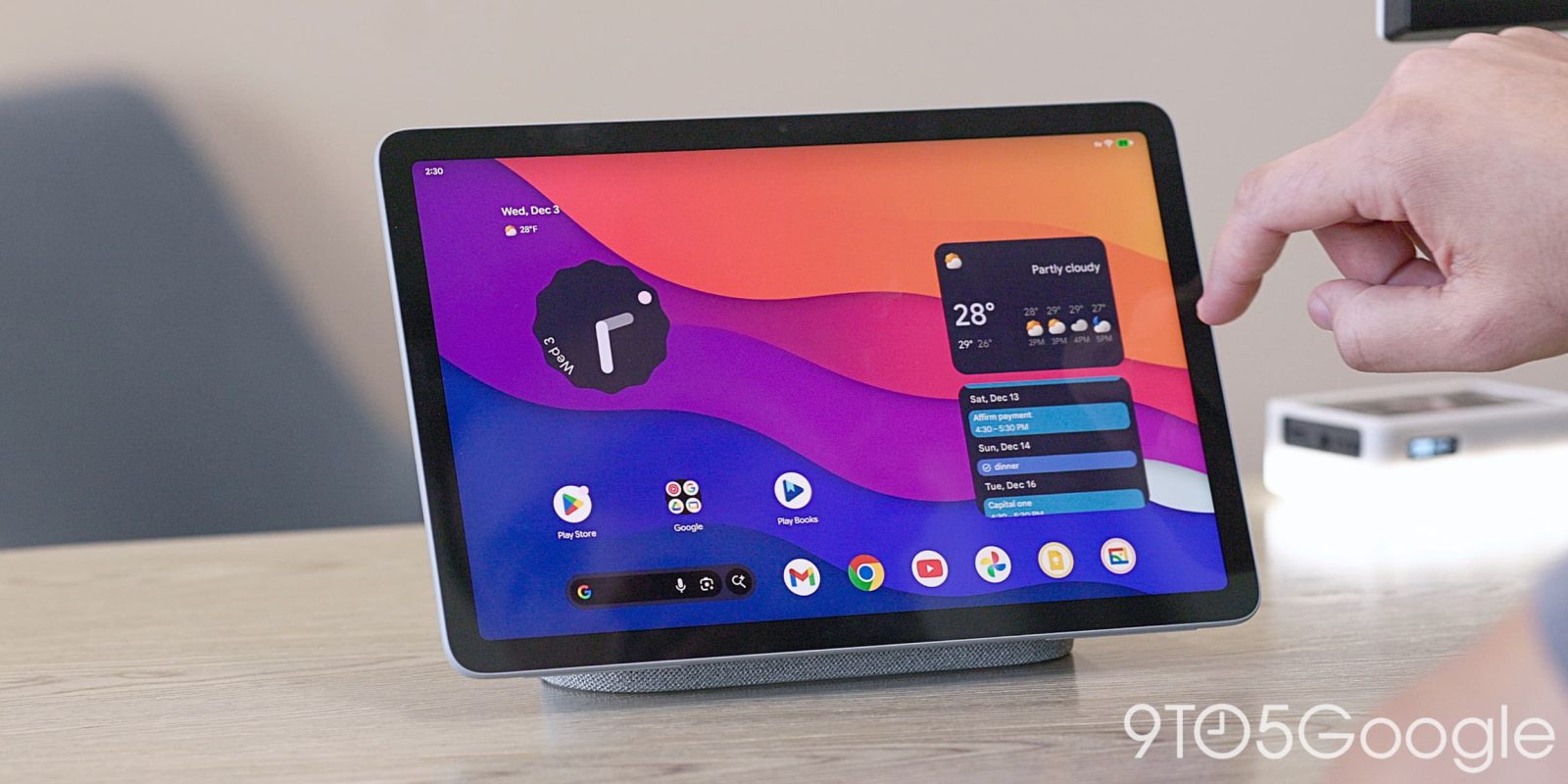
Google has officially concluded its foray into the current generation of tablet hardware, as the company has completely removed the Pixel Tablet from the Google Store. The device, which was initially unveiled to the public in 2023, represented a unique attempt by the tech giant to bridge the gap between a portable Android slate and a stationary smart home controller. The disappearance of the product listing marks the final chapter for a device that aimed to redefine the "dockable" tablet category but ultimately struggled to find a long-term place in Google’s hardware roadmap.
The Rise and Fall of a Hybrid Concept
When the Pixel Tablet was first announced at Google I/O in 2023, it was positioned as a response to the fragmentation of the Android tablet market. Unlike the iPad, which emphasizes productivity and creative workflows, or the Samsung Galaxy Tab series, which focuses on high-end multitasking and stylus integration, the Pixel Tablet was marketed primarily through the lens of domestic utility. By including a proprietary Charging Speaker Dock in the box, Google intended for the device to serve as a high-quality Nest Hub equivalent when not in use.
The product was greeted with a mixture of intrigue and skepticism. Critics lauded the clever hardware integration and the clean, stock Android experience, yet many questioned the lack of premium display technology—specifically the absence of a high-refresh-rate panel—and the software limitations that hindered its ability to act as a true laptop replacement. Despite these criticisms, the device occupied a unique niche, serving as the primary anchor for Google’s tablet strategy for over two years.
A Chronology of the Pixel Tablet Lifecycle
The journey of the Pixel Tablet was relatively brief but highly scrutinized within the technology industry. The following timeline outlines the major milestones in the product’s lifespan:
- May 2023: Google officially announces the Pixel Tablet at the I/O developer conference, emphasizing its dual nature as both a tablet and a home hub.
- June 2023: The device hits the consumer market, reaching early adopters and tech enthusiasts.
- Late 2024: Reports emerge suggesting that Google had reconsidered its long-term tablet strategy. Rumors regarding a potential "Pixel Tablet 2" began to circulate, with reports suggesting internal development of a model featuring a 120Hz display and enhanced connectivity options.
- November 2024: Industry analysts report that Google has canceled plans for a second-generation Pixel Tablet, citing concerns over profitability and market demand.
- August 2025: Google ceases active sales of the device on the official Google Store, listing the item as "out of stock."
- Early 2026: Google completely removes the product page from its website, redirecting users to the general store homepage, signaling the definitive end of the product’s commercial availability.
Strategic Shifts and Profitability Concerns
The decision to discontinue the Pixel Tablet follows a period of rigorous restructuring within Google’s hardware division. While the company has seen success with its Pixel smartphone line and its expansion into wearable technology, the tablet segment presented significant hurdles. Developing hardware that satisfies both the demands of a high-performance tablet user and the requirements of a smart home display proved to be a costly endeavor.
According to industry reports, the cancelation of the follow-up models—including a rumored second-generation slate and a shelved third-generation project—was primarily driven by a shift in fiscal priorities. Google’s hardware strategy has increasingly pivoted toward artificial intelligence integration, specifically within the Pixel smartphone and wearable ecosystems. The resources previously allocated to tablet innovation were reportedly reallocated toward bolstering the Gemini AI suite and expanding the company’s footprint in the smartphone market.
Continued Support and Long-Term Implications
Despite the discontinuation of hardware sales, Google has maintained a commitment to existing users. In January 2026, the company confirmed that it would continue to provide Android OS updates for the Pixel Tablet through 2028. This assurance is critical for consumers who invested in the ecosystem, as it ensures that the hardware remains functional and secure for several more years.
However, the removal of the device from the Google Store and the absence of any remaining stock at major third-party retailers, such as Amazon, suggest that the "docked tablet" experiment has reached its terminal point. For consumers, this implies that the device will transition into a legacy product. While the hardware remains capable, the lack of a successor signals that Google is unlikely to pursue this specific form factor in the near future.
Analysis of the Tablet Market Landscape
The exit of the Pixel Tablet from the market provides a window into the broader challenges of the Android tablet space. The market remains heavily dominated by Apple’s iPad series, which benefits from a robust ecosystem of tablet-optimized applications. One of the persistent criticisms of the Pixel Tablet was the software ecosystem; despite Google’s efforts to improve "Large Screen" compatibility for Android, developers have been slow to adapt their applications to the variety of aspect ratios and hardware configurations found in the Android tablet market.

Furthermore, the "hybrid" nature of the Pixel Tablet may have diluted its appeal. By attempting to satisfy two distinct use cases—the casual home hub and the portable entertainment device—the product potentially missed the mark for users who desired a specialized, high-performance tablet. The cancellation of future iterations suggests that Google may have recognized the difficulty of competing in the premium tablet space without a significantly more aggressive hardware and software investment.
The Future of Google’s Smart Home Integration
With the Pixel Tablet effectively removed from the picture, the question arises regarding the future of Google’s smart home strategy. The Nest Hub line remains the primary vehicle for Google’s home automation software. By focusing on dedicated smart displays, Google can better control the user experience and ensure that the hardware is purpose-built for home management rather than trying to balance the complexities of a general-purpose Android device.
The discontinuation of the tablet does not necessarily mean the end of Google’s involvement in the tablet space forever, but it does mark a cooling period. Industry observers suggest that any future tablet efforts from Google would likely require a total reimagining of the product, potentially shifting away from the "dockable" hybrid model in favor of a more traditional, productivity-focused device that can compete on equal footing with the industry leaders.
Conclusion: A Legacy of Experimentation
The Pixel Tablet will be remembered as a bold, if ultimately unsuccessful, attempt to diversify Google’s product catalog. It was a device that prioritized convenience and design, offering a unique user experience that was not replicated by any other manufacturer. While its removal from the Google Store marks the end of its commercial journey, its impact on how users interact with home-based technology remains a notable chapter in the history of Android hardware.
For now, the Pixel Tablet joins a long list of discontinued Google hardware experiments. While the device may not have achieved the long-term commercial success required to justify a successor, it provided valuable insights into consumer preferences and the limitations of hybrid hardware. As Google continues to evolve its hardware strategy, the lessons learned from the Pixel Tablet will likely inform future projects, even if those projects take a vastly different form. Owners of the device can continue to rely on software support for the next few years, but for those hoping for a second-generation successor, the closure of the product line is final.