Google Introduces Selfie Video Sign-In for Enhanced Account Recovery, Bolstering User Security and Accessibility

Mountain View, California – Google today announced the global rollout of a new selfie video sign-in option, providing an innovative and secure alternative for users to regain access to their Google Accounts. This feature, designed to complement existing recovery methods such as passkeys, recovery contacts, and traditional password resets, marks a significant step in Google’s ongoing efforts to enhance digital security while improving user accessibility. The announcement, made on Thursday, July 23, 2026, at 3:00 am PDT, follows extensive testing and refinement, particularly in regions like Brazil, where user feedback was instrumental in shaping its broader deployment.
The introduction of selfie video verification underscores a critical shift in how major technology platforms are addressing the twin challenges of robust security and seamless user experience in an increasingly complex digital landscape. As cyber threats become more sophisticated and account compromise attempts escalate, the need for multi-layered, adaptable security protocols has never been more pressing. Google’s new system leverages advanced biometric technology to verify a user’s identity, offering a potentially more intuitive and resilient recovery path compared to methods that might rely on forgotten credentials or inaccessible devices.
The Mechanism: How Selfie Video Verification Works
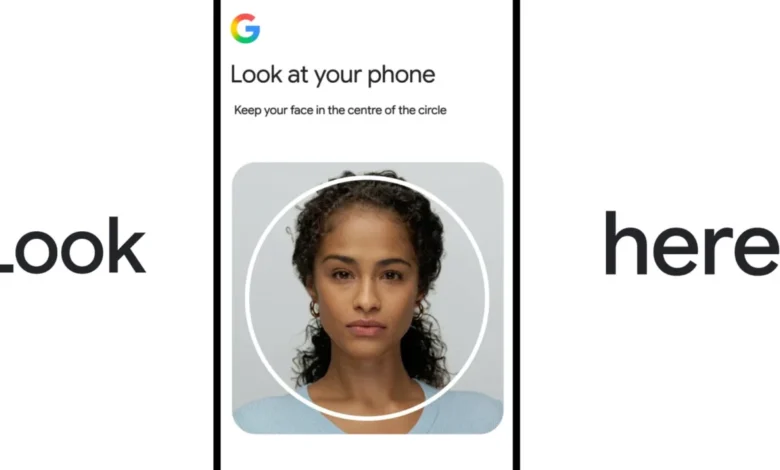
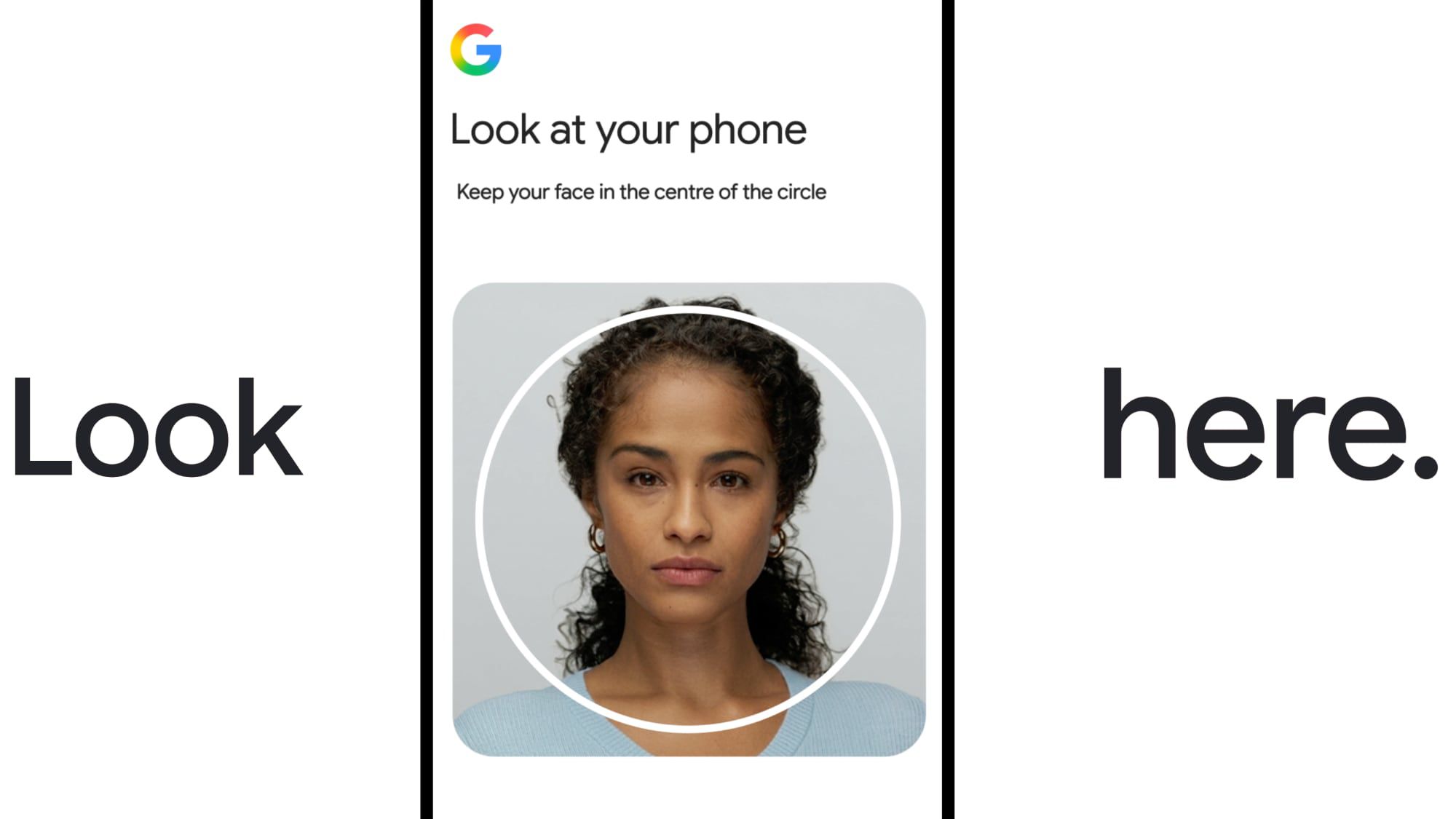
The process for setting up and utilizing Google’s selfie video sign-in is designed to be straightforward yet highly secure. To create a baseline selfie video, users are prompted to engage with their device’s front-facing camera. Google’s system then guides them through a series of specific head movements, capturing multiple angles and expressions. This sequence is crucial for building a comprehensive biometric profile, which is then encrypted and securely stored within the user’s Google Account. This initial registration is a one-time process, though users can update their video at any point.
When a user needs to recover their account—perhaps because they have forgotten their password, lost access to their recovery email, or no longer have their trusted devices—they can opt for the selfie video recovery method. At this point, the user will be asked to record a new selfie video, performing a similar series of head movements. Google’s sophisticated artificial intelligence (AI) and machine learning (ML) algorithms then compare this newly captured video against the securely stored baseline video. The system meticulously analyzes facial features, movements, and other biometric markers to determine if there is a match with a very high degree of confidence.
A key aspect of this technology is its integration of "liveness detection." This advanced capability is specifically designed to counteract increasingly prevalent impersonation attempts, including the use of AI-generated deepfakes, static photos, or pre-recorded videos. By requiring dynamic head movements and analyzing subtle cues indicative of a live human presence, the system significantly raises the bar for fraudsters attempting to bypass security measures. This protection is paramount in an era where deepfake technology is becoming more accessible and sophisticated, posing a growing threat to digital identity verification.
The Broader Context: Escalating Digital Threats and Google’s Security Imperative
The launch of selfie video recovery is not an isolated development but rather a calculated response to the ever-evolving threat landscape facing digital accounts. In recent years, data breaches, phishing scams, and credential stuffing attacks have become commonplace, leading to millions of compromised accounts across various platforms. Google, as the provider of services central to billions of users’ digital lives—including Gmail, Google Drive, Google Photos, and Android—is a prime target for malicious actors.
According to various industry reports, phishing remains one of the most effective attack vectors, with users often tricked into revealing their login credentials. Even with two-factor authentication (2FA) or multi-factor authentication (MFA) widely adopted, sophisticated social engineering tactics can sometimes bypass these safeguards. The sheer volume of Google accounts, estimated to be over 4 billion active users globally, makes even a small percentage of successful attacks translate into a massive security incident. This context highlights the necessity for diverse and robust recovery options that can withstand a wide array of attack methodologies.
Google has historically been at the forefront of digital security innovation. The company was an early adopter and promoter of 2FA, security keys (like Titan Security Key), and more recently, passkeys—a passwordless authentication standard built on WebAuthn technology. Each of these initiatives aims to reduce reliance on vulnerable passwords and provide users with stronger, more convenient ways to secure their accounts. The selfie video option fits seamlessly into this strategy, offering another layer of defense and an alternative path when traditional methods prove difficult or impossible for legitimate users.
Google’s Comprehensive Security Ecosystem: A Layered Approach
Google explicitly recommends that users establish multiple sign-in methods to ensure continuous access to their accounts and to mitigate the risk of being locked out. The selfie video option is designed to complement, not replace, these existing safeguards. For instance, passkeys offer a robust, phishing-resistant method of authentication by leveraging cryptographic keys stored securely on devices. Recovery contacts allow a trusted individual to help a user regain access. Traditional email and phone-based recovery options also remain vital.
The layered approach is critical because no single security measure is foolproof. A user might lose their phone (which holds their passkeys and acts as a 2FA device), forget their recovery email password, or be in a situation where they cannot contact their recovery person. In such scenarios, the selfie video becomes an invaluable last resort, allowing the user to prove their identity visually, even without access to other digital credentials or devices. This flexibility is a significant enhancement to account accessibility, particularly for users who may not be highly tech-savvy or who frequently travel and might lose access to their usual devices.
Privacy and Data Security: Addressing User Concerns
Google acknowledges the inherent privacy concerns associated with biometric data and has outlined strict protocols for the handling of selfie videos. The company states unequivocally that these videos are encrypted both in transit and at rest, and stored securely on Google’s infrastructure. Crucially, Google emphasizes that these videos are "only used for helping you sign in to your account, unless you opt to share it for additional purposes." This statement is a direct response to potential user anxieties about how their biometric data might be utilized for marketing, profiling, or other undisclosed purposes.
Users retain full control over their selfie videos. Google has implemented features that allow users to delete their stored videos at any time, providing an important level of agency over their biometric data. This commitment to user control aligns with growing global privacy regulations, such as GDPR and CCPA, which mandate transparency and user consent regarding personal data collection and usage. By offering clear disclosures and user-manageable settings, Google aims to build trust and encourage adoption of this new security feature.
Security experts at Google have consistently highlighted the company’s robust data protection measures. The infrastructure supporting these biometric systems is isolated and protected by multiple layers of security, including strict access controls, continuous monitoring, and advanced threat detection systems. The comparison process for selfie videos is also designed to be highly secure, with the algorithms focusing solely on matching biometric markers rather than storing or distributing raw video data beyond its intended purpose.
Rollout, Availability, and Key Exclusions
The selfie video sign-in feature has undergone extensive testing, most notably in Brazil, before its global release. This phased rollout strategy allowed Google to gather real-world data, refine the user experience, and address any technical or security vulnerabilities in a controlled environment. The successful pilot in Brazil, a large and diverse market, provided valuable insights into user adoption rates and the effectiveness of the system across different device types and network conditions.
As of its global launch on July 23, 2026, the selfie video recovery option is available for standard Google Accounts. However, there are specific exclusions to its availability, which Google has clearly communicated. The feature does not currently support:
- Workspace Accounts: Google Workspace accounts, typically used by businesses and educational institutions, often have their own specific security policies and recovery procedures managed by their respective administrators. These environments require different authentication frameworks tailored to organizational needs.
- Children’s Accounts: Accounts managed for children, often under Google’s Family Link program, have heightened privacy and safety considerations. The collection and storage of biometric data for minors are subject to stricter regulations and ethical guidelines, leading to their exclusion from this initial rollout.
- Accounts Enrolled in the Advanced Protection Program (APP): The Advanced Protection Program is Google’s strongest security offering, designed for individuals at high risk of targeted attacks, such as journalists, activists, and political figures. APP accounts require physical security keys for authentication and recovery, providing an even higher level of protection that biometric video alone cannot fully replicate. The program’s stringent requirements are designed to prevent virtually all forms of remote account takeover.
These exclusions reflect a pragmatic approach to deploying new security technologies, ensuring that the feature is introduced responsibly where it offers the most immediate benefit without complicating specialized security frameworks or navigating sensitive legal and ethical considerations related to minors.
Implications for Digital Identity and Future Security Trends
The introduction of selfie video recovery by Google carries significant implications for the future of digital identity verification and account security across the tech industry.
Enhanced Security Posture: For the vast majority of Google users, this feature provides a robust defense against common attack vectors. Its liveness detection capabilities make it significantly harder for attackers to use stolen images or AI-generated fakes to gain unauthorized access, pushing the boundaries of what passive authentication can achieve.
Improved User Experience and Accessibility: For many users, especially those who struggle with complex passwords or who might not have constant access to their recovery tools, a simple visual verification can be far more convenient and less intimidating. This enhances accessibility, ensuring that legitimate users are not locked out due to technical hurdles.
Industry Influence: As a dominant player in the digital ecosystem, Google’s adoption of selfie video verification is likely to influence other tech companies. We may see similar biometric recovery options emerge across other major platforms, leading to a broader standardization of such methods for account recovery. This could accelerate the move away from traditional, often weaker, password-based recovery systems.
Evolution of Biometrics: The successful deployment and user acceptance of this feature will further cement biometrics as a mainstream and trusted method for authentication. It highlights the growing sophistication of AI in distinguishing between real users and malicious attempts, paving the way for even more advanced and seamless biometric interactions in the future.
Ongoing Debate on Privacy vs. Security: While Google has taken steps to address privacy concerns, the broader societal debate around biometric data collection will continue. The success of features like selfie video recovery will depend on maintaining user trust through transparency, strong data governance, and clear communication about the benefits and safeguards in place.
In conclusion, Google’s new selfie video sign-in option represents a forward-thinking enhancement to its account recovery ecosystem. By blending advanced AI-powered biometrics with a user-centric design and robust privacy controls, Google aims to provide a more secure, convenient, and accessible way for billions of users to manage their digital identities. As cyber threats continue to evolve, such innovative solutions will be crucial in safeguarding the integrity of online accounts and ensuring a safer digital experience for everyone.