The Walking Dead: Dead City Season 3: A Deep Dive into the Evolving Dynamics and New Threats in Post-Apocalyptic Manhattan


As the expansive "The Walking Dead" universe continues its ambitious expansion, "Dead City" has carved out a significant niche, establishing itself as one of the franchise’s most compelling and successful spinoffs. Set against the desolate and crumbling backdrop of Manhattan, the series centers on the deeply complex and often fraught relationship between Maggie Rhee and Negan Smith. Their shared history, scarred by the brutal murder of Maggie’s husband, Glenn, by Negan’s own hand, has forged an unbreakable, albeit volatile, bond. This crucible of grief, vengeance, and reluctant alliance has, against all odds, become the undeniable heartbeat of the show, driving its narrative and captivating audiences.
With the anticipation for season 3 reaching a fever pitch, the fan community has been buzzing with speculation, including some particularly controversial theories suggesting a potential romantic entanglement between Maggie and Negan. While such notions have predictably ignited widespread outrage among the fandom, the showrunners’ commitment to maintaining the integrity of these characters’ arcs remains a key point of discussion. The subtle nuances of their interactions, however, continue to fuel intrigue and debate, hinting at the complex emotional territory the series is willing to explore.
Before the next chapter of their harrowing journey unfolds, a comprehensive understanding of the critical developments from the previous seasons is essential. "The Walking Dead: Dead City" season 2 concluded with pivotal shifts in character motivations and the broader geopolitical landscape of post-apocalyptic New York City, setting the stage for a season 3 that promises deeper exploration of themes like community building, the cyclical nature of violence, and the enduring quest for a semblance of normalcy in a world overrun by the undead.
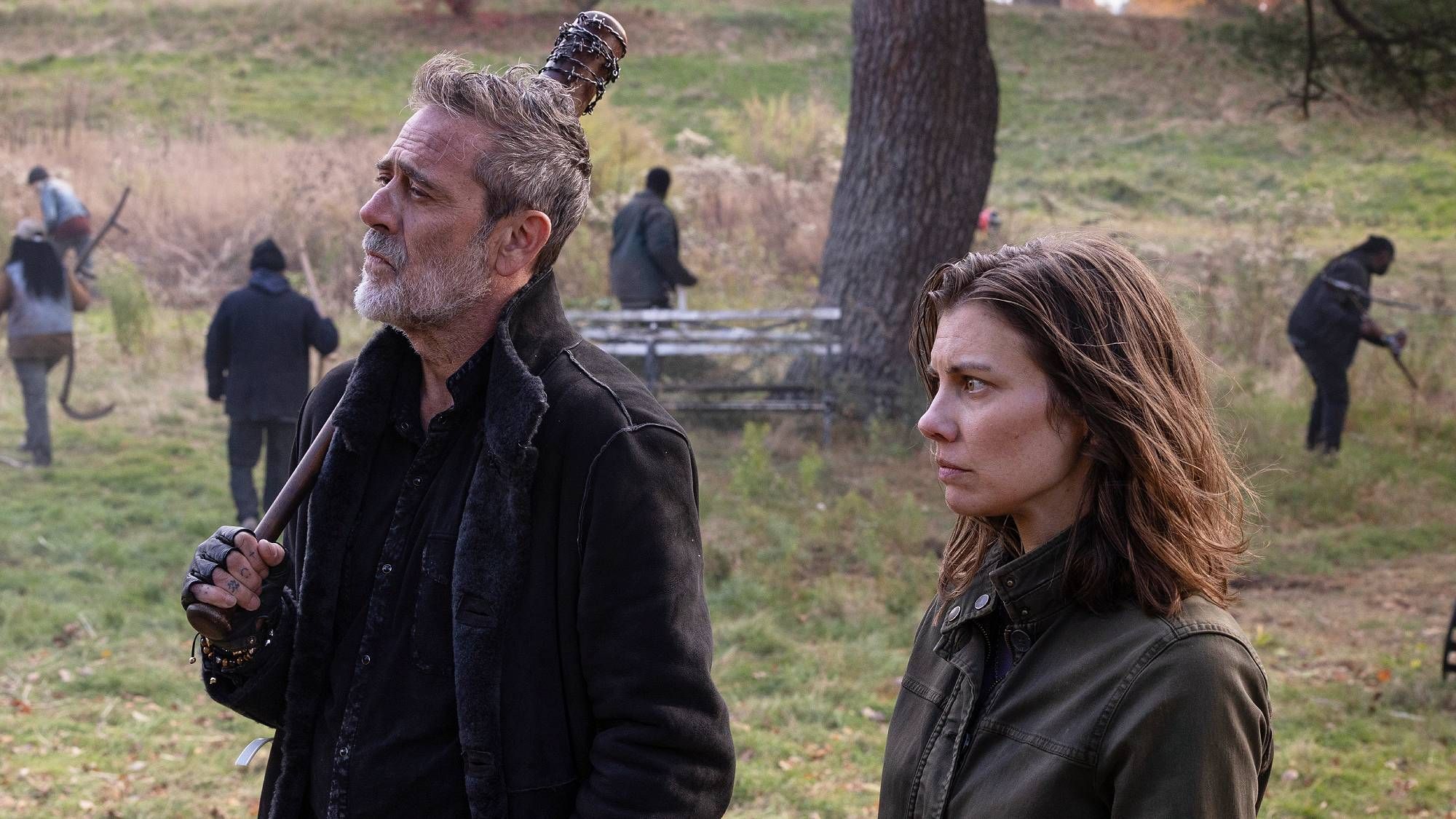
The End of a Vendetta: Maggie and Negan’s Path Towards Reconciliation
The core of Maggie and Negan’s dynamic has always been inextricably linked to the profound trauma inflicted by Negan’s violent act of killing Glenn Rhee. For the entirety of the first two seasons, their narrative has been a relentless cycle of animosity, forced cooperation, and deep-seated hatred. However, the gripping conclusion of season 2 marked a significant turning point, fundamentally altering the trajectory of their complex relationship.
During the season 2 finale, Maggie witnessed Negan revert to his formidable "Savior" persona. His ruthlessness was on full display as he systematically dismantled rival gang leader Bruegel, employing a chilling blend of psychological warfare, his iconic weapon Lucille, and a meticulously planned methane trap. This display led Maggie to believe that Negan’s capacity for brutality remained unchanged. In a moment of intense emotional reaction, she attacked him, stabbing him in the back. Yet, as Negan struggled for survival, his actions revealed a motive far removed from self-preservation. He was desperately attempting to reach Ginny, a young girl he had sworn to protect and had come to view as a surrogate daughter.
Upon discovering Ginny’s fate – succumbing to her injuries and reanimating as a walker – Maggie and Perlie Armstrong were confronted with a scene of profound devastation. Negan was forced to personally put down the walker that was once Ginny. Witnessing Negan’s complete emotional breakdown in the face of this loss shattered Maggie’s perception of his hardened exterior. She realized that his often violent and uncompromising demeanor was, in many instances, a protective shield for those he cared about. This profound realization brought her to a critical juncture: killing Negan would not bring Glenn back, nor would it alleviate her enduring pain. In that moment, Maggie finally relinquished her consuming need for revenge.
In a testament to this newfound understanding, Maggie chose to save Negan’s life by removing the knife and tending to his wounds, effectively bringing their long-standing feud to a close. No longer bound by the grim necessity of circumstance, Maggie and Negan now share a unified objective: to forge a sustainable community within the ruins of Manhattan in season 3. This shared goal signifies a monumental shift, moving them from adversaries to potential partners in rebuilding a fractured society.
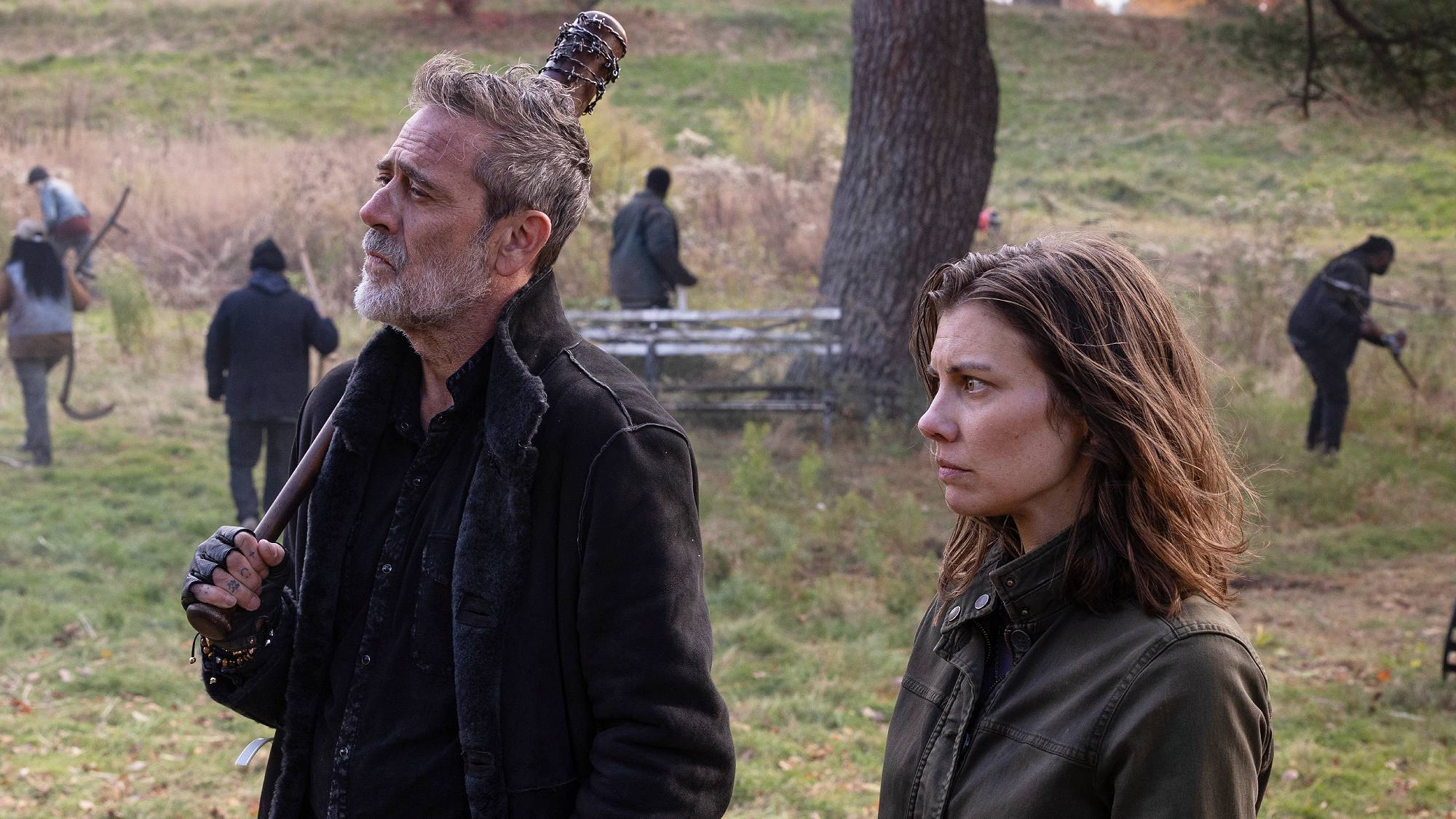
Hershel’s Descent: The Corrosive Influence of The Dama
While Maggie has embraced a path of reconciliation and a conscious departure from the cycle of violence, her son, Hershel, has tragically moved in the opposite direction. Under the insidious influence of The Dama, a survivor of an earlier fiery encounter in season 2, Hershel has become increasingly estranged from his mother. He now stands in direct opposition to her vision of peace and rebuilding.
The Dama, a shrewd manipulator, deliberately preyed upon Hershel’s existing anger towards Maggie. She skillfully exploited his feelings of abandonment and resentment, stemming from Maggie’s prolonged focus on Negan and the lingering trauma of their past. By identifying Hershel’s vulnerabilities, The Dama successfully gained his trust, recognizing him as a malleable individual susceptible to her extremist ideology. Having grown up with no direct memories of the pre-apocalypse world, Hershel was particularly receptive to The Dama’s indoctrination. Under her sway, he came to believe that Maggie’s decision to spare Negan was a grave error, a sign of weakness that jeopardized the safety of their family.
The season 2 finale underscored this rift when Maggie revealed her choice to spare Negan as a deliberate act to break the cycle of violence. Hershel’s reaction was one of profound anger and an outright refusal to forgive his mother. Rejecting Maggie’s pleas to return home, he chose to remain in New York City under The Dama’s tutelage. This development presents Maggie with her most formidable challenge in season 3: her primary adversary is being directly influenced and manipulated by her own son, creating an intensely personal and emotionally charged conflict.
The Shifting Tides of Power: New Babylon’s Ambitions in Manhattan
The power dynamics within post-apocalyptic New York City underwent a dramatic upheaval during the season 2 finale. For the preceding seasons, Manhattan was a contested territory, primarily dominated by warring factions such as the Burazi, led by the enigmatic The Croat and subtly influenced by The Dama, and Bruegel’s formidable group. However, Negan’s decisive action in eliminating Bruegel led to the collapse of one of the island’s major criminal organizations, creating a significant power vacuum. This void was swiftly filled by the unexpected arrival of the New Babylon Federation.
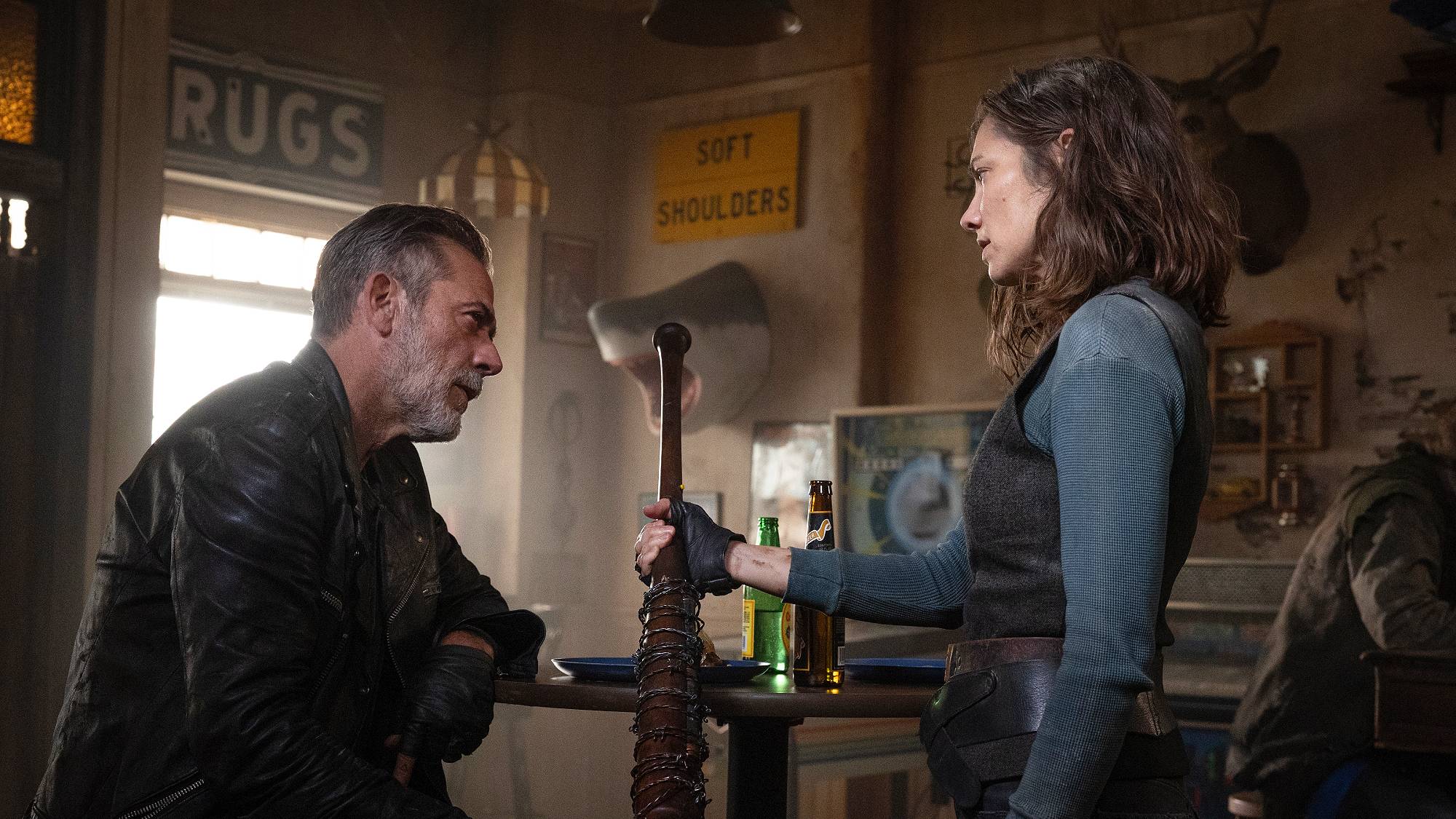
The Federation initiated a large-scale invasion, crossing the Hudson River and deploying armed forces into Manhattan with the explicit objective of seizing control of its vital resources. Their primary strategic goal centers on capturing the island’s crucial methane production facilities. These facilities are instrumental in generating a vital energy source, utilizing harvested walker biomass to power advanced technology. This technological reliance underscores the unique resourcefulness and grim ingenuity that has become a hallmark of survival in this post-apocalyptic world.
This aggressive expansionist move by New Babylon has inadvertently forced old adversaries to unite. Perlie Armstrong, initially dispatched by New Babylon with the directive to apprehend Negan, found himself disillusioned by the Federation’s unbridled brutality. Witnessing their ruthless tactics firsthand, he made the critical decision to turn against his former employers. He has now aligned himself with Maggie and Negan, contributing his expertise and influence to the burgeoning resistance force composed of Manhattan’s scattered survivors. This alliance signifies a critical turning point, uniting disparate elements against a common, technologically advanced enemy.
A New Creative Vision: Seth Hoffman and the Evolving Tone of Dead City
Season 3 of "Dead City" heralds a significant creative shift under the helm of new showrunner Seth Hoffman. A seasoned writer and executive producer with deep roots in the original "The Walking Dead" series, Hoffman is recognized for his contributions to pivotal episodes such as "Too Far Gone" and "No Way Out." His tenure promises to usher in a fresh perspective and a refined approach to the narrative.
While the earlier seasons of "Dead City" were characterized by a darker, more claustrophobic atmosphere, focusing on themes of captivity, relentless revenge, and perpetual conflict, Hoffman is steering the series towards a more hopeful outlook. His vision emphasizes expansive world-building and incorporates elements of dark humor, moving beyond the mere act of survival to explore the complex process of rebuilding society and establishing a new sense of home amidst the desolation of Manhattan. This tonal evolution suggests a broader exploration of the human capacity for resilience and the enduring desire for community.
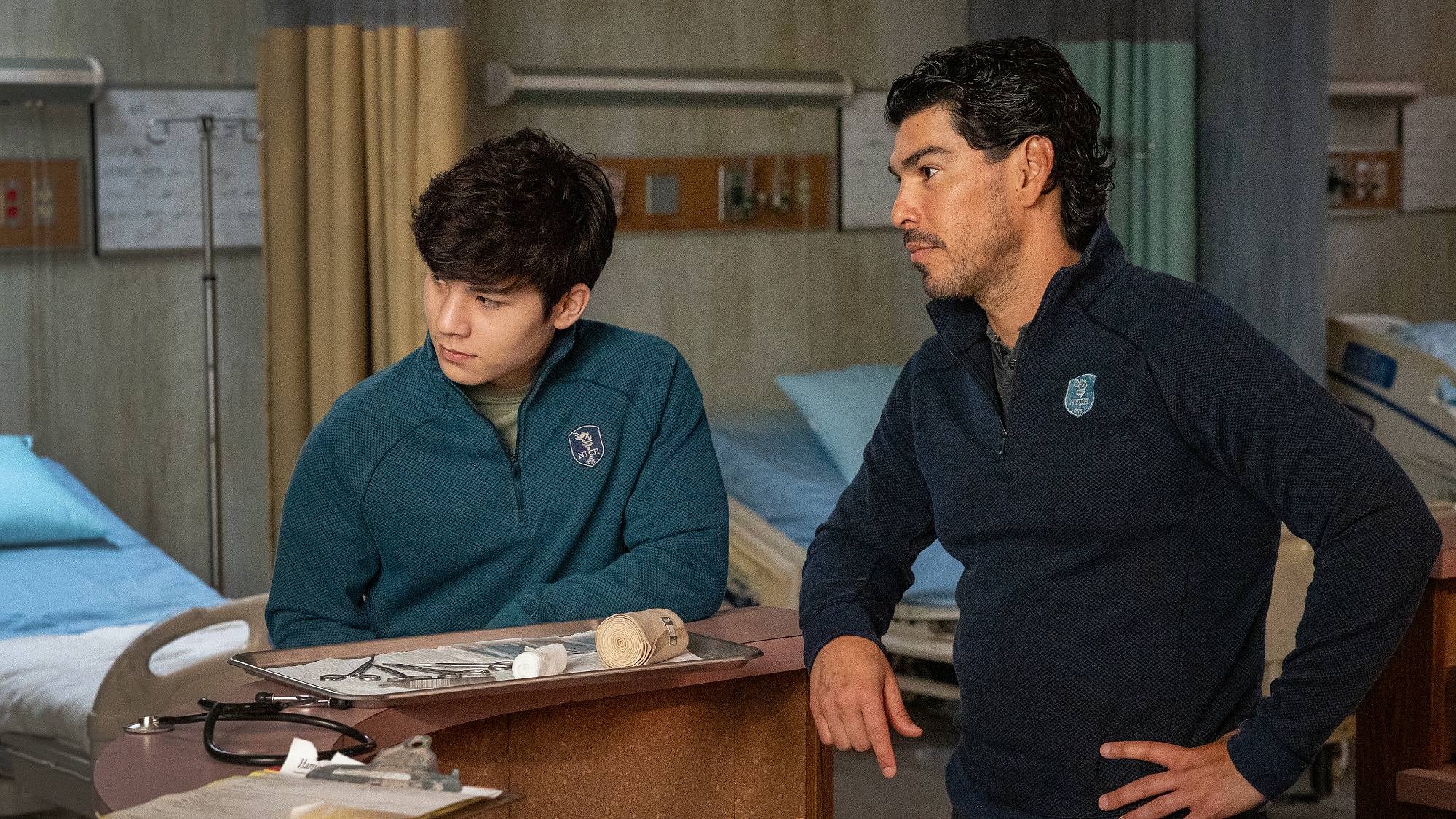
To support this ambitious expansion of the narrative scope, season 3 is set to introduce a range of new characters. These additions are not merely plot devices but are integral to fleshing out the world of "Dead City," introducing new perspectives, alliances, and potential conflicts that will further enrich the storytelling and deepen the audience’s engagement with the evolving landscape of post-apocalyptic New York.
Echoes of the Past: Beth Greene’s Return in an Alternate Reality
In a move that has generated considerable excitement and discussion, season 3 will feature a conceptual exploration of an alternate reality, offering a unique perspective on the emotional journeys of its central characters. This special episode will diverge from traditional flashback formats, instead envisioning a world where the devastating zombie outbreak never occurred. This narrative device allows for the poignant return of Emily Kinney as Beth Greene, Maggie’s beloved younger sister, who tragically perished in season 5 of the original "The Walking Dead" series.
The alternate timeline is set against the serene backdrop of Central Park, presenting a vision of a peaceful, untouched society. Within this reimagined reality, the episode will delve into the lives Maggie, Negan, and their respective families might have led had society managed to persevere through the crisis. This exploration serves a crucial emotional purpose, particularly for Maggie. The opportunity to reconnect, albeit conceptually, with Beth offers her a profound chance to confront the deep-seated grief she has carried for years, potentially providing a cathartic sense of closure.
For the series as a whole, this alternate reality episode raises a compelling philosophical question: In the absence of the apocalypse, would Maggie and Negan have evolved into better, perhaps even fundamentally different, versions of themselves? This thought-provoking premise offers a unique lens through which to examine the characters’ core identities and the transformative power of extreme circumstances.
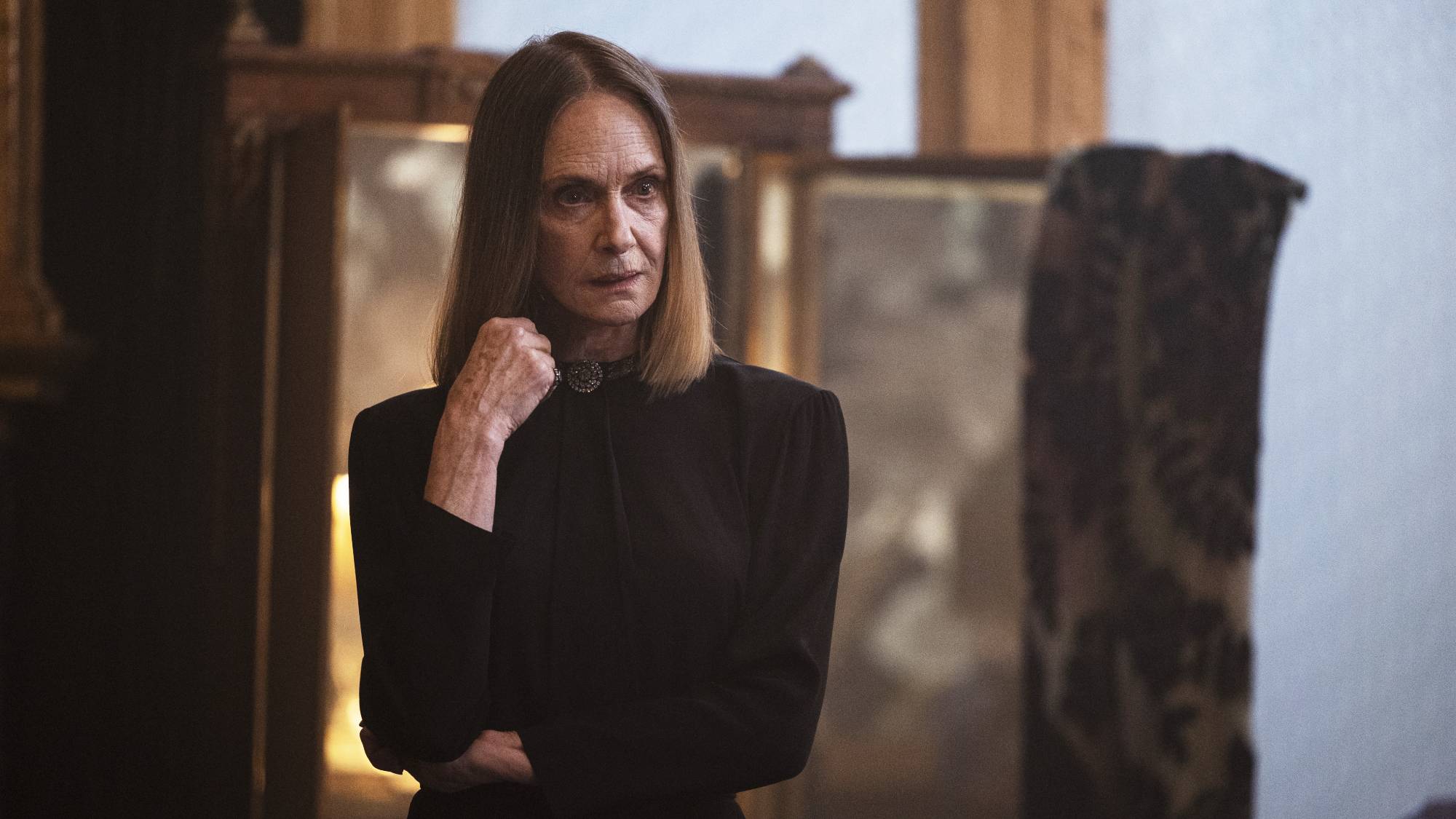
"The Walking Dead: Dead City" season 3 is slated for its premiere on July 26, airing on AMC and streaming on AMC Plus. The series continues to push the boundaries of the established "Walking Dead" universe, offering a gritty, character-driven narrative set against one of the most iconic and challenging urban landscapes imaginable. The confluence of intense character development, evolving threats, and ambitious storytelling promises to make season 3 a must-watch for fans of the franchise.
Broader Implications and Franchise Expansion
The continued success and creative evolution of "The Walking Dead: Dead City" underscore the franchise’s enduring appeal and its capacity for reinvention. By transplanting familiar characters to a novel and visually striking environment like Manhattan, the series injects fresh energy and new narrative possibilities into the established universe. The introduction of distinct factions like the New Babylon Federation and the exploration of complex societal structures, such as the methane production facilities, demonstrate a growing interest in expanding the scope of the post-apocalyptic world beyond immediate survival.
Furthermore, the decision to incorporate an alternate reality episode signifies a willingness to experiment with narrative formats and explore the characters’ psychological depths in unconventional ways. This approach not only provides emotional resonance for long-time fans, particularly with the return of beloved characters like Beth Greene, but also broadens the thematic concerns of the franchise to include questions of identity, potential, and the roads not taken.
The strategic pairing of Maggie and Negan, once bitter enemies, now tasked with the monumental challenge of rebuilding a community, offers a rich ground for exploring themes of redemption, forgiveness, and the possibility of forging a shared future from the ashes of the past. Their complex, often antagonistic, but increasingly interdependent relationship remains the linchpin of the series, demonstrating that even in the most dire circumstances, human connection, however flawed, can be a powerful catalyst for change and survival. As "Dead City" moves into its third season, it solidifies its position as a vital and dynamic component of "The Walking Dead" saga, offering a compelling blend of action, drama, and profound character exploration.