Apple’s MacBook Neo 2: Anticipating the Next Evolution of Apple’s Most Accessible Laptop.

The introduction of the all-new MacBook Neo earlier this year marked a significant moment for Apple, as the device quickly emerged as a resounding success, exceeding initial sales expectations and grappling with robust demand that tested supply chains. This remarkable debut has set a high bar for its successor, the MacBook Neo 2, which is already generating considerable buzz within the tech community. As Apple continues to refine its strategy for the highly competitive laptop market, the next iteration of its most affordable laptop is poised to introduce a suite of enhancements that promise to elevate performance, user experience, and aesthetic appeal. This deep dive explores everything currently known about the forthcoming MacBook Neo 2, examining its anticipated features, the technological advancements driving them, and the broader implications for Apple’s product ecosystem and market position.
The Success and Strategic Importance of the Original MacBook Neo
Launched in March of the current year, the original MacBook Neo was strategically positioned as Apple’s most accessible entry point into the macOS ecosystem. Its immediate success, characterized by strong sales and the subsequent supply chain challenges noted by outlets like 9to5Mac in April, underscored a clear market demand for an affordable yet powerful Apple laptop. This demand wasn’t merely for a cheaper Mac; it was for a device that offered Apple’s signature blend of design, performance, and user-friendliness at a price point that appealed to a broader demographic, including students, casual users, and those transitioning from other operating systems. The MacBook Neo effectively filled a perceived gap in Apple’s lineup, complementing the higher-end MacBook Air and Pro models by offering a compelling value proposition. Its vibrant color options—citrus, blush, indigo, and silver—also resonated with consumers, distinguishing it from the more traditionally muted palettes of its siblings and injecting a sense of fun and personalization into the Mac experience. The positive reception, including a favorable review noting that its 8GB of RAM was not a significant limitation for its target audience, solidified its position as a critical component of Apple’s current product strategy.

Anticipating the MacBook Neo 2: Key Upgrades and Innovations
The momentum generated by the original MacBook Neo is expected to carry into its successor, with several key upgrades already rumored and reported. These enhancements are not merely incremental; they reflect Apple’s ongoing commitment to pushing the boundaries of performance, efficiency, and intelligent features across its device portfolio.
The A19 Pro Chip: A New Performance Benchmark
At the heart of the anticipated MacBook Neo 2 lies the A19 Pro chip, a significant leap forward from the A18 Pro chip that powers the current model. This upgrade is crucial for maintaining the MacBook Neo’s competitive edge and delivering a fluid user experience. As reported by Bloomberg, Apple is actively working on this next-generation silicon, which is also slated for inclusion in the flagship iPhone 17 Pro and iPhone Air, highlighting its advanced capabilities.
- Architectural Advancements and Performance Gains: The A19 Pro is projected to deliver a substantial performance boost over its predecessor. Benchmarks suggest a 10-15% increase in both single-core and multi-core CPU performance. This improvement will translate into snappier application launches, smoother multitasking, and faster processing for everyday tasks, making the MacBook Neo 2 even more responsive.
- Revolutionary GPU Performance with Neural Accelerators: The most significant leap is anticipated in graphics performance, with the A19 Pro boasting an impressive up to 40% boost in GPU capabilities. This dramatic improvement is attributed to the integration of Neural Accelerators directly into every GPU core. This architectural innovation signifies Apple’s deep commitment to on-device machine learning and artificial intelligence. For users, this means enhanced performance in graphics-intensive applications, smoother video editing, and a more immersive experience in casual gaming. Furthermore, the Neural Accelerators will be pivotal in accelerating AI-driven tasks, from image recognition and computational photography to advanced voice processing and intelligent system optimizations, without relying heavily on cloud-based solutions.
- Strategic "Binning" for Optimal Product Differentiation: While the A19 Pro chip in the iPhone 17 Pro is expected to feature a 6-core GPU, reporter Tim Culpan has indicated that Apple will likely utilize a "binned" version of the A19 Pro in the MacBook Neo 2, specifically one with a 5-core GPU. This practice of "binning" involves using chips that meet a slightly lower specification, often due to minor imperfections during manufacturing, which allows Apple to maintain high yield rates and differentiate performance tiers across its product line. For the MacBook Neo 2, this strategic decision enables Apple to offer a powerful, next-generation chip at a more accessible price point, aligning with the product’s market positioning while still delivering a significant upgrade over the previous generation. It ensures that the MacBook Neo remains the "affordable" option without cannibalizing sales of higher-end MacBooks that might feature the full 6-core or even more advanced GPU configurations.
Enhanced Memory Architecture: Bridging the Gap
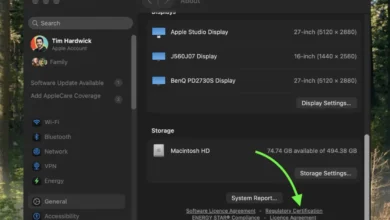
One of the more discussed aspects of the original MacBook Neo was its 8GB of unified memory (RAM), a specification that some considered a compromise, especially when compared to the 16GB starting configuration prevalent across the rest of Apple’s modern Mac lineup. For the MacBook Neo 2, Apple is expected to address this by increasing the base memory to 12GB of RAM, a direct benefit of the A19 Pro’s more advanced memory controller.
- Addressing User Needs and Performance Demands: While the original MacBook Neo performed admirably with 8GB for its target audience, an increase to 12GB represents a substantial improvement for multitasking and more demanding workflows. In today’s computing environment, operating systems, web browsers with numerous tabs, and creative applications are increasingly memory-hungry. This 50% increase in RAM will provide greater headroom, allowing users to run more applications simultaneously, switch between tasks more smoothly, and handle larger files or more complex projects without experiencing slowdowns. For instance, casual photo editing, light video work, or running multiple virtual desktops will feel noticeably more fluid.
- Industry Trends and User Expectations: The move to 12GB also aligns more closely with evolving industry standards and user expectations for modern laptops. While Apple’s unified memory architecture is highly efficient, a higher physical memory ceiling provides a more robust foundation for future software updates and increasingly complex web content. This enhancement underscores Apple’s responsiveness to user feedback and its commitment to providing a balanced performance profile even in its entry-level devices. The previous review acknowledging 8GB as "not a huge limitation" will likely be superseded by universal praise for the practical benefits of 12GB.
Next-Generation AI Capabilities: Intelligent Interaction
The combination of the powerful A19 Pro chip and the increased 12GB of RAM is poised to unlock a new suite of advanced on-device artificial intelligence features for the MacBook Neo 2. This represents a significant step forward in Apple’s broader AI strategy, moving more computational intelligence to the edge device.
- Advanced On-Device AI Model: Announced at WWDC, Apple’s more powerful on-device AI model requires specific hardware capabilities, including a highly capable Neural Engine (part of the A19 Pro) and sufficient memory. The current MacBook Neo, with its A18 Pro chip and 8GB of RAM, does not meet these requirements, limiting its access to these cutting-edge features. The Neo 2 will bridge this gap.
- Enhanced Dictation and Siri Customization: Users of the MacBook Neo 2 can anticipate a dramatically improved dictation experience. The on-device AI model will enable more accurate, faster, and contextually aware voice-to-text conversion, reducing errors and making voice input a more viable and efficient option for productivity. Furthermore, the new model will offer expanded options for customizing the Siri voice, providing a more personalized and natural interaction with Apple’s virtual assistant. This moves beyond simple voice selection to potentially adapting Siri’s tone and responses based on user preferences and context.
- Implications for Privacy and Performance: Performing AI computations directly on the device, rather than relying on cloud servers, has significant advantages. It enhances user privacy by keeping personal data local, reduces latency for AI-driven tasks, and allows for continued functionality even without an internet connection. This aligns with Apple’s long-standing commitment to privacy and its strategy of integrating powerful, efficient AI directly into its hardware.
Evolving Aesthetics: A Palette of New Hues
The original MacBook Neo distinguished itself not only through its performance but also its playful and vibrant color options. Apple’s design philosophy often includes periodic refreshes of its product aesthetics, and the MacBook Neo 2 is expected to follow this trend. Bloomberg reports that Apple plans to "periodically" update the MacBook Neo with new colors.
- Refreshing the Visual Identity: While specific new colors for the next-generation MacBook Neo have not yet been detailed, this strategy ensures the product remains visually fresh and appealing. Apple has a history of introducing new colorways for its popular products, often aligning them with seasonal trends or broader design themes. This approach helps to sustain consumer interest and provides a reason for users to upgrade or for new customers to be drawn to the device.
- Market Appeal and Personalization: The initial success of colors like citrus and blush demonstrated a strong market appetite for more personalized and expressive tech devices. New colors could further broaden the MacBook Neo’s appeal, allowing users to choose a device that better reflects their individual style. This aesthetic flexibility, combined with the device’s performance upgrades, creates a compelling package. Speculation suggests possibilities ranging from deeper, richer tones to perhaps more pastel variations, but ultimately Apple’s design team will aim for colors that resonate with its target demographic while maintaining the product’s distinctive identity.
Market Positioning and Strategic Implications
The MacBook Neo 2’s anticipated features position it strategically within Apple’s expansive product ecosystem and the broader personal computing market.

Apple’s "Affordable" Laptop Strategy
The MacBook Neo series underscores Apple’s commitment to offering a tiered product lineup that caters to diverse consumer needs and budgets. By integrating advanced A-series chips, traditionally found in iPhones and iPads, into its Mac architecture, Apple has been able to create a highly efficient and cost-effective platform. The MacBook Neo 2, with its enhanced A19 Pro chip and increased RAM, will solidify its role as a high-value proposition, providing a near-premium macOS experience at a more accessible price point than the MacBook Air or MacBook Pro lines. This strategy is crucial for expanding Apple’s market share, particularly in educational sectors and emerging markets where price sensitivity is higher. It ensures that consumers have a clear upgrade path within the Apple ecosystem without having to make significant financial leaps.
Competitive Landscape and Industry Impact
The improvements in the MacBook Neo 2, particularly the significant leap in GPU performance and the integration of advanced on-device AI, will intensify competition in the entry-level and mid-range laptop segments. Against Windows-based laptops, often powered by Intel or AMD processors, the MacBook Neo 2 will offer a unique blend of custom silicon optimization, robust security, and the tightly integrated macOS experience. The efficiency of Apple Silicon often translates into superior battery life and silent, fanless operation, key differentiators that appeal to many users. The focus on on-device AI also sets a precedent, potentially influencing other manufacturers to prioritize similar capabilities in their hardware for privacy and performance benefits. This continuous innovation in the "affordable" segment challenges competitors to match Apple’s advancements in silicon design and software-hardware integration.
Supply Chain Dynamics and Production Outlook
The initial MacBook Neo faced supply chain challenges due to unexpectedly high demand. For the MacBook Neo 2, Apple will undoubtedly leverage its vast manufacturing expertise and robust supply chain networks to mitigate similar issues. Reporter Tim Culpan’s reports on the A19 Pro chip production indicate that Apple is actively managing the manufacturing process, suggesting a proactive approach to ensuring sufficient inventory upon launch. However, global supply chain complexities, including potential geopolitical factors or raw material availability, always remain a variable. Apple’s ability to scale production for a product expected to be in high demand will be critical for its sustained success.
Timeline and Release Expectations

The original MacBook Neo made its debut in March of the current year. Following this pattern, and considering reports from sources like Tim Culpan, the A19 Pro-powered version of the machine, the MacBook Neo 2, is slated for release sometime in 2027. This timeline allows for a reasonable product cycle, giving the original Neo sufficient time in the market while building anticipation for the next generation. It also provides Apple with ample time to finalize the A19 Pro chip’s integration, optimize macOS for the new hardware, and ramp up production. A March 2027 release would align perfectly with a roughly annual refresh cycle, a common practice for many of Apple’s consumer-focused products.
Conclusion
The forthcoming MacBook Neo 2 represents a pivotal evolution for Apple’s most accessible laptop. Building upon the resounding success of its predecessor, the next-generation model is poised to deliver significant advancements in core performance with the A19 Pro chip, enhance multitasking capabilities with 12GB of RAM, and unlock a new era of intelligent on-device AI features. Coupled with Apple’s strategy of periodically refreshing its vibrant color palette, the MacBook Neo 2 is not just an incremental upgrade; it is a strategic refinement designed to solidify its position as a compelling entry point into the macOS ecosystem. As the tech world awaits its official unveiling, the MacBook Neo 2 promises to further democratize access to Apple’s cutting-edge technology, catering to a broad audience eager for a powerful, stylish, and intelligent computing experience without compromising on affordability. Its impact will undoubtedly be felt across the consumer laptop market, reinforcing Apple’s leadership in innovation and design.