Meta Expands Parental Supervision Tools to Threads to Enhance Online Safety for Teens

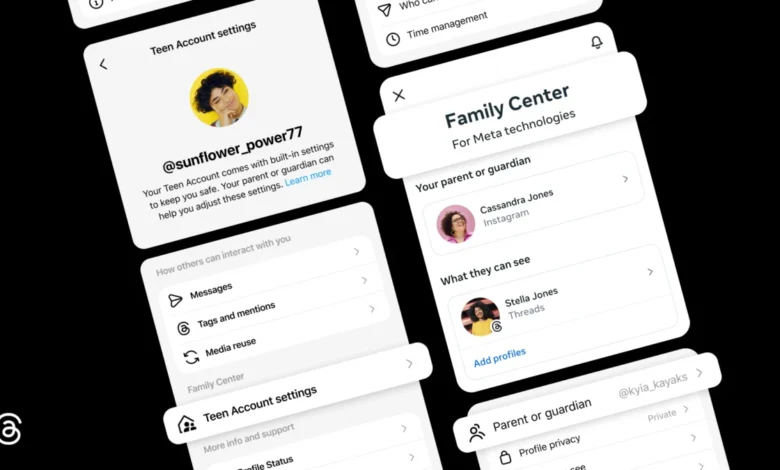
Meta Platforms Inc. has officially announced the expansion of its parental supervision features to its newest social media platform, Threads, marking a significant step in the company’s broader initiative to standardize safety protocols across its ecosystem of applications. Beginning next week, parents and guardians in the United States will be able to access a suite of oversight tools within Meta’s centralized Family Center, providing them with visibility into their teenagers’ activities on Threads and the ability to manage how those teens interact with the platform. This move follows the integration of similar tools on Instagram, Messenger, and Meta Quest, reflecting a concerted effort by the tech giant to address mounting concerns regarding adolescent digital safety and the psychological impact of social media.
The integration into the Family Center allows parents to link their accounts with their teenagers’ Threads accounts, provided the teen is between the ages of 13 and 17. Once established, these supervision tools offer a comprehensive dashboard where guardians can monitor time spent on the app, view the accounts their teen follows, and see who is following their teen in return. Crucially, the update introduces a layer of control for parents of teens under the age of 16, who will now have the authority to decide whether their children can adjust default safety settings to be less restrictive.
The Evolution of Teen Protections on Meta Platforms
Threads, which launched in July 2023 as a text-based companion to Instagram, was designed with several built-in protections for younger users from its inception. Teen accounts on the platform are set to private by default, meaning only approved followers can see or interact with their posts. Additionally, the platform employs automated systems to limit the reach of "borderline" content—material that may not violate community standards but could be considered sensitive or inappropriate for minors.
The new supervision tools build upon this foundation by bridging the gap between automated platform-wide settings and individualized parental guidance. In the Family Center, parents can set daily time limits for Threads usage, schedule mandatory breaks, and receive notifications if their teen reports another user. This transparency is intended to foster dialogue between parents and children regarding digital citizenship and responsible online behavior.
Chronology of Meta’s Safety Rollouts
The expansion to Threads is the latest milestone in a timeline that spans several years of development in Meta’s safety infrastructure. In March 2022, Meta first introduced parental supervision tools on Instagram in the U.S., a move prompted by internal and external pressure to better protect younger users. By June 2022, these tools were expanded to Meta Quest virtual reality headsets, allowing parents to block specific apps and monitor screen time in the metaverse.
In June 2023, just weeks before the launch of Threads, Meta introduced supervision features for Messenger, enabling parents to see how much time their teens spent messaging and who they were communicating with, without compromising the privacy of the actual message content. The current rollout on Threads represents the completion of a safety "circuit," ensuring that regardless of which Meta app a teenager chooses to use, the parental oversight framework remains consistent and accessible from a single hub.
Supporting Data on Adolescent Social Media Usage
The necessity for these tools is underscored by recent data regarding teen engagement with digital platforms. According to a 2023 study by the Pew Research Center, approximately 95% of American teenagers have access to a smartphone, and nearly 60% of them use Instagram, the platform most closely linked to Threads. Furthermore, the study revealed that roughly 35% of teens admit to using at least one social media platform "almost constantly."
Research from Common Sense Media indicates that the average American teenager spends over seven hours a day on screen media for entertainment, a figure that has risen steadily over the last decade. This high level of engagement has been linked by various psychological studies to increased rates of anxiety, depression, and sleep deprivation among adolescents. Meta’s introduction of "Take a Break" reminders and time management tools is a direct response to these findings, aiming to mitigate the risks associated with excessive screen time.
Legislative Pressure and the Regulatory Landscape
The timing of Meta’s safety updates is often viewed through the lens of increasing regulatory scrutiny in Washington D.C. and internationally. Over the past two years, Meta CEO Mark Zuckerberg and other tech executives have appeared before the Senate Judiciary Committee to testify on the risks social media poses to children, including issues related to cyberbullying, self-harm content, and online predation.
Legislation such as the Kids Online Safety Act (KOSA) and the Children and Teens’ Online Privacy Protection Act (COPPA 2.0) has gained bipartisan support, seeking to mandate "safety by design" for tech companies. By proactively expanding its supervision tools to Threads, Meta is positioning itself as a cooperative participant in the safety discourse, potentially aiming to demonstrate that industry self-regulation can be effective. However, critics argue that while these tools are a positive step, the burden of safety remains largely on the parents rather than the platform’s core algorithms.
Detailed Mechanics of Supervision on Threads
To activate supervision, either the parent or the teen must send an invitation via the Family Center. To respect the privacy and autonomy of the minor, the supervision cannot be forced; the other party must accept the invitation for the tools to become active. Once linked, the parent can access a suite of features:
- Daily Time Limits: Parents can set a specific number of minutes or hours the teen is allowed to use Threads each day. Once the limit is reached, the app will lock, although teens can request additional time which parents can approve or deny remotely.
- Scheduled Breaks: Guardians can block access to the app during specific hours, such as during school or late at night, to ensure the platform does not interfere with sleep or education.
- Follower Insights: Parents can view the list of accounts their teen follows and who follows them. This is particularly relevant on Threads, where the public nature of the feed can expose users to a wide variety of voices and opinions.
- Reporting Notifications: If a teenager reports a post or an account for violating community standards, they have the option to notify their parent. This allows the parent to understand the types of interactions their child is having and provide support if the teen is being harassed.
Analysis of Broader Implications for the Tech Industry
Meta’s decision to centralize these controls in the Family Center reflects a broader trend in the tech industry toward "platform convergence." By creating a single point of management for Instagram, Threads, and VR, Meta is attempting to reduce the friction parents face when trying to manage their children’s digital lives. This move also sets a precedent for other social media companies, such as TikTok and X (formerly Twitter), which have faced similar calls to bolster their parental oversight capabilities.
From a market perspective, ensuring a safe environment for teens is vital for the long-term viability of Threads. As the platform seeks to compete with X for dominance in the real-time text space, maintaining a reputation for being a "sanitized" or safer alternative could attract a demographic of younger users—and their parents—who have become disillusioned with the lack of moderation on other platforms.
However, the effectiveness of these tools relies heavily on parental engagement. Digital literacy experts note that many parents are unaware that these tools exist or find them too complex to set up. Meta’s challenge moving forward will be to educate its user base on how to utilize the Family Center effectively.
Future Outlook and Global Expansion
While the current rollout of Threads supervision tools is limited to the United States, Meta has confirmed plans to expand these features globally in the coming months. This phased approach allows the company to monitor the performance of the tools and make adjustments based on user feedback before a wider release.
Furthermore, Meta is exploring the integration of artificial intelligence to further enhance teen safety. Future updates may include AI-driven content summaries for parents or more sophisticated detection of age-inappropriate interactions that do not rely solely on user reports. As the digital landscape continues to evolve, the tension between teen privacy and parental oversight remains a central theme in the development of social media.
Meta’s expansion of parental supervision to Threads signifies more than just a software update; it is a strategic maneuver in the ongoing debate over the responsibility of tech giants to protect their most vulnerable users. By providing parents with "visibility and controls," Meta is attempting to balance the benefits of social connectivity with the necessity of a supervised environment, aiming to create a sustainable model for adolescent engagement in the digital age. For more information on setting up these controls, users are encouraged to visit the official Meta Family Center website.
Related posts: