Samsung Redefines the Foldable Market with Galaxy Z Fold 8 Ultra and AI-Powered Innovation at Galaxy Unpacked

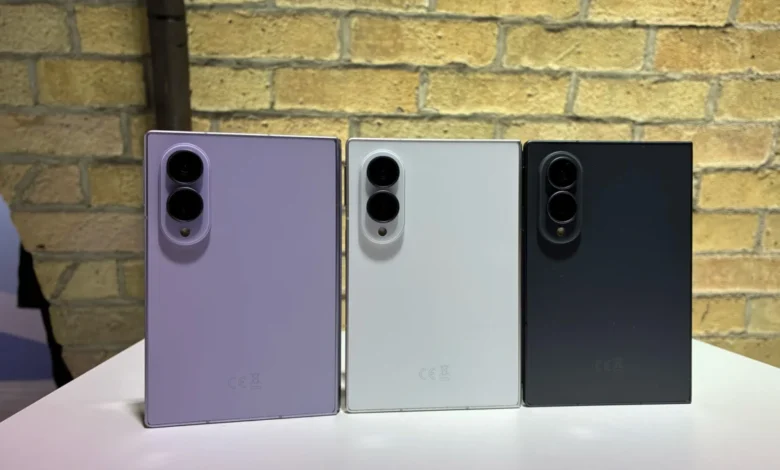
Samsung Electronics has officially unveiled its latest generation of foldable smartphones, marking a significant pivot in the company’s mobile strategy with the introduction of three distinct models: the Galaxy Z Fold 8, the high-performance Galaxy Z Fold 8 Ultra, and the refined Galaxy Z Flip 8. During the highly anticipated Galaxy Unpacked event, the tech giant demonstrated a clear focus on structural durability, advanced on-device artificial intelligence, and a radical reimagining of the standard foldable form factor. The launch signals Samsung’s intent to maintain its leadership in a maturing foldable market that is increasingly contested by Chinese manufacturers and shifting consumer expectations regarding device thickness and productivity.
The Evolution of the Foldable: Introducing the Z Fold 8 Ultra
The centerpiece of the launch is undoubtedly the Galaxy Z Fold 8 Ultra, a device that represents the pinnacle of Samsung’s engineering capabilities. For the first time in the Fold series, Samsung has adopted the "Ultra" branding, previously reserved for its flagship S-series, to denote a device that pushes the boundaries of hardware specifications. The Z Fold 8 Ultra addresses a long-standing critique of foldable devices: their bulkiness when closed. By achieving a folded thickness of just 5.9mm and an unfolded profile of 4.1mm, Samsung has created a device that feels indistinguishable from a traditional slab-style smartphone in the pocket, yet expands into a robust tablet-sized interface.
The Ultra model features a 6.5-inch cover display, providing a familiar experience for quick tasks. However, the internal 8-inch main display is the true standout, offering a canvas that is effectively two 6.5-inch screens placed side-by-side. This increase in screen real estate is supported by a new titanium internal structure. Unlike previous generations that relied heavily on aluminum, the Z Fold 8 Ultra utilizes a reinforced titanium panel and plate system beneath the display. This architecture specifically bolsters the folding mechanism, ensuring that the hinge can withstand higher stress levels while maintaining a streamlined aesthetic.
Powering the Ultra is a 5,000mAh battery, a notable feat given the device’s slim dimensions. Samsung claims the device can deliver up to 27 hours of continuous video playback. Furthermore, the inclusion of 45W fast charging allows users to reach a 67% charge in approximately 30 minutes, addressing the power-hungry nature of large-format displays and high-performance processors.
Radical Design Shifts: The Standard Galaxy Z Fold 8
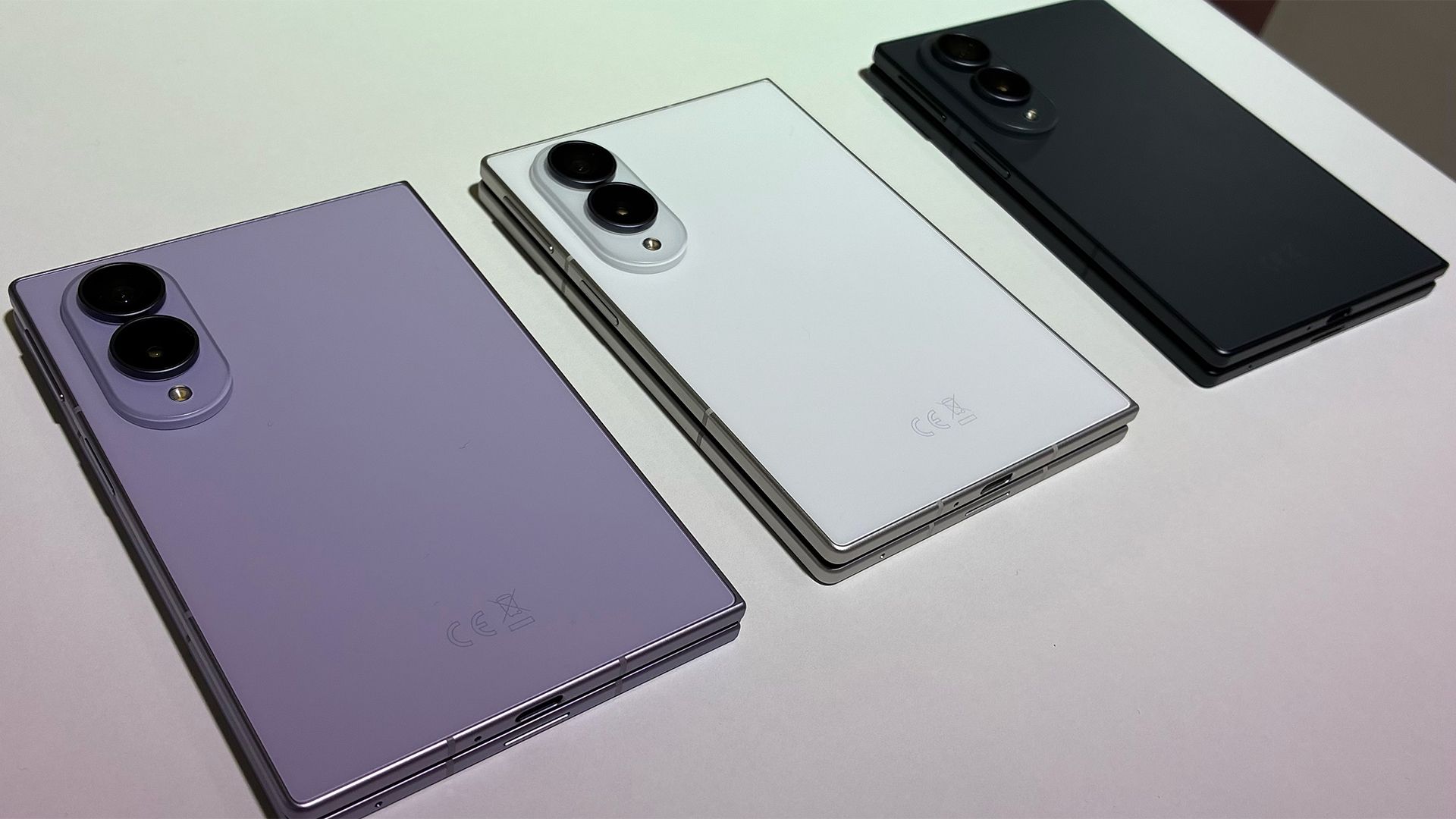
While the Ultra focuses on maximum specs, the standard Galaxy Z Fold 8 introduces a bold new design language for the series. Moving away from the narrow "remote control" aspect ratio of previous iterations, the Z Fold 8 adopts a wider, more square silhouette. This design choice appears to be a direct response to user feedback regarding the utility of the cover screen and the viewing experience of modern social media content.
The Z Fold 8 features a 10.16-inch cover display measurement (in total surface diagonal context) that gives the phone a square appearance when folded. Upon opening, the 7.6-inch main display reveals a 4:3 aspect ratio (or 3:4 in portrait mode). Samsung representatives emphasized that this specific ratio is optimized for the current "scrolling" culture of digital consumption. By aligning the hardware with the 4:3 format, the device allows users to view vertical reels, TikToks, and cinematic content in their entirety without the aggressive letterboxing or cropping seen on narrower devices.
In terms of internal hardware, the Z Fold 8 is slightly more modest than its Ultra counterpart. It houses a 4,800mAh battery and opts for a dual 50MP camera system (wide and ultrawide), omitting the telephoto lens found on the Ultra. Despite these differences, it still promises a robust 26 hours of video playback and shares the same core processing power as the flagship model.
Refining the Compact Foldable: The Galaxy Z Flip 8
The Galaxy Z Flip 8 also received significant updates, though its focus remains on portability and lifestyle integration. Weighing in at only 180g and measuring a mere 6.1mm when folded, it is the lightest and thinnest Flip model to date. The device continues to utilize the "Flex Window" on the cover display, which has been enhanced with new automation features. This intuitive interface uses AI to suggest replies to messages and offer one-touch automations, allowing users to interact with the device’s core functions without the need to unfold the phone. The Flip 8 is equipped with a 50MP main camera, benefiting from the same image processing improvements found across the Z8 lineup.
Silicon and Intelligence: The Snapdragon Elite 8 Architecture
At the heart of all three new models is the Qualcomm Snapdragon Elite 8 chipset. This customized silicon was developed in close collaboration with Samsung to optimize the integration of the CPU, GPU, and a highly advanced Neural Processing Unit (NPU). The focus of this partnership was not merely raw speed, but the facilitation of "Galaxy AI"—a suite of on-device tools designed to make the smartphone experience more proactive.
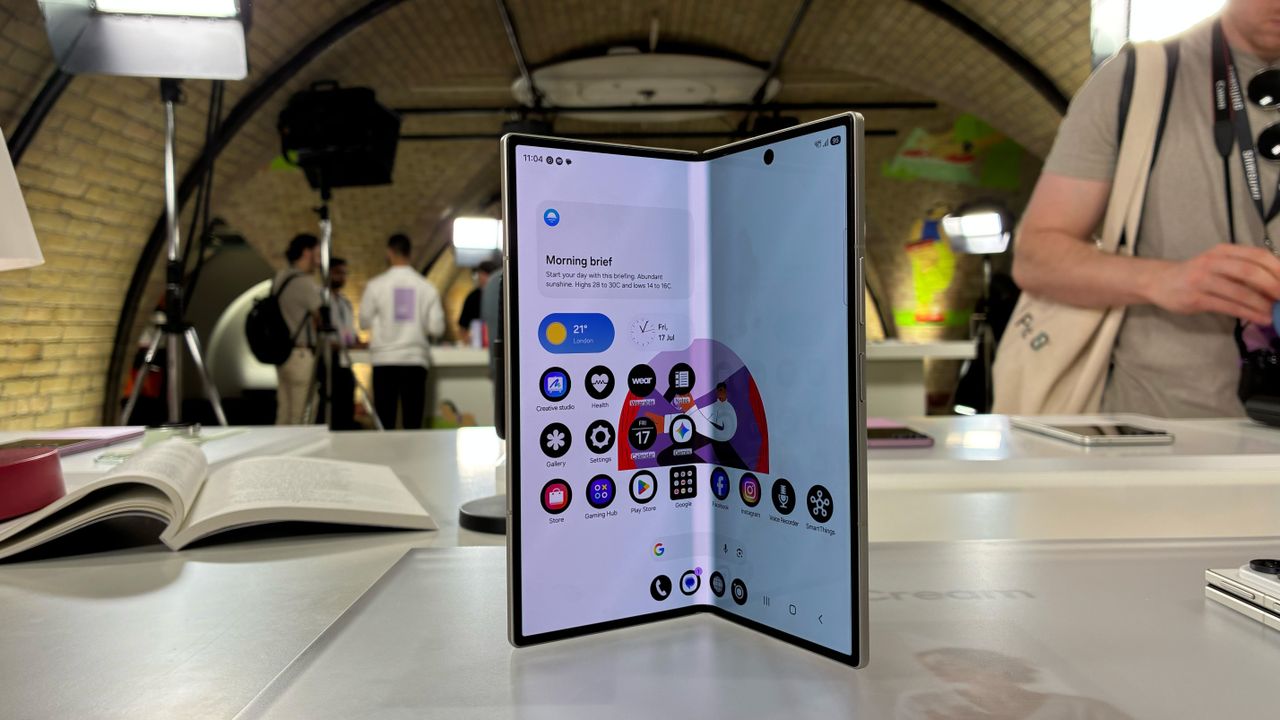
A headline feature of this new AI integration is "Now Nudge." Building on the beta testing conducted with the Galaxy S26, Now Nudge acts as a contextual information overlay. By analyzing data across various apps, the AI offers real-time suggestions through the keyboard or via subtle screen notifications known as "Ambient Nudges." For example, if a user is discussing a meeting in a messaging app, Now Nudge might automatically pull relevant calendar data or offer to set a reminder without the user needing to switch applications. This level of system-wide contextual awareness is intended to reduce "app switching fatigue" and streamline professional workflows.
For content creators, the Snapdragon Elite 8 enables the "My Fan Cam" feature. Leveraging the chip’s advanced video stabilization and AI-driven object tracking, My Fan Cam allows for instant, intelligent cropping of video. Users can record in a standard 16:9 landscape format and then select a specific subject—whether a person or an object—and the AI will automatically crop the footage into a vertical 9:16 shot, keeping the subject centered regardless of their movement within the original frame.
Camera Technology and Professional Imaging
The Galaxy Z Fold 8 Ultra further distinguishes itself with a professional-grade camera array. It features five lenses in total:
- Rear: A 200MP wide-angle main sensor, a 50MP ultrawide lens, and a 10MP telephoto lens.
- Front: A 10MP selfie lens on the cover display and another 10MP lens on the main internal display.
Early hands-on reports indicate that the 200MP sensor provides a level of detail previously unseen in the foldable category, which has historically lagged behind "slab" flagships in terms of optics. The combination of high-resolution hardware and the Snapdragon Elite 8’s image signal processor (ISP) allows for "crisp and dynamic" shots, even in challenging lighting conditions.
Historical Context and Market Implications
The launch of the Z8 series comes at a critical juncture for Samsung. Since the release of the original Galaxy Fold in 2019, the company has enjoyed a dominant market share in the foldable segment. However, the landscape has changed. Competitors like Huawei, with its Pura series, and Google, with the Pixel Fold, have challenged Samsung on thinness and display ratios.
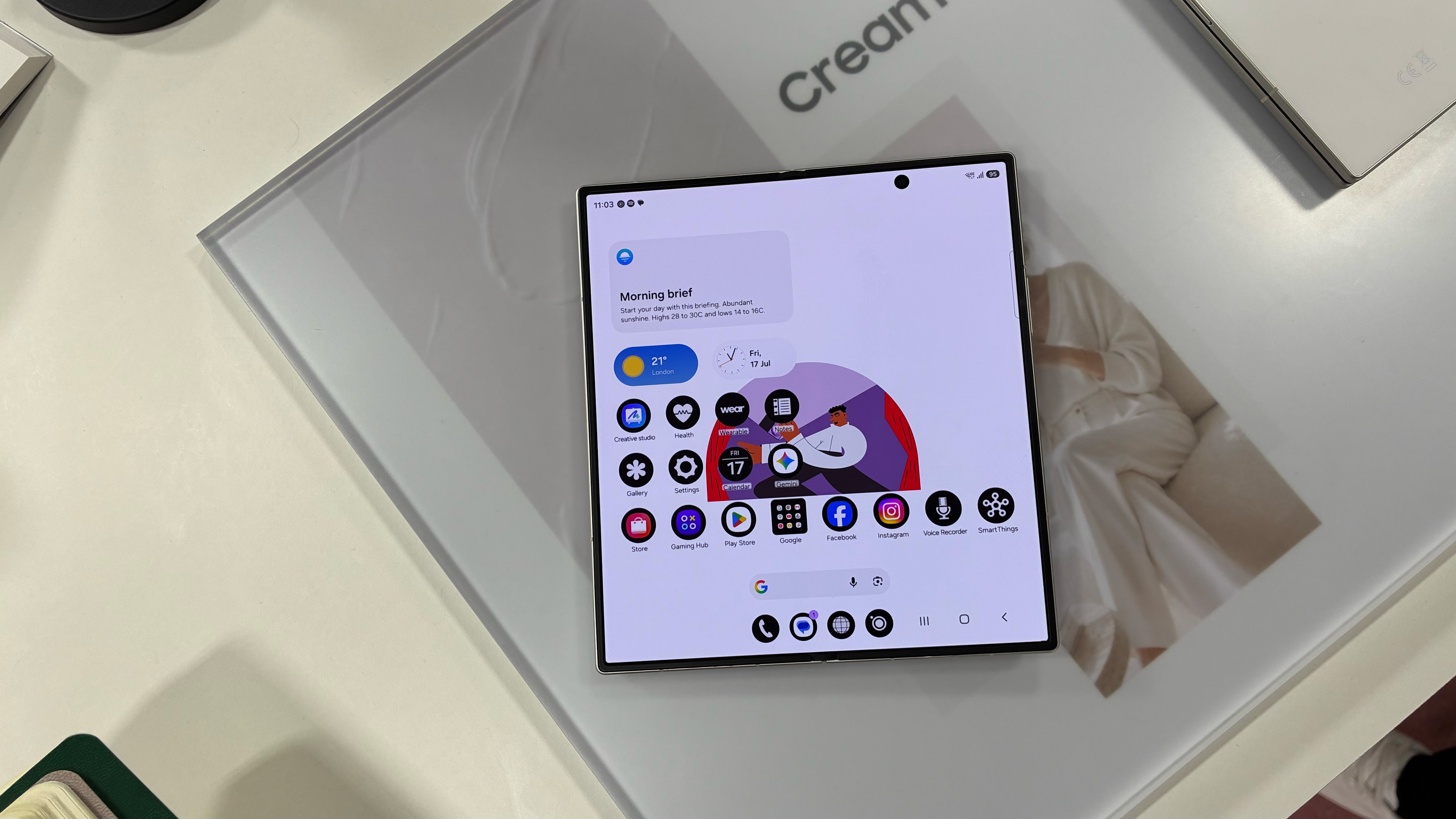
The introduction of the "Ultra" model and the square redesign of the standard Fold 8 suggest that Samsung is no longer content with incremental updates. By diversifying the Fold lineup into two distinct shapes and price points, Samsung is attempting to capture both the "power user" market (with the Ultra) and the "content consumer" market (with the standard Fold).
Industry analysts suggest that the move to titanium and the focus on AI are essential for maintaining the premium status of the Fold series. As the hardware of smartphones reaches a plateau, software-driven differentiation through on-device AI is becoming the new battleground for consumer loyalty.
Impact on the Enterprise Sector
For business users and IT decision-makers, the Z Fold 8 Ultra presents a compelling case for mobile productivity. The 8-inch main display, combined with the Snapdragon Elite 8’s NPU capabilities, positions the device as a legitimate laptop alternative for field workers and executives. The ability to run multiple apps in a 4:3 or side-by-side configuration, supported by AI-driven nudges for scheduling and data retrieval, addresses the needs of a mobile-first workforce.
Samsung’s focus on durability through the titanium structure also addresses one of the primary concerns of enterprise procurement: the longevity and "total cost of ownership" of foldable devices. With increased resistance to mechanical failure and a more robust screen assembly, the Z Fold 8 series is likely to see higher adoption rates in corporate environments where reliability is paramount.
As Samsung prepares for the global rollout of these devices, the focus will shift to how well "Galaxy AI" performs in real-world scenarios. With the Z Fold 8 Ultra, Samsung has proved that it can make a foldable phone as thin and powerful as any traditional flagship; the next challenge will be convincing the broader market that the era of the "AI-powered foldable" has truly arrived.