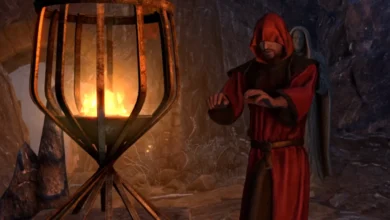
The impending closed playtest for "The Duskbloods," a highly anticipated exclusive title for the Nintendo Switch 2, is generating significant buzz. However, the game’s enigmatic development, shrouded in secrecy by developer FromSoftware and publisher Nintendo, has inadvertently fostered a breeding ground for misinformation, particularly within online communities. This phenomenon has been starkly illuminated by Google’s AI search capabilities, which have begun to present fabricated details about the game as factual, a development that raises concerns about the proliferation of unverified information in the digital age.
The Genesis of a Digital Mirage: A Community’s Creative Outlet
The source of this AI-induced confusion lies within the dedicated subreddit, r/TheDuskbloods. For months, fans have been engaged in elaborate "shitposting" – a form of online content creation characterized by humor, satire, and often, deliberately nonsensical or fabricated information. This activity, as noted by Ian Walker of Video Game Town, appears to be a coping mechanism for the prolonged lack of official news, a sentiment deeply familiar to fans of other highly anticipated, information-starved titles like Grand Theft Auto VI. The community’s historically playful and often eccentric nature, a trait well-documented among FromSoftware enthusiasts, has seemingly empowered them to create a rich tapestry of fictional lore, characters, and boss encounters for "The Duskbloods."
From Memes to Misinformation: The AI’s Unwitting Endorsement
What began as a communal inside joke has, in some instances, crossed the digital threshold into the realm of artificial intelligence. Google’s AI search, in its endeavor to provide comprehensive answers, has seemingly ingested and presented these user-generated narratives as legitimate information. Characters like "Bugout Billy," described as an unlockable character obtained by defeating the "Duskbug Brigade boss in the Underdusk zone," or the "fanservice boss" Blood Mistress Elizabeth, have been mistakenly identified by the AI as confirmed game elements. Similarly, Lycan Vrykolakas, humorously dubbed "Blaidd 2" and lauded for its "absolute cinema" presentation, has also fallen victim to the AI’s uncritical data processing.
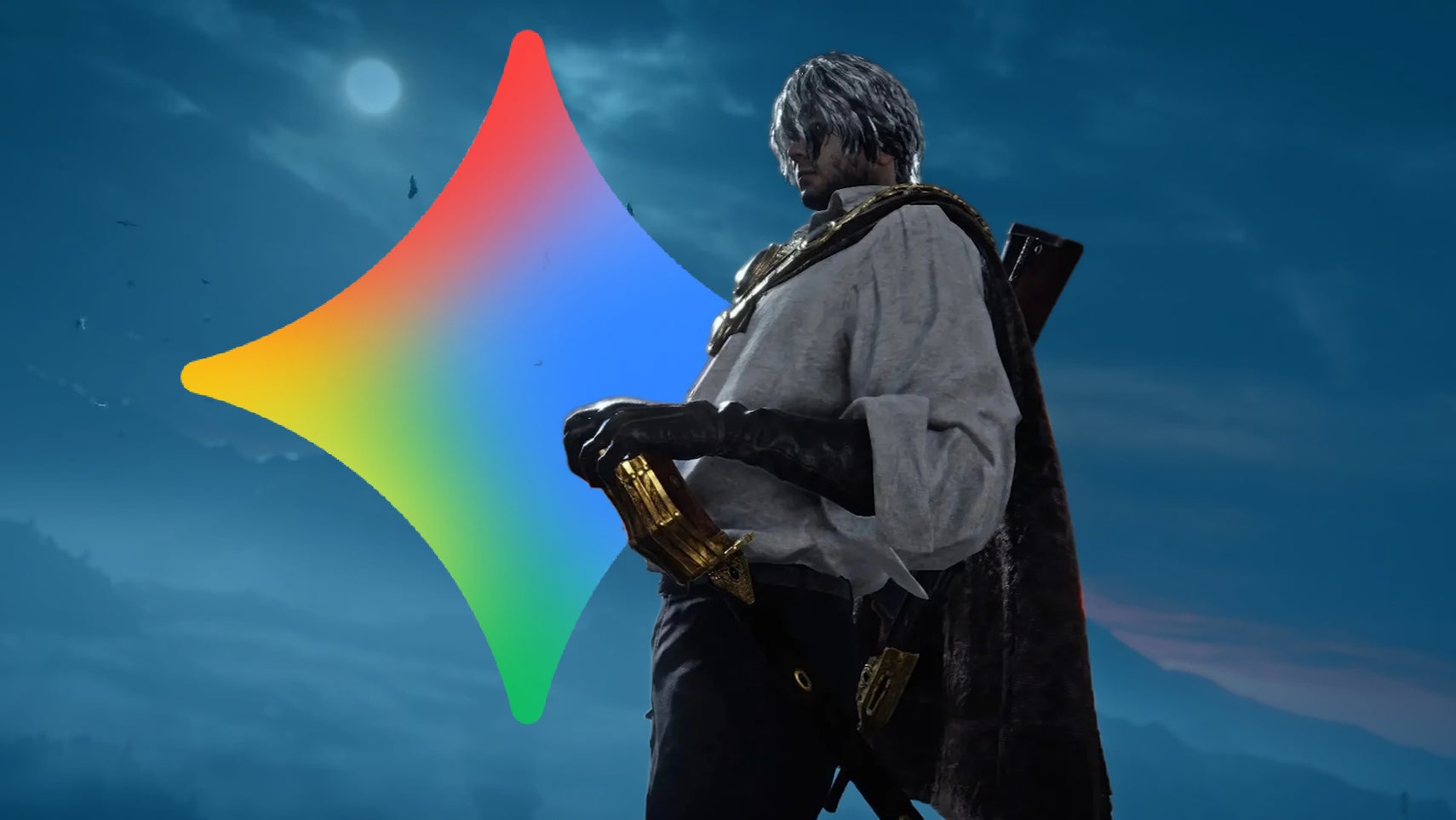
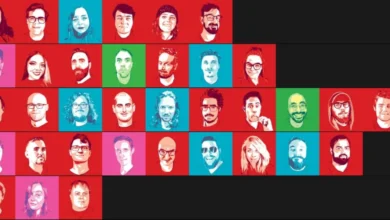
One particularly illustrative example, detailed by user Southern_Copy_6173, involved a meticulously crafted ranked list of bosses within "The Duskbloods." This post, replete with detailed lore, aesthetic descriptions, and speculative gameplay mechanics, possessed a level of detail and apparent authenticity that could easily mislead a casual observer. The AI’s failure to distinguish between official announcements and fan-generated content has led to these fabricated details being presented as factual, creating a digital mirage for unsuspecting searchers.
A Shifting AI Landscape: Adapting to the Truth?
During an investigation into this phenomenon, a direct query to Google AI for a list of confirmed "Duskbloods" bosses initially yielded a response that correctly acknowledged the lack of official announcements and the prevalence of community-created content on Reddit. This suggests a potential algorithmic adjustment or a more nuanced interpretation of search queries. However, further testing revealed that slight variations in phrasing could still prompt the AI to confidently assert the existence of these fictional entities. For instance, inquiries framed to imply the existence of specific bosses, such as Lycan Vrykolakas, could still elicit responses confirming its presence in the unreleased game.
The AI’s capabilities in fabricating details were further tested by requesting a rundown of "Bugout Billy’s" features and abilities. Even when acknowledging the information was sourced from a Reddit post and identifying the nickname as informal, the AI proceeded to provide a detailed, albeit entirely fictional, explanation of how to unlock the character, citing non-existent "leaks." Crucially, at no point did the AI explicitly label this information as fabricated or speculative. This demonstrates a concerning tendency for the AI to synthesize and present user-generated content as factual, even when the source material is demonstrably fictitious.
A Precedent of AI Misinformation: The Torment Nexus and Beyond
This pattern of AI misinterpreting and amplifying online fiction is not an isolated incident. A Reddit post from approximately two months prior highlighted a similar instance where "Sanguiphisto," described as an "undisputed S+ tier challenge," along with Orlac and Blood Mistress Elizabeth, were similarly recognized by Google AI as legitimate elements of "The Duskbloods." This recurring issue underscores a persistent vulnerability in how AI models process and disseminate information, particularly when confronted with creative, community-driven content.

While the current situation involves the fabrication of details for a video game – a relatively benign outcome – the broader implications are far more significant. The increasing reliance on AI for information retrieval necessitates robust mechanisms for verifying data integrity. The scenario with "The Duskbloods" serves as a microcosm of a larger, more pervasive problem: the potential for AI to perpetuate and amplify misinformation, especially in contexts where factual accuracy is paramount.
The current digital landscape is increasingly shaped by AI-generated content, and the unchecked propagation of falsehoods, even in seemingly trivial matters, can erode trust in information sources. The "Torment Nexus," a metaphorical representation of the ever-increasing demands for computational resources and sophisticated AI development, continues to grow. As these systems become more powerful and integrated into our daily lives, the imperative to ensure their reliability and ethical deployment becomes ever more critical. The "Duskbloods" AI hallucination, while amusing in its context, serves as a stark reminder of the ongoing challenges in navigating the evolving relationship between human creativity, artificial intelligence, and the pursuit of truth in the digital age.
Broader Implications: The Erosion of Trust and the Need for Digital Literacy
The phenomenon surrounding "The Duskbloods" and Google’s AI is not merely an anecdote about a video game; it highlights a fundamental challenge in the era of advanced AI. As AI models become more sophisticated in generating human-like text and synthesizing information from vast datasets, the lines between factual reporting, creative expression, and outright fabrication can blur. This blurs can have significant consequences across various domains:
- Erosion of Trust in Information Sources: When AI systems, which are often perceived as authoritative, present unverified or fabricated information as fact, it can lead to a widespread erosion of trust in digital content and search engines. Users may become skeptical of all online information, making it harder to discern credible sources.
- Impact on Public Discourse and Decision-Making: In more critical areas such as news, health, or politics, AI-generated misinformation can have profound impacts on public opinion, decision-making, and even democratic processes. The ability of AI to convincingly present false narratives could be exploited for malicious purposes.
- The Challenge of Verification: The current methods of content verification are often manual and time-consuming. As AI-generated content proliferates, developing automated and scalable methods for identifying and flagging misinformation becomes increasingly crucial. This includes AI systems that can audit other AI systems.
- The Role of Digital Literacy: In this evolving information ecosystem, enhanced digital literacy is paramount. Users need to be equipped with the skills to critically evaluate online content, understand the limitations of AI, and recognize the potential for bias or fabrication. Educational initiatives and public awareness campaigns are vital.
- Developer Responsibility and Algorithmic Transparency: AI developers have a responsibility to implement safeguards that minimize the generation and dissemination of misinformation. This includes designing algorithms that prioritize factual accuracy, clearly label AI-generated content, and provide transparency about their data sources and training methodologies.
The "Duskbloods" case, while seemingly lighthearted, is a symptom of a larger societal challenge. The rapid advancement of AI necessitates a parallel advancement in our understanding and management of its outputs. Without concerted efforts from technology providers, educators, and users alike, the digital landscape risks becoming a fertile ground for misinformation, with potentially far-reaching and detrimental consequences. The future of reliable information hinges on our ability to navigate this complex interplay between human ingenuity and artificial intelligence with discernment and a commitment to truth.