Win one of two DWARFLAB Dwarf Mini smart telescopes for free by becoming a Space+ member!


Stargazing enthusiasts seeking alternatives to traditional seasonal shopping promotions now have the opportunity to secure advanced astrophotography equipment at no cost. Space.com has launched its inaugural member-exclusive prize draw, offering participants the chance to win one of two DWARFLAB Dwarf Mini smart telescopes. The giveaway is tied to Space+, a free digital membership program designed to deliver curated space news, celestial event calendars, and specialized equipment reviews to amateur astronomers and cosmic enthusiasts.
The promotional campaign officially opened in late 2024 alongside standard holiday retail events and will run through January 4, 2027. Open exclusively to residents of the United States, the contest requires only a valid email address and registration for the Space+ membership to secure an entry. By removing financial barriers to entry, the initiative aims to expand accessibility to modern astronomy tools, which have traditionally carried high cost barriers for entry-level hobbyists.

Evolution of Smart Telescopes and the DWARFLAB Dwarf Mini
The instrument featured in the giveaway represents a significant technological shift in amateur astronomy. For decades, capturing deep-space objects—such as nebulae, distant galaxies, and star clusters—required complex equatorial mounts, manual polar alignment, specialized cameras, and extensive image-stacking software. The advent of smart telescopes over the past five years has fundamentally transformed this process by automating alignment, tracking, and image processing through onboard computers and companion smartphone applications.
Among the newest releases evaluated by industry experts, the DWARFLAB Dwarf Mini has quickly garnered attention for its compact proportions. Weighing significantly less than traditional setups and featuring a pocket-sized form factor, the device addresses one of the primary deterrents for casual stargazers: portability. In comprehensive evaluations conducted by technical reviewers at Space.com, the Dwarf Mini earned a strong four-out-of-five-star rating. Reviewers highlighted its user-friendly interface, rapid setup times, and surprisingly robust imaging capabilities for such a diminutive chassis.
Despite its compact build, the smart telescope is capable of capturing a diverse array of celestial phenomena. Beyond deep-sky targets like the Beehive Cluster and neighboring galaxies, the device handles lunar photography with ease. Additionally, the inclusion of a specialized solar mode allows users to safely image the sun during daylight hours, provided appropriate solar filters are utilized. This versatility makes the hardware suitable for both nocturnal astronomy sessions and daytime solar observation, appealing to a broad demographic of science enthusiasts.

Chronology and Giveaway Parameters
The launch of the DWARFLAB Dwarf Mini prize draw marks a strategic milestone for Space.com as it expands its community engagement framework.
- Late 2024: Space.com introduces Space+, establishing a centralized hub for free membership benefits, expert gear roundups, and targeted skywatching guides.
- December 2024 to January 2027: The registration window for the inaugural Dwarflab Dwarf Mini giveaway remains active, allowing U.S.-based participants to enroll.
- January 4, 2027: The submission period closes, after which two winning entries will be drawn at random in accordance with official competition terms and conditions.
- Post-2027: Organizers plan to utilize the infrastructure established by this campaign to roll out subsequent quarterly or annual equipment giveaways for Space+ members.
The decision to limit the initial contest to United States residents aligns with international shipping regulations, customs compliance, and regional promotional laws governing sweepstakes of this scale. Participants must ensure they meet all eligibility criteria outlined on the official Space+ membership portal before submitting their registration details.
Industry Implications and the Rise of Consumer Astrophotography
The growing popularity of automated optics reflects a broader democratization of observational science. Historically, amateur astronomy required a steep learning curve that discouraged many beginners from progressing beyond casual naked-eye stargazing or basic binoculars. The integration of artificial intelligence for image stacking, automated star-field recognition (plate solving), and Wi-Fi-enabled control panels has lowered the technical threshold required to produce high-quality astrophotographs.
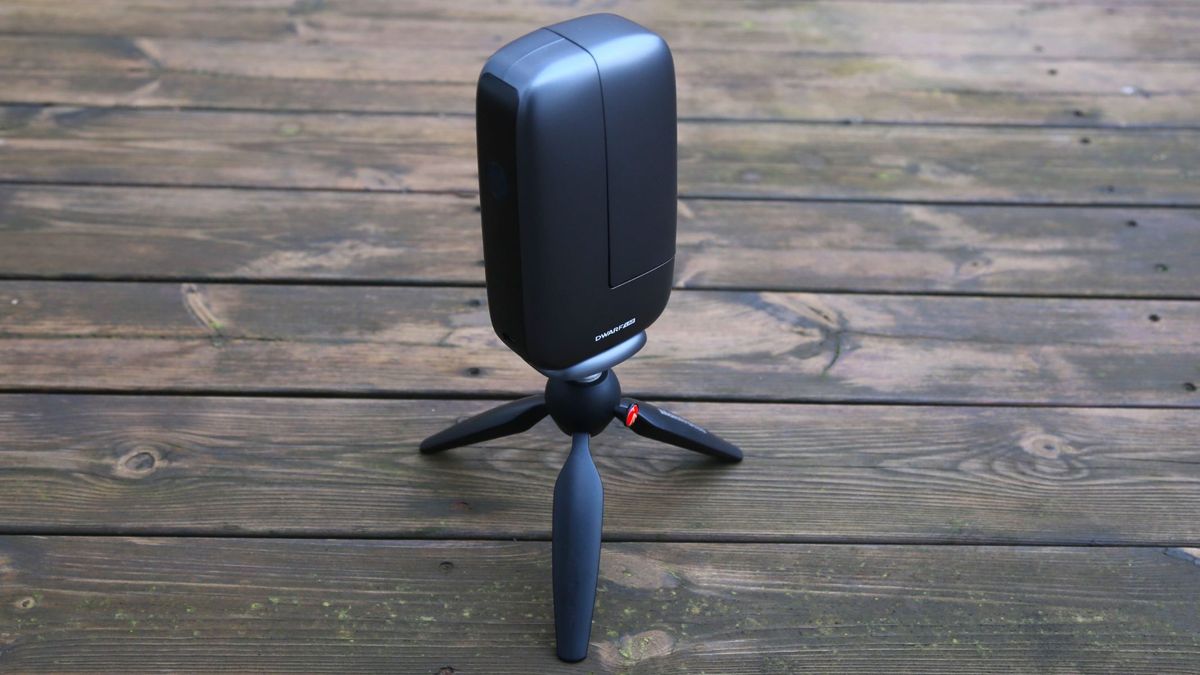
Market analysts note that products like the DWARFLAB Dwarf Mini bridge the gap between consumer electronics and traditional scientific instrumentation. By packaging powerful sensors and tracking mechanisms into ultra-portable housings, manufacturers are capturing a demographic of urban and suburban astronomers who frequently travel to dark-sky locations to escape light pollution. Haunting large, heavy Dobsonian reflectors or equatorial mounts is no longer a mandatory prerequisite for capturing distant starlight.
Furthermore, membership models tied to niche hobbyist publications—such as Space+—demonstrate an evolving digital media strategy. Rather than relying solely on traditional advertising revenue or paywalled journalism, publishers are building direct-to-consumer communities by offering tangible value through exclusive access, specialized content, and hardware incentives. This symbiotic relationship connects tech manufacturers directly with highly targeted consumer bases while rewarding loyal readerships with high-value gear.
Broader Impact on STEM Education and Public Engagement
The accessibility of smart telescopes extends beyond recreational hobbies, carrying positive implications for science, technology, engineering, and mathematics (STEM) education. Schools, community science groups, and youth programs often struggle with budget constraints that preclude the purchase of professional-grade observatory equipment. Compact, automated smart telescopes offer an affordable and manageable alternative for educators seeking to introduce students to practical astronomy.

When students or amateur observers can view live-stacked images of a galaxy’s spiral arms or structured sunspots on a tablet screen within minutes of setting up equipment, engagement levels rise significantly compared to traditional eyepiece viewing, which can often yield faint, monochromatic smudges to untrained eyes. Initiatives that place these tools directly into the hands of the public—such as the Space+ prize draw—serve to foster a deeper appreciation for space science and observational research.
As the January 4, 2027 closing date approaches, interest in the DWARFLAB Dwarf Mini giveaway continues to grow among digital subscribers. Industry observers anticipate that the success of this campaign will prompt other scientific and technological publishers to adopt similar community-building strategies, ultimately expanding the reach of modern astronomical tools to wider audiences across the globe.