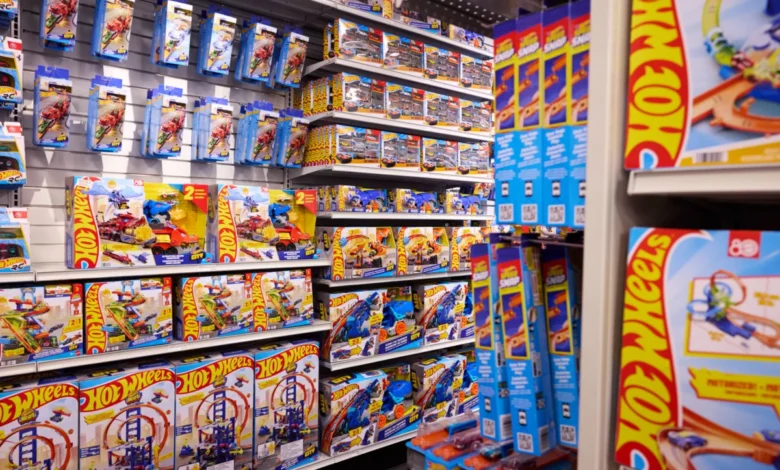
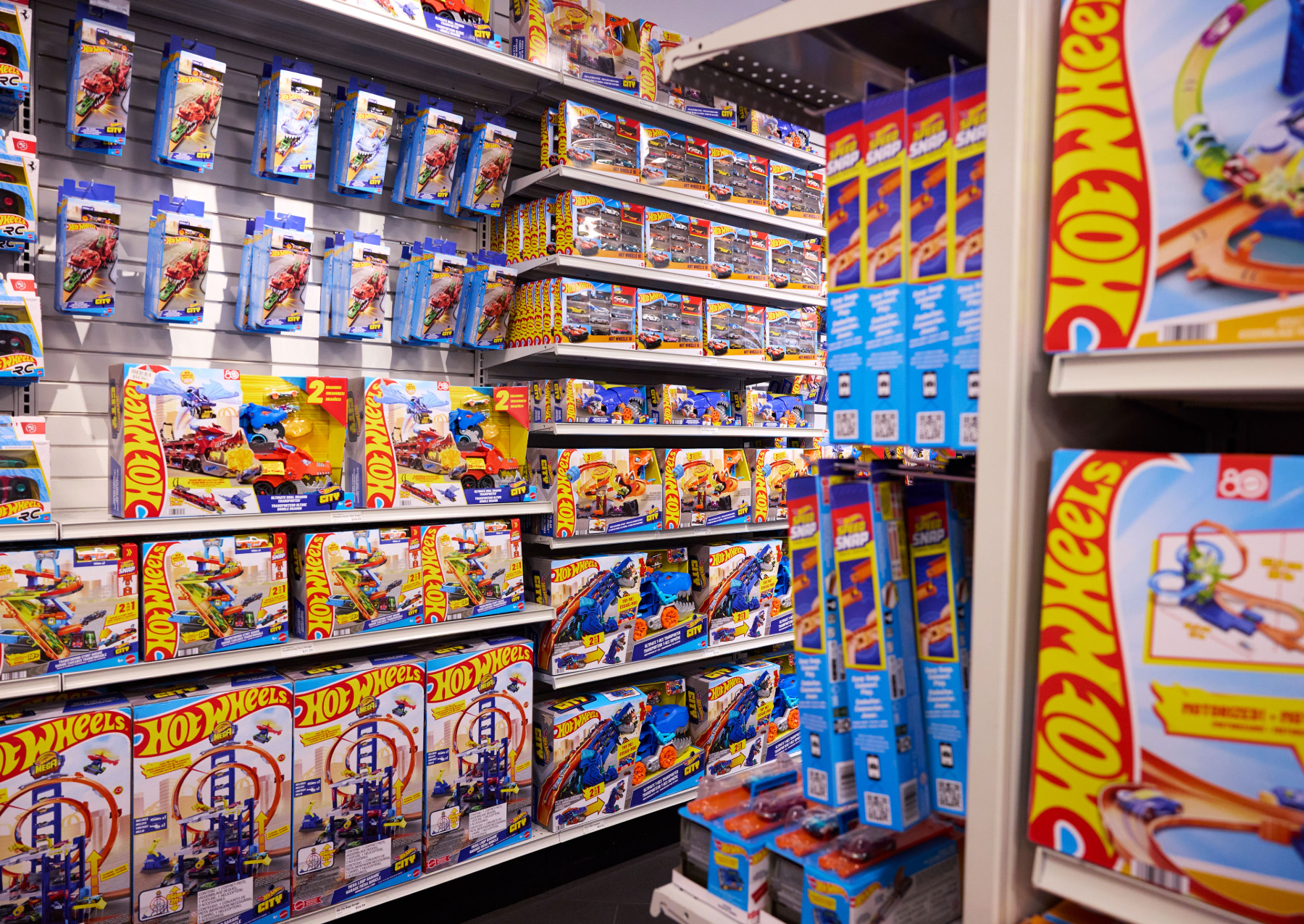
Hidden away on a nondescript stretch of road in El Segundo, California, lies the Handler Team Center, a 200,000-square-foot facility that serves as the nerve center for one of the most recognizable toy brands in global history. Once an aerospace engineering hub, the building has been transformed into a sprawling ecosystem of creativity that houses the Hot Wheels Design Center. This facility functions as a hybrid between a high-tech automotive studio, a museum of pop culture, and a laboratory for experimental engineering, where the constraints of the real world are applied to the physics-defying possibilities of die-cast metal.
The facility’s lobby acts as a physical timeline of the brand’s history, featuring a mural of co-founders Elliot and Ruth Handler and a rotating display of iconic playsets that have defined childhoods since the brand’s inception in 1968. Central to the space is the Epic Loop, an eleven-foot-tall structure that serves as both an interactive art installation and a stress test for design prototypes. The track allows visitors to simulate the high-stakes racing environment that fans have replicated on living room floors for over five decades. While a standard Hot Wheels vehicle is roughly 1:64 scale, the speed at which these cars traverse the tracks—equivalent to roughly 297 mph at full scale—highlights the intense focus on weight distribution, aerodynamics, and structural integrity that goes into every model produced by Mattel.
The Evolution of Die-Cast Design
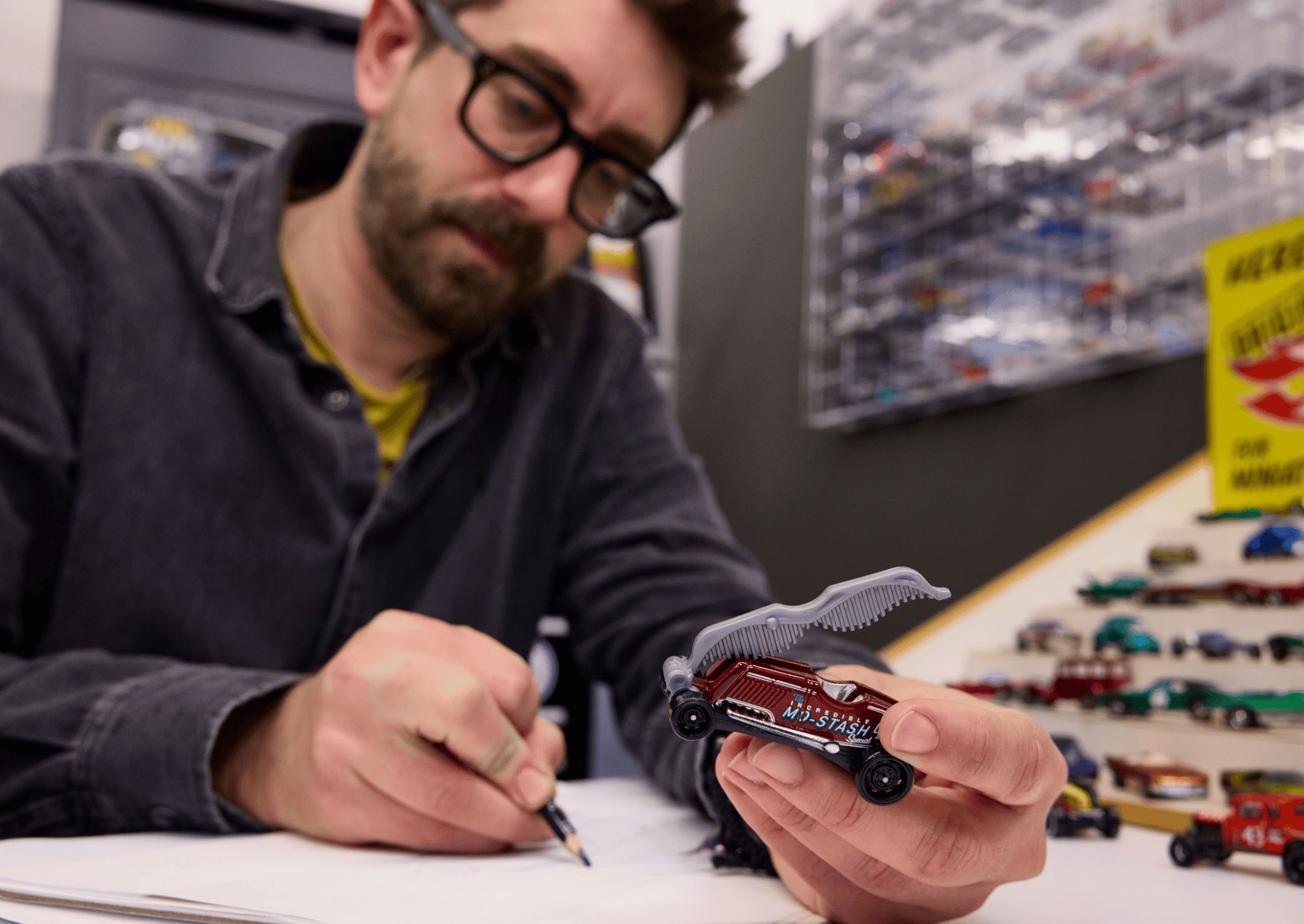
The design process at the Handler Team Center is a meticulous marriage of artistic vision and manufacturing feasibility. The design team, which operates within a communal, open-plan workspace dubbed "the ring," utilizes a mix of traditional sketching and cutting-edge digital software. The cubicles, marked by light-blocking hoods, are designed to minimize external distractions, allowing designers to focus on the intricate geometry of a vehicle that must remain functional, durable, and aesthetically compelling at a scale of just a few inches.
The workflow is driven by the Initial Concept Review (ICR) process, a critical phase in the production cycle where designers must reconcile creative ambition with the realities of the manufacturing timeline. Because Hot Wheels operates on a strict release schedule, designers often face significant time pressures. For senior product designers like Dwayne Vance, this environment is not a hindrance but a catalyst. Vance, whose professional background spans across DC Comics and EA Games, views the pressure of the design cycle as a necessary component of the "wild" creative ethos that defines the brand.
Case Study: The 2023 Custom ’68 Camaro Reboot
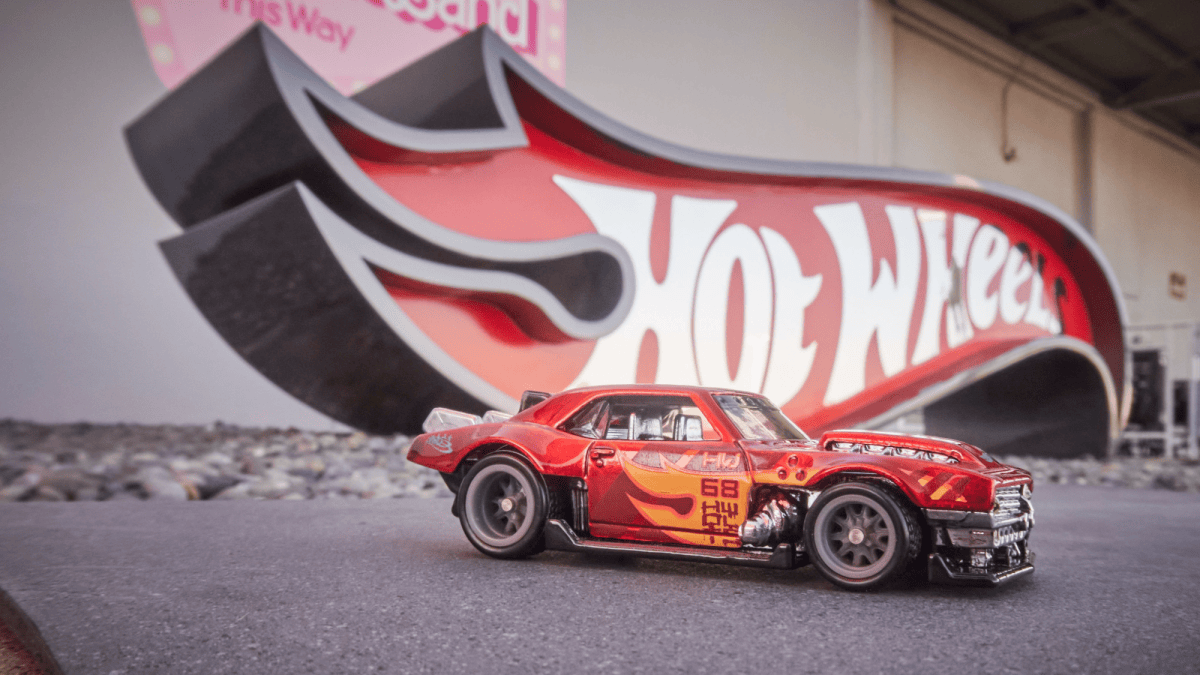
A prime example of the design philosophy at play is the 2023 reboot of the Custom ’68 Camaro. When tasked with refreshing a classic model, the team sought to bridge the gap between vintage automotive history and contemporary custom car culture. The project involved a deep analysis of modern performance modifications, including engine swaps and suspension overhauls common in the aftermarket scene.
Drawing inspiration from high-end builders such as Hoonigan, designers opted for an aggressive, stripped-down aesthetic. The redesign included exposing the exhaust system, removing the front bumper to showcase the car’s internal frame, and incorporating vertical fins inspired by Le Mans Prototype (LMP) endurance racers. These design choices were not merely stylistic; they were intended to evoke the mechanical complexity of real-world performance vehicles while maintaining the specific "Hot Wheels" identity that fans expect. The process required balancing the desire for extreme customization with the need for brand recognizability—a constant tug-of-war for the design team.
Technical Specifications and Creative Methodology
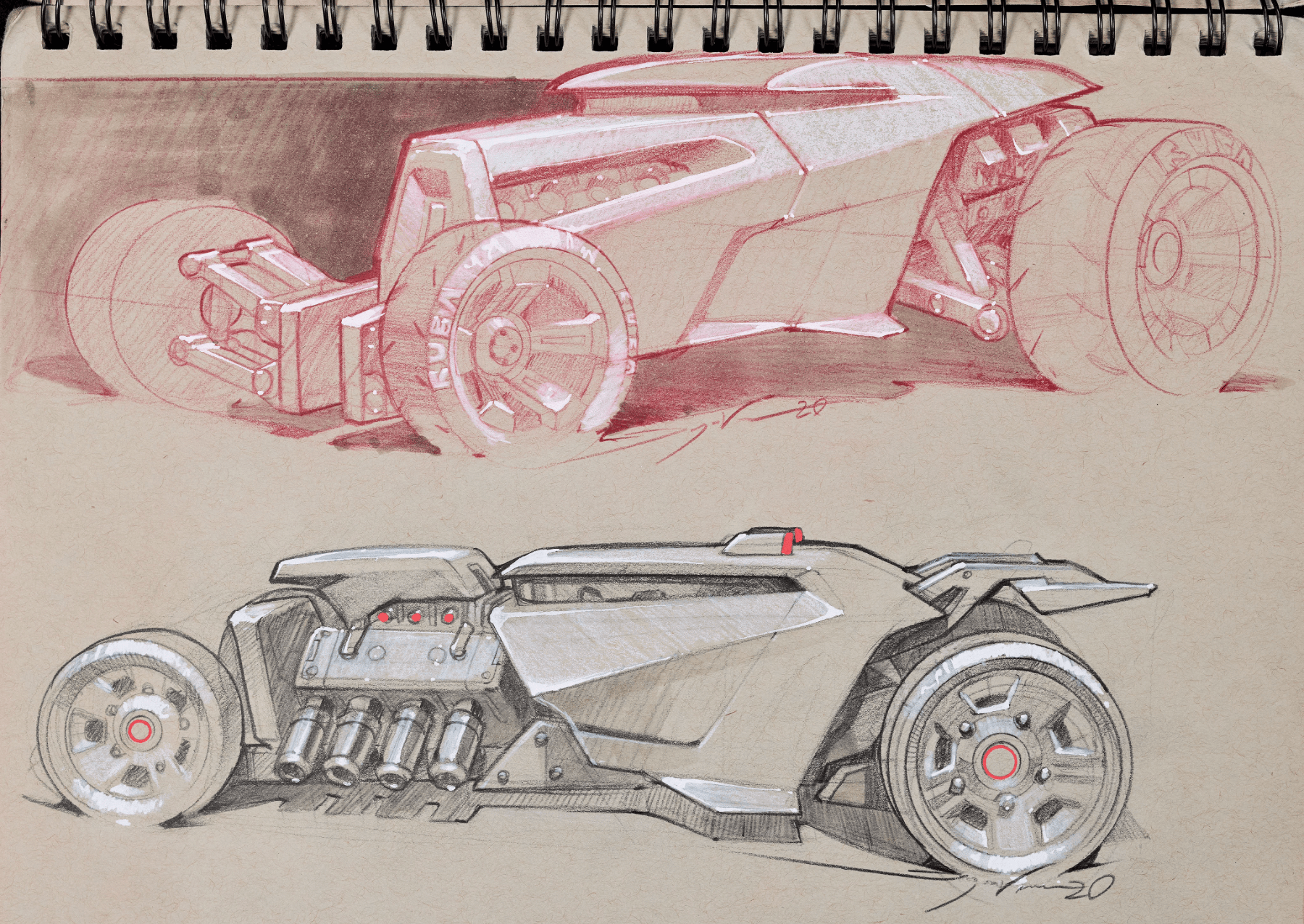
The shift toward digital integration has fundamentally changed how these vehicles are conceived. Designers like Vance often bypass physical paper, choosing instead to sketch directly onto high-resolution monitors using software that mimics traditional drafting. This digital-first approach allows for rapid iteration, enabling the team to test variations in wheelbase, stance, and body styling without the delay of creating physical clay models in the earliest stages of development.
However, the "muse" for these designs remains analog. Sketches often emerge during travel or in moments of downtime, later being digitized and integrated into the design queue. This duality—the high-tech digital rendering paired with the spontaneous, tactile nature of a designer’s sketchbook—is the cornerstone of the Mattel design language. The use of deep-house music and other auditory stimuli within the "ring" is a documented part of the office culture, aimed at maintaining a steady flow of creative output throughout the long hours required to finalize a year’s lineup.
The Collector’s Market and Brand Legacy
Beyond the play value for children, the Hot Wheels brand has cultivated one of the most dedicated collector communities in the toy industry. For the 2026 Custom ’68 Camaro, the design team specifically shifted their perspective from "racer" to "collector." This meant prioritizing aesthetic details that signify premium value: Spectraflame paint, specific race-era wheel archetypes, and branding that highlights the 1968 founding year.
The implication for Mattel is clear: the brand must cater to two distinct audiences. The first is the younger demographic, which prioritizes performance on the track, speed, and durability during crashes. The second is the adult collector, who prioritizes historical accuracy, limited-edition finishes, and the provenance of the design. By layering these needs—creating a car that is both a high-performance toy and a miniature automotive sculpture—the designers ensure the longevity of the brand across generations.
Broader Impact and Industry Context
The existence of the Handler Team Center reflects a broader trend in the toy industry: the professionalization of toy design to match the sophistication of the industries they replicate. As automotive design becomes increasingly complex with the advent of electric and autonomous vehicles, toy manufacturers must keep pace. The integration of "real-world" engineering logic—such as understanding how an LS1 Corvette engine fits into a Mustang chassis—adds a layer of educational value to the play experience, subtly teaching children and collectors alike about the mechanical underpinnings of automotive performance.
Furthermore, the facility acts as a research and development hub for the broader toy industry. By maintaining a space that encourages "wild" ideas and rapid prototyping, Mattel has successfully navigated shifts in consumer trends that have seen other legacy toy brands struggle. The ability to pivot quickly during the ICR phase and the focus on fostering a workspace that encourages both collaborative brainstorming and individual focus has kept Hot Wheels at the top of the die-cast market for over 50 years.
As the industry moves toward 2026 and beyond, the challenges for the design team will likely center on sustainability and the incorporation of new materials. However, the core philosophy—that a toy car should be a piece of art that challenges the limits of its scale—remains the guiding principle. The work produced in the El Segundo facility is not just about manufacturing a product; it is about sustaining a cultural phenomenon that bridges the gap between the dream of the open road and the reality of a desk-top track.
The ongoing documentation of these processes, as highlighted in "HOT WHEELS: THE CREATIVE DRIVE," serves as an institutional record of a design culture that prioritizes experimentation. Whether it is through the meticulous rendering of a classic muscle car or the physics-based testing of a new stunt track, the team at Mattel continues to define the intersection of play and engineering, ensuring that the "creative drive" of the brand remains as potent as the day the first die-cast car left the factory floor.