Beats Solo Buds Drop to £39 in Major EE Sale Delivering Unprecedented Value for Portable Audio Enthusiasts

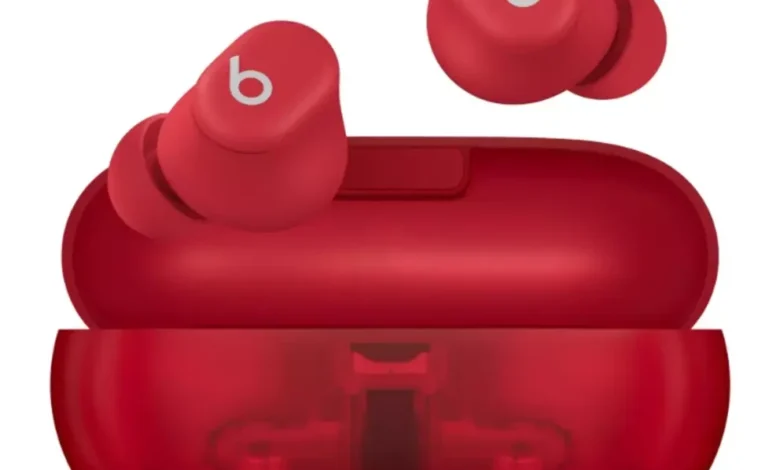
Wireless audio technology has advanced significantly over the past decade, transitioning from bulky over-ear accessories to streamlined, pocket-sized earbuds designed for maximum portability. Among the recent developments in the sub-£100 audio market, promotional discounts have made high-performance personal audio more accessible to consumers. A notable retail development has emerged via a promotional campaign from EE, which has slashed the price of the Beats Solo Buds from £79 down to £39. This price reduction highlights shifting market strategies among major consumer electronics manufacturers aiming to capture budget-conscious mobile device users.
Main Facts of the EE Promotional Campaign
The recent price cut halves the retail cost of the Beats Solo Buds, positioning them aggressively against competitors in the entry-level wireless earbud sector. Unlike standard wireless earbuds that rely on bulky charging cases equipped with internal batteries, the Beats Solo Buds feature a sophisticated internal architecture. Each individual earbud packs up to 18 hours of continuous audio playback on a single charge.
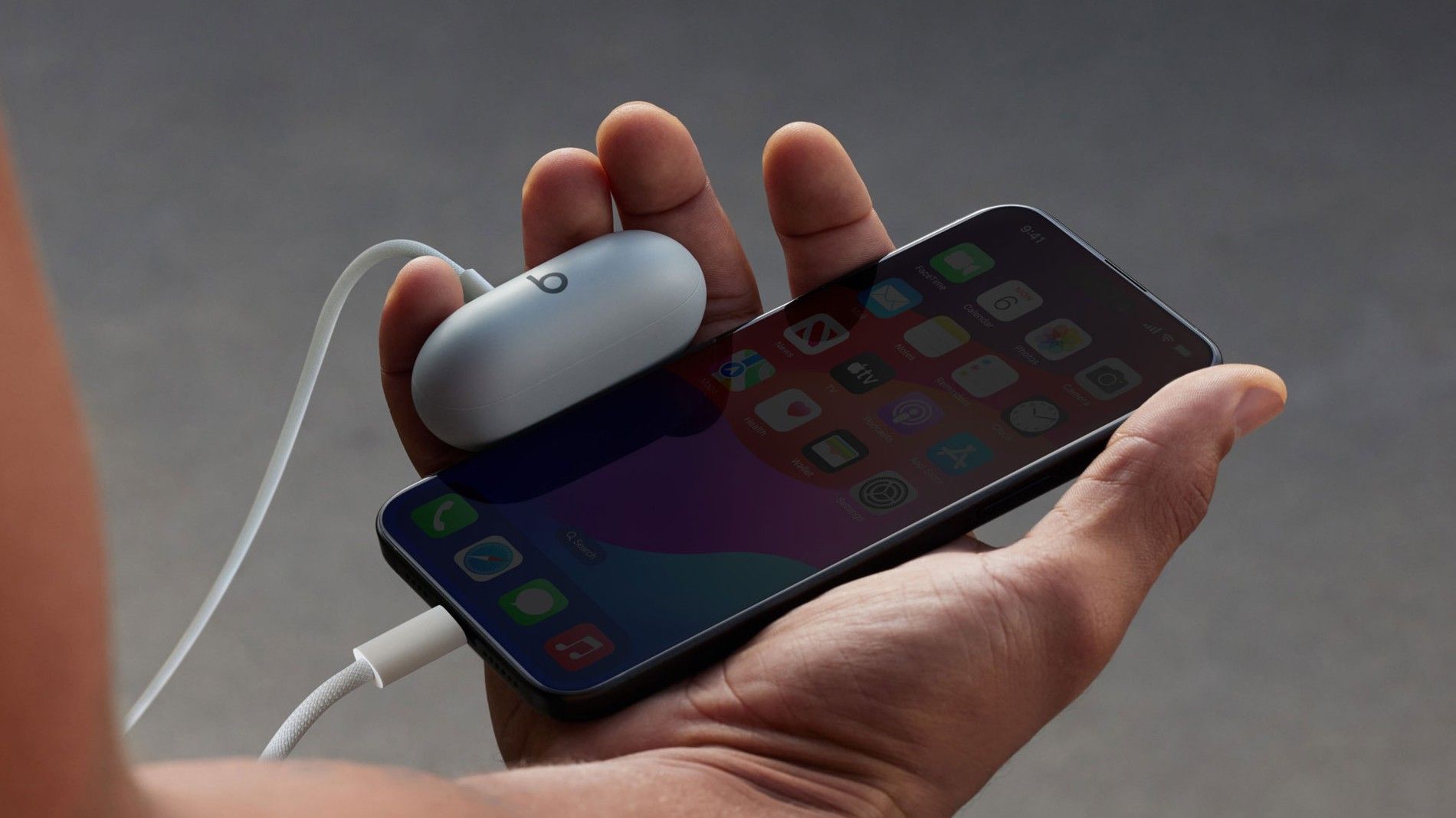
Additionally, the hardware incorporates Apple’s Fast Fuel quick-charging technology. This functionality allows users to connect the earbuds directly to a compatible smartphone charging port via a cable for a brief period, yielding approximately one hour of playback time from a single minute of charging. Despite being an Apple-owned brand, the Beats Solo Buds maintain cross-ecosystem compatibility, offering native support for Google Fast Pair and a dedicated Android companion app alongside seamless integration within the Apple ecosystem.
Chronology and Evolution of Beats by Dre Within the Portable Audio Market
Founded in 2006 by music producer Jimmy Iovine and rapper Dr. Dre, Beats Electronics initially specialized in high-end, bass-forward over-ear headphones that revolutionized lifestyle audio marketing. The brand established cultural dominance through strategic partnerships with athletes, musicians, and pop culture figures.
In July 2014, Apple acquired Beats Electronics and Beats Music for $3 billion, integrating the brand’s hardware engineering and streaming infrastructure into its broader product ecosystem. Following the acquisition, Beats transitioned from producing predominantly large-format headphones to engineering wireless earbuds, such as the Beats Studio Buds and Powerbeats Pro, which bridged the design gap between Apple’s AirPods and mainstream Android-compatible accessories.
The introduction of the Beats Solo Buds represents the brand’s continued evolution toward extreme miniaturization. By eliminating the battery from the carrying case—a standard industry practice that typically increases the physical footprint of portable audio accessories—Beats engineered an ultra-compact form factor tailored for urban commuters and minimalists. The rollout of seasonal retail promotions, such as the current EE discount, underscores the cyclical nature of tech retail pricing, where mid-cycle markdowns are deployed to sustain sales momentum ahead of new hardware generation launches.
Supporting Data and Technical Specifications
When evaluating the technical merit of the Beats Solo Buds within the £39 to £79 price bracket, hardware specifications reveal distinct engineering choices. Each earbud features a custom acoustic architecture designed to deliver the signature Beats sound profile, which traditionally emphasizes energetic bass response and prominent mid-range frequencies.
Battery performance metrics indicate that the absence of a powered charging case shifts the recharging responsibility directly to the user’s mobile device or power bank. While traditional wireless earbuds utilize their cases to accumulate multiple full charges—often pushing total listening time past 24 hours—the Solo Buds provide a standalone 18-hour continuous runtime. For consumers who frequently access power sources throughout the day, the Fast Fuel mechanism mitigates battery anxiety by utilizing USB-C connectivity to draw power directly from smartphones, tablets, or portable batteries.
Market Analysis and Ecosystem Compatibility
Historically, consumer electronics ecosystems heavily incentivized brand loyalty, often penalizing users who crossed platform boundaries. However, contemporary market data indicates that accessory manufacturers increasingly prioritize cross-platform compatibility to maximize total addressable market size.
The Beats Solo Buds exemplify this strategic shift. Although engineered under the corporate umbrella of Apple Inc., the hardware fully incorporates Google Fast Pair technology, allowing Android and ChromeOS users to pair the devices instantly via proximity detection. Furthermore, Android users retain granular control over firmware updates, battery indicators, and custom control assignments through the dedicated Beats companion app available on the Google Play Store.
This platform-agnostic approach serves a dual commercial purpose. For Apple users, the earbuds offer an alternative form factor to standard AirPods without sacrificing pairing convenience. For Android users, the device bridges the gap between Apple-associated hardware and non-iOS mobile operating systems, mitigating platform lock-in concerns.
Consumer Recommendations and Buying Considerations
Industry analysts and consumer advocacy reviews suggest that purchasing decisions regarding the Beats Solo Buds should be weighed against individual listening preferences and lifestyle requirements.
Consumers who prioritize extreme portability, minimal pocket footprint, and reliable battery performance without the bulk of a traditional charging case are primary beneficiaries of the current £39 price point. The elimination of the case battery significantly reduces physical volume, making the product ideal for active users, runners, and travelers aiming to minimize luggage weight.
Conversely, audio enthusiasts seeking high-fidelity acoustic reproduction—often characterized by a neutral soundstage, high-resolution audio codec support, and advanced active noise cancellation (ANC)—may find the acoustic profile of the Solo Buds limited. Because the device is engineered primarily for accessibility, energy efficiency, and casual listening, audiophiles seeking reference-grade sound quality are generally advised to explore higher-tier alternatives within the broader audio accessory market.
Broader Industry Implications and Future Outlook
The aggressive discounting of established brand-name audio equipment reflects broader economic pressures and shifting consumer spending habits within the consumer electronics sector. As inflation and cost-of-living considerations influence discretionary spending, manufacturers and telecommunications retailers utilize strategic promotions to stimulate demand for mobile accessories.
The success of compact, non-case-dependent designs like the Beats Solo Buds may also influence future industrial design trends across the portable audio industry. As engineering advancements improve energy density in micro-batteries, manufacturers may increasingly experiment with ultra-lightweight form factors that prioritize spatial efficiency over traditional multi-charge storage cases.
As the retail landscape continues to evolve through seasonal promotional events and competitive carrier pricing, consumers benefit from increased access to premium branding at mid-tier price points. The current availability of the Beats Solo Buds at a fraction of their launch MSRP demonstrates how hardware manufacturing economies of scale and strategic retail partnerships ultimately translate to consumer savings in the global tech marketplace.