Stargazers Prepare for a Spectacular Finale: The 2026 Cold Supermoon Illuminates the Winter Solstice Sky

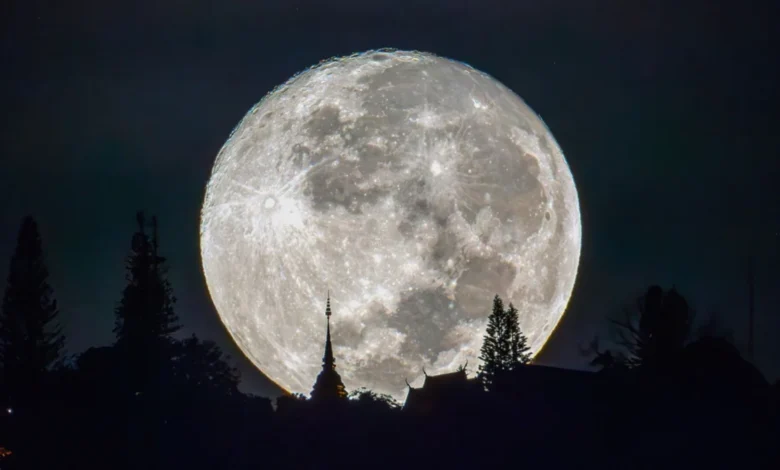
Skywatchers across the globe are preparing for a magnificent celestial display as the final full moon of the year, popularly known as the "Cold Moon," reaches its absolute peak illumination at 8:28 p.m. EST on December 23, 2026, corresponding to 0128 GMT on December 24. Positioning itself directly opposite the sun from the perspective of Earth, this lunar event promises to be more than just a standard monthly phase. Because the peak coincides closely with perigee—the point in the moon’s elliptical orbit when it comes closest to our planet—the event officially qualifies as a supermoon. According to astronomical calculations by the late, renowned astronomer Fred Espenak, this particular Cold Moon will approach within a mere 221,667 miles (356,740 kilometers) of Earth, cementing its status as the closest and most visually striking supermoon of the entire year 2026.
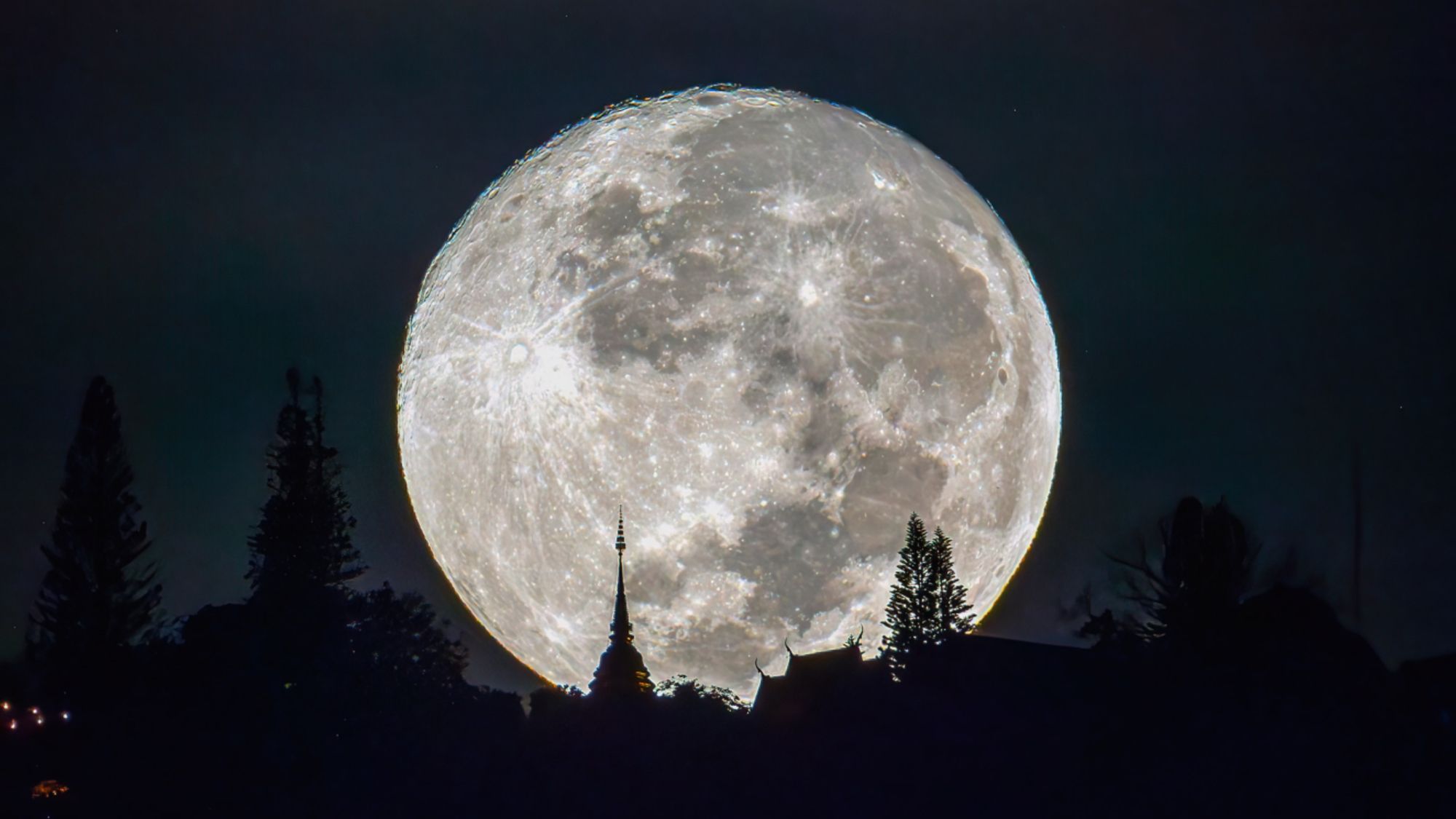
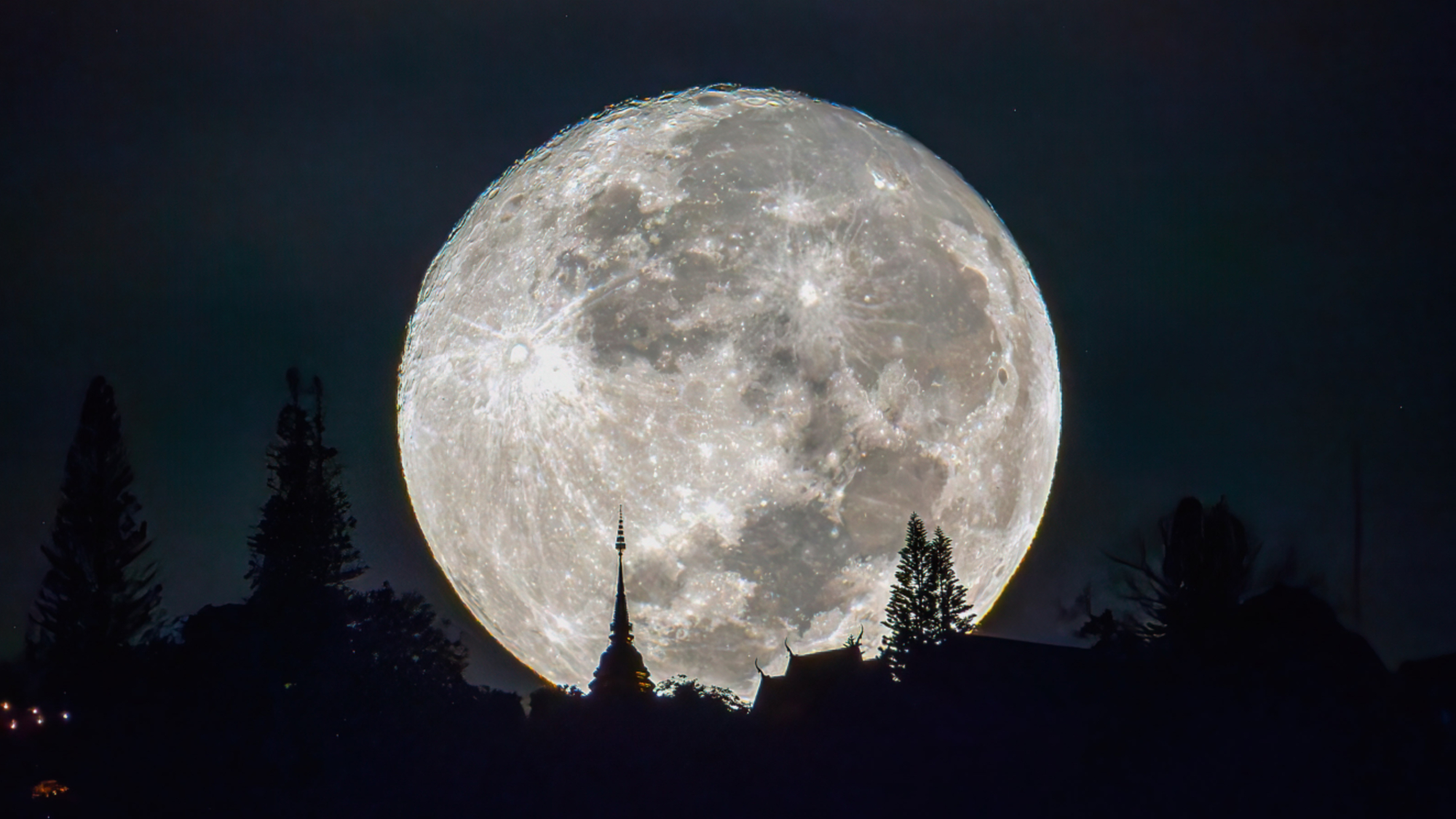
The alignment of a full moon with lunar perigee produces a noticeable visual shift. Observers can expect the lunar disk to appear up to 14% larger and roughly 30% brighter than a full moon occurring at apogee, its farthest point from Earth (often termed a micromoon). While scientific instruments confirm these physical changes in angular size and luminosity, the human eye will also be treated to psychological and atmospheric optical effects that amplify the spectacle. As the moon rises over the eastern horizon at sunset on December 23, it will interact with foreground trees, buildings, and landscapes, triggering the well-documented "moon illusion" and making Earth’s natural satellite look exceptionally massive. Furthermore, atmospheric scattering will paint the rising and setting lunar orb in rich shades of gold and orange, as denser layers of air filter out shorter blue wavelengths while allowing longer red wavelengths to pass through unhindered.
Global Moonrise Timings and Chronology
The exact moment of peak illumination is a universal astronomical marker, but local visibility depends heavily on geography and time zones. As the lunar disk transitions into its fully illuminated phase, moonrise timings will vary from region to region. In New York, stargazers will catch the moon rising at 3:58 p.m. EST on December 23. Moving across the Atlantic and into Asia and Oceania, the moonrise shifts into Christmas Eve. London will see the moon rise at 4:07 p.m. GMT on December 24, followed by Tokyo at 4:32 p.m. JST, Beijing at 4:55 p.m. CST, and Sydney at 8:36 p.m. AEDT.
Astronomers recommend utilizing digital tracking tools and planetarium applications such as Stellarium or SkySafari 7 Pro, alongside local moonrise calculators provided by agencies like Time and Date, to pinpoint exact viewing windows for specific coordinates. For those looking ahead into the early months of the subsequent year, the lunar cycle will continue with the Wolf Moon on January 22, 2027, the Snow Moon on February 20, 2027, and the Worm Moon on March 22, 2027, each marking distinct milestones in the annual celestial calendar.
Cultural Heritage and Historical Nomenclature
The tradition of naming full moons stretches back through centuries of human history, blending Indigenous heritage, European folklore, and agricultural necessity. The moniker "Cold Moon" originates from Northern Hemisphere traditions, reflecting the deep, biting frosts and freezing meteorological conditions that typically descend during late December. However, this celestial event carries a diverse array of alternative titles across different cultures.
The Mohican tribe of North America historically referred to December’s lunar peak as the "Long Night Moon," an apt description given its close proximity to the winter solstice, which marks the shortest day and longest night of the year in the Northern Hemisphere. Meanwhile, Old English communities traditionally spoke of the event as the "Moon Before Yule," tying the lunar cycle directly into historical midwinter festivities. Across continental Europe, ancient Celtic traditions designated the period as the "Oak Moon," honoring the resilience and enduring strength of oak trees through the harshest months of winter.
Beyond seasonal folklore, the December full moon frequently aligns with significant religious and cultural observances worldwide. In the Hindu tradition, the moon’s peak coincides with Datta Jayanti, a sacred festival dedicated to celebrating the birth of Lord Dattatreya, who symbolizes the holy trinity of Brahma, Vishnu, and Shiva. Simultaneously, Christian communities globally observe the unfolding holiday season, culminating in Christmas Day on December 25, when followers commemorate the birth of Jesus Christ against the backdrop of midwinter traditions.
Planetary Alignments and Deep Sky Highlights
Beyond the brilliance of the supermoon itself, the night sky surrounding the December 23-24 peak offers a wealth of secondary targets for amateur astronomers and casual observers alike. Despite the intense glare cast by the fully illuminated lunar disk, several prominent stars and planets will shine brightly enough to cut through the ambient light.
When looking southward around midnight, stargazers will find the Cold Moon positioned near the center of the "Winter Hexagon," an expansive asterism composed of some of the brightest stars in the night sky. Observers can map this configuration by starting with Sirius—the brightest star in the night sky—which rises into the southeastern sky shortly after 8:00 p.m. local time. From Sirius, an imaginary line can be drawn toward Rigel, the brilliant blue supergiant situated in the constellation Orion. Continuing the celestial hop leads the eye to Aldebaran, recognized by its distinctive orange glow representing the fiery eye of Taurus the bull. The pattern extends upward to Capella, the dazzling jewel of Auriga, before descending toward Pollux in Gemini and looping back through Procyon to reconnect with Sirius.
The solar system itself will put on a complementary display during the evening and morning hours. In the hour preceding midnight, both Jupiter and Mars will shine with distinct reddish and yellowish hues low in the eastern sky, while Saturn maintains a quieter presence near the western horizon. For early risers willing to brave the pre-dawn chill, looking toward the southeast will reveal Venus blazing brilliantly as the "Morning Star," accompanied by the bright red giant star Arcturus positioned higher in the sky near the constellation Boötes.
Astrophotography and Observing Best Practices
For those interested in capturing the event through a camera lens, the December supermoon provides an exceptional opportunity for astrophotography. Because the lunar disk faces Earth directly without the obscuring shadows of lunar phases like the quarter or crescent moons, surface features such as craters, highlands, and dark volcanic maria stand out with stark clarity when captured at high magnification.
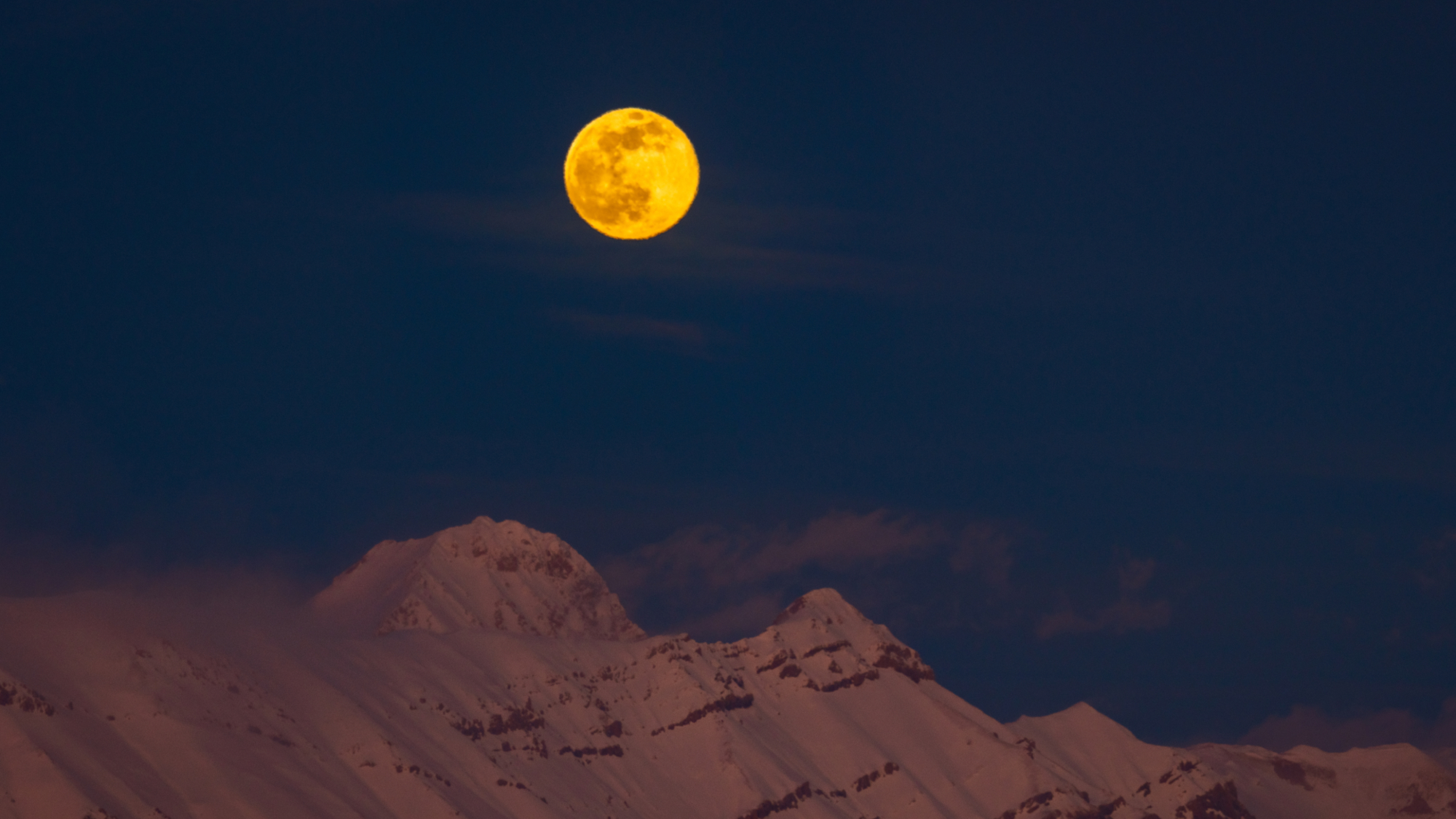
Photography experts advise utilizing a sturdy tripod to eliminate camera shake, employing telephoto lenses with focal lengths of 300mm or greater to resolve fine surface details, and utilizing manual focus modes for precision. Photographers aiming to capture environmental context—such as the moon rising behind city skylines, mountain ranges, or coastal silhouettes—are encouraged to shoot during the civil twilight window immediately following moonrise, when ambient terrestrial light balances more evenly with the intense brightness of the lunar surface.
As stargazers look forward to this midwinter astronomical event, the Cold Supermoon serves as a striking reminder of the dynamic mechanics governing our solar system, offering a moment of collective awe for millions of observers looking up into the December night sky.
Related posts: