NASA Evolves Small Business Supplier Development Program with New Boeing and GRACE Aerospace Partnership

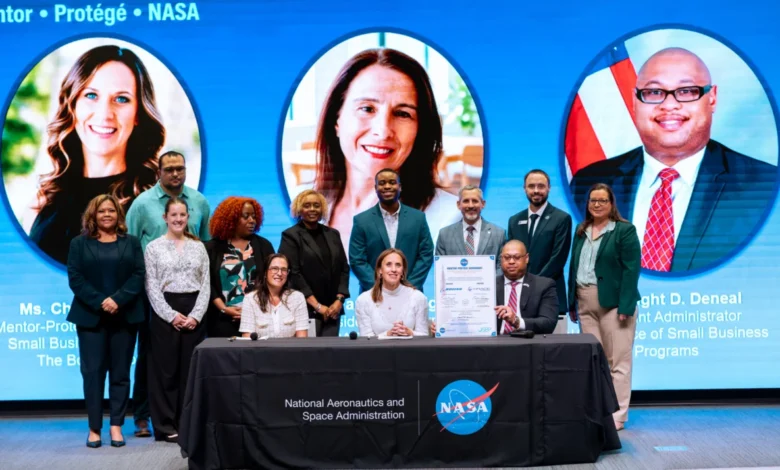
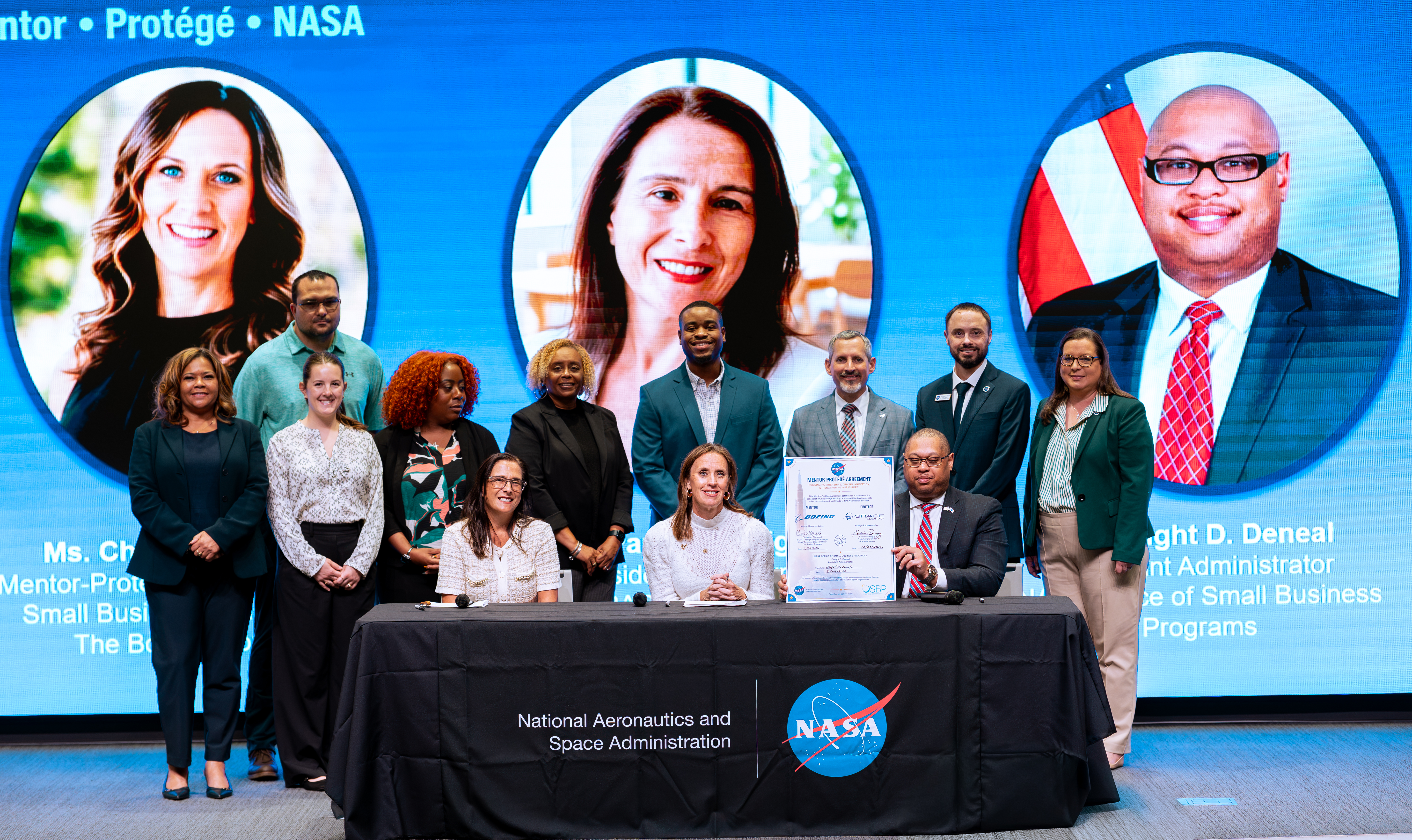
NASA is fundamentally reshaping its engagement with the private sector, officially unveiling an overhauled Small Business Supplier Development Program designed to fortify the domestic aerospace industrial base for the next generation of space exploration. This strategic pivot, announced on November 25, 2026, by the agency’s Office of Small Business Programs (OSBP), represents a concerted effort to align small business capabilities more precisely with the complex, high-stakes requirements of modern spaceflight. The centerpiece of this initiative is a new Mentor-Protégé Agreement between aerospace giant The Boeing Company and GRACE Aerospace, a move that underscores the agency’s commitment to integrating smaller, agile players into the critical supply chains required for missions to the Moon, Mars, and beyond.
A Strategic Overhaul of Supplier Engagement
The redesign of the Small Business Supplier Development Program is not merely a cosmetic rebranding but a structural response to the evolving demands of the space economy. For years, NASA’s procurement landscape has been criticized for administrative friction that often discouraged smaller, highly innovative firms from competing for or participating in major contracts. Under the leadership of Dwight Deneal, assistant administrator for NASA’s Office of Small Business Programs, the agency has initiated a comprehensive "streamlining" of its procurement architecture.
This overhaul focuses on three critical pillars: reducing the administrative burden on participants, accelerating the timeline for review and approval processes, and enhancing the incentive structure for prime contractors to invest in their small-business partners. By lowering the barrier to entry, NASA aims to cultivate a more resilient industrial base, ensuring that the agency is not overly dependent on a monolithic supply chain that could be vulnerable to disruptions.
"We have intentionally redesigned the program as a mission-focused tool for strengthening industrial base readiness and mission success," Deneal stated. "By simplifying participation and focusing developmental assistance on the capabilities NASA needs most, we are helping build a stronger, more resilient supplier base that can support the agency’s highest-priority missions."
Chronology of the Programmatic Shift
The evolution of NASA’s supplier engagement can be traced back to the agency’s broader mandate under the Artemis program, which necessitates a more robust and geographically diverse supply chain. Throughout 2025 and 2026, the OSBP conducted an extensive audit of its existing mentorship frameworks. It found that while previous programs had successfully fostered mentorships, they often suffered from bureaucratic stagnation.
- Early 2025: NASA initiates a internal review of the Small Business Innovation Research (SBIR) and Mentor-Protégé programs to identify bottlenecks in the integration of specialized, small-scale manufacturing.
- Mid-2025: Feedback sessions with prime contractors reveal that administrative requirements were a significant deterrent to expanding mentorship portfolios.
- Q1 2026: NASA begins the formal process of redesigning the program’s application and compliance requirements.
- November 2026: The program is officially renamed the Small Business Supplier Development Program, signaling a shift toward a more proactive, mission-oriented procurement strategy.
- Late November 2026: The first major partnership under the new guidelines is finalized, connecting Boeing with GRACE Aerospace.
Supporting Data and Industry Context
The aerospace industrial base is currently experiencing a period of intense pressure. As NASA moves toward consistent, high-cadence lunar operations, the demand for specialized hardware—ranging from advanced avionics to heat-resistant alloys—has surged. According to recent aerospace industry reports, the domestic supply chain for high-precision aerospace components has faced significant challenges in scaling production capacity to meet the needs of both commercial space ventures and government exploration programs.
The agreement between Boeing and GRACE Aerospace is valued at approximately $500,000 in direct funding, but its long-term value is expected to be substantially higher. For GRACE Aerospace, a company with two decades of experience in the defense and aerospace sectors, this partnership serves as a catalyst to scale its technical capabilities. By leveraging Boeing’s extensive engineering resources and management expertise, GRACE is positioning itself to transition from a niche component supplier to a Tier-2 supplier capable of handling the stringent requirements of flight-critical hardware.
Official Perspectives on the Partnership
The involvement of a prime contractor like Boeing is essential to the success of this program. Boeing, as a long-standing partner of NASA, brings a vast reservoir of technical knowledge, quality control standards, and logistics expertise that small businesses often struggle to replicate on their own.
Christian Diamond, the Mentor-Protégé Program manager and small business liaison officer for Boeing, highlighted the strategic importance of the collaboration. "Boeing is proud to continue its longstanding relationship with NASA in support of its mission and the opportunities this agreement creates for Boeing, GRACE, and the broader aerospace industrial base," Diamond said. "Through this partnership, Boeing looks forward to sharing our expertise to support the continued growth and long-term success of a small business while strengthening our supplier base."
From the perspective of the protégé, the program offers a clear pathway to institutional growth. Pauline Sevigny, president and owner of GRACE Aerospace, expressed gratitude for the opportunity, noting that the mentorship will be vital in navigating the complexities of modern spaceflight. "GRACE Aerospace is thankful and honored to participate in the program," Sevigny noted. "We look forward to growing and learning from industry experts and supporting the mission of resilience and space superiority."
Broader Implications for the Aerospace Sector
The implications of NASA’s revised program extend far beyond this single agreement. By prioritizing the development of small businesses, NASA is effectively "de-risking" its supply chain. In the past, the loss or failure of a single large-scale supplier could threaten the timeline of a flagship mission. By fostering a larger pool of capable, qualified small businesses, the agency creates redundancy and encourages the kind of competitive innovation that thrives in smaller, more agile organizations.
Furthermore, this initiative signals a shift in government contracting philosophy: moving away from a transactional "vendor" relationship toward a developmental "partnership" model. By investing directly in the capabilities of small businesses, prime contractors like Boeing are not merely fulfilling a diversity requirement; they are building a reliable pipeline of high-quality components that will be essential for the next twenty years of exploration.
Future Outlook and Analysis
As the aerospace industry continues to integrate commercial entities into government missions, the role of small businesses will only grow. NASA’s focus on "industrial base readiness" suggests that future contracts may increasingly prioritize vendors who can demonstrate not just technical competency, but also systemic maturity and scalability.
The success of the Boeing-GRACE partnership will likely serve as a benchmark for future agreements. If the program succeeds in reducing the time-to-market for critical hardware and improving the overall quality assurance metrics of participating firms, it is expected that NASA will expand the program to include a wider range of mentors from the commercial space sector, including newer, venture-backed aerospace firms.
In conclusion, the rebranding and restructuring of the Small Business Supplier Development Program represent a calculated move by NASA to ensure that the industrial foundation supporting its missions is as robust as the technology it launches. By bridging the gap between industry giants and specialized small firms, the agency is fostering an environment where innovation can be scaled, tested, and deployed with greater efficiency. As the agency prepares for the next phase of its exploration agenda, this evolution in procurement and mentorship will remain a cornerstone of its strategy to maintain American leadership in space, ensuring that the necessary hardware and expertise are available to meet the challenges of the coming decades.