Apple HomeView receives urgent security update ahead of official retail launch

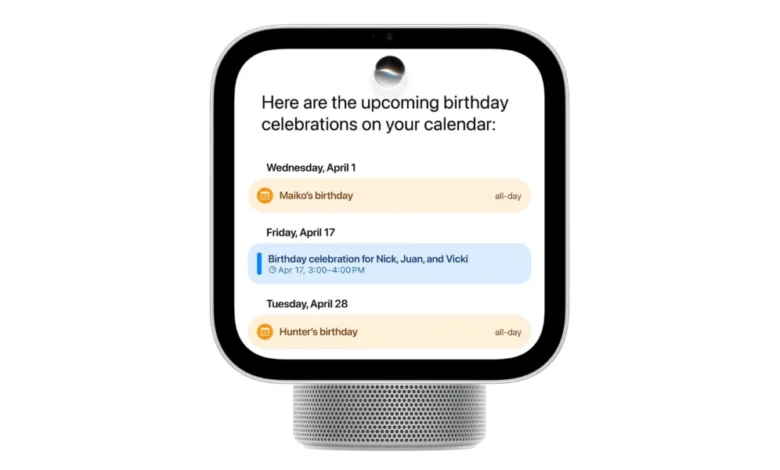
As anticipation builds for the first wave of Apple HomeView units arriving at customer doorsteps tomorrow, Apple has preemptively addressed a critical series of security vulnerabilities. The company released HomeView Software Version 27.2 (build 24V526) today, a mandatory patch that aligns the new smart display’s security posture with the broader Apple ecosystem, specifically mirroring critical fixes recently deployed in iOS 27.2, macOS 27.2 Golden Gate, and iPadOS 27.2.
The decision to release this update on the eve of the device’s market debut underscores the importance of day-zero security in the increasingly complex landscape of Internet of Things (IoT) hardware. With the vulnerabilities already publicly disclosed, early adopters are strongly advised to initiate the update process immediately upon unboxing their devices to ensure they are not exposed to potential exploits.
Chronology of the Vulnerability Disclosure and Response
The identification of these security flaws is the result of both internal security auditing by Apple’s dedicated engineering teams and contributions from the broader cybersecurity research community. The timeline of this update reflects a rapid response strategy intended to coincide with the widespread public deployment of the HomeView hardware.
The vulnerabilities addressed in version 27.2 range from memory corruption issues to sophisticated authorization bypasses. By patching these flaws before the product reaches the mass market, Apple aims to mitigate the risks associated with "day-one" attacks—a category of exploitation that targets devices immediately after they are activated and connected to home networks.

Technical Analysis of the Patched Vulnerabilities
The security content of HomeView Software Version 27.2 is comprehensive, covering nine distinct Common Vulnerabilities and Exposures (CVEs). A breakdown of these threats reveals significant concerns regarding Bluetooth connectivity and iMessage integrity.
Bluetooth and AirPlay Security
Several of the patches focus on Bluetooth and AirPlay, which are central to the HomeView’s functionality as a hub. Notably, CVE-2026-113965 and CVE-2026-113964 address critical flaws where a malicious Bluetooth device could potentially bypass user-interaction requirements for pairing or overwhelm rate-limiting mechanisms. In practical terms, this could allow unauthorized devices to gain proximity access to the HomeView unit, potentially escalating to broader network access if left unpatched. Furthermore, CVE-2026-113970 addresses a use-after-free issue in the Bluetooth stack that could lead to process memory corruption.
iMessage Integrity
Perhaps most concerning to the average consumer are the vulnerabilities identified within the Messages framework. CVE-2026-113961 and CVE-2026-113960 highlight potential flaws in group chat authorization. The former could have allowed a remote attacker to surreptitiously join an iMessage group chat and receive real-time messages, while the latter allowed a new participant to access the historical message log of a group chat—a clear violation of user privacy and data security protocols. Apple has rectified these issues by tightening authorization validation and removing the specific code pathways that permitted unauthorized access.
Core System and Data Handling
Additional patches address memory management issues, including a vulnerability in the brotli compression library (CVE-2026-111497) that could lead to memory corruption via maliciously crafted input. The App Intents framework also received a critical update (CVE-2026-113963) to fix an authorization issue that could have granted an app unintended access to sensitive user data.
Contextualizing the Apple HomeView Launch
The Apple HomeView represents the company’s most significant foray into the dedicated smart display market. Designed to act as a central controller for HomeKit-enabled devices, the unit features a high-fidelity interface integrated with Siri AI.

However, the launch has not been without scrutiny. Industry analysts have pointed to the current limitations of the device’s voice-activated security protocols. As of today, Apple has confirmed that the HomeView’s Siri AI is programmed to intentionally refuse voice-based requests to unlock entry points, such as front doors or garage doors. While this may be viewed as an inconvenience by some users, it reflects a "security-first" design philosophy that prioritizes the prevention of remote manipulation of physical home security infrastructure.
Apple has indicated that a forthcoming software update, scheduled for release next month, will expand Siri’s capabilities to support select, verified security accessories. This measured approach suggests a staged rollout of features, prioritizing the establishment of a secure foundation before enabling high-risk automation tasks.
The Broader Implications for IoT Security
The rapid release of this update for a device that has not yet been delivered to customers serves as a poignant reminder of the current state of consumer electronics. In the past, hardware security was often an afterthought, addressed through post-launch patches delivered weeks or months later. Today, the standard has shifted toward "security by design," where manufacturers must maintain parity between hardware production and software security updates.
For the end user, this evolution necessitates a change in behavior. The era of "plug-and-play" electronics without a software maintenance component has effectively ended. Users must now treat smart home hubs with the same security rigor as their smartphones or personal computers. This includes:
- Verifying Firmware: Ensuring that the latest software version is installed immediately upon activation.
- Network Segmentation: Where possible, placing IoT devices on a secondary or "guest" network to isolate them from primary computers and storage devices.
- Regular Audits: Periodically reviewing connected devices and permissions within the Home app to ensure that no unauthorized accessories have been paired.
Industry and Expert Perspectives
Security researchers have largely lauded the transparency of Apple’s disclosure process. By publicly documenting the CVEs and the specific nature of the fixes, Apple provides the security community with the data necessary to verify the safety of the platform. Anonymous researchers, along with specialists like László Várady, have played a vital role in identifying these specific vulnerabilities, reinforcing the importance of collaborative security research in maintaining the integrity of consumer platforms.

From a business perspective, the timely patching of these vulnerabilities is crucial for maintaining brand trust. With the smart home market projected to grow significantly over the next decade, the companies that demonstrate the highest level of security hygiene are likely to gain the largest share of the consumer base. Apple’s reputation for privacy and security is a central pillar of its marketing, and any failure to secure a device that sits in the heart of the home would have had substantial reputational consequences.
Looking Ahead
As customers begin unboxing their HomeView units, the primary focus will undoubtedly be on the device’s performance and the maturity of its AI features. However, the background work completed by Apple’s software engineering team to patch these nine vulnerabilities ensures that the hardware launches into a hardened environment.
The path forward for the HomeView will be defined by the upcoming December update, which will begin the process of integrating physical security control into the Siri ecosystem. For now, the successful remediation of the identified flaws provides a stable starting point for early adopters. Users are encouraged to visit the official Apple Support page to review the full documentation regarding the HomeView Software Version 27.2 update and to ensure that their home network remains protected.
In the rapidly evolving field of home automation, the launch of the Apple HomeView is a litmus test for both the company’s hardware capabilities and its commitment to user security. By addressing these nine critical vulnerabilities before the first unit is even powered on by a consumer, Apple has established a clear precedent for the security standards it intends to uphold for this new product line. As the smart home ecosystem grows more sophisticated, the interplay between software patches, hardware capabilities, and user awareness will remain the defining factor in the safety of our domestic spaces.
Related posts: