OPPO Find X10 Ultra Rumors Point to MediaTek and Snapdragon Dual-Testing Strategy Alongside Monumental Camera Upgrades

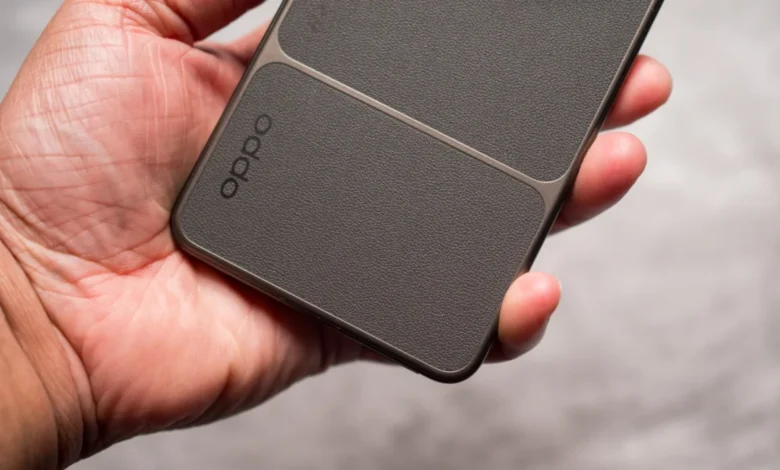
The global smartphone industry is constantly evolving, with manufacturers frequently pushing the boundaries of mobile processing power and computational photography. In recent years, the rivalry between semiconductor giants Qualcomm and MediaTek has intensified significantly, with both companies trading blows to secure coveted spots inside elite flagship devices. Amidst this fierce competition, emerging supply chain leaks and industry insider reports suggest that Chinese consumer electronics manufacturer OPPO is currently evaluating a monumental strategic pivot for its upcoming top-tier flagship device, the OPPO Find X10 Ultra.
According to reports originating from prominent industry insiders on Weibo, OPPO is actively testing two distinct hardware configurations for the anticipated Find X10 Ultra. While historical precedence and current market expectations point toward Qualcomm supplying the silicon for OPPO’s premier ultra-tier smartphones, recent engineering builds are reportedly being evaluated with MediaTek’s cutting-edge Dimensity 9600 Pro processor. This revelation highlights a shifting paradigm in high-end mobile manufacturing, where semiconductor performance parity allows brands to seriously weigh alternatives that were once strictly reserved for standard flagship or sub-flagship tiers.
Despite the intriguing prospect of a MediaTek-powered Ultra model, analysts and industry tipsters emphasize that Qualcomm remains firmly in the running. A parallel configuration utilizing Qualcomm’s unreleased Snapdragon 8 Elite Extreme Gen 6 silicon is reportedly being developed alongside the MediaTek variant. Current market sentiment heavily favors the Snapdragon-powered version to ultimately secure the commercial release slot, but the very existence of a MediaTek-equipped engineering prototype signals a deeper structural evolution within OPPO’s product planning division.
The Semiconductor Battleground: Dimensity 9600 Pro Versus Snapdragon 8 Elite Extreme Gen 6
The core of the discussion surrounding the OPPO Find X10 Ultra lies in its potential processor configuration. MediaTek has made staggering technological strides over the past several product generations, transforming its Dimensity line from a budget-conscious alternative into a legitimate powerhouse capable of trading blows with Qualcomm’s absolute best offerings.
The MediaTek Dimensity 9600 Pro, which OPPO has already officially confirmed for its upcoming Find X10 Pro Max, represents the absolute cutting edge of semiconductor fabrication. Built on Taiwan Semiconductor Manufacturing Company’s (TSMC) advanced 2D/3D-integrated 2nm manufacturing process, the processor architecture features a formidable core layout. Specifically, it incorporates two ultra-high-performance C2-Ultra cores capable of clocking speeds up to 4.55GHz, supported by six additional high-efficiency performance cores. This configuration promises immense multi-threaded processing capabilities, superior energy efficiency, and advanced thermal regulation compared to previous-generation silicon.
On the other side of the aisle, Qualcomm’s anticipated Snapdragon 8 Elite Extreme Gen 6 represents the American chip designer’s next evolutionary step in mobile architecture. Qualcomm has long dominated the ultra-premium tier of the Android smartphone market, largely due to its robust graphics processing units (GPUs), proprietary digital signal processors (DSPs), and deeply entrenched software optimization partnerships with global OEMs.
By testing both platforms, OPPO is exercising a rigorous validation process. Reports from industry tipster Smart Pikachu indicate that these processors are not merely being tested for raw compute benchmarks. Instead, they are being evaluated in tandem with OPPO’s proprietary custom imaging algorithms. These algorithms are specifically engineered to interface seamlessly with the company’s signature Lumo True Image Engine. By decoupling its high-end computational photography software from a specific chipset vendor, OPPO is ensuring that its brand identity—built largely around superior camera performance—remains intact regardless of which silicon powers the final retail units.
Unprecedented Optical Architecture and Camera Specifications
While the processor choice remains a critical internal debate, the true headline-grabbing feature of the OPPO Find X10 Ultra lies in its rumored camera hardware. Over the past several hardware cycles, OPPO has positioned its Ultra-branded devices as uncompromising photography powerhouses, often rivaling dedicated mirrorless cameras in specific shooting scenarios. Leaked specifications for the Find X10 Ultra suggest that the company intends to maintain this aggressive trajectory by introducing a multi-sensor array that pushes the boundaries of mobile optics.
At the center of the primary camera module is a rumored 200-megapixel main sensor boasting an exceptionally large 1/1.12-inch optical format. More impressively, industry reports suggest the inclusion of Lateral Overflow Integration Capacitor (LOFIC) technology. For the uninitiated, LOFIC is a groundbreaking semiconductor sensor technology designed to drastically increase dynamic range. Traditional mobile camera sensors frequently suffer from highlight clipping when capturing scenes with extreme contrast, such as bright neon lights against a dark night sky or direct sunlight filtering through shadows. LOFIC addresses this limitation by allowing excess electrical charges generated by saturated pixels to overflow into adjacent storage capacitors rather than spilling over into neighboring pixels, effectively eliminating blooming and preserving intricate highlight details.
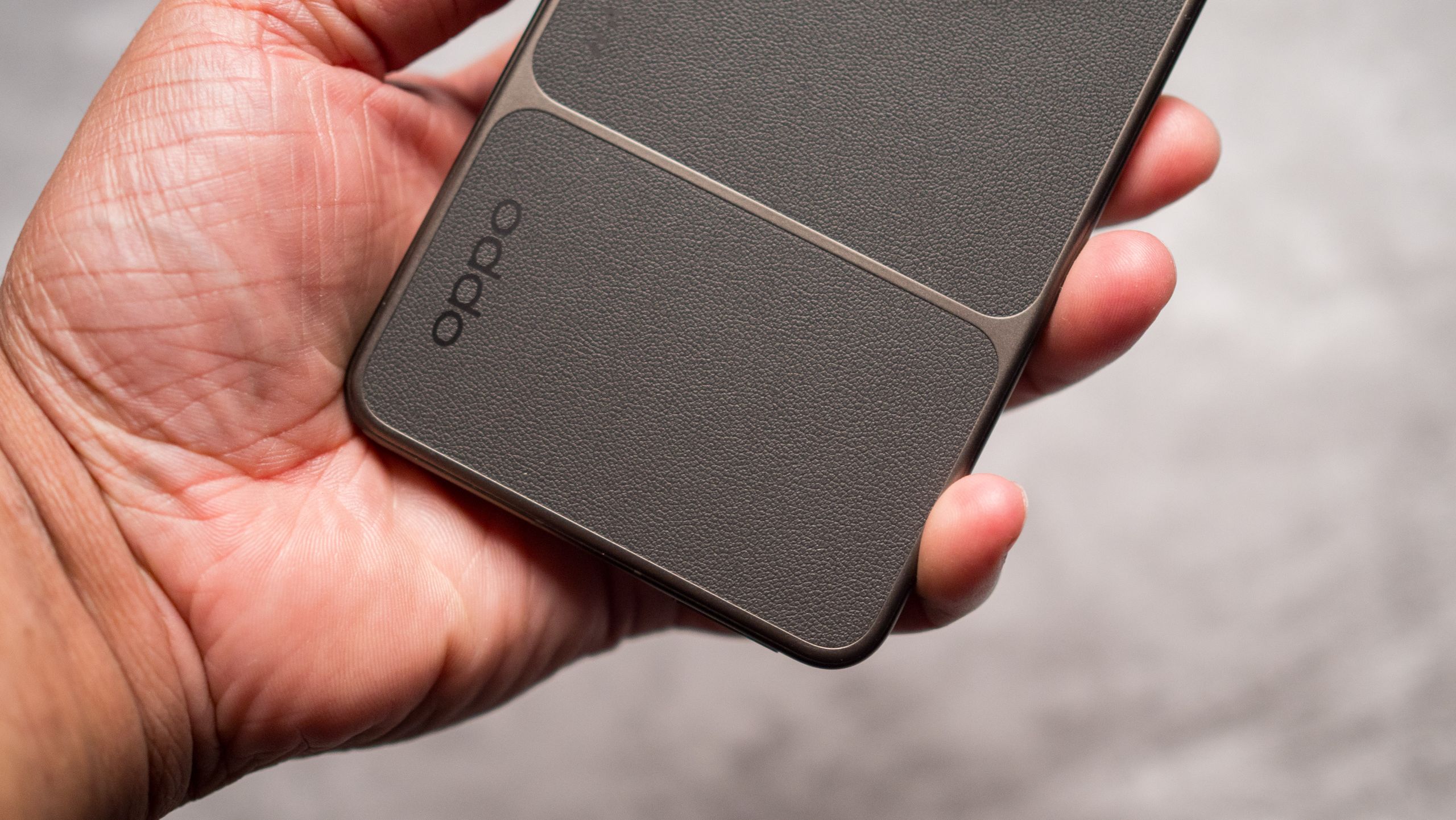
Complementing the primary shooter are auxiliary lenses that further cement the device’s photographic credentials. Leaks point to a secondary 200-megapixel periscope telephoto camera, designed to deliver exceptional detail at intermediate and long-range zoom intervals. Furthermore, a third 50-megapixel periscope lens is rumored to provide a staggering 10x optical zoom capability, allowing users to capture distant subjects with zero degradation in image clarity. On the front of the device, OPPO is reportedly planning a high-resolution 100-megapixel selfie camera, catering to the booming content creation and vlogging markets.
Strategic Implications and Product Differentiation
The potential deployment of MediaTek’s Dimensity 9600 Pro inside the Find X10 Ultra introduces fascinating strategic implications for OPPO’s product catalog. If OPPO ultimately decides to commercialize the MediaTek variant, both the Find X10 Ultra and the previously confirmed Find X10 Pro Max would share the exact same system-on-chip (SoC) flagship infrastructure.
Such a scenario would place immense pressure on OPPO’s product marketing and engineering teams to clearly differentiate the more expensive Ultra model from the Pro Max variant. Without a proprietary or exclusive processor advantage to lean on, the burden of justification would fall entirely onto the Ultra’s superior camera hardware, premium build materials, specialized display technologies, and ancillary features like satellite connectivity or enhanced biometric security.
Historically, smartphone manufacturers utilize the "Ultra" moniker to signal absolute technological supremacy across every possible hardware category. Diverging from Qualcomm’s top-tier silicon for an Ultra-tier device would be a bold statement of confidence in MediaTek’s architectural capabilities, while simultaneously demonstrating that OPPO values holistic system performance and thermal efficiency over traditional brand-name marketing cachet.
Chronology, Market Timeline, and Industry Outlook
The developmental lifecycle of a modern flagship smartphone is an exhaustive, multi-year process involving rigorous prototype testing, software optimization, regulatory compliance, and supply chain coordination. According to current industry roadmaps and supply chain leakage, the OPPO Find X10 Ultra is tentatively scheduled for an initial commercial launch in the Chinese domestic market during the first half of 2027.
As of the current reporting period, OPPO has not officially acknowledged the existence of the Find X10 Ultra, nor has the company confirmed any aspect of its final hardware configuration. Because the device is still in its engineering and testing phases, executive leadership retains significant flexibility to alter manufacturing plans, switch preferred silicon suppliers, or adjust pricing and distribution strategies based on macroeconomic conditions and component availability.
The ongoing dual-testing phase underscores a broader trend within the mobile industry: the erosion of Qualcomm’s absolute monopoly over the ultra-premium device tier. MediaTek’s aggressive engineering roadmap, combined with TSMC’s state-of-the-art node advancements, has successfully created a viable, highly competitive alternative for manufacturers seeking to maximize performance while optimizing supply chain resilience and cost structures.
Conclusion and Broader Impact
The revelations surrounding the OPPO Find X10 Ultra highlight an industry at a fascinating crossroads. By actively evaluating MediaTek’s Dimensity 9600 Pro alongside Qualcomm’s Snapdragon 8 Elite Extreme Gen 6, OPPO is prioritizing performance parity, thermal optimization, and advanced software integration over legacy supplier loyalty.
Coupled with rumored industry-first camera innovations—such as the 200-megapixel LOFIC-equipped main sensor and multi-periscope zoom array—the Find X10 Ultra is shaping up to be one of the most anticipated mobile releases of the late 2020s. As the projected 2027 launch window approaches, consumers and industry observers alike will be watching closely to see which semiconductor giant ultimately secures the heart of OPPO’s next flagship masterpiece, and how the company leverages its custom Lumo True Image Engine to redefine the limits of computational photography.