SpaceX Prepares for Historic Double-Catch Attempt as Super Heavy Booster 22 Moves to Starbase Launch Mount Ahead of Starship Flight 15

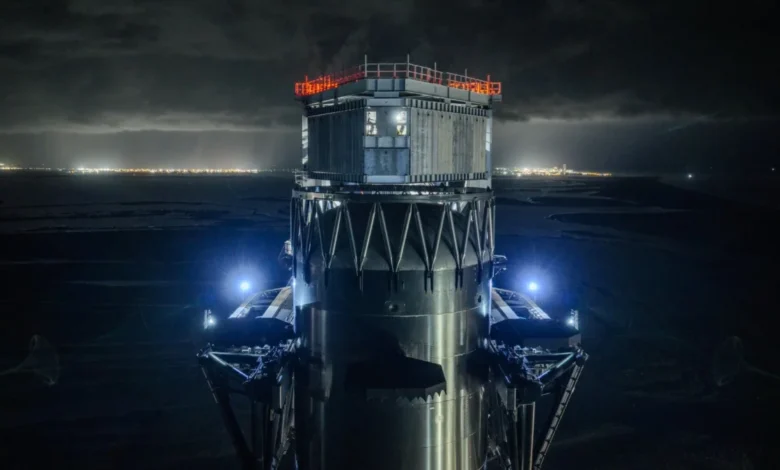
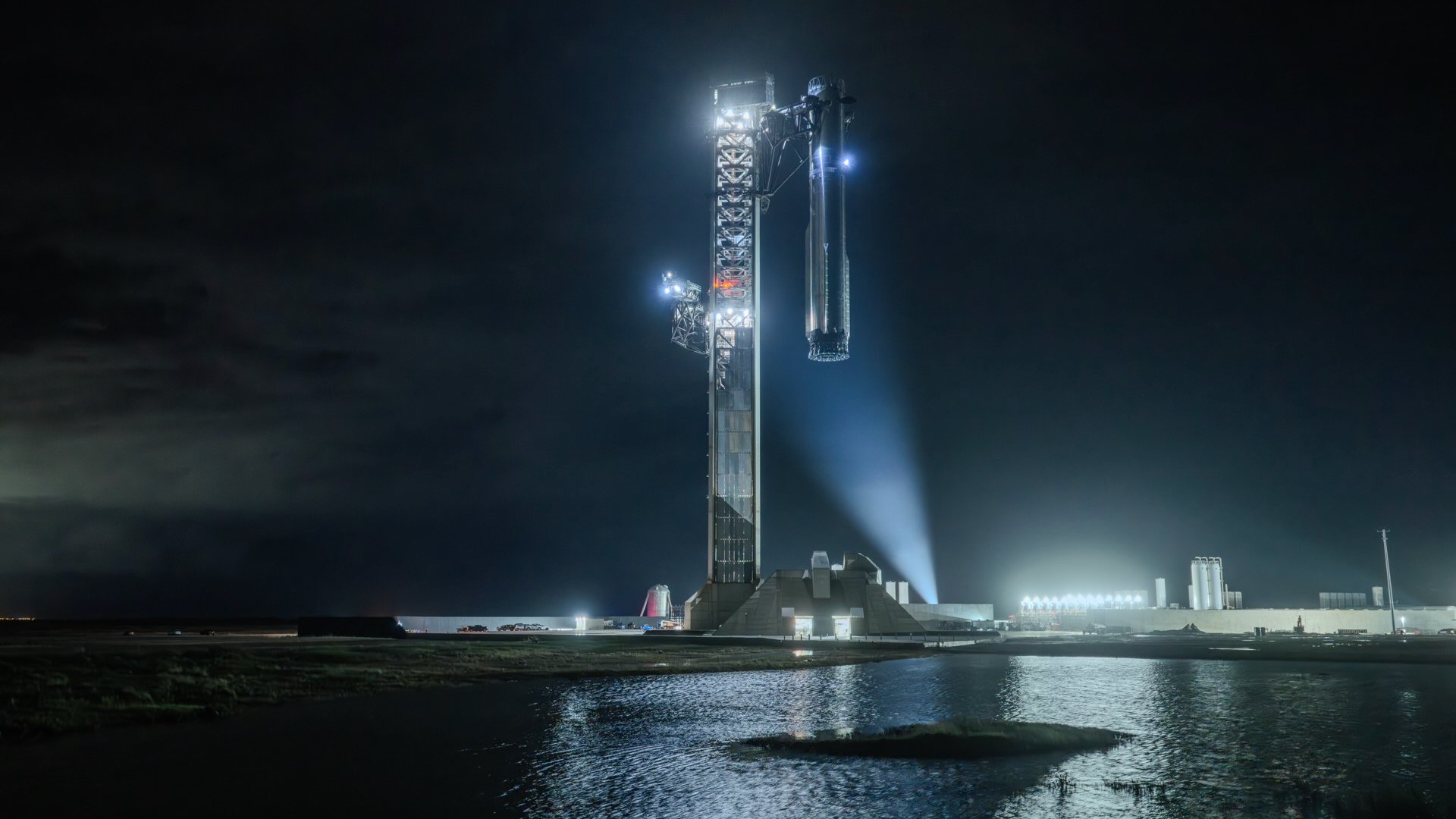
SpaceX has advanced its preparations for the upcoming 15th test flight of its monumental Starship megarocket, successfully transporting the Super Heavy Booster 22 first stage to the orbital launch mount at the Starbase facility in South Texas. Announced by the private aerospace manufacturer on November 10, 2026, this milestone sets the stage for a critically important operational test scheduled to lift off on Friday, November 13. The upcoming mission introduces an unprecedented engineering hurdle: an ambitious double-catch recovery maneuver designed to capture both the Super Heavy booster and the upper-stage Starship vehicle using the launch tower’s mechanical "chopstick" arms. If successful, this event will mark the first full, dual recovery of an orbital-class rocket in the history of aerospace engineering.
Chronology of Preparations and Rollout
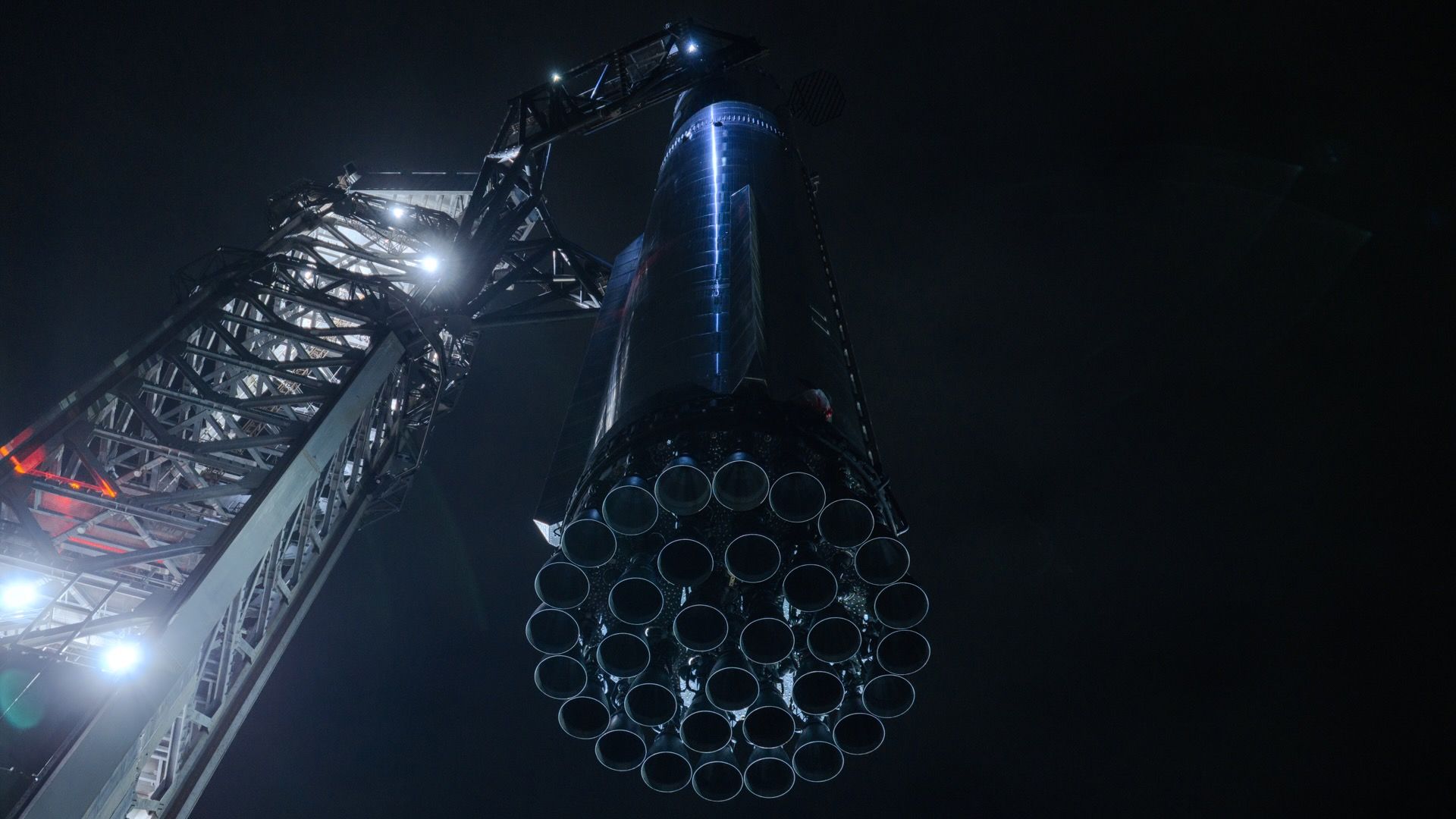
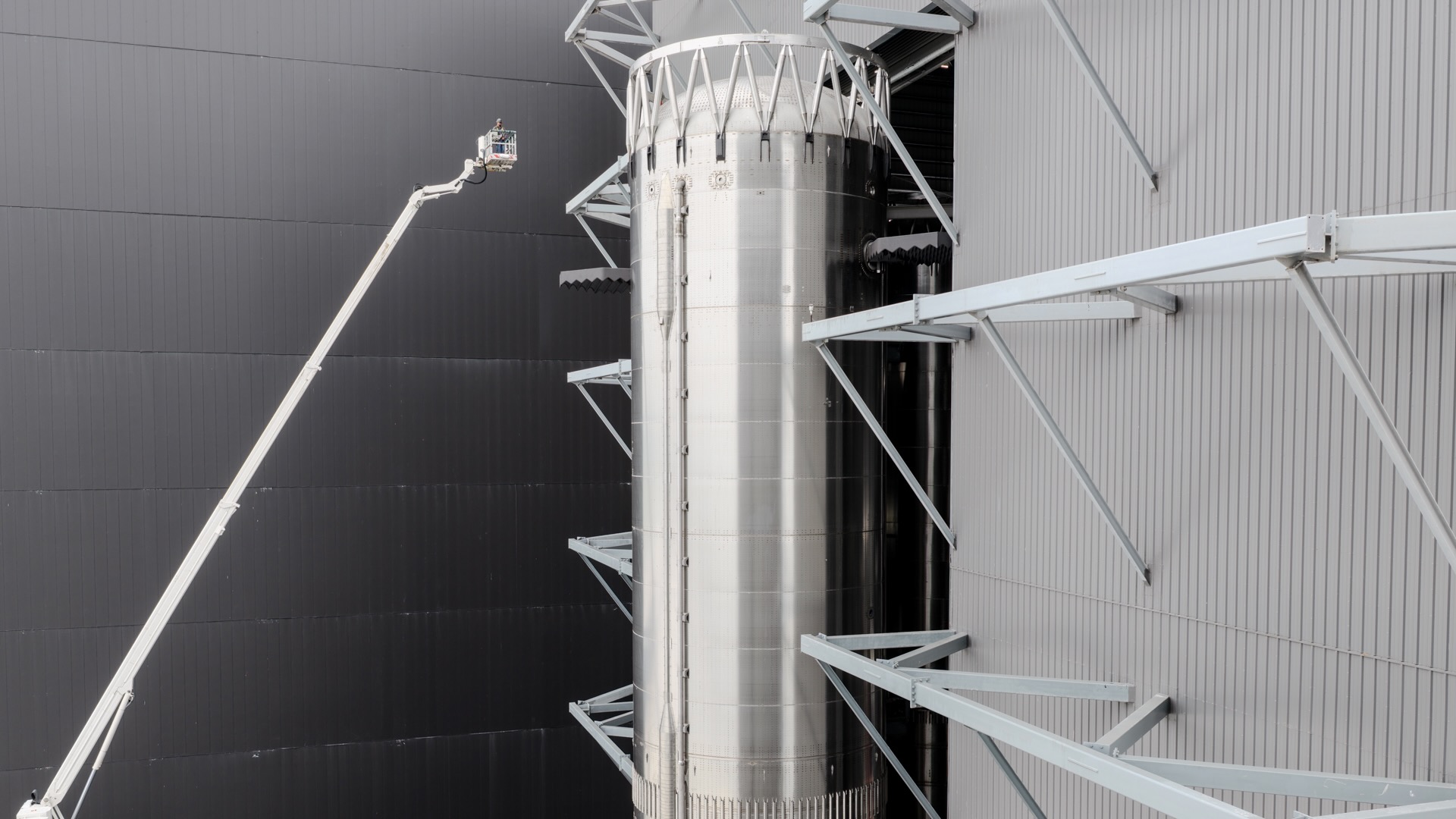
The timeline leading up to the Flight 15 launch attempt has been marked by rigorous processing and ground-test milestones at SpaceX’s South Texas production and launch complex. Following assembly within one of Starbase’s massive Mega Bay structures, Super Heavy Booster 22 was moved to the pad to undergo final structural and mechanical verification. Upon arrival at the launch mount, engineering teams subjected the massive first stage—powered by a cluster of 33 next-generation Raptor engines—to a suspended squeeze test at operational catch height. This procedure ensures that the structural hardpoints and grid fins on the booster can interface correctly with the launch tower’s rapid-securing arms under simulated load conditions.
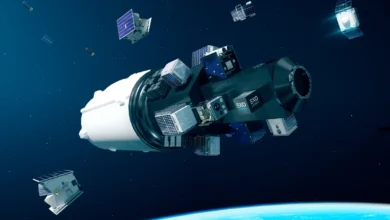
The launch window for Flight 15 opens on Friday at 5:45 p.m. EST (2245 GMT, 4:45 p.m. local Texas time), spanning a 75-minute duration. According to mission profiles, the chronology of the flight will begin with the simultaneous ignition of the 33 Raptor engines, lifting the fully stacked megarocket off the pad. Approximately six and a half minutes into the flight, the Super Heavy booster will separate from the upper-stage Ship, perform a boostback burn, and return to the Starbase launch site to be intercepted mid-air by the tower arms. Meanwhile, the upper-stage Ship will continue into low Earth orbit (LEO), where it is tasked with deploying 26 next-generation Starlink V3 broadband satellites. Completing an extended mission profile, the upper stage will orbit the planet 14 times over approximately 22 hours before executing its own terminal descent and attempted tower catch in South Texas.
Technical Evolution and Background Context
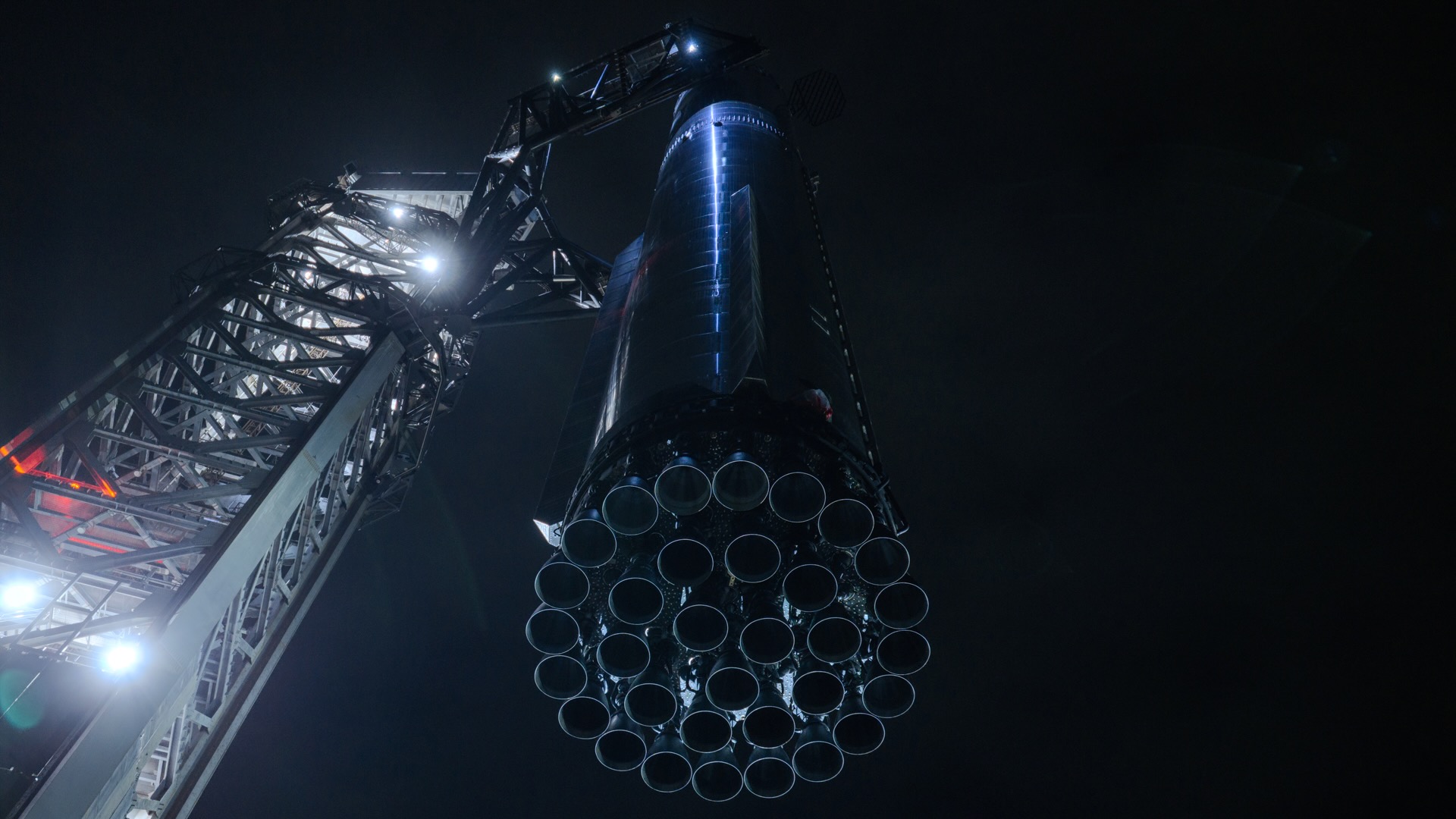
The Starship development program has evolved at a rapid pace, characterized by an iterative test-flight philosophy that prioritizes hardware learning over traditional, conservative aerospace development timelines. SpaceX has previously demonstrated the viability of the tower-catch architecture for the first stage alone, successfully securing returning Super Heavy boosters on three separate historical flights. However, recovering the upper-stage Ship introduces a significantly elevated level of operational complexity. Unlike the booster, which performs a suborbital trajectory, the Ship flies significantly higher and farther downrange, experiencing severe thermal and aerodynamic loads during atmospheric reentry.
The threshold for attempting a dual recovery was unlocked only recently. On September 28, 2026, SpaceX successfully achieved orbital insertion with the Starship vehicle for the first time during the Flight 14 mission. Building upon that foundational success, Flight 15 represents a crucial bridge between developmental flight-testing and operational maturity. Company executives and engineers have noted that establishing a reliable, rapid-recovery protocol for both stages is essential for the economic viability of the system. Traditional rocket refurbishment requires extensive marine recovery, transport, and structural overhauls; by contrast, catching vehicles directly at the launch mount aims to enable immediate inspection, maintenance, and restacking.
Supporting Data and Fleet Architecture
The push toward rapid reusability is directly tied to SpaceX’s aggressive long-term deployment schedules for orbital infrastructure. Company leadership, including Chief Engineer Elon Musk, has emphasized that achieving a high flight cadence is mandatory to support the buildout of advanced communications networks. This includes the expansion of the high-capacity Starlink V3 constellation as well as the newly designated Starmind AI data-center network, a space-based computational architecture designed to support heavy artificial intelligence workloads.
To meet the projected bandwidth and computational demands of these orbital systems, SpaceX has stated a corporate objective to scale operations toward an extraordinary target of 10,000 Starship flights per year by the end of the decade. The physical infrastructure at Starbase and parallel expansion projects at NASA’s Kennedy Space Center in Florida are being designed to handle high-frequency operations, making the success of mechanical recovery systems like the launch tower arms an absolute prerequisite for future capacity.
Implications for the Global Aerospace Sector
The implications of a successful double-catch maneuver extend far beyond SpaceX’s internal corporate roadmap, potentially shifting the competitive landscape of the global launch services market. Full-stack reusability of a fully integrated megarocket with a payload capacity exceeding 150 metric tons to low Earth orbit would fundamentally disrupt traditional economic models for heavy-lift launch vehicles. By slashing the marginal cost per kilogram to orbit and drastically reducing turnaround times between flights, the Starship system is poised to unlock new commercial markets, including large-scale space manufacturing, commercial space stations, and deep-space exploration logistics for lunar and Martian missions.
As teams at Starbase complete the final checkouts of Booster 22 and finalize flight software parameters, the aerospace community turns its attention to South Texas. Friday’s test will provide critical empirical data on the guidance, navigation, and control systems required to safely guide two separate, massive descending rocket components back to a single precision point of origin. Live coverage of the Flight 15 launch sequence and mid-air catch attempts will be broadcast globally, providing real-time insights into the ongoing transformation of heavy-lift spaceflight architecture.