Why Bethesda Never Outsourced The Elder Scrolls: Inside the Studio’s Protective Strategy

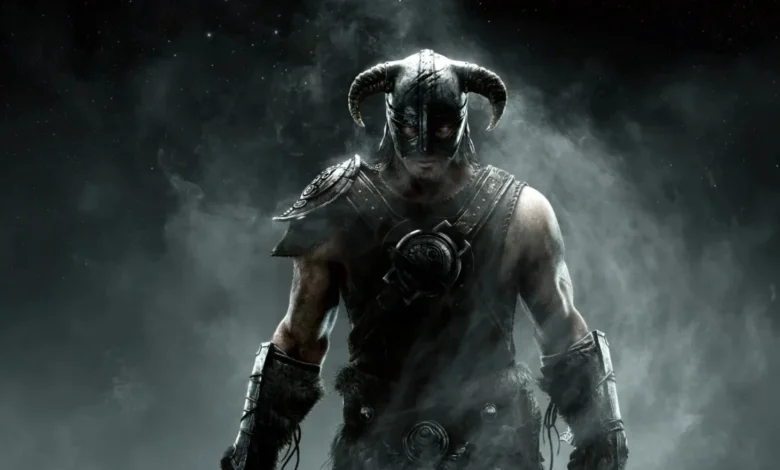
As fans continue a nearly fifteen-year wait for the next mainline installment of The Elder Scrolls, industry watchers and players alike often wonder why Bethesda Game Studios never enlisted an external developer to bridge the generational gap. While critically acclaimed experiments like Fallout: New Vegas proved that handing a prized intellectual property to an outside studio could yield masterpiece results, Bethesda ultimately maintained a steadfast grip on its fantasy flagship. According to former studio leads, the decision to keep The Elder Scrolls strictly in-house was driven by a desire to avoid artistic division, protect the singular vision of studio director Todd Howard, and prevent the exact kind of internal fandom fractures that followed the release of Obsidian Entertainment’s 2010 spin-off.
The Genesis of the Fallout: New Vegas Dynamic
To understand Bethesda’s approach to its franchises, one must examine the unique history of the Fallout series. Following Bethesda’s acquisition of the Fallout license from Interplay Entertainment and the massive success of 2008’s Fallout 3, the studio made the unusual decision to partner with Obsidian Entertainment—a studio founded by several key figures behind the original Black Isle Studios Fallout games—to develop a spin-off. Released in 2010, Fallout: New Vegas was lauded for its complex branching narratives, morally gray faction systems, and sharp writing, earning a dedicated cult following that still argues vociferously for its superiority over Bethesda’s own entries.
This intense community debate—often pitting proponents of Bethesda’s open-world exploration against advocates of Obsidian’s narrative depth—created a lasting cultural footprint within the gaming community. According to Kurt Kuhlmann, a veteran designer and former lead loremaster for The Elder Scrolls who spent decades at Bethesda before departing in 2023, this specific dynamic played a major role in shaping executive strategy moving forward. Speaking on the FRVR podcast, Kuhlmann revealed that studio director Todd Howard was notably protective of The Elder Scrolls and had little interest in fostering a similar competitive narrative regarding Tamriel.
Protecting the Crown Jewel Under Todd Howard
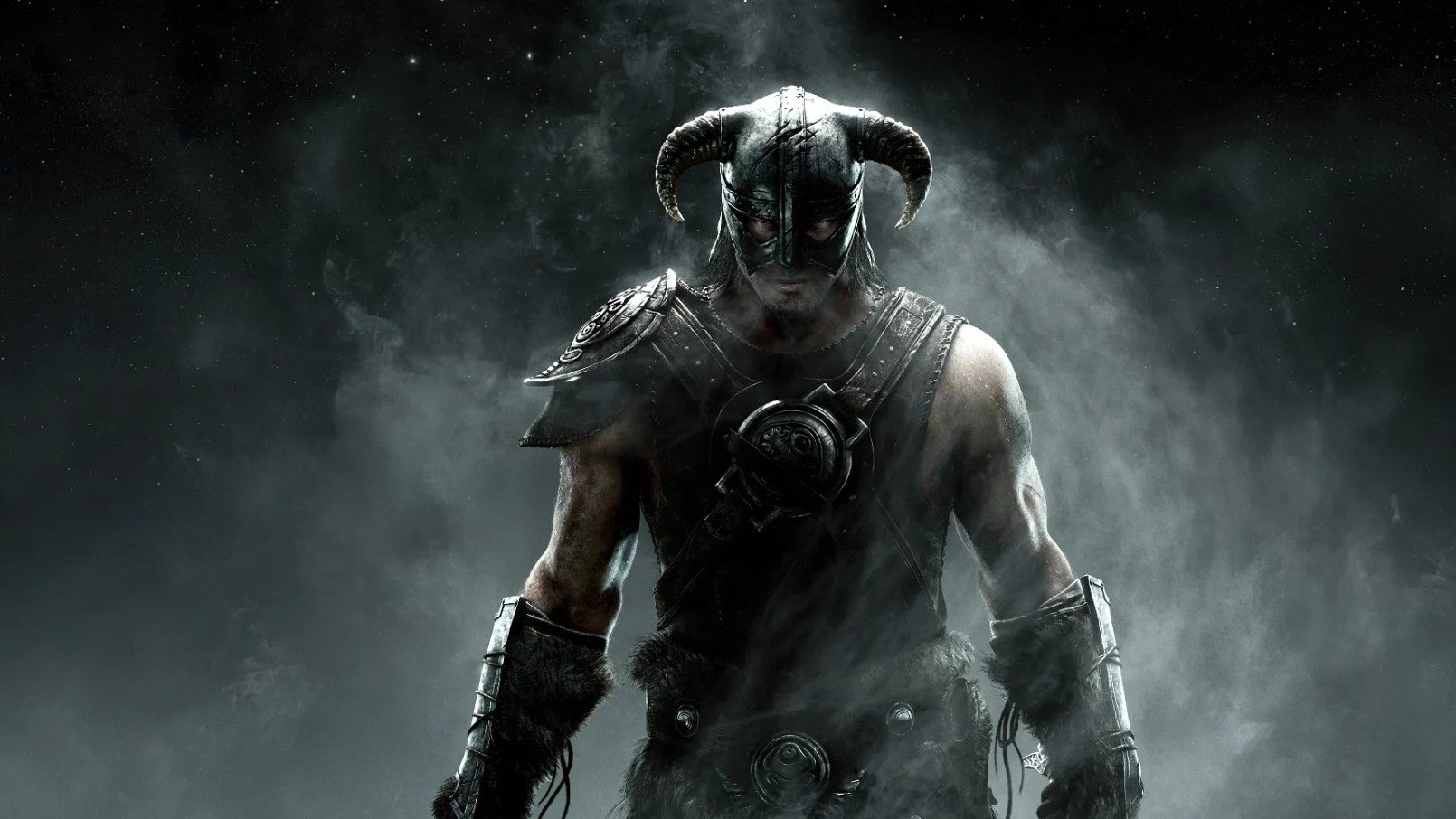
Throughout the modern history of Bethesda Game Studios, Todd Howard has served as the principal creative director, steering behemoths like The Elder Scrolls IV: Oblivion, Fallout 3, Skyrim, and Fallout 4, alongside the recent sci-fi epic Starfield. Under his leadership, the studio has cultivated a very specific, highly centralized development pipeline.
Kuhlmann noted that Howard’s protective stance over The Elder Scrolls stems from a desire to maintain a singular, uncompromised artistic vision. Unlike Fallout—which had a distinct pre-existing identity rooted in isometric role-playing games developed by an entirely different company—The Elder Scrolls was built from the ground up by Bethesda starting with 1994’s The Elder Scrolls: Arena. Consequently, the core development team viewed the fantasy franchise as far too personal and foundational to delegate to an external studio, regardless of that studio’s pedigree.
The Role of The Elder Scrolls Online in Mitigating the Wait
While single-player purists have endured a prolonged drought since the November 2011 launch of Skyrim, Bethesda found an alternative pressure valve in the form of massively multiplayer online gaming. Released in 2014 by ZeniMax Online Studios—a sister company under the ZeniMax Media umbrella—The Elder Scrolls Online (ESO) stepped in to provide a continuous stream of new lore, zones, and adventures across Tamriel.
Kuhlmann pointed out that the enduring success of ESO effectively absorbed the immense pressure for fresh franchise content. For millions of players, ESO became their primary portal to the continent, redefining what it meant to experience an Elder Scrolls game. By keeping the brand actively visible and commercially lucrative through an MMO format, Bethesda satisfied consumer demand for ongoing content without needing to rush out a traditional single-player spin-off or risk diluting the narrative authority of the mainline series.
A Shifting Corporate Landscape: The Xbox Acquisition and Obsidian’s New Era

The gaming industry landscape has transformed dramatically since Skyrim first hit store shelves. In March 2021, Microsoft officially finalized its acquisition of ZeniMax Media, bringing Bethesda Game Studios, ZeniMax Online, and Obsidian Entertainment under the unified corporate banner of Xbox Game Studios. This structural shift fundamentally altered the internal relationships between companies that were once independent competitors or external contractors.
Under Xbox leadership, corporate strategy has increasingly emphasized leveraging major intellectual properties to drive ecosystem engagement. Recent restructuring efforts have brought Obsidian and Bethesda closer than ever, with Obsidian currently developing its own distinct projects within the broader Xbox portfolio. Furthermore, following corporate reorganization and subsequent industry-wide workforce reductions, Bethesda leadership—including President Jill Braff—has emphasized that acquired studios like Obsidian will maintain their unique creative identities and developmental strengths moving forward.
Implications for the Future of Tamriel
As development on The Elder Scrolls VI crawls forward—having first been teased via a brief cinematic announcement in 2018—the question of franchise pacing remains a central topic of discussion among industry analysts. With massive game development cycles now routinely exceeding five to seven years, single-player franchises face unprecedented gaps between entries.
While Bethesda’s historical reluctance to hand off The Elder Scrolls to an outside studio protected its creative consistency, the modern gaming climate under Microsoft offers new structural possibilities. Whether the integration of Xbox’s expansive studio network could eventually pave the way for collaborative projects once The Elder Scrolls VI finally launches remains to be seen. However, for now, Bethesda’s commitment to safeguarding its premier fantasy universe remains absolute, ensuring that any journey back to Tamriel continues to bear the unmistakable, in-house imprint of its original creators.
Related posts: