The intersection of emergency neurosurgery and critical cardiac care presents some of the most profound ethical dilemmas in modern medicine. When clinical guidelines clash with the unpredictable reality of patient outcomes, surgeons are often forced to act as both practitioners and temporary proxies. A recent account published in the forthcoming memoir Off the Top of My Head: Stories from the Operating Room That Will Make You Laugh (Or Cry) by Dr. Barbara Lazio highlights these complexities through the case of a patient named Beau, whose survival journey underscores the thin line between clinical success and the burden of existential recovery.
A Chronology of a Medical Crisis
The case began as a cardiac emergency, which quickly devolved into a multi-system failure. Beau, a 60-year-old patient, was initially admitted for a ST-elevation myocardial infarction (STEMI), a severe heart attack caused by a total blockage of a coronary artery. His cardiologist successfully addressed the blockage in the catheterization lab, stabilizing the patient’s cardiac function. However, two days post-procedure, the patient suffered a cardiac arrest. During this event, he lost consciousness, collapsed, and sustained a significant head trauma after hitting his head on a linoleum floor.
The patient was placed on a regimen of blood thinners to maintain cardiac patency—a standard protocol for post-STEMI recovery. However, this life-saving medication became a critical complication when the head injury led to a large subdural hematoma. As the blood thinners prevented normal clotting, the intracranial hemorrhage expanded, pushing the patient into a coma.
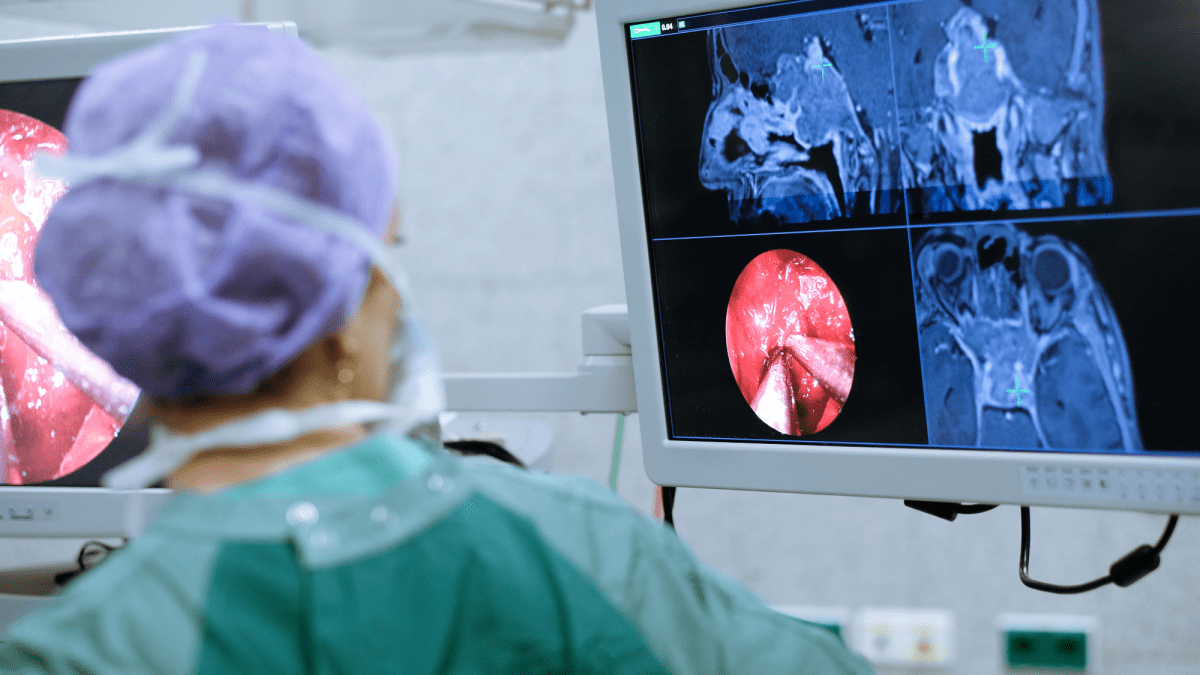
In the absence of a reachable next-of-kin to provide informed consent, the neurosurgical team faced a decision: proceed with a high-risk craniotomy based on clinical intuition or allow the patient’s condition to deteriorate. Dr. Lazio, citing the absence of immediate alternatives and the patient’s age, elected to perform the emergency surgery. The procedure involved drilling into the skull to evacuate the hematoma and relieving intracranial pressure. While the technical operation was successful, the patient’s subsequent recovery in the intensive care unit (ICU) was fraught with uncertainty, characterized by mechanical ventilation and the psychological toll of traumatic injury.
Supporting Data and Medical Context
Subdural hematomas (SDH) remain one of the most common and dangerous consequences of head trauma, particularly in patients on anticoagulation therapy. According to data from the American Association of Neurological Surgeons, the mortality rate for acute symptomatic SDH remains high, ranging from 40% to 60% depending on the patient’s age and comorbid conditions. In Beau’s case, his prior cardiac arrest and subsequent intubation created a “perfect storm” of physiological stress.
The dilemma faced by Dr. Lazio—operating without explicit consent from family—is an increasingly frequent occurrence in emergency medicine. Under the doctrine of implied consent, physicians are legally and ethically permitted to perform life-saving interventions when a patient is incapacitated and no legal proxy is available. However, the emotional weight of these decisions often persists long after the surgical wounds have healed. Clinical literature suggests that patients who survive major trauma often face significant post-intensive care syndrome (PICS), which includes cognitive impairment, depression, and anxiety, all of which were evident in Beau’s early recovery phase when he explicitly communicated a desire to discontinue life support.
The Challenge of Patient Advocacy
The period following Beau’s surgery illustrated the gaps in the healthcare continuum. Despite a successful neurological decompression, the patient faced institutional hurdles, including rejection from skilled nursing facilities based on insurance coverage limitations. This resulted in a prolonged, unnecessary stay in the hospital, which medical experts argue contributes to "hospital-acquired delirium" and further psychological deterioration.
During his six-week hospitalization, Beau’s communication evolved from basic reflex movements to the use of a whiteboard, where he famously expressed the sentiment, "I want to die." This moment serves as a focal point for the medical community’s debate regarding the definition of "a successful surgery." While a surgeon might view the removal of a hematoma as a clinical triumph, the patient’s subjective experience of recovery is frequently different.
The eventual recovery of the patient—who regained sufficient motor function to play music—provides a rare, albeit anecdotal, counterpoint to the initial prognosis. When the patient and surgeon finally reconnected weeks later, the patient’s retrospective affirmation of the surgery offered a degree of closure that is rarely afforded to those working in high-acuity surgical fields.
Ethical Implications for Modern Neurosurgery
The case of Beau underscores a critical shift in how neurosurgeons view their role. Beyond the technical mastery of surgical tools, the profession requires an increasingly high degree of emotional labor. Dr. Lazio’s experience suggests that the "triumph" of surgery is not merely the cessation of an acute crisis, but the patient’s subsequent ability to find meaning in their survival.
Medical ethicists note that while the "book answer" for such cases is often clear—prioritize life-saving measures—the "patient answer" is often buried under layers of trauma and neurological recovery. The industry is currently moving toward a more integrated approach, where palliative care consultations are introduced earlier in the surgical recovery process to address the psychological needs of patients like Beau. This transition acknowledges that while surgical expertise can bridge the gap between death and survival, the patient’s quality of life remains the ultimate metric of success.
Future Perspectives in Surgical Training
Dr. Lazio’s work at the medical faculty level aims to incorporate these humanistic lessons into the training of the next generation of neurosurgeons. By documenting these "darkest days," educators hope to prepare students for the reality that their hardest cases may involve patients who are, at least temporarily, unable to thank them or who may express profound regret for the life they were saved to live.
The broader implications for the healthcare system are significant. As the population ages and the prevalence of patients on complex anticoagulant regimens increases, the incidence of traumatic brain injuries related to cardiac events is projected to rise. Hospitals must prepare for the dual burden of treating the injury and managing the complex psychological aftermath.
Ultimately, this case serves as a reminder that the operating room is not a vacuum. Every successful surgical outcome is tied to a human narrative that continues long after the sutures are removed. For Dr. Lazio and her colleagues, the takeaway is that the surgeon’s responsibility does not conclude when the titanium plates are fastened; it extends into the recovery room, the follow-up clinic, and the quiet moments of reflection that define the medical profession.
As public interest in the human side of medicine grows, books like Off the Top of My Head provide necessary transparency into the high-stakes world of neurosurgery. By deconstructing the myth of the infallible surgeon, these accounts provide a more accurate picture of the collaboration between biology, technology, and the resilience of the human spirit. Beau’s survival—once described by his surgeon as a "miracle of biology"—stands as a testament to the fact that while medicine can save a life, it is the patient who must eventually choose to live it.