Hideo Kojima Recalls Shock Over Sony Dropping Physinting and Praises Xbox Partnership for Saving the Anticipated Title

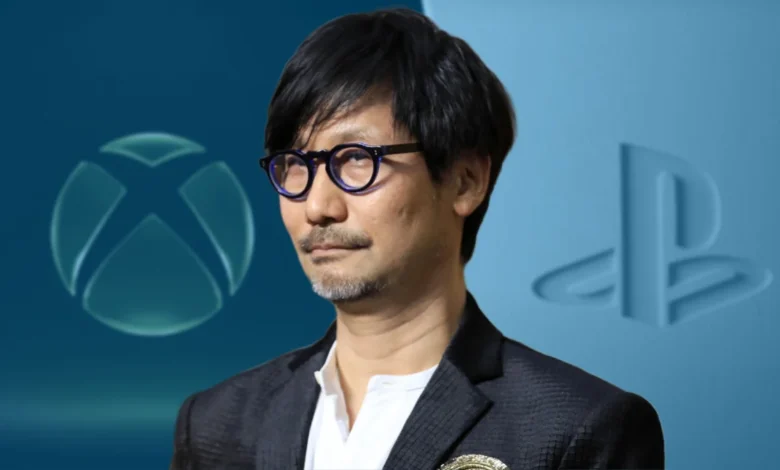
The video game industry was recently sent into a state of flux when news broke that Sony had abruptly stepped away from publishing Physint, the highly anticipated action-espionage title from renowned auteur Hideo Kojima and his independent development studio, Kojima Productions. Originally announced as a PlayStation-exclusive project that would reunite Kojima with Sony’s cinematic division, the sudden shift in publishing duties to Microsoft’s Xbox caught both the industry and the developer entirely off guard. In a revealing new interview, Hideo Kojima has opened up about the initial shock of losing Sony’s backing, the stark economic realities facing modern game development, and how Xbox quickly stepped in to secure the future of the project.
The Anatomy of a Sudden Breakup
The unraveling of the long-standing partnership between Sony Interactive Entertainment and Kojima Productions began behind closed doors, culminating in a fateful meeting that Kojima admits left him momentarily paralyzed. For decades, Kojima’s name has been synonymous with PlayStation hardware, largely due to his foundational years building the Metal Gear Solid franchise under Konami, and later establishing Kojima Productions as a PlayStation-aligned independent studio that produced 2019’s Death Stranding.
However, escalating production costs, shifting corporate strategies within Sony, and growing anxieties surrounding the commercial profitability of high-budget AAA exclusives created an insurmountable wedge. During the crucial briefing, Sony executives informed Kojima that the corporation could no longer sustain the mounting financial burden required to fund Physint through its development lifecycle.
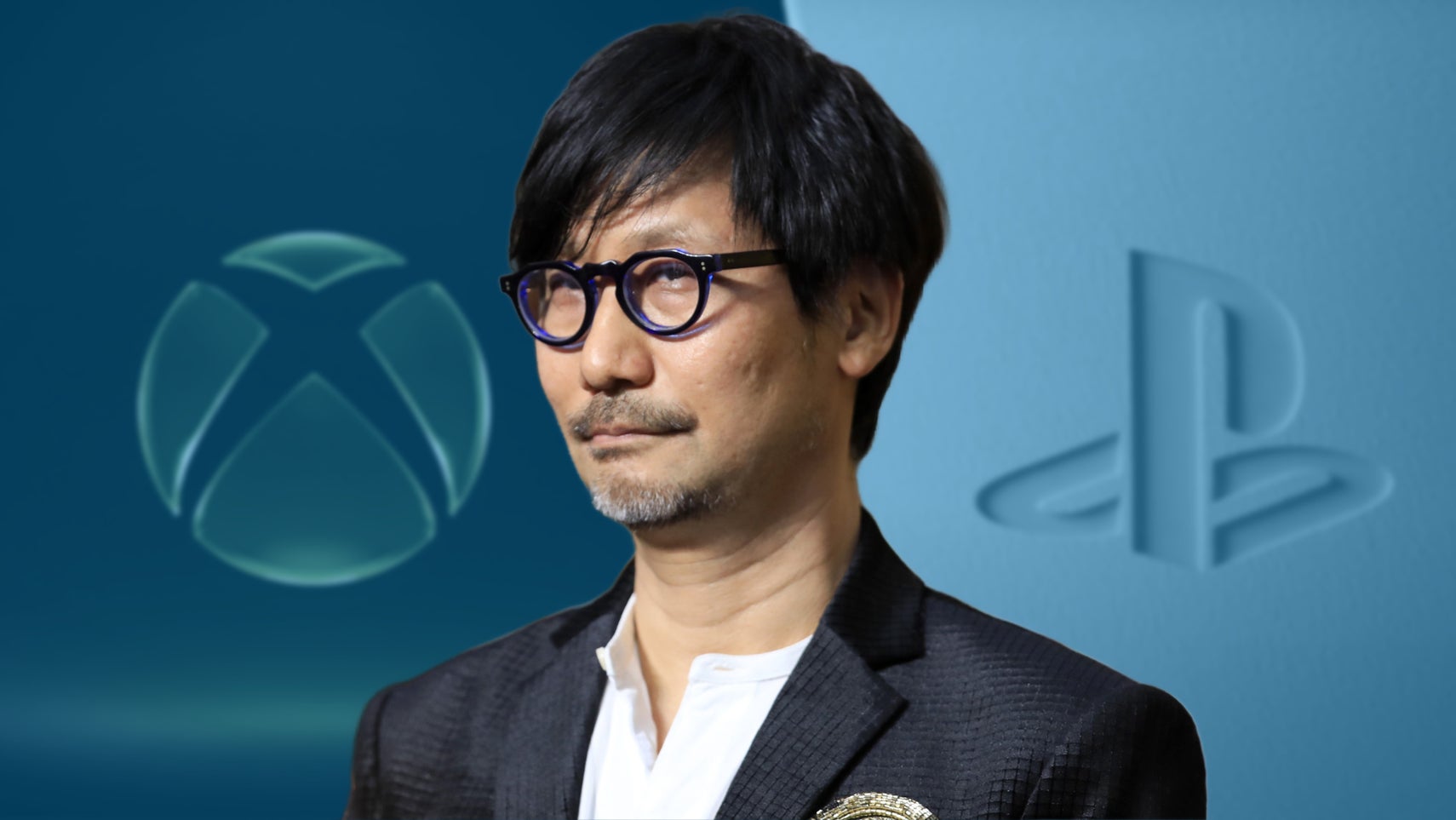
Reflecting on the meeting, Kojima admitted to gaming media that the details remain somewhat hazy due to the sheer disbelief he experienced in the moment. Nothing in his storied career—spanning multiple decades and massive critical successes—had prepared him for the rug to be pulled out from under a tentpole project. The immediate realization that a long-term institutional pillar was withdrawing its resources sparked genuine existential fears for the independent studio, which recently marked its tenth anniversary. Kojima confessed that for a brief window, he genuinely wondered how the studio would survive the fallout and what the next day would bring.
A Three-Decade Relationship Tested by Modern Industry Realities
The parting of ways between Sony and Kojima highlights a broader, systemic crisis currently sweeping through the interactive entertainment sector. Over the past few years, the video game industry has experienced unprecedented turbulence, marked by widespread studio closures, thousands of layoffs, and a noticeable corporate aversion to financial risk. Rising development budgets—often stretching into hundreds of millions of dollars—have made platform holders increasingly cautious about greenlighting risky, unproven intellectual properties.
Kojima noted that his relationship with Sony executives dates back roughly thirty years, encompassing historical leadership figures such as Ken Kutaragi and Kazuo Hirai. While those early decades were defined by close collaborative synergy, the corporate landscape has since evolved into a colder, metrics-driven environment. Despite the abrupt cancellation of funding, Kojima has maintained a remarkably diplomatic stance, expressing no personal animosity toward Sony. He acknowledged that the contemporary games market is fraught with economic pressures that force companies to make ruthless, bottom-line decisions, even if those decisions involve parting ways with legendary creators.
Xbox Steps In: A Lifeline for Physint
Fortunately for Kojima Productions, the void left by Sony was swiftly filled by Microsoft and the Xbox team. Xbox’s aggressive push to secure high-profile partnerships and expand its creative portfolio proved to be the ultimate safety net for Physint.

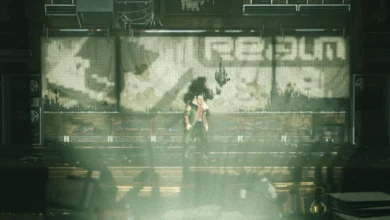
The transition to Xbox was not entirely built from scratch. Kojima Productions was already actively collaborating with Microsoft on OD, an experimental horror project leveraging cloud technology. Because an existing operational bridge was already established, Kojima was able to rapidly pivot and pitch Physint to Xbox leadership. According to Kojima, the pitch was met with an overwhelmingly enthusiastic response, with Xbox executives remarking that it was one of the most compelling and innovative project pitches they had ever encountered.
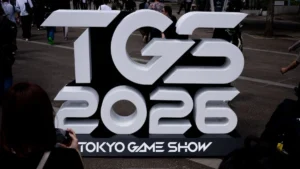
Microsoft’s technical infrastructure and willingness to absorb the financial risks associated with AAA development made them an ideal partner to take over publishing responsibilities. This pivot was officially underscored during the recent Tokyo Game Show (TGS), where both Physint and OD took center stage as marquee titles in the Xbox showcase, cementing a deeply collaborative future between the platform holder and the auteur studio.
Official Pushback Against Speculative Reports
In the wake of the publishing shift, various media reports and online commentaries began speculating about the internal health of Kojima Productions, questioning the profitability of the Death Stranding franchise and casting doubt on the studio’s broader production capabilities. These rumors prompted Kojima Productions to issue a rare, formal statement addressing the speculation directly.
The studio asserted that while it typically maintains a policy of silence regarding unsubstantiated internet rumors, the narrative had crossed a line by impacting fans, creative partners, and long-standing industry colleagues. The official statement clarified that none of the negative claims regarding the studio’s financial health originated from verified or on-the-record sources.

Furthermore, Kojima Productions explicitly reassured the public that the studio remains in a robust, profitable financial state. Development on Physint is actively proceeding under the Xbox publishing banner, and the studio emphasized that its historical relationship with PlayStation remains fundamentally strong despite the commercial restructuring of this single project.
Broader Implications for the Gaming Industry
The successful rescue of Physint by Xbox serves as a fascinating case study in modern publishing politics and multi-platform strategy. As development costs continue to soar, the era of rigid platform exclusivity is undergoing a gradual evolution. Publishers are increasingly evaluating risk tolerance on a project-by-project basis rather than relying solely on historic brand loyalties.
For Microsoft, doubling down on Kojima is a calculated statement of intent. An Xbox spokesperson reiterated that backing visionary creators like Kojima is a vital cornerstone of their strategy to deliver groundbreaking intellectual properties to global audiences. By stepping in where a rival platform holder stepped back, Xbox has not only secured two major blockbusters—Physint and OD—but has also positioned itself as the premier destination for elite, auteur-driven game development.
As Kojima Productions navigates its second decade of independence, the studio has successfully weathered what could have been a catastrophic corporate setback. With financial backing secured, technical support from Microsoft confirmed, and creative momentum unabated, Physint remains on track to redefine the action-espionage genre, proving that resilience and industry-wide demand can successfully alter the course of modern game development.