Apple iPhone 18 Pro Battery Capacities Revealed Through Teardowns and Regulatory Filings Showing Regional Variations

Apple continues its long-standing tradition of keeping exact hardware specifications hidden from official marketing materials, leaving third-party experts, regulatory bodies, and teardown specialists to uncover the inner workings of its latest flagship smartphones. Following the global rollout of the iPhone 18 series, new details regarding the battery capacities of the iPhone 18 Pro and iPhone 18 Pro Max have surfaced. Through a comprehensive teardown performed by the repair specialists at iFixit and mandatory public energy efficiency filings submitted within the European Union, consumers and tech analysts now have a clear picture of the power cells driving Apple’s newest generation of mobile computing.
While Apple prefers to frame its battery performance in terms of real-world use—claiming up to 45 hours of video playback under optimal conditions—the physical realities inside the chassis tell a more granular story. The newly uncovered data not only highlights incremental hardware improvements year-over-year but also exposes unexpected discrepancies between regional hardware variants sold in North America versus the European market. These findings arrive alongside news of increased out-of-warranty repair costs, further complicating the total cost of ownership for early adopters.
iFixit Teardown Reveals North American Battery Capacities
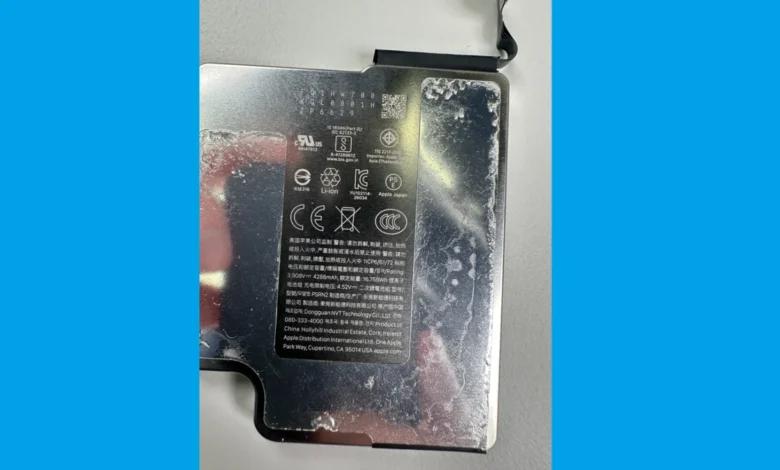
The process of discovering smartphone internal specifications has become an annual ritual for hardware analysts. Apple famously lists only estimated media consumption metrics on its website, forcing consumers to rely on regulatory disclosures and destructive teardowns to understand the exact physical composition of their devices. The latest intelligence regarding the North American variant of the iPhone 18 Pro comes courtesy of iFixit, whose recent teardown of the newly launched handset provided precise measurements of its internal energy storage.
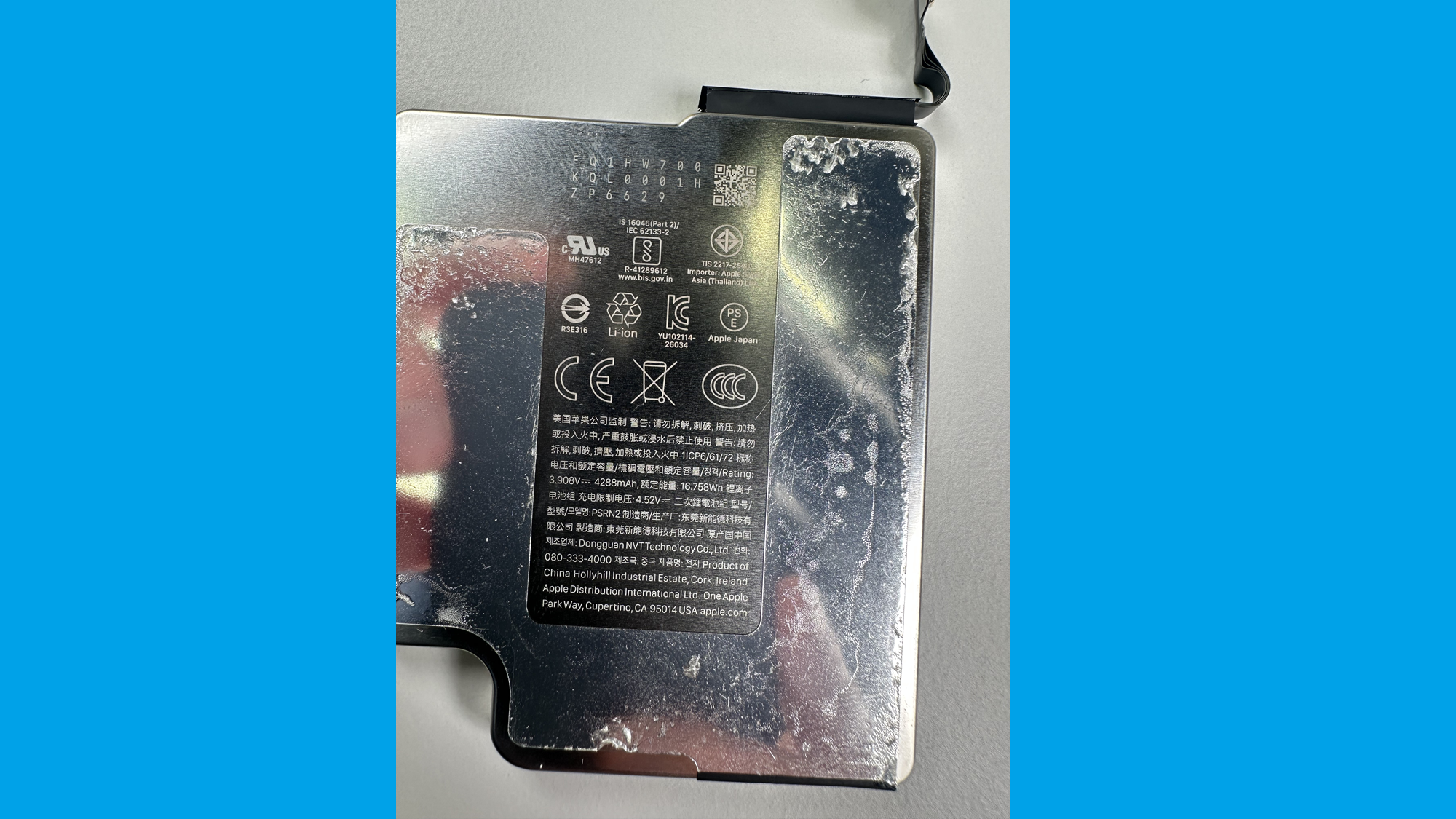
According to the teardown analysis shared with industry publications, the North American version of the iPhone 18 Pro features a battery capacity rated at 4,288 milliamp-hours (mAh). When compared directly against the eSIM-only variant of the previous-generation iPhone 17 Pro, which housed a 4,252 mAh power cell, the new hardware represents a modest year-over-year increase of approximately 1%.
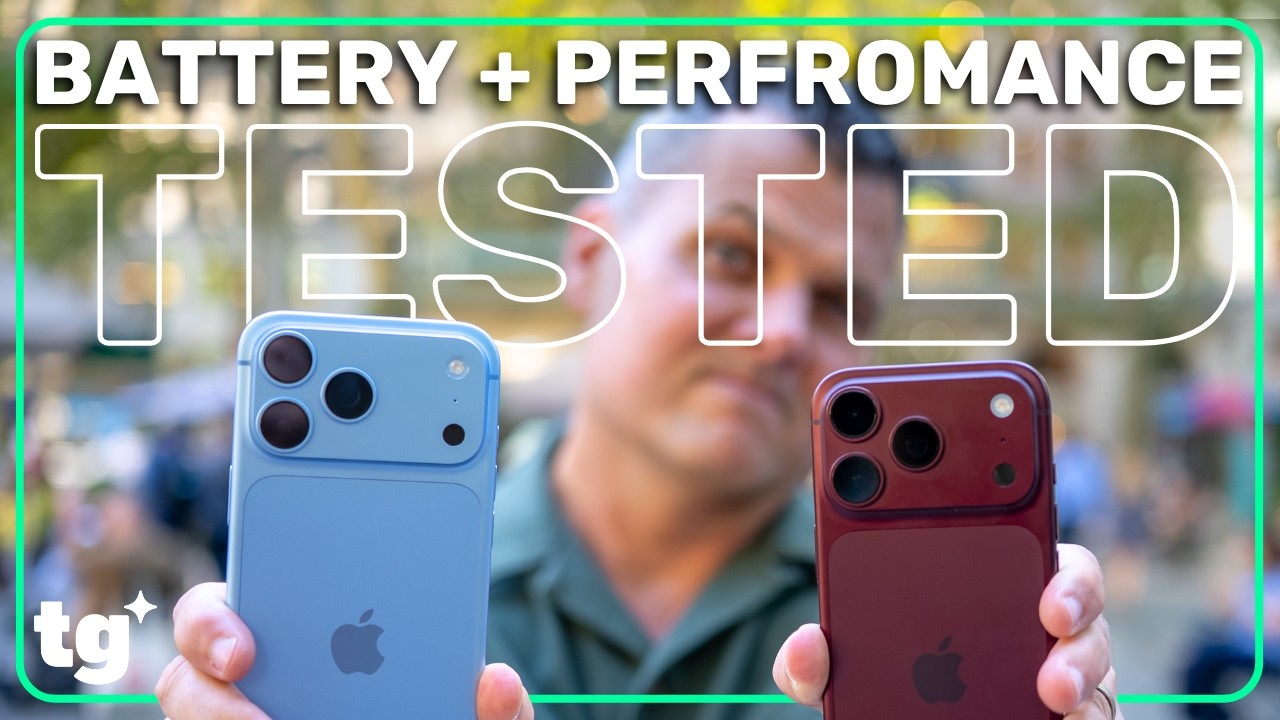
Despite the seemingly negligible physical growth in battery capacity, real-world benchmarks demonstrate a more pronounced efficiency gain. Independent battery testing of the iPhone 18 Pro reveals an extension of roughly one hour in continuous usage time, pushing longevity up to 16 hours and 17 minutes compared to the 15 hours and 17 minutes achieved by its predecessor. Industry analysts attribute this discrepancy—where a 1% increase in battery size yields a disproportionately higher operational longevity—to the architectural advancements found within Apple’s new A20 Pro system-on-chip. Built on an advanced fabrication node, the A20 Pro significantly reduces power draw across demanding computational and graphical tasks, allowing the device to stretch every milliamp-hour further than previous silicon iterations.
Regional Discrepancies: North America Versus the European Union
One of the most intriguing revelations accompanying the iPhone 18 launch cycle is the confirmation of hardware variations between units sold in North America and those distributed within the European Union. These differences are brought to light largely due to strict EU regulatory compliance frameworks, which mandate that all smartphones sold in member states feature publicly accessible Energy Labels detailing critical specifications, including precise battery capacities.
European regulatory documentation indicates that the EU-destined iPhone 18 Pro carries a 4,056 mAh battery, while the larger iPhone 18 Pro Max is listed with a 5,391 mAh capacity. When juxtaposed with the 4,288 mAh capacity discovered inside the North American iPhone 18 Pro, a noticeable variance emerges.
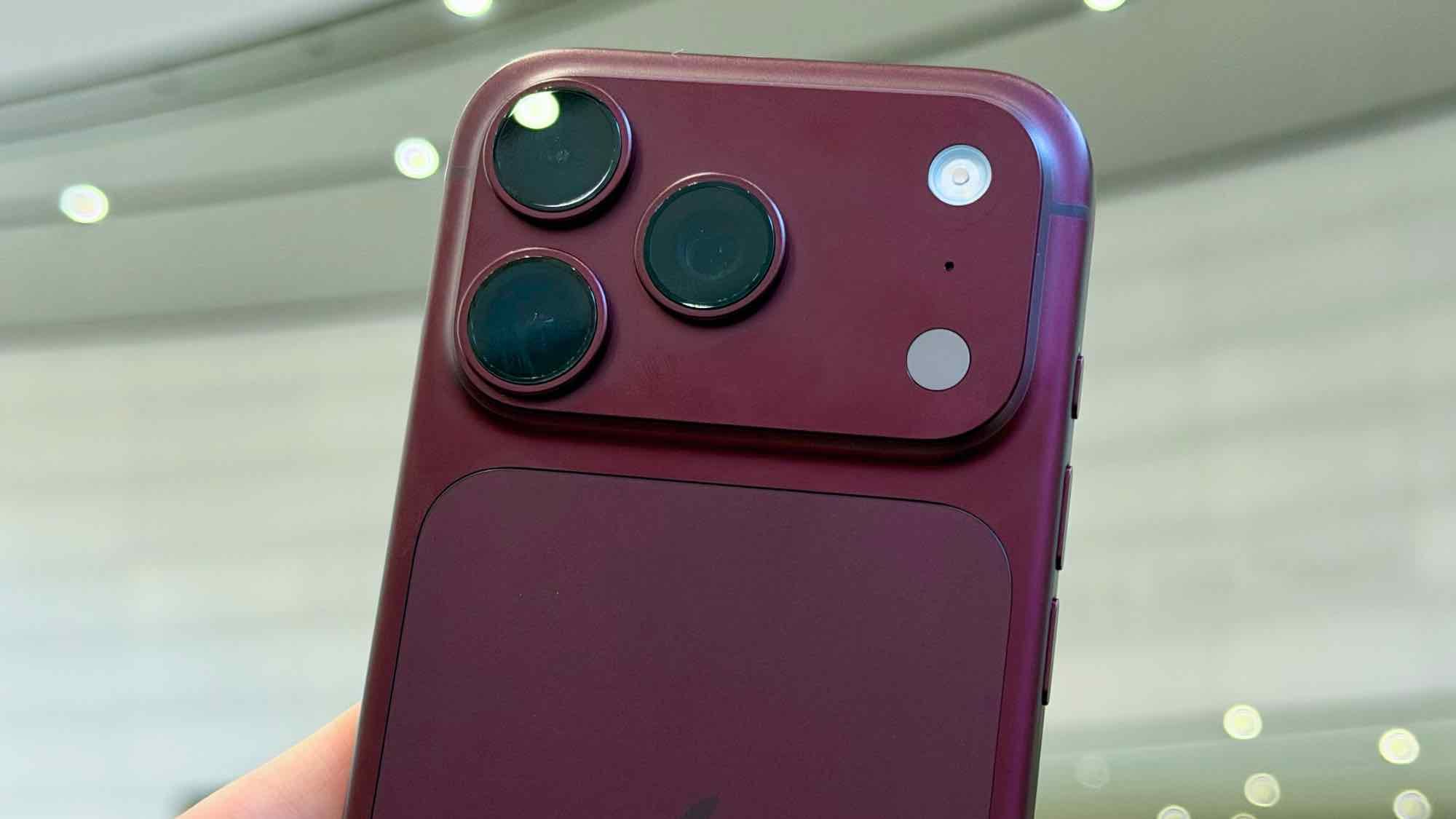
The structural divergence between regional models is primarily driven by regulatory and telecommunications infrastructure differences. In the United States and select North American markets, Apple has transitioned entirely to eSIM technology, removing the physical SIM card tray to free up internal volume. Conversely, European markets continue to support physical nano-SIM cards alongside digital eSIM options. The inclusion of a physical SIM card reader requires dedicated internal space within the chassis, forcing engineers to alter component placement and subtly adjust battery geometry and capacity to accommodate regional regulatory and carrier requirements. Consequently, European consumers receive a device with a slightly smaller physical battery cell than their North American counterparts, though software optimizations and regional network bands continue to heavily influence day-to-day longevity.
Escalating Repair Costs and the Economics of Ownership
Beyond hardware specifications and energy efficiency, the release of the iPhone 18 Pro series has brought renewed scrutiny to Apple’s after-sales support pricing. Alongside the base model price adjustments—which saw Apple elevate the starting price of the entry-level 256GB iPhone 18 Pro and Pro Max configurations by $100—out-of-warranty service costs have also climbed.
Consumers requiring an official battery replacement outside of their standard one-year limited warranty or standard consumer protection laws will now face a charge of $129, plus applicable local taxes. This represents a $10 increase compared to the $119 repair fee levied for the preceding iPhone 17 Pro generation. While other hardware repair categories, such as screen replacements and rear-glass repairs, have remained relatively stable, the baseline cost of maintaining a flagship Apple smartphone continues an upward trajectory.
Historical tracking indicates that Apple selectively adjusts repair pricing in tandem with broader hardware redesigns and introductory price hikes. The last comparable upward adjustment for battery servicing occurred alongside the launch of the iPhone 16 Pro, which similarly experienced a baseline retail price increase. Industry observers note that these incremental cost adjustments place financial pressure on consumers who choose to retain their devices for multiple years, making optional protection plans increasingly relevant.
Implications of AppleCare+ and Extended Device Longevity
As flagship smartphones breach higher price ceilings—both at the point of initial purchase and during maintenance—the value proposition of extended service coverage plans like AppleCare+ undergoes a reevaluation by consumers. With the baseline cost of the iPhone 18 Pro family sitting higher than previous generations and out-of-warranty component swaps growing more expensive, unexpected hardware failures carry a heavier financial penalty.
AppleCare+, which bundles unlimited incidents of accidental damage protection alongside zero-deductible battery replacements for batteries that retain less than 80% of their original capacity, serves as a financial hedge against these escalating service fees. For users intending to hold onto their hardware past the standard multi-year software support window, the subscription-based or upfront cost of comprehensive protection frequently offsets the cumulative risk of paying individual out-of-warranty repair bills.
Furthermore, the emphasis on battery longevity—bolstered by the energy-efficient A20 Pro chip—suggests that Apple is designing its hardware to endure extended usage lifecycles even as physical battery capacities remain largely static. By maximizing the computational efficiency of the silicon, the company seeks to mitigate the natural degradation of the lithium-ion power cells, ensuring that the device maintains competitive daily endurance over a multi-year ownership lifecycle.
Conclusion and Broader Market Context
The unearthing of the iPhone 18 Pro’s internal battery specifications via iFixit teardowns and European energy documentation provides a transparent look at Apple’s iterative hardware engineering strategy. While headline-grabbing battery capacity increases remain minimal on paper—hovering around a 1% physical expansion in North American units—the integration of the ultra-efficient A20 Pro architecture successfully translates into measurable gains in daily operational endurance.
At the same time, the divergence between North American eSIM variants and EU physical SIM models underscores the complex engineering compromises required to navigate disparate global regulatory frameworks and telecommunications standards. Coupled with rising out-of-warranty maintenance costs, the iPhone 18 Pro launch highlights an evolving consumer landscape where hardware capability, regulatory compliance, and total cost of ownership are increasingly intertwined. As teardown analysis and regulatory transparency continue to strip away the shroud of mystery surrounding modern mobile devices, consumers are better equipped than ever to evaluate the true composition and long-term viability of their technology investments.