Rockstar Games Tightens Restrictions on Modding Community Ahead of Grand Theft Auto VI Launch

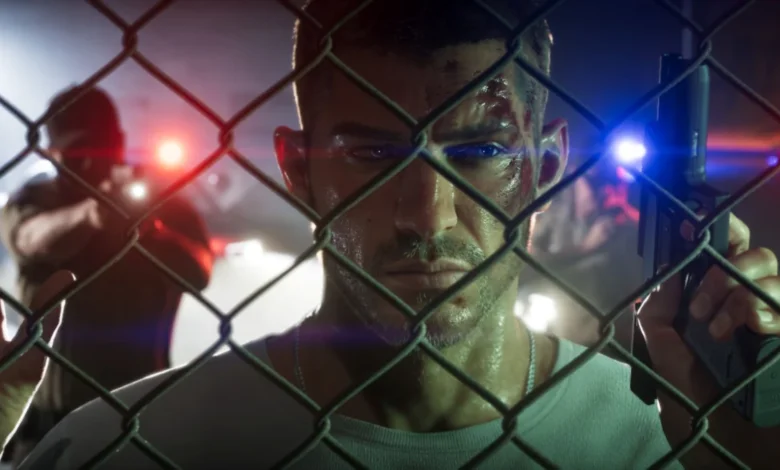
Rockstar Games has introduced a sweeping overhaul to its official modding guidelines, imposing strict limitations on fan-made modifications for its catalogue of titles, including Grand Theft Auto V and the highly anticipated Grand Theft Auto VI. The updated policies, which were quietly revised earlier this month, draw a definitive line in the sand regarding what content creators can and cannot do within the studio’s virtual sandboxes. While some measures target standard industry protections against harassment and commercial monetization, other clauses effectively outlaw beloved community traditions such as cross-franchise crossovers, unauthorized multiplayer frameworks, and the inclusion of third-party intellectual property.
The tightening of these regulations arrives at a critical juncture for the developer. As the gaming industry and millions of fans worldwide brace for the eventual launch of Grand Theft Auto VI—alongside its inevitable migration to personal computers—Rockstar is seemingly attempting to exercise unprecedented control over its intellectual property ecosystem. Historically, the modding community has been a double-edged sword for the publisher: driving long-term engagement and revitalizing older titles, yet occasionally creating legal gray areas, competitive multiplayer alternatives, and copyright complications.
Overview of the Updated Mod Guidelines
According to the revised documentation published on Rockstar Games’ official community resources portal, the studio has categorized its expectations into distinct compliance pillars. The first major mandate instructs creators to strictly "respect our games." Under this rule, modders are explicitly forbidden from expanding upon, altering, or reinterpreting official storylines, narrative plots, mission structures, established characters, or existing continuity.
Furthermore, the guidelines prohibit the blending of assets, maps, characters, or engines across different franchises within the Rockstar portfolio. This effectively rules out popular legacy concepts such as transporting Arthur Morgan from Red Dead Redemption into the neon-lit streets of Vice City or integrating elements of Max Payne into the Grand Theft Auto universe.
Multiplayer modifications have also faced severe curtailment. Rockstar has stipulated that multiplayer modding is now strictly restricted to its official, licensed Creator Platform or explicit direct licensing agreements granted by the developer. The rules explicitly forbid the porting or modification of Rockstar titles to operate on hardware, consoles, or platforms where the games have not been officially released by the studio.
Intellectual Property and Third-Party Assets
Perhaps the most disruptive change for everyday content creators is the total prohibition of third-party intellectual property. Modders are no longer permitted to incorporate external assets—including artwork, audio, musical compositions, real-world brand logos, corporate advertisements, third-party characters, or real-world locations—into their modifications.
This strict enforcement threatens to eradicate a cornerstone of internet gaming culture: the ubiquitous inclusion of random, cross-franchise memes and pop-culture figures into video game environments. For years, communities have celebrated the tradition of inserting characters like Shrek, Thomas the Tank Engine, or various anime icons into high-fidelity titles like Grand Theft Auto V and Skyrim. Under the new guidelines, these humorous interventions violate copyright boundaries and expose creators to swift regulatory action.
Conversely, certain segments of the updated policy have been widely acknowledged as fair and standard industry practice. Rockstar has maintained a zero-tolerance stance toward abuse, bullying, threats, and harassment within community spaces. Additionally, the unauthorized commercialization or monetization of mods remains strictly banned unless expressly authorized through official company channels, such as the Creator Platform.
Background and Historical Context of Rockstar’s Mod Policy
To understand the weight of Rockstar’s recent policy shift, it is necessary to examine the complex historical relationship between the publisher and its modding community. For over two decades, the modding scene has been instrumental in sustaining the longevity of Grand Theft Auto. Titles like Grand Theft Auto: San Andreas and Grand Theft Auto V owe a significant portion of their sustained cultural relevance to grassroots developers who created total conversions, graphical overhauls, and custom roleplaying servers.
However, this relationship has not always been harmonious. In 2015, Rockstar faced considerable backlash when a popular third-party multiplayer tool for Grand Theft Auto V, known as FiveM, was targeted by the publisher, resulting in the temporary banning of its creators. Years later, rather than continuing an adversarial path, Rockstar shifted strategy. In August 2023, the studio officially acquired Cfx.re, the development team behind FiveM and RedM, effectively bringing major Grand Theft Auto and Red Dead Redemption roleplaying server frameworks under its corporate umbrella.
More recently, indications of Rockstar’s structured approach to community multiplayer emerged when the company officially announced a dedicated, sanctioned GTA Online Roleplay server initiative, signaling a desire to centralize and monetize an ecosystem that had previously operated entirely through independent grassroots efforts.
Broader Implications for Grand Theft Auto VI and the Industry
The implementation of these stringent guidelines carries profound implications for the future of the modding community, particularly concerning Grand Theft Auto VI. When Grand Theft Auto V launched on PC in 2015, it birthed a massive, creative, and sometimes chaotic modding ecosystem that pushed the technical boundaries of the game well beyond its original design. Industry analysts suggest that the new regulations will likely suppress the volume and variety of zany, experimental, or crossover mods expected for the upcoming sequel.
Furthermore, recent statements from corporate partners have fueled speculation regarding the rollout of future content. Notably, comments made by Twitch’s CEO hinted that Grand Theft Auto VI Online could potentially debut as early as next year, aligning with Rockstar’s broader strategy to tightly manage its online infrastructure, security, and revenue streams from day one.
Fact-Based Analysis of Regulatory and Legal Motivations
From a corporate and legal perspective, tightening control over user-generated content is a common strategy for major AAA publishers preparing to launch high-budget entertainment properties. Grand Theft Auto VI represents one of the most expensive and anticipated media launches in history, involving hundreds of millions of dollars in production and marketing investments.
By establishing rigid boundaries, Rockstar aims to protect its brand identity, prevent potential copyright liability arising from unauthorized third-party assets, and safeguard its proprietary online economy from exploits and unapproved monetization schemes. As the industry transitions further into live-service frameworks and heavily capitalized virtual worlds, the era of the "wild west" modding community is steadily giving way to highly regulated, corporate-sanctioned ecosystems.