Protecting Your New iPhone: Why Investing in a Premium VPN is Essential This Black Friday

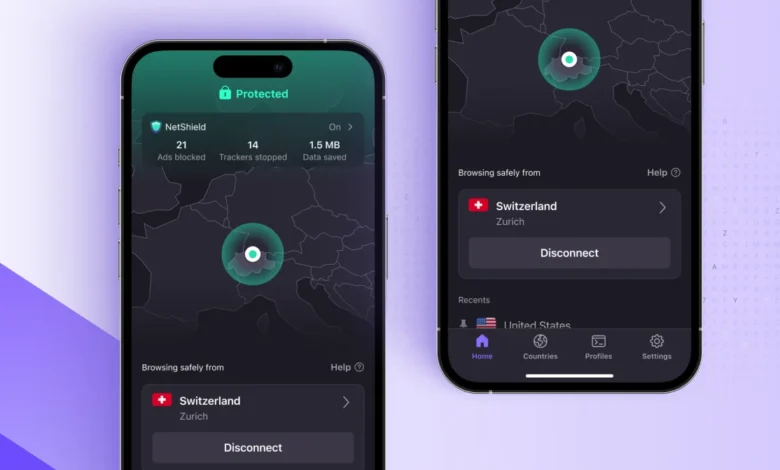
The arrival of the holiday shopping season, headlined by Black Friday, frequently results in a significant surge in consumer electronics sales, particularly premium smartphones like the latest iPhone models. While consumers are quick to secure their hardware with protective cases and screen protectors, digital security—specifically the protection of personal data transmitted over public and private networks—often remains an afterthought. As mobile devices become the primary gateway for banking, communication, and personal storage, the necessity for robust, encrypted connectivity has never been more critical. Industry analysts and cybersecurity experts increasingly advocate for the use of Virtual Private Networks (VPNs) as a standard component of mobile security architecture.
The Evolution of Mobile Security Threats
The landscape of mobile cybersecurity has shifted dramatically over the past decade. As smartphones have evolved into sophisticated handheld computers, they have become prime targets for malicious actors seeking to intercept unencrypted data. When a user connects to a public Wi-Fi network—such as those found in airports, coffee shops, or retail centers—the data transmitted between the device and the internet is potentially visible to anyone monitoring the local network traffic. Without encryption, sensitive information including login credentials, financial details, and private communications can be intercepted.
A VPN functions by creating an encrypted "tunnel" between the device and a secure server, effectively masking the user’s IP address and rendering their data unreadable to third parties. For users who have recently invested in high-end hardware, the risk of data compromise outweighs the nominal cost of subscription-based security services.
The Risks of Free VPN Services
While the mobile application market is saturated with "free" VPN offerings, security researchers have repeatedly issued warnings regarding the business models that underpin these services. The "zero-cost" model often necessitates alternative revenue streams, which can include the harvesting and selling of user browsing habits to third-party marketing firms and advertising aggregators.
Furthermore, a significant portion of free VPN apps have been identified as potential vectors for malware. In recent years, investigations into top-rated apps on major mobile platforms have revealed that some providers lack genuine encryption protocols, providing users with a false sense of security while actively logging their activity. In contrast, reputable providers like Proton VPN maintain transparency through open-source software and consistent third-party auditing, ensuring that the service functions as advertised without compromising user privacy.
Proton VPN: A Case Study in Independent Auditing
Proton VPN, based in Switzerland, has distinguished itself in the market through a commitment to "no-logs" policies that have been verified by independent security firms. For the past five consecutive years, the company has undergone rigorous, publicly available security audits. These audits are critical in an industry where claims of privacy are common, but verifiable evidence is often lacking.
By opting for a subscription-based model, companies like Proton are able to align their incentives with the user rather than with advertisers. This model provides the necessary capital for continuous infrastructure investment, including high-speed server maintenance and the development of intuitive user interfaces that cater to both technical and non-technical users.
Strategic Timing: Why Black Friday is the Optimal Window
The intersection of Black Friday promotions and cybersecurity service discounts provides a unique opportunity for consumers to secure long-term protection at a reduced cost. Historically, VPN providers offer their most aggressive pricing during this period. For example, current promotions have seen monthly subscription costs reduced significantly, sometimes dropping below the $2.50 threshold when calculated as part of an annual or multi-year commitment.
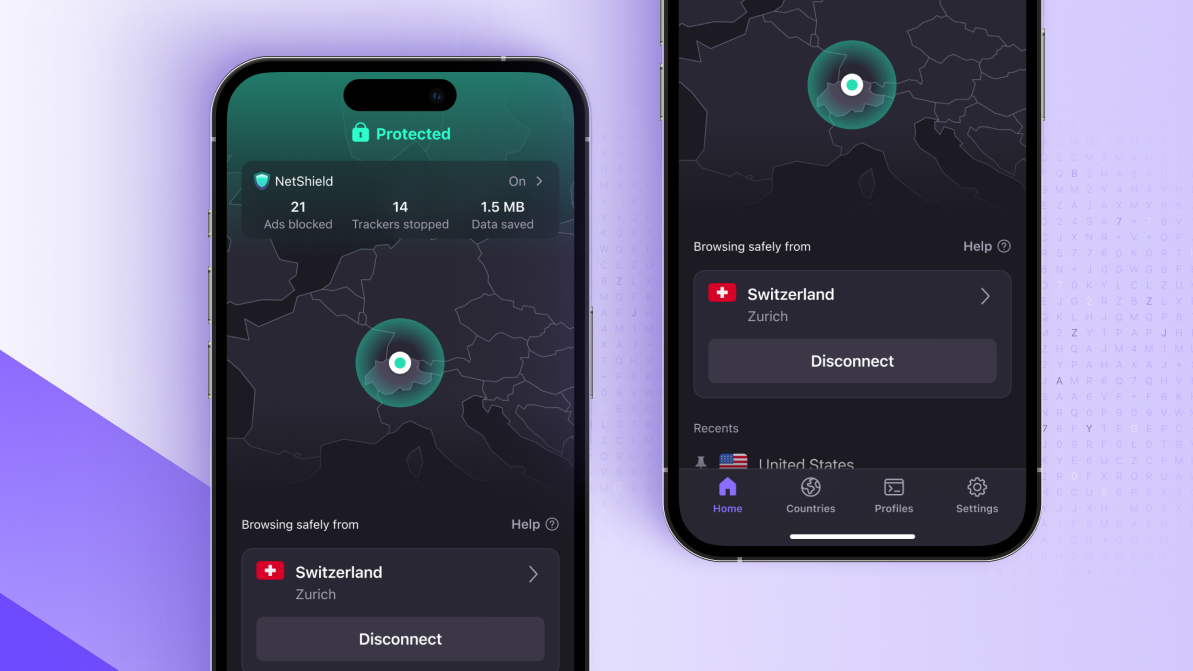
This pricing strategy is designed to encourage long-term adoption, which is essential for consistent security. Cybersecurity is not a one-time event; it requires the constant use of protective measures to ensure that every session—whether at home or on a public network—is shielded from prying eyes.
Technical Infrastructure and Multi-Device Management
Modern VPN solutions have moved beyond the desktop, evolving into seamless, multi-platform ecosystems. A robust VPN service today must offer native applications for iOS, macOS, Windows, Android, and Linux. The current standard for premium services allows for simultaneous connections across multiple devices, often ranging from 10 to an unlimited number of concurrent sessions.
This multi-device capability is particularly important for households where multiple users may be accessing the internet on a variety of devices simultaneously. By configuring a VPN on a mobile device, a user ensures that their activity remains private regardless of the network environment. The integration of modern protocols, such as WireGuard, further enhances the speed and reliability of these connections, ensuring that the security overhead does not negatively impact the user experience or battery life of the device.
The Broader Impact of Digital Privacy
The necessity for VPNs is compounded by the global rise in surveillance and the aggressive data-collection practices of large technology firms. As legislative bodies around the world debate the balance between privacy and national security, individual users are increasingly taking responsibility for their own data protection.
The implementation of a VPN is just one layer of a broader "defense-in-depth" strategy. When combined with multi-factor authentication (MFA), password managers, and regular software updates, a VPN forms a comprehensive barrier against common cyber threats such as phishing, man-in-the-middle attacks, and unauthorized tracking.
The Future of Mobile Privacy
As we move toward a future of increased connectivity—including the integration of Internet of Things (IoT) devices with mobile controllers—the importance of a secure, encrypted connection will only grow. The vulnerability of a single device can potentially open a gateway into a user’s entire digital life.
Experts suggest that the current trend of normalizing VPN usage on mobile devices is a positive development for internet safety. As public awareness grows, the expectation for privacy-centric defaults in software will likely increase, forcing providers to offer higher standards of security.
Conclusion: A Necessary Investment
Purchasing a new smartphone, such as the latest iPhone, is a significant financial commitment. The protection of the data stored on that device should be viewed as an essential extension of that investment. While the allure of free services is strong, the inherent risks associated with data-mining and potential malware exposure make them an unwise choice for those who value their digital sovereignty.
By leveraging seasonal discounts, consumers can access premium, audited, and highly secure VPN services at a fraction of their standard cost. In an era where data is frequently described as the most valuable commodity, the ability to control and protect one’s own information is not merely a technical advantage—it is a fundamental necessity for modern digital participation. Whether at home, in the workplace, or traveling on public transit, the use of a reliable VPN provides the peace of mind that personal information remains exactly that: personal.