OpenAI Acquires Software Developer Pierre Computer to Supercharge Codex AI Programming Tool

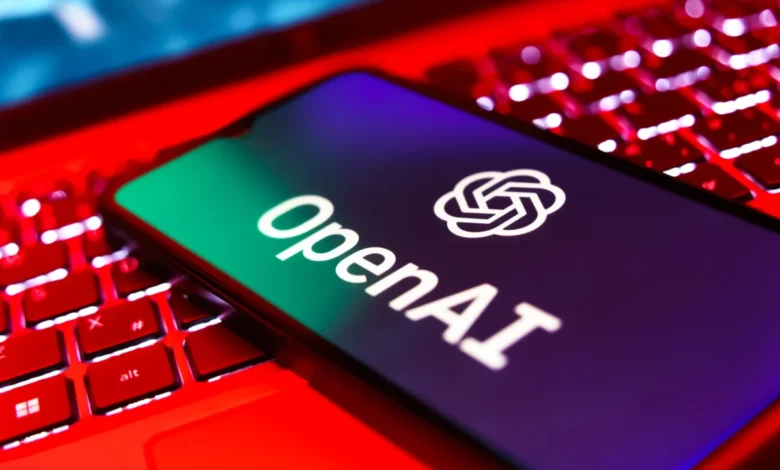
In a strategic move to reinforce its developer-focused ecosystem, artificial intelligence research and deployment company OpenAI has announced the acquisition of Pierre Computer Company, a specialized San Francisco-based software developer. The transaction centers on integrating Pierre Computer’s proprietary Code.Storage infrastructure layer for Git directly into OpenAI’s flagship AI-powered programming assistant, Codex. While financial terms of the acquisition were not disclosed by either entity, the deal highlights OpenAI’s aggressive push to capture market share in the rapidly evolving landscape of automated software engineering.
Pierre Computer, despite employing a lean workforce numbering barely in the double digits, commands significant industry respect and technical clout. The boutique firm is widely recognized throughout the software development community for its high-performance Code.Storage offering, alongside its foundational open-source software libraries, Trees and Diffs. Notably, OpenAI’s engineering teams were already familiar with these technologies, having previously incorporated components of Trees and Diffs into the architecture of Codex.
The integration of Pierre Computer’s infrastructure is expected to address longstanding bottlenecks associated with traditional version control systems, particularly as artificial intelligence begins to fundamentally alter how code is written, reviewed, and deployed.
Overcoming Version Control Limitations
As artificial intelligence models grow more autonomous and capable of handling complex programming tasks, the underlying infrastructure supporting software development has faced unprecedented strain. Traditional version control systems, most notably Git, were originally architected decades ago for human-to-human collaboration sequentially executing commits and managing branches. They were not inherently designed to handle the simultaneous, high-frequency modifications generated by autonomous AI coding agents operating at scale.
OpenAI has encountered these structural limitations firsthand during the internal scaling of Codex. To mitigate these bottlenecks, OpenAI’s in-house engineering teams have been actively developing new methodologies to optimize support for human programmers and AI agents working in parallel. Earlier this week, the company detailed the architecture of Pando, a newly constructed back end designed specifically for Git repositories to enable concurrent working at enterprise scale.
The acquisition of Pierre Computer directly complements these infrastructure upgrades. Code.Storage provides an advanced infrastructure layer that streamlines repository management, making it an ideal vehicle to support the massive volume of data processing required by modern AI-assisted development environments. By absorbing Pierre Computer, OpenAI aims to seamlessly bridge the gap between traditional version control and next-generation autonomous agent workflows.
Expanding the Codex Ecosystem Across Platforms
The buyout of Pierre Computer arrives amid a broader, highly accelerated campaign by OpenAI to expand the reach and capability of Codex throughout 2024. Over the course of the year, the AI developer has systematically broadened the accessibility of its coding assistant across major desktop operating systems. This included launching Codex as a dedicated macOS application tailored for Apple ecosystem users, followed shortly thereafter by a strategic expansion bringing the AI coding app to the Windows platform.
Throughout these expansions, OpenAI has consistently emphasized features that aid developers in code review and collaborative editing. In official statements regarding the Pierre Computer acquisition, OpenAI specifically highlighted the utility of Diffs’ Edit mode and the recently released Highlights feature. These components have proven instrumental in helping development teams parse, review, and refine codebases efficiently, reducing the cognitive load associated with merging AI-generated contributions into legacy or complex enterprise systems.
Integration Roadmap and Continuity for Customers
Addressing the operational future of Pierre Computer’s existing client base, OpenAI outlined a structured transition plan. Current customers utilizing Code.Storage will experience uninterrupted service, with permission to continue using the product until OpenAI officially migrates and embeds its core features directly into the Codex platform.
Furthermore, OpenAI has committed to preserving the open-source integrity of Pierre Computer’s broader portfolio. The company confirmed that Pierre Computer’s prominent open-source software libraries, Trees and Diffs, will remain fully open-source. OpenAI intends to maintain active participation in these projects, continuing to contribute resources, code, and community support to ensure their ongoing evolution.
In an official statement published on its corporate news page, OpenAI articulated its overarching vision for the partnership:
"With the Pierre team, we wish to set the standard for modern software development: from the first branch an agent creates to that magic moment when code is deployed to the world. We want to make Codex the place where developers and agents take on their most ambitious projects."
Industry Implications and Future Outlook
The acquisition of Pierre Computer Company by OpenAI underscores a broader macroeconomic trend within the technology sector: the consolidation of specialized developer-tool infrastructure by foundational large language model providers. As the race to commercialize artificial intelligence shifts from general-purpose chatbots to specialized, high-utility agentic systems, infrastructure bottlenecks have emerged as the primary barrier to widespread enterprise adoption.
By absorbing a nimble, highly specialized team with deep expertise in version control and repository architecture, OpenAI is systematically neutralizing infrastructure risks that could otherwise impede the scaling of Codex. Analysts suggest that owning the complete vertical stack—from the underlying foundational model and desktop application interface down to the Git infrastructure layer—will provide OpenAI with a distinct competitive advantage over rival AI coding assistants offered by legacy software giants and independent startups alike.
As software development increasingly transitions toward a collaborative model shared between human engineers and autonomous agents, the success of platforms like Codex will rely heavily on the robustness of their underlying storage and synchronization layers. With the integration of Pierre Computer’s technology and the concurrent rollout of solutions like Pando, OpenAI is positioning itself not merely as an AI model provider, but as a comprehensive infrastructure architect for the future of software engineering.