Nicholas Moore Sentenced to Probation for Hacking U.S. Supreme Court and Federal Agencies

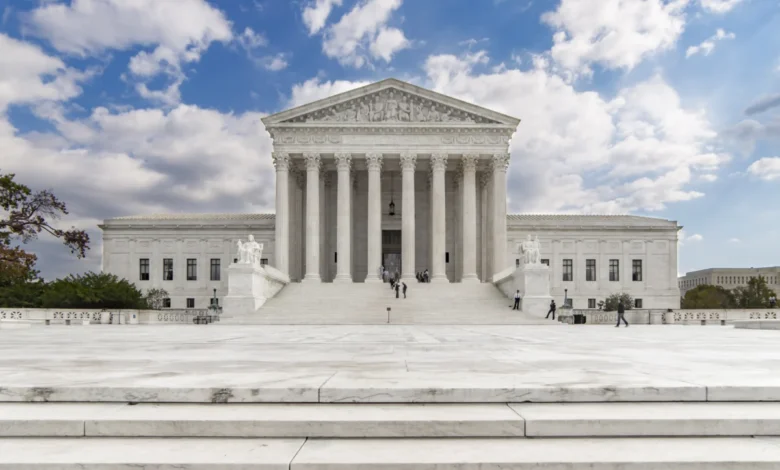
Nicholas Moore, a Tennessee man who admitted to a series of unauthorized intrusions into sensitive federal computer systems, including the U.S. Supreme Court’s electronic document filing system, has been sentenced to one year of probation. The sentencing, handed down on Friday, marks the culmination of a legal process that began with Moore’s guilty plea to charges stemming from multiple cyberattacks. The case highlights ongoing vulnerabilities in government cybersecurity and raises questions about the consequences for individuals who exploit them, even when facing significant potential penalties.
Moore’s digital transgressions extended beyond the nation’s highest court. Investigations revealed that he also gained unauthorized access to the networks of AmeriCorps, a federal agency dedicated to public service and volunteer programs, and the Department of Veterans Affairs (VA), which manages critical healthcare and welfare services for millions of American veterans. These breaches, occurring over several months, involved the exploitation of compromised credentials, underscoring a common and dangerous tactic in cybercrime.
A Digital Footprint of Arrogance: The @ihackedthegovernment Revelation
A significant element that brought Moore’s activities to light was his own boastful dissemination of his exploits on social media. Operating under the Instagram handle @ihackedthegovernment, Moore not only declared his success in breaching these federal entities but also, alarmingly, posted the personal information of individuals whose accounts he had compromised. This act of publicizing his illicit achievements and potentially endangering individuals served as a critical piece of evidence against him. The username itself was a clear indication of his intent and a direct challenge to the security protocols of the targeted organizations.
Moore’s method of access was not through sophisticated zero-day exploits but rather by utilizing the stolen credentials of one of his victims. This technique, often referred to as credential stuffing or phishing, is a widely used and effective method for cybercriminals to gain entry into systems. By obtaining legitimate login information, Moore was able to bypass many of the initial security barriers designed to prevent unauthorized access, making his subsequent intrusions into the U.S. Supreme Court, AmeriCorps, and the VA significantly easier. The ease with which he moved between these distinct government systems, all facilitated by a single set of compromised credentials, points to potential systemic weaknesses in how user access and data security are managed across different federal agencies.
The Legal Proceedings: From Potential Prison to Probation
Initially, Nicholas Moore faced a more severe potential penalty. Prosecutors had indicated he was looking at a maximum of one year in prison and a fine of $100,000 in damages. This reflected the gravity of the offenses, which involved tampering with systems vital to the functioning of the U.S. judiciary and critical government services. However, in a notable shift, the prosecution ultimately recommended probation, a decision that likely took into account various factors, including Moore’s cooperation, his plea of guilt, and his expressed remorse.
During the sentencing hearing, Moore offered a contrite statement, acknowledging his actions as a mistake. "I made a mistake," he stated, as reported by The Hill. "I am truly sorry. I respect laws, and I want to be a good citizen." This public apology and expression of a desire for lawful conduct likely played a role in the court’s decision to impose a probationary sentence rather than incarceration. The probationary period will likely involve strict conditions, including regular check-ins with probation officers, potential restrictions on internet usage, and possibly community service or restitution.
Chronology of a Cyber Intrusion Case
While a precise, publicly detailed timeline of Moore’s hacking activities is not fully available, the general sequence of events can be inferred from the available information:
- Undisclosed Period Prior to Discovery: Nicholas Moore likely began his cyber intrusions, identifying targets and developing methods for gaining unauthorized access. This would have involved reconnaissance and the acquisition of credentials.
- Breaches of AmeriCorps and Department of Veterans Affairs: Moore successfully gained access to the networks of these two federal agencies, likely using compromised credentials. The extent of data accessed and any actual damage caused during these breaches would have been part of the investigation.
- Hacking the U.S. Supreme Court Filing System: This was a particularly sensitive breach. Moore repeatedly accessed the Court’s electronic document filing system over several months. This system is crucial for the submission and management of legal documents for cases before the highest court in the United States.
- Publicizing Exploits on Instagram: At some point, Moore began using his @ihackedthegovernment Instagram account to brag about his hacks and share stolen personal information. This public display served as a significant catalyst for the investigation leading to his apprehension.
- Investigation and Apprehension: Federal law enforcement agencies, alerted by the breaches and Moore’s public pronouncements, initiated an investigation. This likely involved digital forensics, tracking his online activities, and correlating them with the unauthorized access incidents.
- Guilty Plea: Nicholas Moore pleaded guilty to the charges against him. This typically occurs after a period of investigation and potential arrest, where the defendant agrees to admit guilt in exchange for potential leniency or to avoid a lengthy trial.
- Sentencing: On Friday, Moore was sentenced to one year of probation by the court.
Supporting Data and Broader Context: The Landscape of Government Cybersecurity
Nicholas Moore’s case is not an isolated incident; it is emblematic of a persistent challenge faced by governments worldwide: the need to secure vast and complex digital infrastructures against increasingly sophisticated cyber threats.
- Prevalence of Credential-Based Attacks: According to various cybersecurity reports, stolen credentials remain one of the primary vectors for cyberattacks. A 2023 report by Verizon, for instance, highlighted that over 80% of hacking-related breaches involve the use of stolen or weak credentials. This underscores the importance of multi-factor authentication (MFA) and robust password management policies.
- Vulnerability of Federal Systems: Federal agencies, with their immense datasets and critical functions, are perennial targets for both state-sponsored actors and individual hackers. The U.S. Government Accountability Office (GAO) has consistently reported on cybersecurity weaknesses within federal agencies, often citing issues with access controls, patching of vulnerabilities, and insider threats. For example, reports have detailed persistent vulnerabilities in the VA’s IT systems, which are crucial for managing sensitive veteran health records.
- The Supreme Court’s Electronic Filing System: The U.S. Supreme Court implemented its electronic filing system, known as the Appellate E-Filing System (AEFS), to modernize its operations and streamline the submission of legal documents. While intended to improve efficiency, any breach of such a system raises concerns about the integrity of legal processes and the potential exposure of sensitive case information or personal data of litigants.
- Impact of Social Media in Cybercrime: The use of social media platforms to brag about cybercrimes, as Moore did, can serve as both a source of intelligence for law enforcement and a tool for the criminals to gain notoriety within certain online communities. This phenomenon complicates investigations and highlights the need for platforms to cooperate more effectively with law enforcement in identifying and removing malicious content.
Official Responses and Inferred Reactions
While direct, official statements from the U.S. Supreme Court, AmeriCorps, or the Department of Veterans Affairs regarding Nicholas Moore’s sentencing are not prominently featured in the initial reporting, it can be reasonably inferred that these agencies would view the outcome with a mixture of relief and continued vigilance.
- U.S. Supreme Court: The Court, as a symbol of the American justice system, would be particularly sensitive to any breach that could undermine public trust or compromise the integrity of its proceedings. The successful prosecution and sentencing, even to probation, would likely be seen as a step towards reinforcing the security of its digital infrastructure. However, the repeated nature of the intrusion would undoubtedly prompt internal reviews of their security protocols.
- Department of Veterans Affairs (VA): Given the sensitive health and personal information managed by the VA, any unauthorized access is a serious concern. The VA has historically faced challenges with its IT systems and data security. An outcome like Moore’s probation, while resolving this specific case, would likely spur continued efforts to strengthen their defenses and protect veteran data.
- AmeriCorps: As a government agency focused on public service, AmeriCorps would also be concerned about the security of its systems and the personal data of its staff and participants. This incident would likely reinforce the importance of cybersecurity awareness and robust security measures within the organization.
The prosecution’s decision to recommend probation, rather than pushing for a prison sentence, could be interpreted in several ways. It might reflect a belief that Moore’s remorse and cooperation were genuine, or it could be a strategic move to ensure a conviction and avoid the uncertainties of a trial. It also signals a potential shift in sentencing philosophy for certain types of cybercrimes, particularly when the perpetrator is a young individual who demonstrates a willingness to reform.
Broader Implications: Cybersecurity, Deterrence, and Public Trust
Nicholas Moore’s sentencing carries several broader implications for cybersecurity and the administration of justice:
- Deterrence and the Effectiveness of Probation: The probationary sentence, while less severe than imprisonment, still carries significant consequences. The conditions of probation, coupled with the public record of his conviction, can serve as a deterrent to others who might consider similar actions. However, the question of whether a probationary sentence is a sufficient deterrent for individuals who demonstrate a willingness to engage in serious cybercrime remains a subject of debate. The perception of leniency could, in some circles, diminish the perceived risk associated with such activities.
- The Ongoing Battle for Federal Cybersecurity: This case underscores the persistent need for continuous investment and improvement in the cybersecurity defenses of government agencies. The fact that Moore could repeatedly access sensitive systems, even with stolen credentials, highlights the critical importance of multi-layered security, advanced threat detection, and prompt patching of vulnerabilities. The financial and reputational costs of breaches, even those that do not result in severe immediate damage, are substantial.
- Public Trust and Data Protection: Breaches of government systems, especially those handling personal or sensitive information, erode public trust. The U.S. Supreme Court’s system, AmeriCorps, and the VA all manage data that is critical to the functioning of society and the well-being of citizens. Ensuring the security of this data is paramount to maintaining faith in governmental institutions.
- The Role of Social Media in Investigations: Moore’s use of social media to brag about his exploits demonstrates how online behavior can directly lead to legal consequences. This serves as a stark reminder that digital footprints are often indelible and can be used as evidence in criminal investigations.
In conclusion, Nicholas Moore’s sentence of probation concludes a chapter in a case that highlights the complex interplay between individual actions, technological vulnerabilities, and the legal system’s response to cybercrime. While Moore expressed remorse and was granted a second chance, the underlying issues of federal cybersecurity and the need for robust deterrents remain pressing concerns for national security and public confidence. The ongoing evolution of cyber threats necessitates a continuous commitment to strengthening defenses and adapting legal frameworks to ensure the protection of sensitive data and critical infrastructure.