Instagram for TV launches in India as Meta transitions creator content to the living room

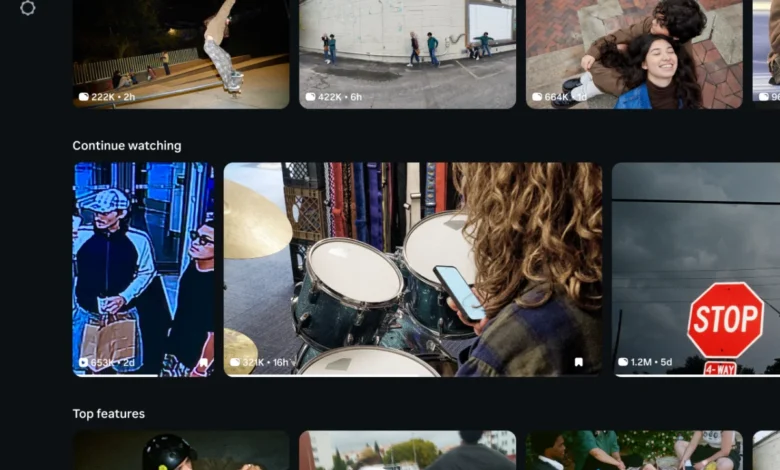
The arrival of Instagram for TV in the Indian market represents a significant strategic pivot for Meta, as the company seeks to integrate its short-form video ecosystem into the traditional home entertainment environment. Announced today at the House of Instagram event in Mumbai—Meta’s flagship annual gathering for India’s creator economy—the platform aims to bridge the gap between individual mobile consumption and collective living room viewing. This expansion will see the Instagram application become available on major smart TV operating systems, including Apple TV, Fire TV, and Google TV, within the coming days.
The Evolution of the Creator Economy in India
The Indian market has long been a critical growth engine for Meta, boasting one of the largest user bases for Instagram globally. The introduction of a dedicated TV application is a direct response to shifting consumption patterns. For years, the "creator economy" has been confined to the vertical orientation of smartphones. However, as Reels have matured into a primary medium for entertainment, education, and commerce, the demand for a more immersive, shared viewing experience has grown.
Industry analysts note that this move is a logical progression for Meta. By facilitating "co-viewing," the company is positioning Instagram to compete more directly with traditional streaming services and platforms like YouTube, which successfully transitioned to the living room years ago. The House of Instagram event serves as the primary stage for these announcements, highlighting the company’s commitment to providing Indian creators with tools to reach larger, more diverse audiences.
Chronology of the Transition
The integration of mobile-first social platforms into television hardware has been a gradual process in the digital industry. The trajectory for Instagram’s shift can be categorized into three distinct phases:
- The Mobile Dominance Era (2010–2020): During this period, Instagram solidified its position as the premier mobile-first photo and video sharing application. The focus was strictly on vertical, high-engagement mobile content.
- The Reels Pivot (2020–2024): With the rise of short-form video, Meta shifted its focus to Reels. As watch times increased, user feedback indicated a desire to view this content on larger screens, leading to the internal development of the TV-optimized interface.
- The Living Room Integration (2025–2026): The current phase represents the formal rollout of the "Instagram for TV" architecture. Starting in India, this initiative aims to normalize the transition of social media content from the palm of the hand to the family television set.
Technical Implementation and User Experience
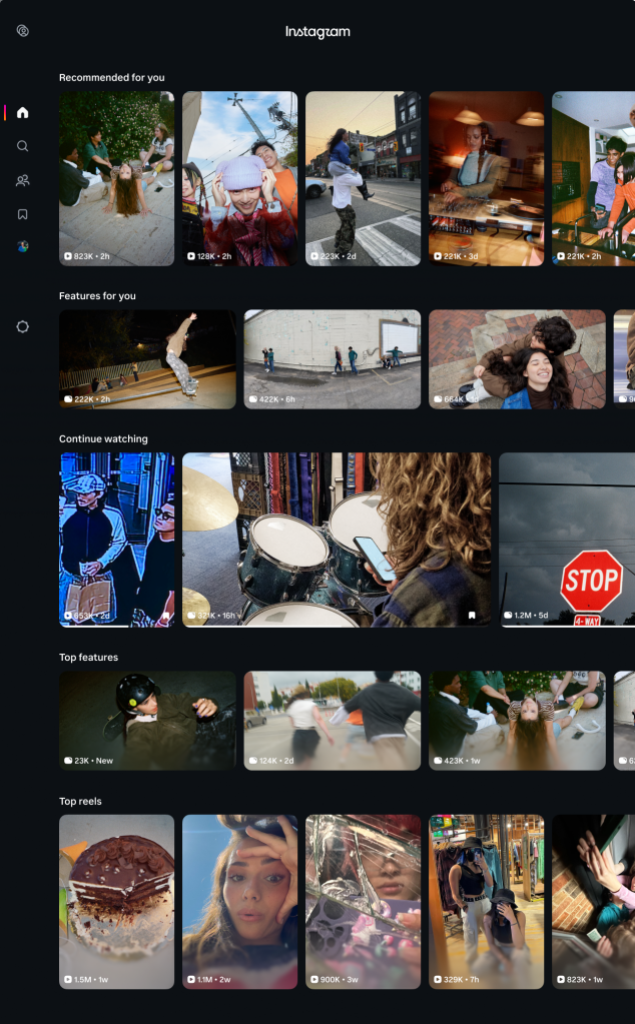
To ensure a seamless transition for the Indian market, Meta has designed the TV application with specific UI/UX considerations. Users can access the platform by installing the dedicated app on supported devices and authenticating their accounts. A notable feature is the ability to link up to five individual accounts to a single TV, allowing for personalized feeds. This acknowledges that a single household often hosts multiple viewers with distinct content preferences.
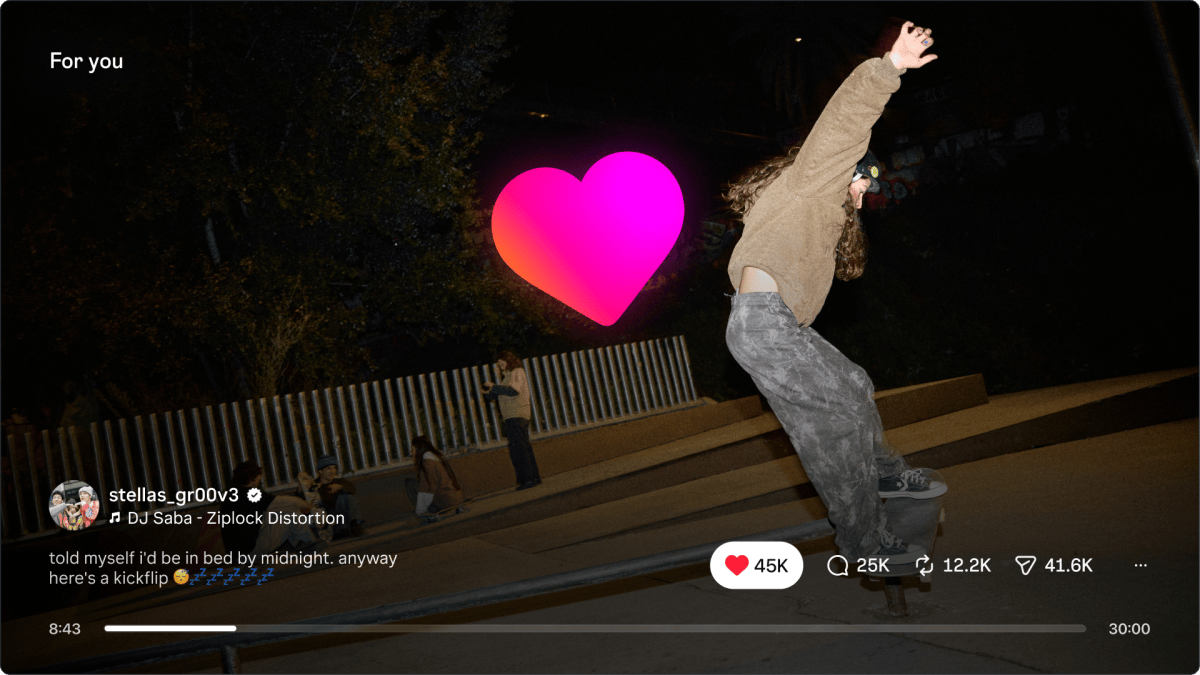
For users who prefer to maintain a clear distinction between their personal mobile feed and their home viewing experience, the platform offers an option to create a dedicated profile specifically for the television interface. This functionality is intended to streamline the discovery process, allowing users to navigate content using a remote control while maintaining the core features of the mobile application, such as liking, sharing, and following creators.
Safety, Content Standards, and Teen Protection
A primary concern for any platform moving from mobile to the public living room space is the issue of content suitability. Recognizing that TV viewing is often a communal activity involving multiple age groups, Meta has instituted rigorous content standards. The company confirmed that all content on the TV application will adhere to the 13+ content rating system, which was recently introduced to the mobile application.
Meta’s approach to teen safety on the television platform mirrors its mobile-first policy. This includes:
- Access Limitations: Restricting exposure to content, comments, or profiles that may be deemed inappropriate for users under 18 years of age.
- Time Management: Integration with existing "Teen Account" protocols, where time spent on the TV app contributes to the total daily usage limits set for the account.
- Sleep Mode and Reminders: Users will receive the same notifications regarding sleep mode and usage duration as they would on mobile, ensuring that the transition to the big screen does not bypass established digital well-being safeguards.
Market Analysis: Implications for the Indian Digital Landscape
The introduction of Instagram for TV is not merely a technical update; it is an economic strategy. By moving into the living room, Meta is effectively increasing the "real estate" of its advertising inventory. Advertisers who have historically targeted mobile users can now explore high-definition, big-screen ad formats that feel more native to traditional television commercials.
Furthermore, the move has significant implications for Indian creators. Currently, the most successful Indian influencers on Instagram are those who have mastered the art of vertical, mobile-centric video. A move to the TV screen may incentivize a shift in production quality and style. Creators may begin to produce content that is more "cinematic" or long-form, designed to be enjoyed by groups rather than just individual scrollers. This shift could potentially lead to a higher quality of production across the board, as the standards for TV-viewing audiences are typically higher than those for mobile browsing.
Industry and Stakeholder Reactions
While official responses from external industry bodies are still pending, market observers have pointed to the potential for "social streaming." An analyst from a leading digital media consultancy suggested that "Instagram for TV turns the passive act of watching television into an active, social experience. By allowing users to share content in real-time, Meta is tapping into the psychological satisfaction of shared discovery, which is a major driver of platform stickiness."
However, the transition is not without challenges. The platform will need to ensure that the discovery algorithm remains effective on a TV interface, where the lack of a touch screen can make navigation cumbersome. The success of the rollout in India—a market characterized by diverse linguistic preferences and a massive demographic of young, digital-native users—will likely serve as a blueprint for Meta’s global deployment of the technology.
Future Outlook
As Meta continues to refine the Instagram for TV experience, the company is expected to roll out further updates to improve the "remote control" navigation, ensuring that the ease of use remains high. The House of Instagram event has signaled that India remains a top-tier priority for the company, serving as a laboratory for new features that define the future of social media.
By bridging the gap between the individual and the collective, Instagram is reinforcing its relevance in an era where the lines between social media, streaming services, and cable television are becoming increasingly blurred. The coming weeks, as the app rolls out to Fire TV, Apple TV, and Google TV users, will provide the first real-world data on how the Indian audience adopts this new paradigm of social entertainment. For the average user, the takeaway is clear: the content they have enjoyed in isolation for years is now evolving into a household experience, marking a new chapter in the history of the creator economy.