Gentle Monster and Warby Parker solidify December 2026 release window for inaugural Android XR intelligent eyewear

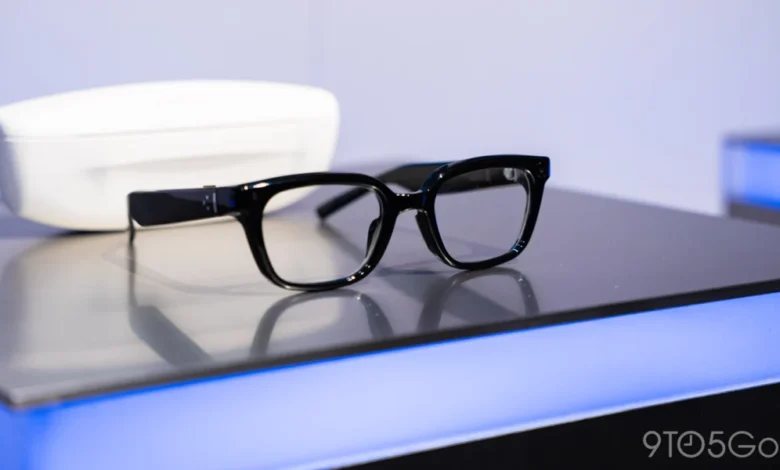
The landscape of wearable technology is poised for a significant transformation as the collaborative "Intelligent Eyewear" initiative spearheaded by Google and Samsung moves toward a commercial debut. Following months of speculation and industry leaks, the primary design partners for this Android XR project—Warby Parker and Gentle Monster—have formally confirmed that the first generation of these devices will arrive on the market in December 2026. This launch marks a critical milestone for the Android ecosystem, signaling a concerted effort to compete in the augmented reality and smart-glass hardware sector.
The December Launch Strategy
The confirmation from Gentle Monster, issued via a high-profile social media campaign featuring actor Joaquin Phoenix and director Jonathan Glazer, aligns with broader industry reports that have circulated throughout the final quarter of 2026. While the teaser focused heavily on the artistic merits of a "cinematic journey between reality and dream," the company’s official communication provided the concrete business detail that the collection is scheduled for a December rollout.
This timing is notable for its proximity to the end of the fiscal year. By targeting a December release, Google and its hardware partners are positioning these devices as high-end consumer technology gifts for the holiday season. While the late-year release creates a compressed window for marketing and retail distribution, it also allows the companies to leverage the peak period for consumer electronics spending.
Chronology of the Android XR Development
The path to this December launch has been a methodical, multi-year progression. The concept of "Intelligent Eyewear" was first brought to public awareness as part of a strategic partnership between Google and Samsung to integrate Android-based XR (Extended Reality) capabilities into traditional-looking frames.

- Early 2026: Initial reports surfaced regarding a collaboration between Google, Samsung, and premium eyewear brands to bridge the gap between bulky VR headsets and daily-wear spectacles.
- Mid-2026: Industry analysts identified Warby Parker and Gentle Monster as the lead design partners, tasked with ensuring the technology was housed in frames that prioritized aesthetics and comfort.
- November 2026: Warby Parker officially announced that pre-orders for its iteration of the glasses would commence on November 12, 2026.
- Early November 2026: Gentle Monster confirmed its December release window, cementing the expectation that both partners would launch within the same calendar month.
Strategic Partnerships: Warby Parker and Gentle Monster
The selection of these two specific partners is a calculated strategic move by Google and Samsung. Warby Parker, known for its direct-to-consumer model and accessible, modern aesthetics, brings a mass-market appeal that is essential for the normalization of wearable technology. Conversely, Gentle Monster, a brand recognized for its avant-garde designs and high-fashion collaborations, provides the cultural cachet necessary to attract early adopters and fashion-conscious consumers who might otherwise avoid "smart" hardware.
By diversifying the design language through these two distinct brands, the Android XR initiative aims to avoid the "one-size-fits-all" trap that has hindered previous attempts at smart glasses, such as Google Glass or early iterations of competitors’ AR hardware. The technology—which relies on a unified Android-based XR platform—will be consistent, but the physical interface will vary significantly to suit different consumer demographics.
Technical Implications of Android XR
At the heart of these devices lies the Android XR software stack. Unlike standalone VR headsets that isolate the user from their environment, these "Intelligent Eyewear" units are designed to augment reality while remaining tethered to the user’s daily life. The integration of high-definition micro-displays into conventional-looking frames has been the primary engineering hurdle for the consortium.
Industry experts suggest that the devices will likely feature:
- Low-Latency Connectivity: To ensure that digital overlays remain synchronized with real-world movements, the glasses will utilize advanced wireless protocols.
- Voice and Gesture Integration: Given the lack of a traditional controller, the UI will likely rely on sophisticated voice recognition and subtle head-tracking or gesture-based input.
- Cross-Platform Sync: By leveraging the existing Android ecosystem, these glasses will function as an extension of a user’s smartphone, providing notification management, navigation assistance, and real-time translation services without the need for constant screen interaction.
Broader Industry Impact
The entry of Android-powered glasses into the consumer market represents a direct challenge to existing players like Meta and Snap, as well as the long-rumored AR initiatives from Apple. By establishing an "Intelligent Eyewear" standard, Google is attempting to create a unified developer ecosystem. If the December launch proves successful, it could facilitate a transition where third-party developers begin creating applications specifically for the Android XR platform, effectively creating a "Play Store for glasses."

However, the late-year release also brings potential risks. Launching a sophisticated, first-generation product during the holiday rush leaves little margin for error regarding software stability or supply chain reliability. If the initial user experience is hampered by bugs or hardware shortages, the momentum gained during the pre-order phase could quickly dissipate.
Market Analysis: The Future of Wearables
The success of this launch will be measured by more than just units sold; it will be judged by the degree to which these glasses achieve "social acceptance." For decades, the primary barrier to smart eyewear has been the perceived stigma of wearing cameras or computers on one’s face. By partnering with fashion-forward brands like Gentle Monster and consumer-friendly retailers like Warby Parker, the consortium is attempting to frame these devices as lifestyle accessories rather than intrusive pieces of tech.
Economic analysts note that the global smart glasses market is expected to reach significant valuation levels by 2030, driven by advancements in miniaturized optics and battery density. The 2026 launch acts as the foundational pilot program for this growth. If the December release succeeds in capturing the attention of the mainstream market, it could catalyze a significant shift in how users interact with digital information, effectively moving the "screen" from the pocket to the line of sight.
Conclusion and Looking Ahead
As the industry turns its attention to the November 12 pre-order date for Warby Parker and the subsequent December rollout for the broader Gentle Monster collection, the pressure is on for both Google and Samsung to deliver a polished, reliable product. The "Intelligent Eyewear" project is currently the most significant hardware initiative in the Android space, and its reception will likely dictate the company’s wearable strategy for the remainder of the decade.
While the technical specifications remain tightly guarded until the full film and product reveals occur, the industry is already anticipating the arrival of these devices as the most credible alternative to the current dominant platforms in the wearable market. The coming months will be defined by how effectively these brands can transition from the "cinematic dream" of their marketing campaigns to the pragmatic reality of daily consumer usage. Whether these glasses become a staple of modern communication or remain a niche curiosity will depend entirely on the balance of utility, design, and user experience that the December launch provides.
Related posts: