Black Friday 2026 Smart Video Doorbell Deals Bring Record-Low Prices and Subscription-Free Local Storage Options

The landscape of smart home security has undergone a significant transformation over recent years, breaking away from the high-cost barrier that once defined the category. While consumer electronics such as flagship smartphones and high-performance computing components have seen steady price escalations driven by inflationary pressures and advanced component costs, smart video doorbells have experienced the opposite trend. Today, market competition and manufacturing efficiencies have driven hardware prices down while simultaneously elevating standard features. Modern entry-level and mid-range video doorbells routinely feature high-definition 2K video recording, advanced low-light night vision, motion detection, and seamless two-way audio communication, capabilities that were previously restricted to premium-tier devices.
This downward pricing trajectory has reached an annual peak with the rollout of the Black Friday 2026 sales event. Major industry players—including Ring, Arlo, Eufy, Blink, and Tapo—have slashed retail prices by upwards of 50 percent across their product lineups. These steep discounts arrive at a crucial period for consumer spending, aligning with the surge in holiday deliveries and heightened home security awareness. Consequently, shoppers are finding high-performance hardware at unprecedented price points, with multiple capable units retailing for under $40.
The Shift Toward Subscription-Free Local Storage
A pivotal development in the smart home security market is the growing consumer preference for devices that support local storage. Historically, manufacturers relied heavily on cloud-based ecosystems, compelling users to subscribe to recurring monthly or annual plans to access, review, and store video footage. While cloud integration offers remote convenience and data redundancy in the event of hardware theft, the cumulative cost of ongoing subscriptions often surpasses the initial purchase price of the device over its operational lifetime.
Recognizing this consumer friction, hardware manufacturers have increasingly introduced local storage capabilities, often utilizing on-board microSD card slots or proprietary base stations equipped with hard drives. During the Black Friday 2026 sales window, this technical feature has become a primary differentiator for savvy buyers. Industry analysts note that products combining aggressive promotional pricing with local storage options are capturing disproportionate market share as households seek to insulate themselves from subscription fatigue.
Noteworthy Hardware Deals and Pricing Breakdown
The current promotional landscape features several standout products catering to diverse consumer needs, ranging from ultra-budget configurations to advanced multi-lens surveillance systems.
The Tapo D205 has emerged as a premier recommendation for cost-conscious consumers seeking independence from recurring cloud fees. Retailing at an aggressive promotional price of $38, the D205 offers high-resolution video monitoring alongside local storage capabilities, allowing users to review footage securely without administrative overhead. This pricing strategy undercuts traditional market leaders while maintaining essential surveillance standards.
For households managing high volumes of daily e-commerce deliveries, advanced optical configurations have become paramount. The Eufy E340 addresses this specific consumer requirement through a dual-camera architecture. By utilizing a primary lens focused on visitors and a secondary downward-facing lens dedicated to package monitoring, the E340 mitigates the risk of porch piracy—a pervasive issue during the peak holiday shipping season. Although commanding a higher price point than basic single-lens alternatives, the Eufy E340’s expanded utility has made it a focal point of high-end smart home promotions.
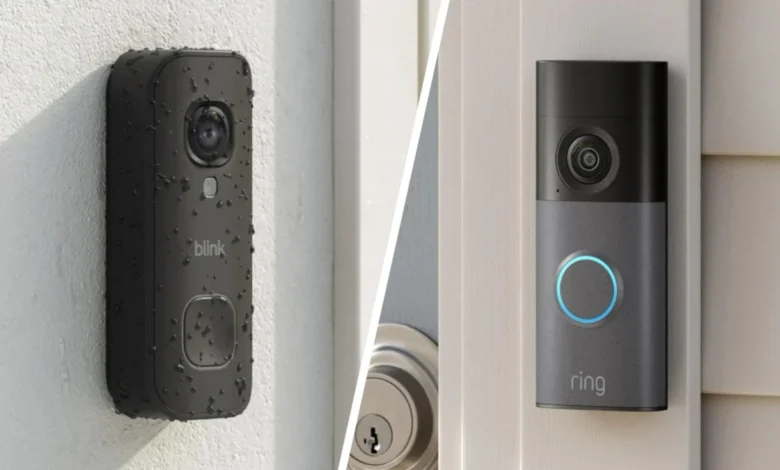
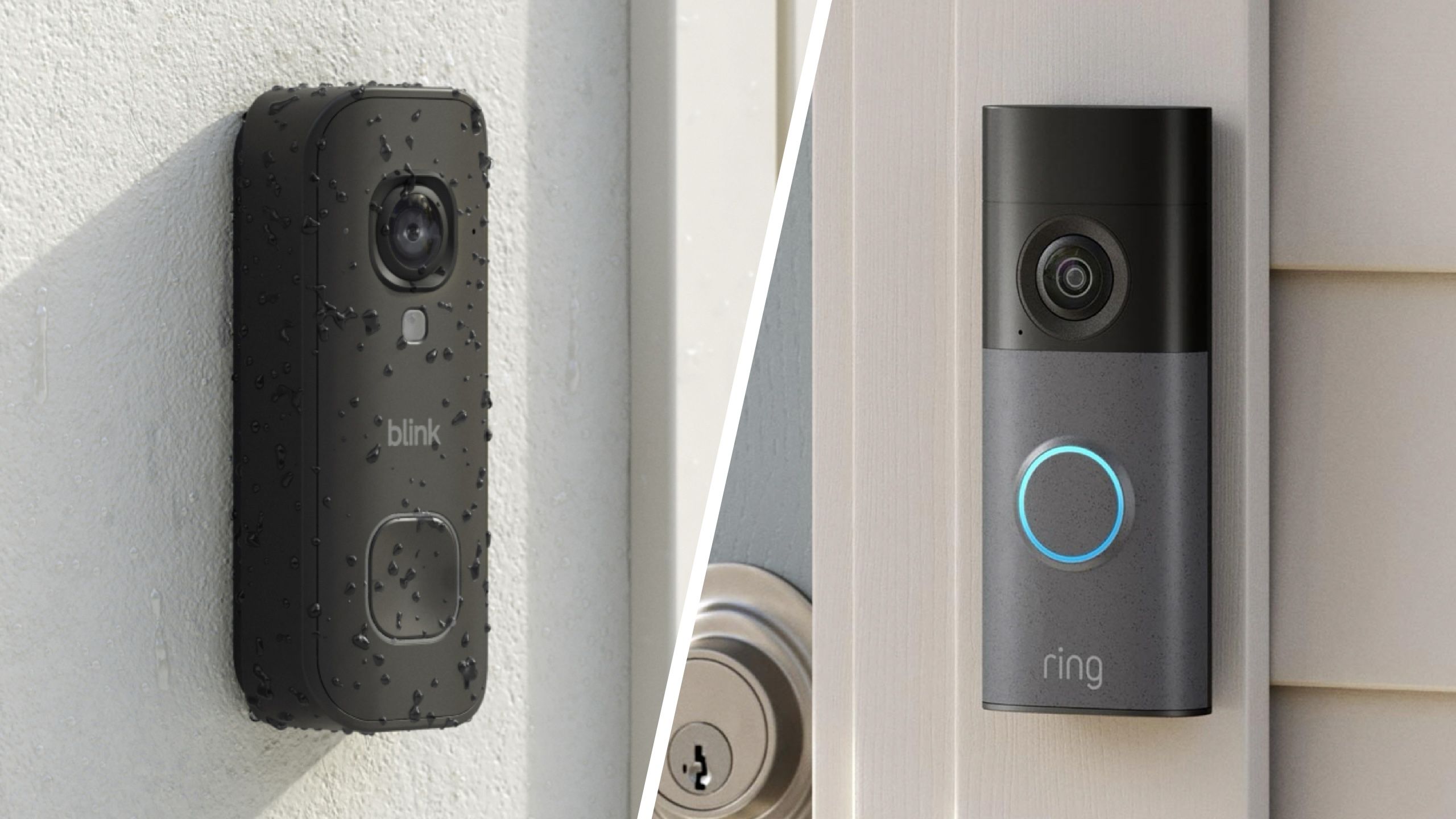
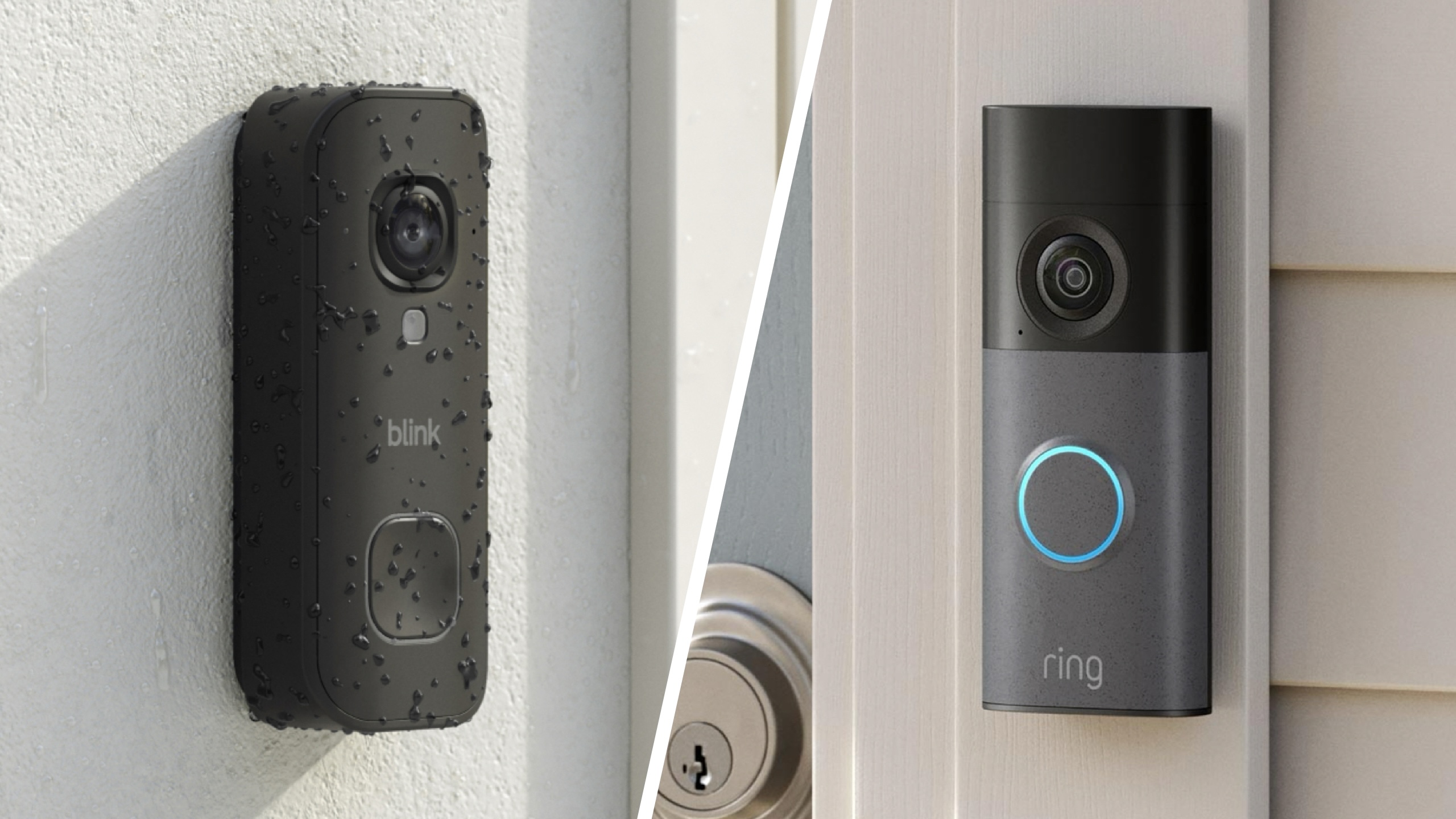
Concurrently, legacy brands such as Ring and Blink have deployed aggressive discounting across their ecosystem-dependent models. While these devices frequently necessitate subscription tiers to unlock full feature sets such as person detection and cloud history, their initial hardware costs have plummeted to historic lows during the Black Friday window, attracting users already embedded within the respective Amazon and smart assistant ecosystems.
Chronology and Market Evolution of Smart Doorbells
The widespread adoption of video doorbells can be traced back over a decade, beginning as a niche luxury item favored by early adopters. Between 2014 and 2018, the market was defined by proprietary ecosystems and steep hardware investments, often requiring professional electrical installation due to reliance on existing mechanical doorbell wiring.
The subsequent five-year period, spanning 2019 to 2024, marked a mass-market transition. The proliferation of reliable Wi-Fi protocols, improvements in battery efficiency, and the introduction of wire-free, battery-powered iterations lowered the barrier to entry significantly. Competitors flooded the market, driving aggressive price competition. By 2025, the baseline technology had commoditized, paving the way for the aggressive 50-percent-plus markdowns observed during the current 2026 holiday shopping cycle.
Consumer Implications and Industry Outlook
The convergence of steep holiday discounts and hardware maturation carries broad implications for the smart home industry. As video doorbells transition from luxury security enhancements to standard household utilities, manufacturers face mounting pressure to innovate beyond basic motion alerts and video feeds.
Industry experts suggest that future competitive advantages will hinge on artificial intelligence integration, such as on-device facial recognition, package categorization, and pet detection, operating locally without requiring cloud processing fees. Furthermore, the rising demand for local storage signals a permanent shift in consumer purchasing psychology, forcing legacy cloud-dependent brands to reevaluate their monetization strategies.
For consumers navigating the Black Friday 2026 marketplace, the current window offers an optimal opportunity to upgrade home security infrastructure at minimal financial exposure. Whether opting for an ultra-affordable, subscription-free unit like the Tapo D205 or investing in comprehensive multi-lens surveillance systems like the Eufy E340, buyers stand to benefit from a mature market characterized by exceptional hardware value and fierce competitive pricing.