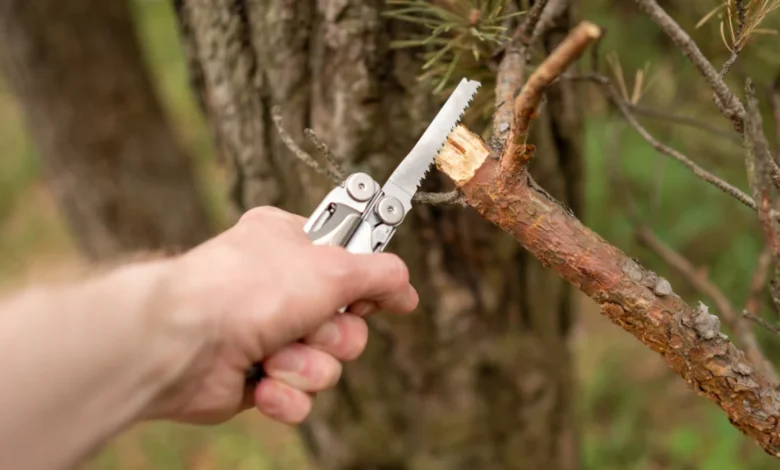
The modern outdoor enthusiast generally adheres to one of two philosophies: the gear-intensive approach, which prioritizes comfort and comprehensive preparation, or the ultralight methodology, which favors mobility and minimalism. Regardless of the chosen camping style, the necessity for a reliable, versatile, and compact tool remains a constant. For over four decades, Leatherman Tool Group has solidified its reputation as the industry standard for multi-function pocket tools, transforming the way adventurers handle field repairs, food preparation, and campsite maintenance. Since Tim Leatherman introduced the original "Pocket Survival Tool" in 1983, the Oregon-based company has expanded its catalog to include over two dozen specialized models, each engineered to address specific user requirements.
The Evolution of the Leatherman Legacy
The origins of Leatherman trace back to a 1975 road trip through Europe and the Middle East. Tim Leatherman, then a mechanical engineer, found his budget sedan frequently required mechanical roadside repairs, yet his standard pocket knife lacked the necessary pliers to tighten loose hoses or adjust engine components. Upon returning to the United States, Leatherman spent nearly eight years refining his prototype, "Mr. Crunch," which integrated needle-nose pliers into a foldable chassis.
The successful launch of the original PST in 1983 marked a paradigm shift in tool design, effectively creating the modern multi-tool category. By the mid-1990s, the company had moved from a small-scale operation to a global manufacturing powerhouse, moving its production to a state-of-the-art facility in Portland, Oregon. Today, every Leatherman tool is backed by a 25-year limited warranty, a testament to the brand’s confidence in its metallurgy and structural integrity. This commitment to durability is a critical factor for campers who rely on their gear in remote locations where failure is not an option.
Selecting the Right Tool for the Wilderness
Choosing an appropriate multi-tool for camping requires a balance between weight, functionality, and specific utility. Modern camping demands go beyond simple cutting; they involve fire starting, gear maintenance, and intricate culinary tasks. The following five models represent the current benchmark for outdoor performance, categorized by their intended use case and technical specifications.
The Leatherman Signal: The Dedicated Survivalist
The Signal is arguably the most specialized tool in the Leatherman fleet, designed specifically for those heading into the backcountry. Unlike general-purpose models, the Signal integrates features directly applicable to bushcraft and emergency preparedness.
The inclusion of a replaceable ferrocerium rod provides a reliable method for starting fires in inclement weather, a critical advantage when matches or lighters fail. Furthermore, the built-in emergency whistle addresses safety concerns in isolated environments. With 19 distinct tools—including a 420HC combo blade, a saw, a diamond-coated sharpener, and a hammer—the Signal weighs only 7.5 ounces. Its 4.5-inch closed length makes it an ideal companion for a standard camping belt or pack strap.
The Leatherman ARC: Peak Technical Performance
Representing the pinnacle of the company’s engineering, the ARC is designed for users who refuse to compromise on material quality. Its primary selling point is the MagnaCut steel blade, a powder metallurgy steel introduced in 2021 that offers superior edge retention, toughness, and corrosion resistance compared to traditional stainless steels.
Priced at $249.95, the ARC is an investment in professional-grade hardware. While it features 20 tools—some of which, like the wire crimpers, may be overkill for the casual camper—its ergonomic deployment and premium construction make it the top choice for long-term expeditions where reliability and ease of use are paramount.
The Leatherman Skeletool CX: The Minimalist’s Choice
For the backpacker or thru-hiker who meticulously counts every gram, the Skeletool CX provides the optimal balance of weight and utility. At just 5 ounces, it strips away non-essential implements to focus on the core requirements: a high-quality 154CM stainless steel blade, pliers, and a bit driver.
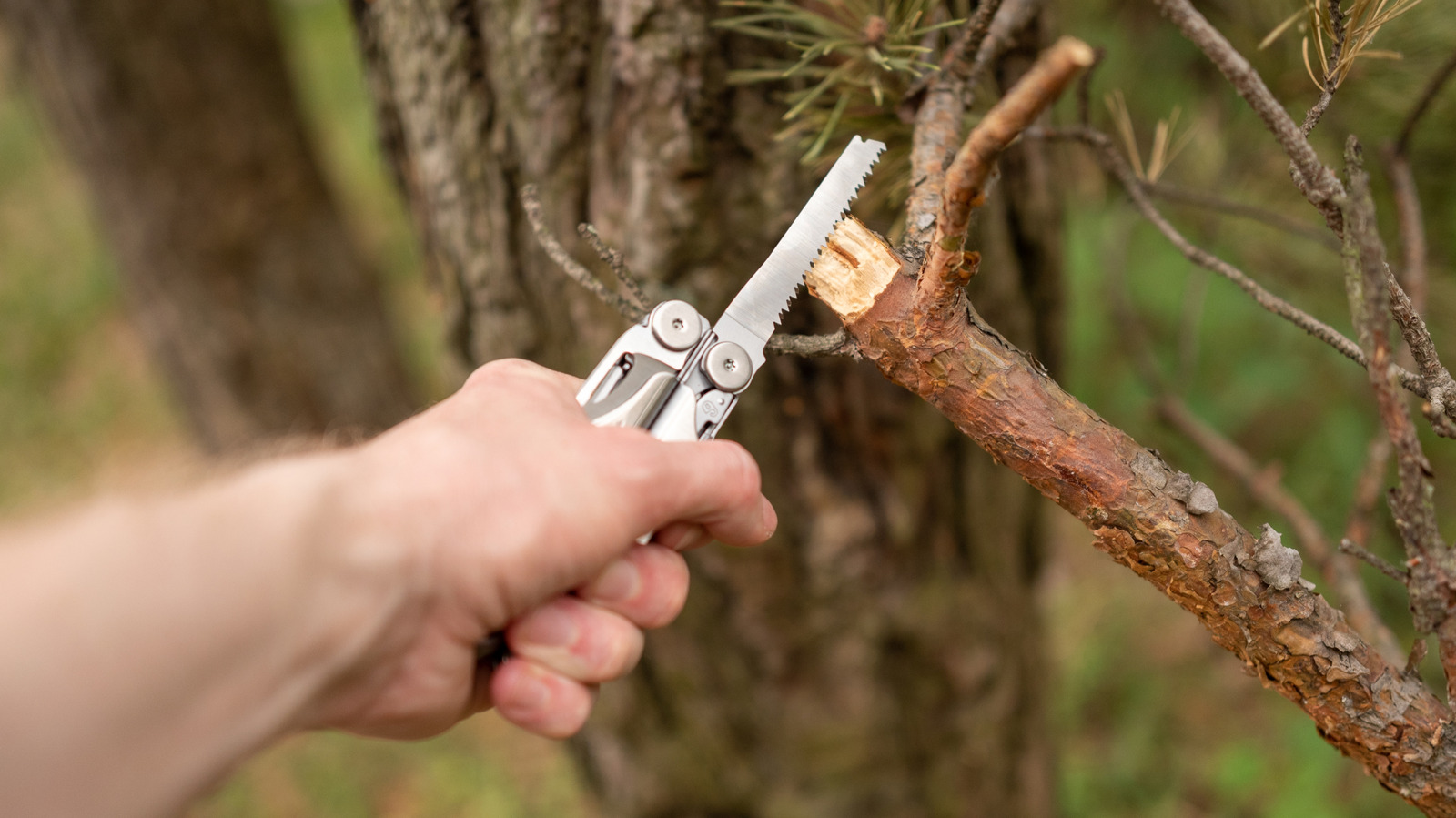
The Skeletool’s skeletonized frame reduces weight without compromising structural strength. It serves as a prime example of the "less is more" philosophy, offering enough functionality to handle common campsite repairs while remaining virtually unnoticeable in a pocket.
The Leatherman Wave Plus: The Versatile Workhorse
The Wave Plus remains the most popular model in the company’s history for a reason. Since its introduction in 1998, it has served as the baseline for multi-tool utility. Featuring 18 tools, including one-handed accessible blades, the Wave Plus is designed for rapid deployment.
The importance of one-handed operation cannot be overstated in a camping environment; when a user is holding a piece of cordage or stabilizing a tent pole with one hand, the ability to flick open a blade with the other is a significant convenience. Its 8.5-ounce weight places it firmly in the middle of the spectrum, providing enough mass to feel substantial during heavy-duty tasks like sawing wood or cutting thick rope.
The Leatherman Wingman: Value and Utility
For the budget-conscious camper or the newcomer to the hobby, the Wingman offers a robust 14-tool configuration at a competitive price point of $49.95. While it lacks the high-end metallurgy of the ARC or the survival-focused features of the Signal, it covers all fundamental requirements: spring-action pliers, a 420HC combo knife, and essential drivers.
The Wingman is often cited as a direct competitor to traditional Swiss Army knives, offering a more contemporary design that prioritizes plier-based utility. It is an ideal entry point for those looking to upgrade their camping kit without incurring the cost of a professional-grade specialized tool.
Technical Analysis and Industry Impact
The manufacturing of these tools involves complex processes, including fine blanking, heat treatment, and precision CNC machining. Leatherman’s continued dominance in the market is largely attributed to its vertical integration; by maintaining manufacturing operations in the United States, the company retains strict quality control over its metallurgy.
From an industry perspective, the rise of the multi-tool market has mirrored the growth of the outdoor recreation sector. According to data from the Outdoor Industry Association, participation in camping and backpacking has seen consistent year-over-year growth, particularly among younger demographics who prioritize "experience-based" travel. This shift has forced companies like Leatherman to innovate rapidly, moving away from purely industrial tools toward lifestyle-oriented designs that appeal to both urban EDC (Everyday Carry) enthusiasts and remote-wilderness adventurers.
Sustainability and Lifecycle Management
A notable, yet often overlooked, aspect of the Leatherman ecosystem is the company’s commitment to product longevity. By providing a 25-year warranty and a dedicated repair program, Leatherman mitigates the environmental impact associated with the "disposable" culture of cheap camping gear.
The existence of a formal exchange and repair program—where customers can have worn or broken tools refurbished—is a significant differentiator. It underscores a broader industry shift toward sustainable consumption, where high-quality items are intended to be repaired rather than replaced. For the modern camper, selecting a Leatherman is not merely a purchase of a utility device, but an entry into a support system designed to keep gear functional for decades.
In conclusion, the choice of a multi-tool is deeply personal and dependent on the specific rigors of the trip. Whether one opts for the specialized survival features of the Signal, the premium materials of the ARC, or the streamlined utility of the Skeletool CX, the inclusion of a reliable Leatherman ensures that the focus remains on the experience of the outdoors rather than the technical difficulties of equipment management.