The highly anticipated sequel to the 2019 critical success Control, titled Control Resonant, is set to arrive on September 24, marking a pivotal expansion of the Remedy Entertainment Connected Universe. Following an exclusive developer briefing conducted at Remedy’s Finnish headquarters, new details have emerged regarding the title’s narrative scope, mechanical innovations, and its ambitious departure from traditional action-RPG conventions. Set against the backdrop of a transformed Manhattan, the game shifts the perspective from Jesse Faden to her brother, Dylan Faden, exploring the aftermath of the Hiss incursion and the introduction of a reality-bending phenomenon known as the Patterning.
A New Perspective on the Oldest House and Beyond
The narrative trajectory of Control Resonant begins with a significant status shift for its protagonist. Dylan Faden, who spent the majority of the original title confined within the Bureau’s facilities due to his susceptibility to the Hiss, awakens from a long-standing coma to a world fundamentally altered. The Hiss, once contained within the walls of the Oldest House, have breached the perimeter, bleeding into the streets of New York City.
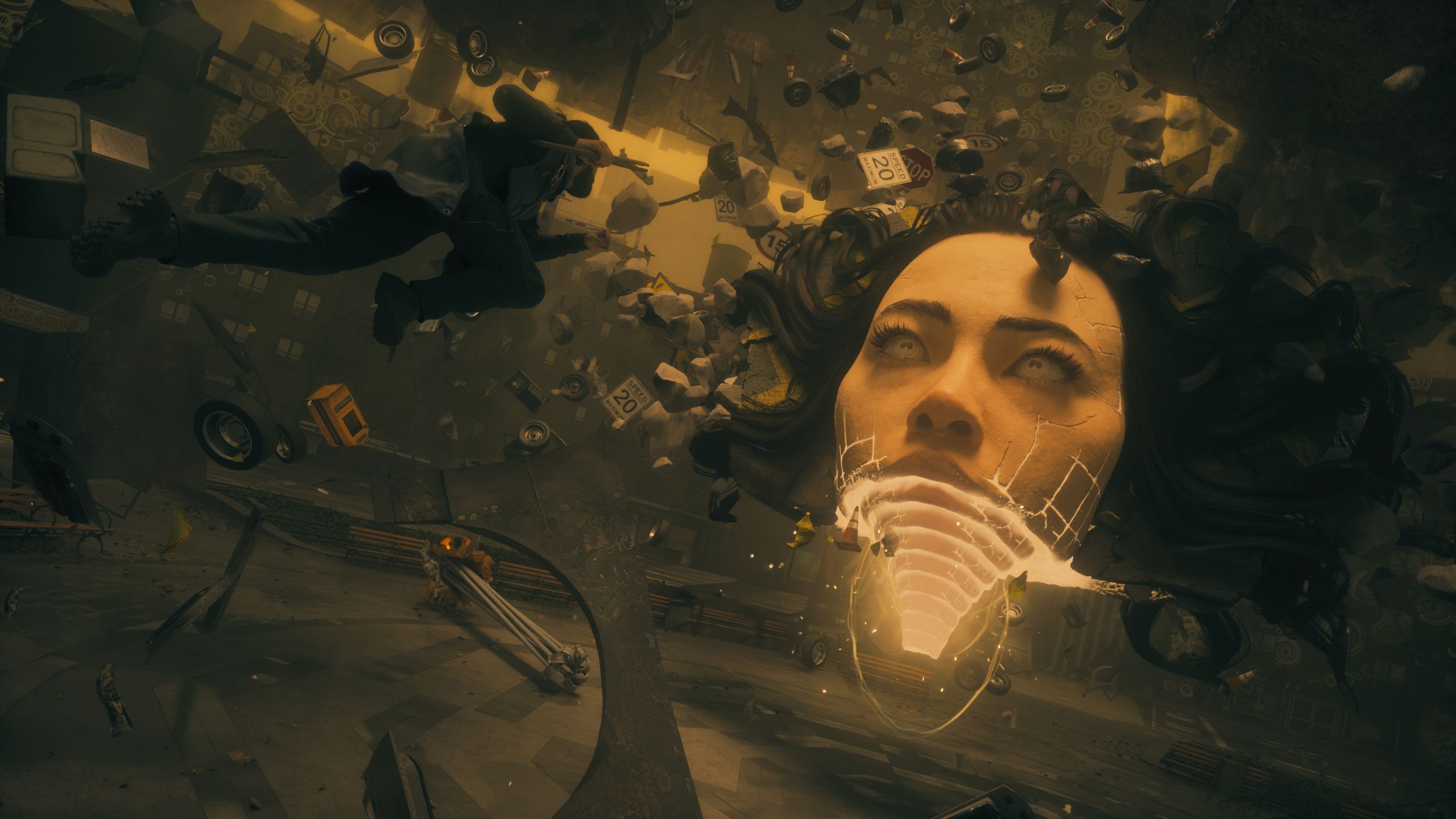
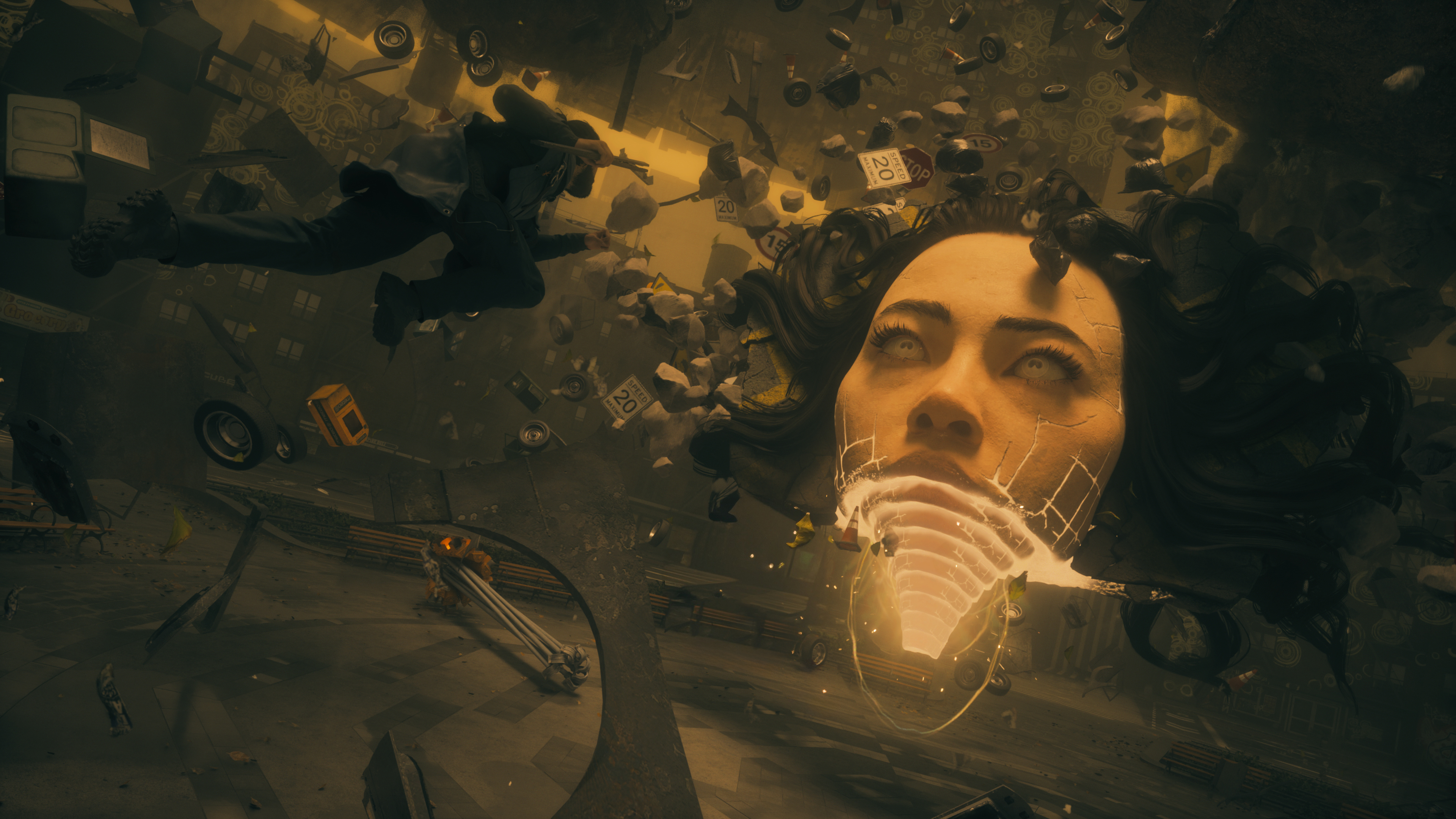
Creative Director Mikael Kasurinen emphasizes that this sequel is not merely a repetition of the containment-focused gameplay of its predecessor. "It’s not simply a matter of ordering things in a predictable way," Kasurinen stated during the interview. "It’s affecting the people, it affects time, and it affects light." The introduction of the "Patterning"—an otherworldly algorithm encroaching upon reality—serves as the primary antagonist force, effectively warping the physics and geometry of Manhattan. This narrative choice provides a justification for the game’s surrealist environmental design, which draws heavily from the mathematical art of M.C. Escher rather than conventional urban depictions.
Chronology of Development and Public Disclosure
The development of Control Resonant has been marked by a deliberate, measured reveal schedule, reflecting Remedy’s long-term strategy for their IP portfolio.
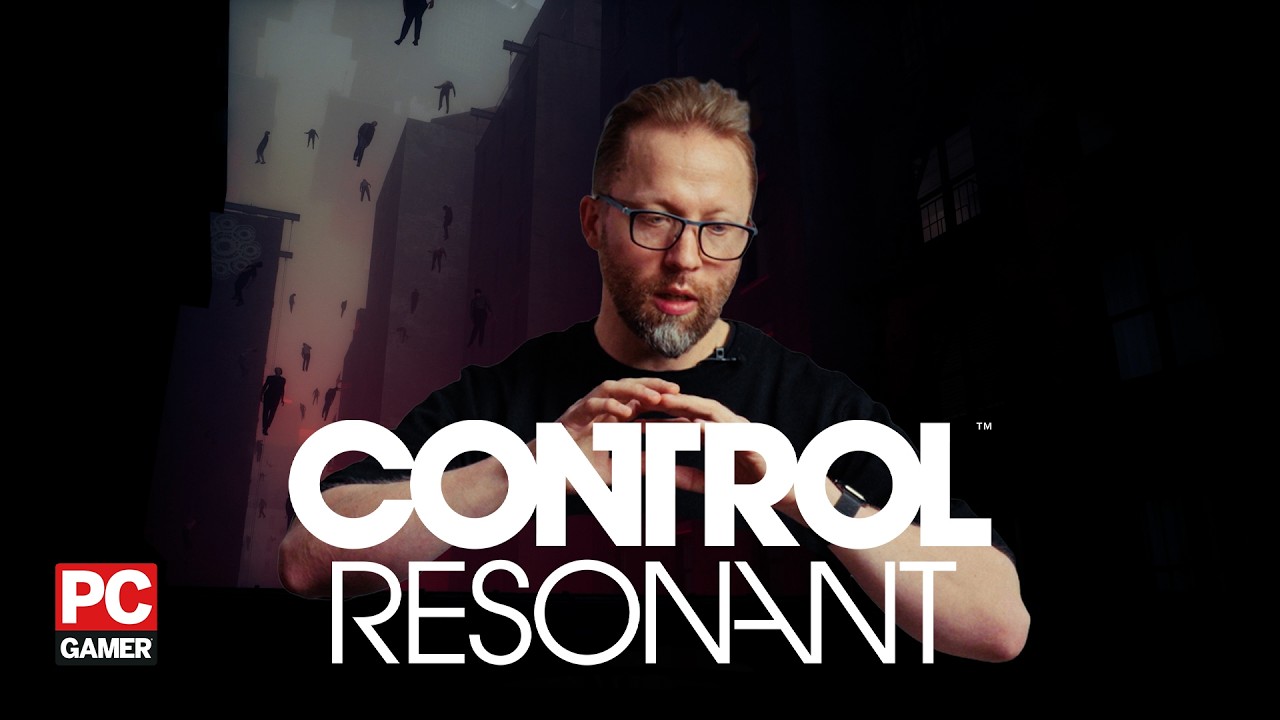
- May 2024: The PC Gaming Show editorial team conducted an on-site visit to Remedy’s studios in Espoo, Finland, to document the early development phases and interview core creative leads.
- June 2024: A preliminary teaser was released during the PC Gaming Show, offering audiences their first glimpse at the altered version of Manhattan.
- September 20, 2026: A scheduled "Tokyo Direct" presentation is slated to provide final technical specifications and gameplay demonstrations.
- September 24, 2026: The official worldwide launch date for the title across all major platforms, including Steam.
Design Philosophy: Rejecting Industry Conformity
Art Director Elmeri Raitanen highlighted a conscious effort by the development team to avoid the current industry trend of homogenizing game design. By deliberately ignoring the mechanical tropes of contemporary action games, the team sought inspiration in non-gaming media. Films such as Peter Strickland’s A Field in England and Satoshi Kon’s animated masterpiece Paprika were cited as key influences for the game’s tone and visual language.
This rejection of "standardized" design is further evidenced by the game’s structural approach. Unlike the linear or semi-linear progression common in many AAA titles, Control Resonant adopts a more open-world philosophy. Lead Level Designer Anne-Marie Grönroos noted that the game’s boss encounters—referred to as "Resonants"—are not strictly gated by mandatory progression requirements. Players may choose to engage with these powerful entities, but the game does not force a specific order of operation. This design choice creates a high degree of variability in the player’s power progression, as the abilities gained from defeating these bosses are modular and context-dependent.
Technical and Audio Innovation
One of the most distinct aspects of Control Resonant is its integration of mathematical theory into its soundscape. Composer Petri Alanko, tasked with crafting the auditory identity of the game, utilized Fibonacci sequences to dictate the rhythm and structure of the boss fight themes. By applying the mathematical sequence (1, 1, 2, 3, 5, 8, 13, 21…) to the percussive elements of the score, Alanko has created an alien, rhythmic consistency that mirrors the "Patterning" affecting the city.
Furthermore, the character development of Dylan Faden is mapped directly to the game’s audio design. As the player begins the game, Dylan’s audio profile is defined by simple sine waves—the most elemental form of sound. As the player progresses and Dylan evolves as a character, the audio layering becomes progressively complex, incorporating richer textures and nuanced tonal effects. This represents a rare synthesis of narrative arc and technical sound engineering.
Implications for the Remedy Connected Universe
Since the release of the AWE expansion for the original Control, Remedy has made it clear that their games exist within a shared narrative ecosystem. However, with Control Resonant, Kasurinen suggests a shift away from the "Skywalker-style" focus on a single familial bloodline. While the Faden siblings remain central to this installment, the long-term goal is to build a universe that functions like a tabletop RPG—a robust, rule-based setting that can support a multitude of stories and perspectives.
This strategy aligns with the company’s broader financial and creative goals. By building a consistent set of "universal rules" (such as the FBC’s procedures and the nature of Paranatural phenomena), Remedy allows for future spin-offs and sequels that do not feel tethered to the same cast of characters. This modular approach to world-building is intended to ensure the longevity of the brand, potentially attracting a wider audience who may not be invested in the specific lore of the first game.
Fact-Based Analysis of Market Positioning
The decision to launch in late September positions Control Resonant as a flagship title for the end-of-year fiscal quarter. Market analysts observe that Remedy’s reliance on "auteur-driven" design—valuing creative risks over mass-market appeal—has historically paid off in terms of critical reception and long-tail sales.
However, the game faces significant challenges. The open-world structure, while promising, creates complex balance issues. Reports from playtesters indicate that the lack of forced progression can lead to disparate experiences; for instance, some players may lack essential gravity-shifting abilities until deep into the late-game, while others may acquire them early. This variability, while refreshing for the "challenge run" community, requires sophisticated testing to ensure the game remains accessible to a broader player base.
The integration of motion capture from professional dancers to ground the movements of the Resonant bosses reflects a commitment to high-fidelity presentation. This level of polish, combined with the game’s unique, math-inspired aesthetic, provides a compelling value proposition in an increasingly crowded market of action-RPGs.
Conclusion
Control Resonant represents a high-stakes evolution for the studio. By leaning into the surreal, utilizing mathematical foundations for sound design, and prioritizing player agency through a non-linear approach to boss encounters, Remedy is positioning the title as a bold departure from the established norms of the genre. As the industry moves toward increasingly iterative releases, the creative risks taken by the team in Finland may prove to be the title’s most enduring asset. With the release date of September 24 fast approaching, the global gaming community will soon determine if this gamble on "weird," risk-taking design resonates with the broader public as effectively as it did with the initial development team.
Related posts: