The Ultimate Guide to Free iPhone Duo Apps: Essential Software for Apple’s Newest Form Factor

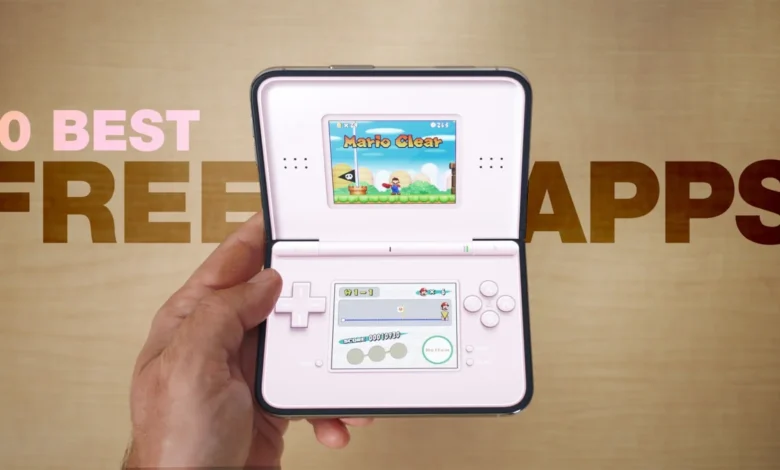
Following the highly anticipated and turbulent market debut of Apple’s revolutionary foldable-class device, the iPhone Duo, software optimization has rapidly become the central focus for early adopters and developers alike. As users continue to explore the unique dual-screen ecosystem, the quest for applications specifically tailored to take advantage of this novel form factor has intensified. In the third installment of a dedicated software series, MacRumors videographer Dan Barbera has curated a comprehensive showcase highlighting the best free iPhone Duo applications currently available on the App Store. While the device itself has commanded global headlines for both its hardware innovations and early durability controversies, the software landscape is steadily maturing, offering compelling reasons for users to maximize their dual-screen configuration without breaking the bank.
The Current Landscape of iPhone Duo Software Optimization
The release of the iPhone Duo introduced a paradigm shift in how users interact with mobile operating systems. Unlike traditional slab-style smartphones or even conventional foldables that rely on a single flexible interior display, the iPhone Duo utilizes a distinct dual-screen architecture. This design requires developers to rethink user interface (UI) and user experience (UX) paradigms, optimizing workflows to span across both panels, adapt seamlessly to landscape and portrait orientations, and utilize split-screen multitasking in ways previously impossible on iOS.
To help users navigate this transitional period, MacRumors has rolled out a series of software roundups. Following initial exploratory lists focusing on entertainment and productivity, the latest showcase zeroes in on applications that are either entirely free or feature robust free tiers with optional paid upgrades. Barbera’s curated lineup emphasizes versatility, demonstrating how everyday utilities can be transformed when given real estate across two distinct display panes.
Standout Free Applications for the iPhone Duo
At the forefront of Barbera’s recommendations is the Delta Game Emulator. As retro gaming continues to see a massive resurgence on iOS following Apple’s relaxing of App Store guidelines regarding emulators, Delta has emerged as a premier title. On the iPhone Duo, the emulator’s architecture shines by separating the visual gameplay output onto the primary screen while dedicating the secondary screen to virtual controllers, mimicking a classic dual-screen handheld gaming experience. This native division of labor provides an ergonomic and nostalgic gaming setup that single-screen devices simply cannot replicate.
In the productivity sector, Bear and Fantastical have established themselves as essential downloads for iPhone Duo users. Bear, a streamlined markdown-based note-taking application, utilizes the dual-screen setup to display a comprehensive list of notes on one panel while providing an expansive, distraction-free writing canvas on the other. This side-by-side workflow drastically reduces the need to constantly switch between menus and documents. Similarly, Fantastical leverages the expanded display area to offer a rich, multi-day calendar view alongside detailed task lists, making scheduling significantly more efficient for professionals on the go.
Rounding out the highlighted utility selections is MD Vinyl, an aesthetically driven application that visualizes music playback with rotating vinyl records and album art. On the iPhone Duo, users can run music control interfaces on one screen while letting MD Vinyl showcase immersive, full-color album animations on the adjacent panel, transforming the device into a sleek desktop music companion.
Chronology of the iPhone Duo Launch and Ecosystem Growth
To understand the current enthusiasm surrounding iPhone Duo applications, it is necessary to examine the rapid chronology of events leading up to this software showcase. The rollout of Apple’s dual-screen device has been one of the most eventful hardware cycles in recent memory, marked by extreme consumer demand, unprecedented retail protocols, and immediate technical scrutiny.
October 17, 2026: Retail Staff Warn Against Walk-Ins
Days before the official device release, internal tensions surfaced within Apple Retail divisions. Frontline employees across multiple flagship locations were instructed to explicitly advise customers against attempting to purchase the iPhone Duo via walk-in traffic on launch day. Apple management confirmed that initial stock allocations were strictly reserved for pre-order fulfillment, signaling to the market that supply constraints would heavily limit immediate physical availability.
October 20, 2026: Apple Prepares Native Apps for the Duo
Three days ahead of the consumer launch, Apple updated the App Store backend to include high-resolution screenshots demonstrating how its proprietary ecosystem—including Safari, Mail, Notes, and Photos—would operate on the iPhone Duo. These promotional assets provided the first clear look at how Apple intended native software to utilize landscape multitasking and split-screen continuity, setting a benchmark for third-party developers.
October 23, 2026: Global Launch and "Crackgate" Reports
The iPhone Duo officially hit shelves on Friday, October 23, 2026. While long queues formed outside Apple Stores globally, launch day was quickly overshadowed by reports of hardware vulnerabilities. Within hours of unboxing, early adopters took to Reddit and the MacRumors community forums to document catastrophic display failures. Multiple users shared photographs of internal screens cracking directly along the central hinge mechanism, frequently accompanied by vertical lines of bright, unresponsive pixels. An Australian consumer reported that their device developed a structural screen fracture after being opened fewer than twenty times under normal usage conditions. These incidents immediately sparked online debates regarding the long-term durability of the hinge design, temporarily casting a shadow over the device’s technical achievements.
November 6 to November 10, 2026: Expansion of App Recommendations
Despite hardware anxieties, software adoption continued at a rapid pace. MacRumors published its second tier of app suggestions on November 6, followed closely by Dan Barbera’s curated video walkthrough on November 10 focusing specifically on free application selections. This steady stream of software content underscored a concerted effort by tech media and developers to highlight the functional strengths of the platform amidst ongoing hardware discussions.
Analyzing the Implications for Developers and Consumers
The emergence of the iPhone Duo—and the subsequent race by developers to optimize free and paid applications—carries significant implications for the broader mobile technology sector.
First, the rapid adaptation of applications like Delta, Bear, and Fantastical demonstrates that third-party developers are eager to support novel hardware form factors, provided the underlying operating system provides robust APIs and window-management tools. Apple’s decision to release developer kits months in advance has paid dividends, ensuring that core productivity and utility apps were available shortly after the device’s commercial release.
Second, the software ecosystem plays a critical role in mitigating hardware-related consumer hesitation. In the wake of early reports regarding hinge vulnerabilities and display fractures—colloquially dubbed "Crackgate" by online commentators—software utility serves as a powerful counter-narrative. By showcasing how powerful, versatile, and free applications can fundamentally enhance day-to-day productivity and entertainment, Apple and the developer community reinforce the core value proposition of the device. Users are reminded of the unique multitasking capabilities that justify the hardware’s premium market positioning.
Furthermore, the emphasis on free or freemium applications lowers the barrier to entry for early adopters who have already made a substantial financial investment in purchasing the device. As developers continue to refine their software offerings, the ecosystem is expected to evolve beyond simple window-splitting into complex, context-aware workflows that leverage both screens simultaneously.
Future Outlook for the iPhone Duo Ecosystem
As Apple navigates the initial hardware hurdles and addresses consumer concerns regarding structural durability, the health of the App Store remains a vital pillar of the iPhone Duo’s long-term viability. Future software updates from Apple are anticipated to introduce deeper system-level multitasking controls, further empowering developers to create seamless cross-screen experiences.
For now, users exploring the latest round of free application recommendations can take advantage of tools that bridge the gap between traditional iOS design and the expansive potential of dual-screen computing. As the community continues to test, review, and suggest new titles through platforms like MacRumors, the iPhone Duo app library is poised for continuous, user-driven expansion in the months ahead.