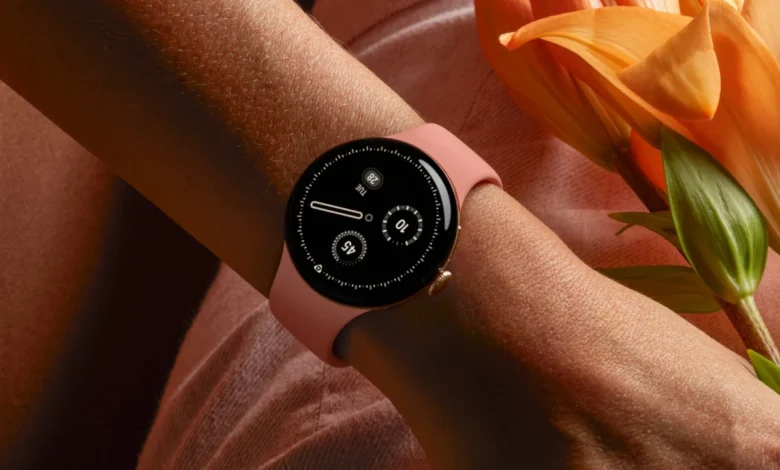
Google Pixel Watch gets step-by-step workout guidance with the November Pixel Drop

The Evolution of the Google Fitness Ecosystem
Google’s foray into advanced fitness tracking has been characterized by a steady migration of features from the smartphone to the wrist. The company’s recent trajectory includes the deployment of the Gemini-powered Google Health Coach, an AI-driven tool capable of synthesizing individual fitness data, recovery metrics, and personal objectives to generate bespoke workout plans.

Historically, users relying on the Google Health platform were forced to toggle between their physical activity and their mobile interface. While logging weight, repetition counts, and cardiovascular intensity is essential for progressive overload in strength training, the process was often disruptive. The introduction of step-by-step guidance marks a shift toward a more seamless, hardware-integrated experience. This update allows the watch to serve as a primary interface, displaying real-time metrics and instructional cues that keep the user focused on their movement rather than their device settings.
Chronology of Recent Updates
The path to this current update began earlier this year as Google sought to refine the data granularity provided by the Pixel Watch line. The timeline of these improvements is as follows:

- Early 2026: Google began integrating deeper natural language processing (NLP) into its health suite, allowing users to describe their fitness routines in conversational terms rather than rigid data entry fields.
- Mid-2026: The company released a significant update focused on the reliability of exercise tracking, specifically addressing the accuracy of auto-detection for common strength movements.
- Late 2026 (November): The rollout of the latest Pixel Drop introduces the "Step-by-step Workout" interface, available specifically for the Pixel Watch 3 and subsequent models.
- Future Roadmap: Google has signaled that additional features, including AI-driven notification summaries and seamless unlocking protocols, are currently in the testing phase for upcoming software cycles.
Functional Mechanics of the New Guidance System
The core functionality of the new guidance system rests on its ability to synchronize complex workout plans from the cloud to the wearable device. When a user initiates a session, the Pixel Watch interface provides a guided walkthrough. For strength training, this means the device presents the specific exercise, the prescribed load (weight), and the target repetition range.
Crucially, the interface is designed for high-intensity environments. Users can log their completed reps and adjusted weights directly on the watch screen. By removing the need to reach for a phone, Google is attempting to minimize "rest-time bloat," where users spend excessive time navigating menus between sets. Data logged on the watch is immediately reflected in the user’s phone-based health profile, ensuring that long-term progress tracking remains consistent across both devices.

Broader Implications for Wearable Tech
The move toward on-wrist autonomy reflects a broader industry trend where wearables are increasingly viewed as standalone computing devices rather than mere peripherals. By enabling direct interaction with workout plans, Google is competing directly with specialized fitness trackers and dedicated sports watches that have long held an advantage in user interface efficiency.
Furthermore, the integration of generative AI through the Gemini architecture suggests that the "coaching" aspect of these devices will become more conversational. Rather than simply logging data, future versions of the Pixel Watch may provide real-time adjustments based on live performance metrics—such as suggesting a lower weight if the user’s heart rate variability indicates poor recovery or recommending a higher intensity if the user is consistently under-performing against their established targets.

Upcoming Features: The Expanding Pixel Watch Utility
Beyond the immediate improvements to workout tracking, Google has outlined a series of updates scheduled for the coming months. These features are intended to improve the daily usability of the Pixel Watch 5 and 3:
- Gemini Call Screen: This feature, currently restricted to users in the United States, uses artificial intelligence to screen incoming calls. The watch provides a summary of the caller’s intent, allowing the user to decide whether to engage without needing to take their phone out.
- AI-Powered Notification Summaries: Coming to the Pixel Watch 3 and newer, this feature leverages Wear OS 7.1 to aggregate incoming notifications. By using AI to distill long threads into actionable summaries, Google aims to reduce the "notification fatigue" that often plagues smartwatch users.
- Phone to Watch Unlock: This security-focused update uses Ultra-Wideband (UWB) technology to allow a paired smartphone to act as a physical key for the watch. By detecting the proximity of the authorized phone, the watch will bypass standard PIN or pattern entry requirements, creating a frictionless user experience that remains secure.
Analysis of Ecosystem Synergy
Industry analysts note that Google’s strategy is heavily reliant on "ecosystem lock-in." By ensuring that these advanced features—such as UWB-enabled unlocking or Gemini-powered call screening—are exclusive to newer Pixel hardware, Google is creating a powerful incentive for users to upgrade their devices.

However, this approach also raises questions regarding software longevity and accessibility. While the Pixel Watch 3 and 5 are receiving these updates, older models are increasingly being relegated to "legacy" status. The requirement for a specific operating system (Wear OS 7.1) for notification summaries, for instance, underscores the hardware-software interdependence that defines modern mobile computing.
Market Context and Future Outlook
The wearable market has seen a marked shift toward health-centric applications. With major players like Apple, Samsung, and Garmin all vying for dominance in the fitness-tracking space, Google’s emphasis on "natural interaction"—using AI to interpret user intent—is a calculated move to differentiate its products.

Whether the new step-by-step guidance will require a Google Health Premium subscription remains a point of contention among current users. While the hardware capabilities are present, the gating of advanced features behind a subscription paywall has historically been a point of friction for consumers. As the company continues to refine these features, the industry will be watching to see how much of this functionality remains a standard utility versus a premium service.
In summary, the latest Pixel Drop represents a significant step forward in the maturation of the Pixel Watch as a comprehensive health companion. By prioritizing the user’s flow within a workout environment and automating the more tedious aspects of fitness tracking, Google is successfully positioning its wearable hardware as an essential tool for the modern, tech-enabled athlete. As these features continue to roll out globally, the success of the platform will likely depend on the reliability of the AI integrations and the continued expansion of the ecosystem to encompass more users regardless of their hardware generation.
Related posts: