AMD Pivot Toward Data Center Dominance Signals Structural Shift in Global Computing Markets

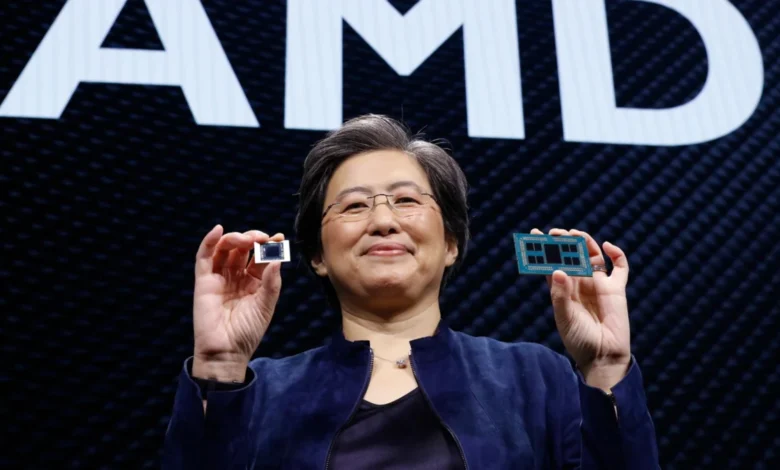
Advanced Micro Devices (AMD) has officially repositioned itself as a data-center-first enterprise, a strategic pivot that underscores the shifting priorities of the semiconductor industry in the wake of the artificial intelligence boom. During a pivotal interview on Thursday, November 5, and in subsequent comments following the company’s Q3 2026 earnings report, AMD CEO Dr. Lisa Su articulated a long-term vision that prioritizes high-performance computing infrastructure over consumer-grade hardware. This transformation, while promising substantial growth in the enterprise sector, has drawn significant scrutiny regarding the future of the traditional personal computer (PC) market, which AMD expects to face a double-digit percentage decline in 2027.
The Strategic Shift to Enterprise AI
Dr. Su’s commentary marks a definitive departure from the company’s traditional identity. For decades, AMD’s reputation was anchored in its competitive positioning within the CPU and GPU markets for individual gamers and professionals. However, the current economic climate—driven by an insatiable demand for AI-ready data centers—has forced a recalibration of resources.
"We are a data center-first company; that is our profile," Dr. Su stated, emphasizing that the industry’s appetite for computing power is currently the primary engine of global tech growth. According to the company’s Q3 2026 disclosures, AMD is projecting a 50% sequential increase in data center revenue between the third and fourth quarters of the year. The company’s long-term roadmap involves more than doubling its enterprise-focused business as it enters the 2027 fiscal year.

This transition is fueled by the belief that "computing equates to intelligence." In Dr. Su’s view, the current investments in AI infrastructure are not merely cyclical trends but foundational requirements for businesses looking to solve complex problems and accelerate operational efficiency. By investing heavily "ahead of the curve," AMD is positioning itself as the primary hardware supplier for the next decade of super-intelligence, betting that the current infrastructure build-out is the precursor to a broader, essential integration of AI across all facets of the global economy.
Market Volatility and Investor Sentiment
The disclosure of this strategic pivot coincided with a broader cooling in the tech sector, characterized by a slump in AI-related valuations following the November 2026 U.S. midterm elections. While some market analysts interpret the recent dip in semiconductor stock prices as a sign of a "bubble" or a premature market saturation, Dr. Su maintains a long-term perspective.
She characterized the current market volatility as "short-sighted," arguing that the inherent value of computing infrastructure remains disconnected from day-to-day stock market fluctuations. "When you look at the horizon, I see AI and super intelligence becoming more and more essential to every aspect of our lives," Su remarked. She remains steadfast that the massive capital expenditures (CapEx) currently being deployed by hyperscalers—such as Microsoft, Google, and Meta—are grounded in a realistic assessment of long-term demand rather than speculative fervor.
The Forecasted Decline in PC Sales
While the data center business thrives, the outlook for the consumer PC segment remains grim. The industry has been grappling with the "RAMpocalypse"—a period defined by significant shortages and inflated pricing for memory components—which has hampered consumer upgrade cycles and discouraged new PC sales.
Projections for 2027 indicate a double-digit decline in total PC unit sales. This trend is expected to be driven by several factors:
- Market Saturation: Following the massive hardware refresh cycles during the 2020–2022 period, the global installed base of PCs is relatively young and capable of handling current workloads.
- Component Inflation: The prioritization of high-bandwidth memory (HBM) and specialized AI chips for data centers has constrained the supply chain for consumer-grade components, driving up the retail price of laptops and desktops.
- Shift in R&D: As major chipmakers divert their most advanced lithography and design resources to server-class processors, consumer-grade innovation has seen a relative slowdown, leading to longer replacement cycles for the average user.
Economic and Industrial Implications
The decision to prioritize data centers over consumer hardware has profound implications for the semiconductor ecosystem. As AMD and its peers move away from mass-market consumer dominance, the cost of high-end personal computing hardware is likely to remain elevated.
Furthermore, the concentration of capital in data center infrastructure creates a "trickle-down" dependency. If the expected returns on AI investment—such as increased productivity and new software capabilities—fail to materialize at the enterprise level, the entire semiconductor industry could face a significant correction. Because a substantial portion of public wealth, including 401(k) plans and institutional pension funds, is currently tied to the performance of these major tech players, the potential for a broad economic impact is non-negligible.
Chronology of the 2026-2027 Industry Pivot
- Q1 2026: Increased global demand for HBM3e memory chips triggers the first significant supply constraints for consumer GPUs.
- Q2 2026: Tech giants announce record-breaking data center capital expenditures, signaling a massive scale-up in AI training capacity.
- Q3 2026 (Earnings Call): AMD reports record growth in data center revenue while simultaneously identifying early signs of a consumer hardware slowdown.
- November 2026: Dr. Lisa Su confirms the "data center-first" identity of AMD and forecasts a double-digit decline in 2027 PC sales.
- 2027 Outlook: Industry analysts expect continued divergence between enterprise growth and consumer stagnation, with potential regulatory interest in the concentration of semiconductor supply.
Conclusion: A New Era for Semiconductors
The narrative surrounding AMD’s recent announcements reflects a broader reality within the tech industry: the era of the ubiquitous, affordable consumer PC as the primary engine of semiconductor growth is yielding to an era of specialized, enterprise-grade AI infrastructure.

While Dr. Su views this shift as a logical evolution toward a future defined by intelligence and compute-heavy applications, the immediate result for the consumer is a landscape of limited supply and higher costs. The long-term success of this strategy now rests on the ability of the AI industry to deliver tangible value that justifies the trillions of dollars currently being invested in physical data center infrastructure. For the moment, the market remains in a state of high tension, balancing the promise of a technological revolution against the reality of a shrinking traditional consumer hardware market. As we move into 2027, the gap between the "data center-first" reality and the needs of the average computer user will likely remain the most significant point of friction in the global technology sector.
Related posts: