Bit Reactor Hit With Layoffs at Star Wars Zero Company Developer Despite Strong Sales and Return From Furlough

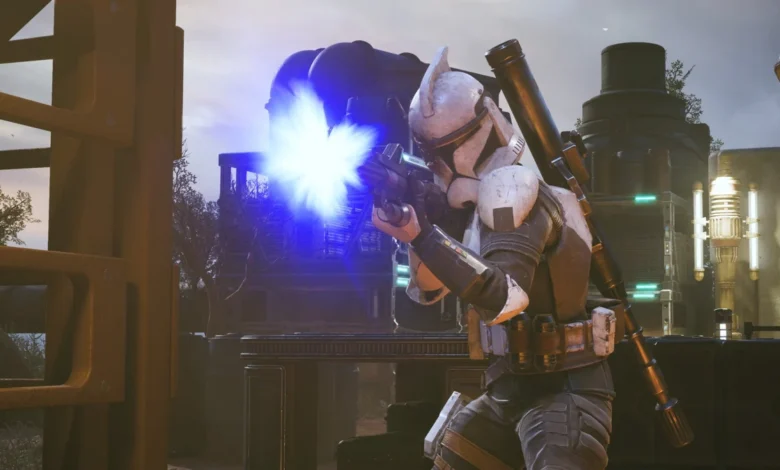
Bit Reactor, the independent game development studio behind the critically acclaimed tactical title Star Wars: Zero Company, has confirmed an unspecified number of structural layoffs. The cuts come barely a month after the studio successfully recalled a portion of its workforce from a sweeping pre-launch furlough.
The layoffs, first brought to public attention via industry reports and developer announcements on professional networking platforms, mark a bitter turn of events for a studio that recently celebrated a major commercial and critical milestone. Despite Star Wars: Zero Company surpassing one million copies sold within its first month on the market, the financial turbulence that plagued the studio’s final months of production has continued to take a toll on its personnel.
Anatomy of a Studio Crisis: The Pre-Launch Furloughs
The seeds of the current restructuring were planted in the critical weeks leading up to the release of Star Wars: Zero Company on August 27. Facing a severe cash crunch just short of crossing the finish line, Bit Reactor leadership made the drastic decision to furlough a vast majority of its workforce. According to internal sources close to the studio, approximately 80 percent of the developer’s staff were temporarily laid off or placed on unpaid leave right as the game entered its crucial final polish and marketing phase.
For an independent studio, finishing a high-profile licensed game under the Disney and Electronic Arts umbrellas is an immense logistical and financial hurdle. In this instance, the studio’s runway appeared to run dry before launch day. Asking employees to step away from their desks mere weeks before shipping a major AAA-adjacent title was described by executive leadership as an agonizing necessity—one framed as the only viable mechanism to keep the corporate entity afloat long enough to eventually bring personnel back.
A Commercial Hit and the Promise of Reintegration
Following its late-August debut, Star Wars: Zero Company defied the odds. Turn-based tactical games operating in the vein of XCOM have historically served a dedicated, albeit niche, market, but the intersection of the genre with the Star Wars intellectual property proved to be a potent combination.
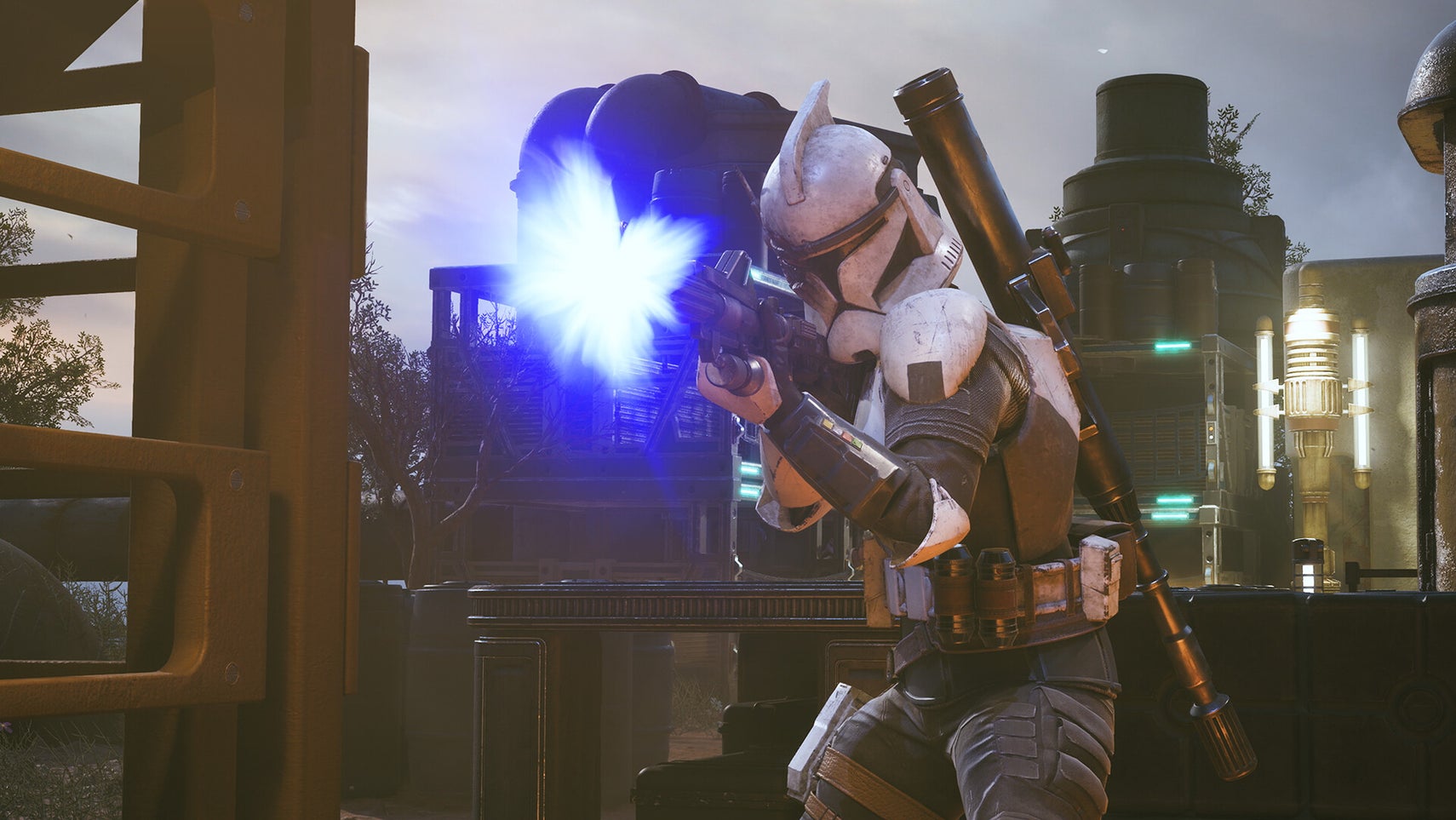
Industry analysts and trackers estimated that the game cleared the coveted one-million-sales milestone within its first thirty days. Critical reception mirrored the commercial success; major gaming publications praised the title for its faithful adherence to tactical depth, atmospheric world-building, and mechanical polish, with Eurogamer awarding the game four out of five stars and labeling it a "smart and slightly ramshackle turn-based tactics gem."
Capitalizing on this sudden influx of revenue and positive market reception, Bit Reactor CEO Greg Foertsch took to social media platform Bluesky on October 7 to share encouraging news. Foertsch announced that the studio had officially initiated the process of recalling furloughed employees back to active employment.
It was estimated that more than half of the studio’s workforce returned to their stations following the announcement, though subsequent reports indicated that not all returning developers were immediately reinstated at their previous full-pay rates. At the time, studio leadership expressed cautious optimism that the commercial success of Star Wars: Zero Company would stabilize the company’s financial footing and secure long-term job security for the team.
The Reality of Post-Launch Restructuring
That optimism, however, appears to have been short-lived. On Friday, November 6, multiple developers took to LinkedIn to announce that they had been formally laid off by Bit Reactor.
Among those affected were key creative and technical personnel who had dedicated years to the project. Senior environment artist Ryan Lopez revealed that he had been let down after spending three and a half years working on Zero Company through its entire lifecycle—from early pre-production to launch—which included navigating a grueling three-month furlough.
Other impacted staff members included UI engineer Tyler Eichten, whose work shaped the tactical user interface of the game’s missions, and Ryan Mosher from the quality assurance department.

Despite the abrupt termination, departing developers maintained a tone of professional pride. Reflecting on his departure, Lopez wrote in a public statement: "While it stings, I’m really proud of what we built together. It was a privilege to ship a game with you."
Bit Reactor has yet to release an official, detailed headcount regarding the extent of the layoffs, nor has the studio clarified whether the newly laid-off workers include those who had recently returned from the pre-launch furloughs. Requests for comment sent to studio representatives regarding the total number of affected employees and the company’s future operational roadmap have not yielded a detailed public response.
Industry Implications and the Precarious State of Independent Development
The situation at Bit Reactor serves as a stark illustration of the structural vulnerabilities facing mid-sized and independent game development studios in the modern era, even when working with tier-one intellectual properties.
In contemporary video game development, the gap between finishing a game and actually receiving revenue distributions from publishers and digital storefronts can span several months. For a studio operating on tight venture capital or milestone-based funding, a delay or a depleted runway can prove catastrophic. Even stellar launch sales do not automatically translate to immediate cash flow capable of servicing debts accrued during the final, most expensive months of production.
Furthermore, the Bit Reactor case highlights a troubling trend within the industry where project success does not inherently guarantee employment stability. While Star Wars: Zero Company will be remembered as a critical and commercial triumph for the tactical genre, the human cost of its delivery underscores ongoing systemic issues regarding project budgeting, financial risk management, and the protection of creative talent in the interactive entertainment sector.
As the industry watches to see how Bit Reactor navigates its post-launch phase, the affected developers have begun the process of seeking new opportunities across the gaming landscape, leaving behind a proven critical success but facing the familiar instability of the modern development market.