Hacker Team Calif Demonstrates Persistent iPhone Jailbreak Bypassing Lockdown Mode on iOS 27.2

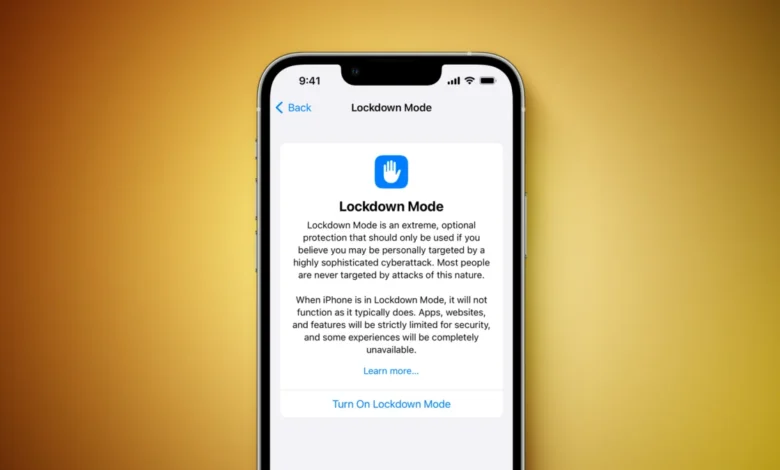
Just over a week after making headlines with a launch-day exploit of the iPhone Duo, the security research collective known as Calif has returned with an even more striking demonstration of mobile device vulnerability. In a newly published proof-of-concept video, the group successfully jailbroke an iPhone 18 Pro while it was operating under Apple’s stringent Lockdown Mode. Furthermore, the demonstration revealed that the custom exploit configuration successfully persisted even after the device was updated to iOS 27.2.
The achievement underscores the ongoing, high-stakes arms race between consumer electronics manufacturers striving for absolute device security and sophisticated researchers capable of uncovering deeply embedded architectural flaws. While the demonstration highlights significant technical prowess, it also reopens a vital industry-wide dialogue concerning the absolute limits of elite security protocols designed to protect high-risk individuals from targeted state-sponsored cyberespionage.
The Anatomy of the Exploit and Demonstration
According to media shared by Calif via social media channels, the demonstration utilized an iPhone 18 Pro running Apple’s specialized security architecture, Lockdown Mode. In the video sequence, a malicious PDF file was transmitted to the target device using Apple’s AirDrop protocol. Upon user acceptance of the incoming file, the exploit chain initiated, successfully subverting the operating system’s defenses and establishing a persistent jailbreak.
Crucially, the demonstration went a step further by updating the compromised device to iOS 27.2. In traditional jailbreak scenarios, system updates typically patch underlying vulnerabilities, overwrite modified system partitions, and restore the device to stock firmware status. However, Calif’s video indicates that the jailbreak survived the software update process. At present, the research team has not disclosed whether the same exploit vector can be successfully deployed against a device that was already updated to iOS 27.2 prior to the attack, or if the persistence relies strictly on an upgrade path from an earlier vulnerable build.
Calif has maintained a policy of responsible disclosure regarding specific technical mechanics, stating that the group intends to share its findings directly with Apple to assist in remediation rather than releasing a consumer-facing jailbreak utility to the public. Consequently, the granular code execution paths, zero-day vulnerabilities utilized, and exact exploit steps remain shielded from public view.
Understanding Apple’s Lockdown Mode
Introduced by Apple as an optional, extreme-protection setting, Lockdown Mode is explicitly engineered for a narrow demographic of users who—due to their public profile, profession, or affiliations—risk being individually targeted by advanced mercenary spyware. This class of digital intrusion tools, often developed by private intelligence contractors and sold to government entities, is notoriously sophisticated, frequently relying on zero-click or one-click zero-day exploits that require no user interaction to compromise a standard device.
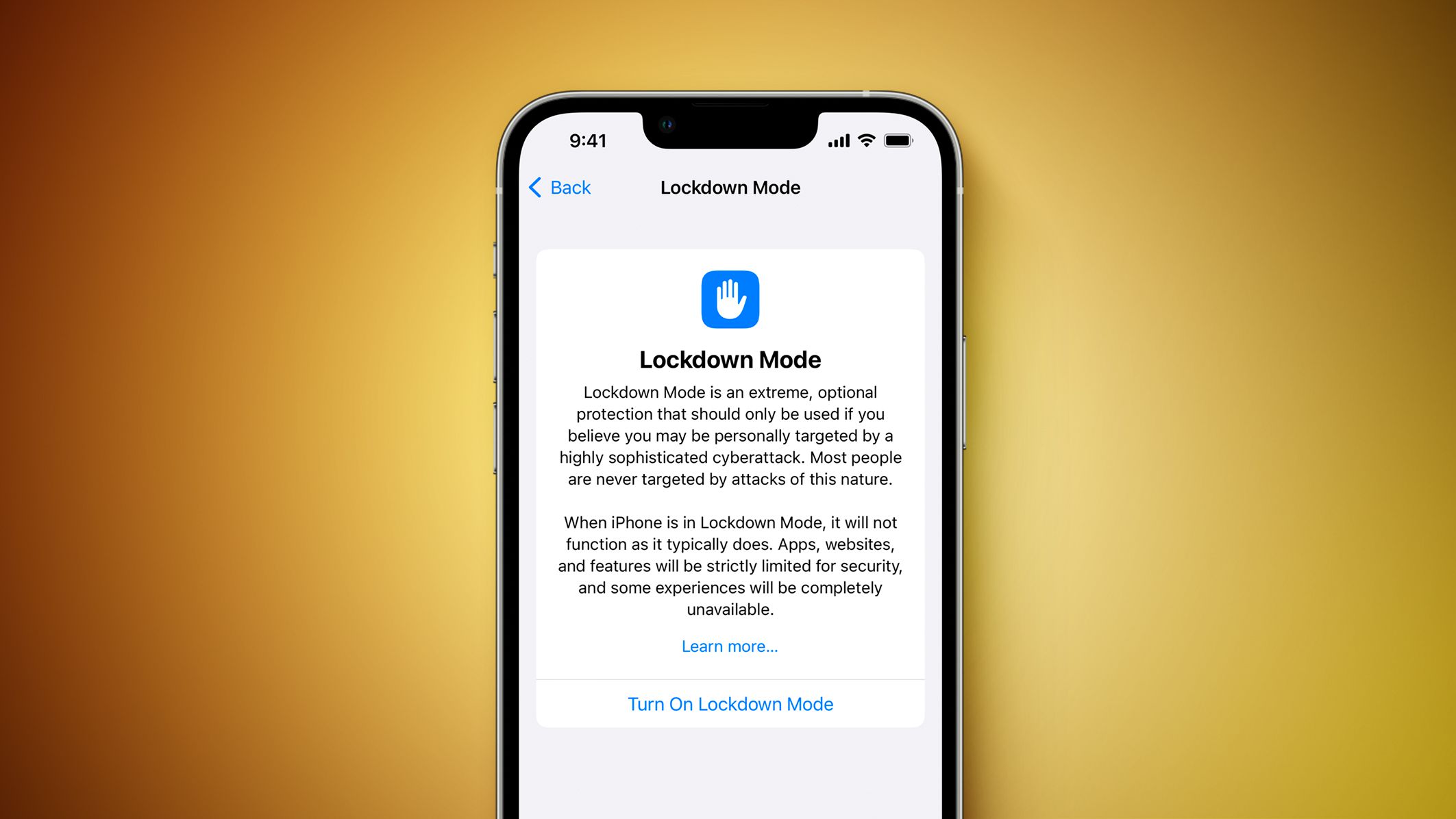
When activated, Lockdown Mode fundamentally alters the attack surface of iOS by heavily restricting functionality across multiple subsystems:
- Messages: Blocks most message attachment types outside of images, while disabling link previews and rich communication features.
- Web Technologies: Strictly limits complex web technologies, including certain Just-In-Time (JIT) JavaScript compilation, unless the user excludes a trusted website from the protection list.
- FaceTime and Communication: Automatically blocks incoming FaceTime calls from individuals who are not already present in the user’s contact list or recent communication history.
- Apple Services: Disables incoming invitations for shared services, such as HomeKit configuration requests, if the user has never previously invited that sender.
- Connectivity and Hardware: Blocks wired connections with accessories or computers when the device is locked, and strips location metadata from shared digital photographs.
Prior to Calif’s recent demonstration, Apple’s security posture surrounding Lockdown Mode remained remarkably resilient. Earlier in the year, Apple representatives informed technology publication TechCrunch that the corporation was entirely unaware of any substantiated, successful mercenary spyware attacks executed against an iPhone operating within Lockdown Mode. This track record positioned the feature as the gold standard of consumer-grade mobile device hardening.
Chronology of Recent Security Milestones
To fully grasp the significance of Calif’s recent breakthrough, it is necessary to examine the rapid sequence of security-related milestones and product developments that have characterized the final quarter of 2026:
- Late March 2026: Apple officially reaffirms the robust efficacy of Lockdown Mode, confirming to industry press that no successful breaches of the feature by mercenary spyware have been documented or verified in the wild.
- Late October 2026: Alongside the commercial rollout of new hardware lines, hacker group Calif shocks the security community by successfully executing a launch-day jailbreak on the newly released iPhone Duo.
- November 2, 2026: Apple initiates a massive wave of hardware deployments, announcing and shipping five new product lines—including OLED-equipped iPad mini models, M6-powered iMacs, and advanced OLED touchscreen MacBook Pro variants—stretching engineering support across multiple platforms.
- November 3, 2026: Calif publishes its video demonstration showing an iPhone 18 Pro jailbroken under active Lockdown Mode conditions, with the modification persisting through an upgrade to iOS 27.2.
Broader Industry Impact and Strategic Implications
The successful circumvention of Lockdown Mode carries profound implications for the cybersecurity ecosystem, enterprise mobility management, and national security communications.
For high-risk individuals—such as investigative journalists, human rights defenders, dissidents, diplomats, and political figures who rely on Lockdown Mode to shield sensitive communications from invasive digital surveillance—the demonstration serves as a stark reminder that digital security is an iterative process rather than an absolute state. While standard consumer threats are effectively neutralized by Apple’s defenses, the ability of elite research syndicates to pierce these layers indicates that determined adversaries with deep financial resources or advanced proprietary research capabilities may find pathways through even the most hardened software architectures.
From Cupertino’s perspective, the demonstration provides critical intelligence. Although public details are scarce, private disclosure agreements typically allow major technology firms to analyze vulnerability reports, reverse-engineer the conceptual mechanics of the exploit, and deploy targeted patches in subsequent operating system iterations. Apple’s swift engineering response to previous disclosures suggests that mitigation measures for the underlying vectors exposed by Calif are likely already under active development or scheduled for near-term deployment in forthcoming iOS rapid security responses.
Ultimately, Calif’s demonstration does not signal an immediate, widespread threat to everyday iPhone users, given that the vulnerabilities are not publicly weaponized and the research group adheres to disclosure norms. However, it permanently alters the calculus of ultra-secure mobile deployment, reinforcing the reality that as operating system defenses grow exponentially more complex, the techniques employed by top-tier security researchers and sophisticated threat actors will evolve in tandem to challenge the frontiers of digital privacy.