Nagoshi Studio Officially Closes Its Doors as NetEase Pulls Funding and Cancels Gang of Dragon

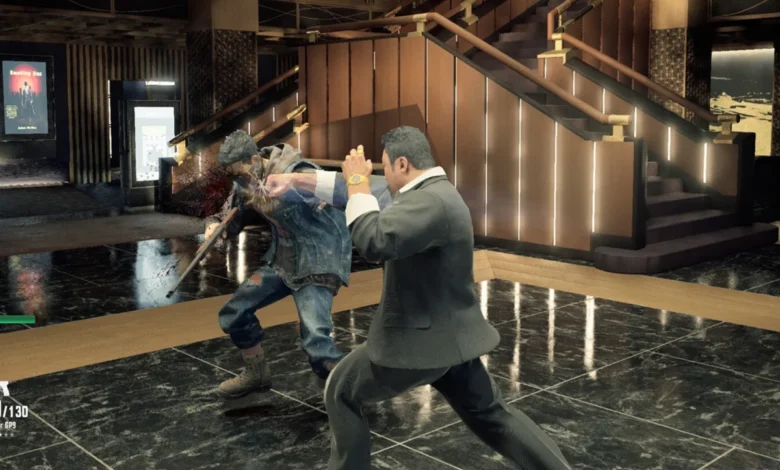
The video game industry has suffered another major blow with the official closure of Nagoshi Studio, the Tokyo-based developer founded by legendary game creator Toshihiro Nagoshi. Alongside the closure, the studio’s debut project, Gang of Dragon, has been effectively cancelled. This definitive end comes months after primary financial backer NetEase abruptly withdrew its funding, leaving the ambitious, high-budget crime drama without the resources necessary to reach completion.
Confirmation of the studio’s liquidation appeared in the Japanese government’s official gazette, Kanpo, sealing the fate of a developer that once carried massive expectations. The collapse underscores a broader, chilling trend across the global gaming landscape: major Chinese and international conglomerates dramatically scaling back their investments in Western and Japanese satellite studios, leaving high-profile creative talent stranded in an increasingly risk-averse market.
The Rise and Fall of Nagoshi Studio: A Chronology
Toshihiro Nagoshi is a titan in the video game industry, globally celebrated as the creative mastermind behind Sega’s mega-hit Yakuza (later rebranded as Like a Dragon) series. After decades of shaping Sega’s identity, Nagoshi announced his departure from the company in 2021 to establish Nagoshi Studio, operating as a fully-owned subsidiary of the Chinese tech and gaming giant NetEase.
For the first few years, the partnership appeared fruitful. Backed by NetEase’s deep pockets, Nagoshi assembled a veteran team of developers dedicated to building cinematic, narrative-driven experiences that echoed the gritty, dramatic underworlds he was famous for creating.
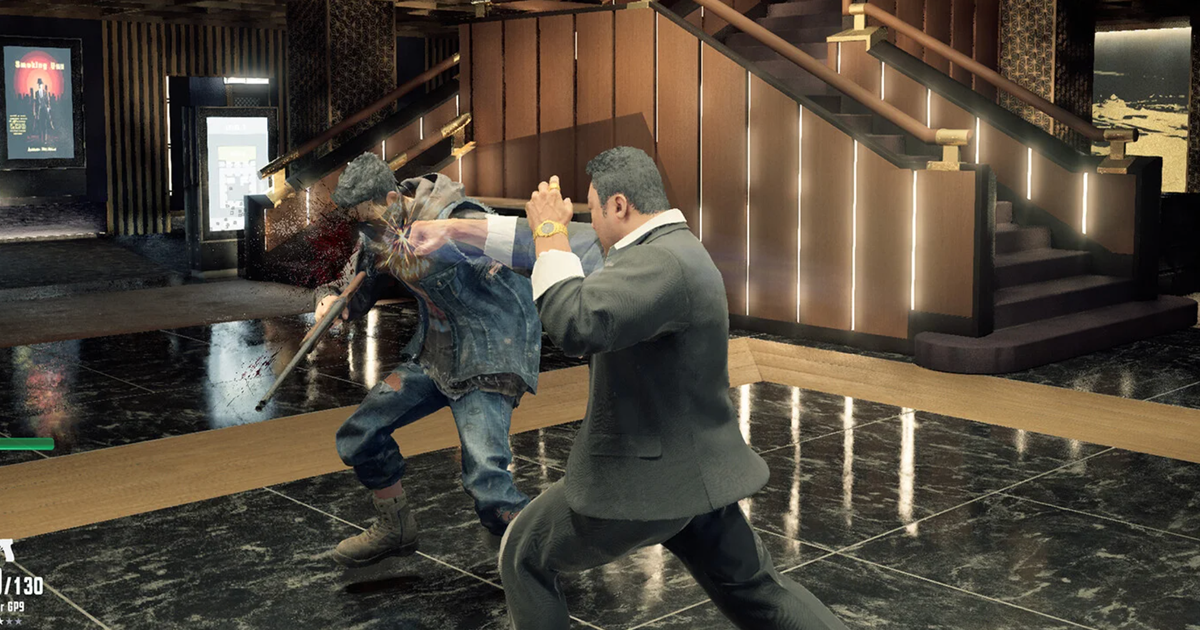
The trajectory of the studio hit a major milestone at The Game Awards in December 2025, where Nagoshi proudly revealed the world premiere trailer for Gang of Dragon. The high-octane trailer showcased trademark elements of Nagoshi’s signature style: intense cinematic direction, visceral combat, high-stakes organized crime drama, and a marquee Hollywood-adjacent talent starring international action star Ma Dong-seok, widely recognized for his breakout roles in Train to Busan and Marvel Studios’ Eternals.
However, the celebratory atmosphere of the trailer premiere masked a rapidly deteriorating financial reality behind closed doors. Just months after the public unveiling, employees were briefed on a severe fiscal crisis. NetEase, shifting its financial strategies on a global scale, refused to provide the additional capital required to push the game across the finish line. Reports indicated that Nagoshi Studio required roughly £33.1 million (approximately $44.4 million USD at the time) in continued operational and development funding to complete Gang of Dragon. When NetEase declined to sign off on the cash injection, the studio was left on life support, ultimately culminating in the recent liquidation filing recorded in the Kanpo.
NetEase and the Global Retrenchment of Venture Funding
The demise of Nagoshi Studio is not an isolated incident; rather, it is part of a systemic cooling-off period by NetEase regarding its international studio investments. Over the past few years, the Chinese conglomerate has aggressively restructured its overseas gaming portfolio, pulling financial support from several high-profile studios helmed industry veterans.
The casualties of this corporate retreat have piled up rapidly:
- Ouka Studios: The developer behind Visions of Mana was abruptly shut down by its parent company mere days after the successful release of its gorgeous, critically appreciated action role-playing game.
- Worlds Untold: Formed by Mass Effect veteran narrative designer Mac Walters, this AAA studio was forced to pause all operations and scramble to find a new publishing partner after losing its financial backing.
- Jerry Hook’s Unnamed Studio: Led by the former Halo Infinite head of design, this studio ran into identical roadblocks, halting work on its maiden title as executives hunted desperately for alternative funding sources.
Amid this widespread contraction, only a handful of developers have managed to engineer an escape route. Most notably, veteran creator Suda51 and his team at Grasshopper Manufacture managed to execute a management buyout, successfully steering the company back into independence to safeguard their creative autonomy. Unfortunately, Toshihiro Nagoshi and his team were unable to secure a similar lifeline before legal and financial insolvency forced the studio to close permanently.

Broader Industry Implications and the Fate of Gang of Dragon
The sudden closure of Nagoshi Studio sends a sobering message to the games industry regarding the precarious nature of publisher-dependent boutique studios. In an era where AAA and high-end AA game development costs have skyrocketed—often requiring hundreds of millions of dollars and multi-year production cycles—even industry luminaries with proven track records are no longer immune to sudden corporate pullbacks.
Toshihiro Nagoshi’s name alone was once considered a golden ticket in the industry, capable of greenlighting massive budgets and attracting top-tier talent and actors like Ma Dong-seok. The fact that a project with such heavy star power and pedigree could collapse so suddenly highlights a profound structural shift: publishers are prioritizing immediate risk mitigation and guaranteed short-term returns over long-term, prestige creative ventures.
For fans of Nagoshi’s work, the cancellation of Gang of Dragon represents a tragic loss of a promising new intellectual property that sought to push cinematic storytelling and visceral action forward. As the dust settles on the official government filings in Tokyo, the immediate future of Toshihiro Nagoshi himself remains uncertain. Whether the legendary director will attempt to rebuild independently, seek out a new corporate backer, or step away from the industry entirely will undoubtedly be one of the most closely watched storylines in gaming over the coming months. What is certain, however, is that the closure of Nagoshi Studio marks the end of a notable chapter in modern Japanese video game history.