Pixel Watch users report significant battery drain following recent software updates

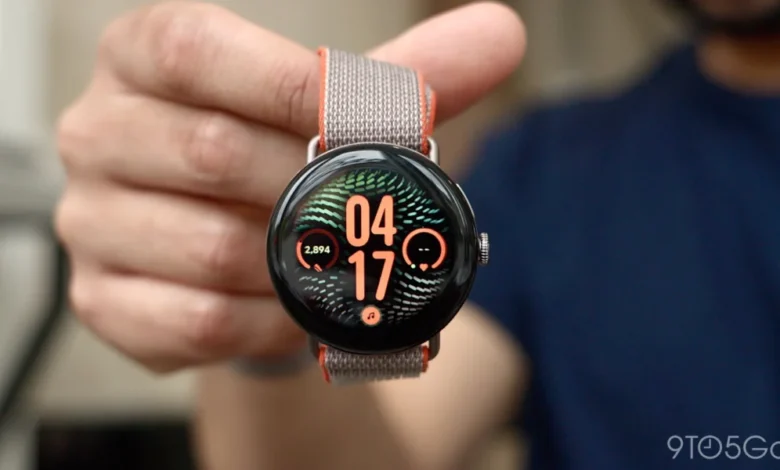
A growing number of Google Pixel Watch owners are reporting significant, unexplained battery depletion across multiple generations of the wearable device, with some users noting a loss of up to 20% of their charge every few hours. These reports, which have surfaced prominently on community forums such as Reddit, suggest that recent software deployments may be placing an unprecedented strain on the hardware, leading to a drastic reduction in expected battery life.
The complaints involve various models, including the Pixel Watch 2 and the newer Pixel Watch 4. While the issue does not appear to be universal—as many users report their devices are performing within normal parameters—the consistency of the anecdotal evidence suggests a localized but impactful technical conflict. As users search for clarity, the discourse has centered on the correlation between recent system updates and the sudden degradation of power management efficiency.
Chronology of Reported Battery Degradation
The reports began to coalesce into a discernible trend in late October 2026. Users have been logging their experiences on various subreddits, with some threads garnering significant engagement. One representative case involves a Pixel Watch 2 owner who reported that their device, which previously sustained 48 hours of use with the Always-On Display (AOD) disabled, is now failing after only 12 hours. This represents a 75% reduction in battery longevity, rendering the device effectively non-functional for standard daily use cases.
Similarly, owners of the Pixel Watch 4 have noted a sharp decline. One user stated that their device, which typically boasts a runtime of up to 2.5 days on a single charge, is now struggling to remain powered for a full 24-hour cycle. While these reports are currently based on user-provided data, the pattern of sudden, drastic drops in endurance following recent software patches is a recurring theme in the discussions.
The timing of these reports is inconsistent. Some users claim the drain began immediately following the installation of the September 2026 security and feature update, while others report having observed the decline over a longer, more gradual period. This discrepancy complicates the identification of a single root cause, suggesting that either multiple software components are at fault or that the interaction between hardware and software is varying based on individual user configurations.
Analyzing Potential Software Catalysts
Technical experts and power users are currently scrutinizing the recent software ecosystem changes introduced by Google to identify the primary driver of the excess power consumption. Two primary candidates have emerged in the discussion: the "Gemini Personalization" feature and the recent updates to the Google Health suite.
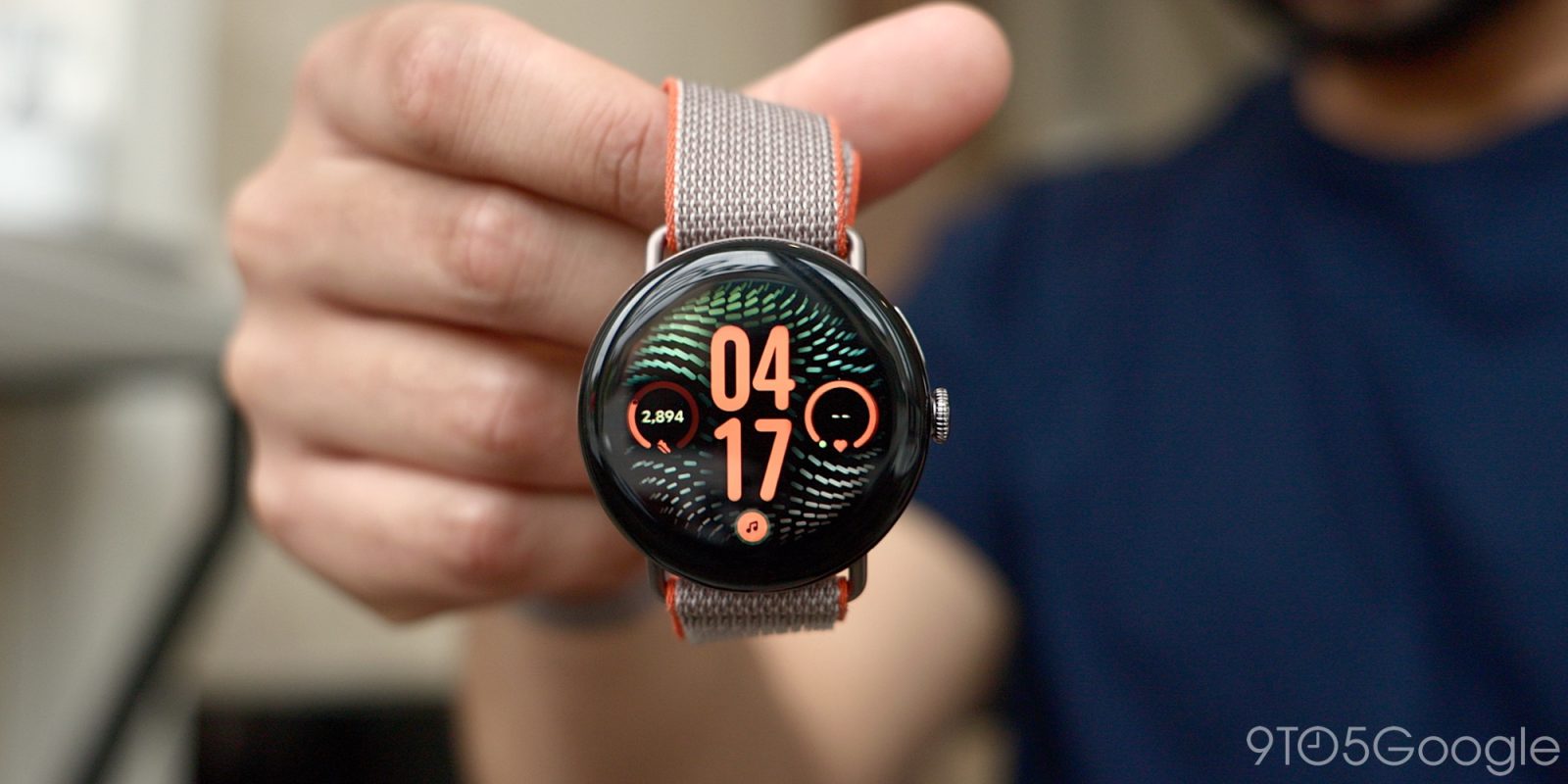
The September 2026 update introduced Gemini Personalization to the Pixel Watch 2 and newer iterations. This feature is designed to leverage historical user data—including past conversations, Gmail interactions, and Calendar events—to provide more contextually relevant, AI-driven responses. While the convenience of on-device AI integration is significant, the computational overhead required to process such data in the background is substantial. If the background processes associated with Gemini are not sufficiently optimized, they could theoretically keep the watch’s processor in a high-power state, directly leading to accelerated battery drain.
Additionally, the recent Google Health expansion, which introduced enhanced automatic activity detection, is being viewed with suspicion. This feature requires the device’s sensors—including the accelerometer and heart rate monitor—to remain in a state of high-fidelity data collection for longer periods. If the software responsible for interpreting this sensor data encounters a "loop" or fails to enter a low-power sleep mode, the impact on battery life would be immediate and severe. However, the fact that these issues appear to span models with varying processor architectures and sensor capabilities suggests that the problem may lie within a shared layer of the Wear OS codebase rather than a specific feature.
Broader Implications for Wearable Power Management
The situation highlights the persistent challenge of balancing feature-rich software updates with the physical limitations of lithium-ion batteries in small-form-factor devices. Wearable technology relies on a delicate equilibrium between power consumption and performance. When a manufacturer introduces new capabilities—particularly those involving machine learning or constant sensor polling—the margin for error in software optimization becomes razor-thin.
For Google, this incident poses a challenge to the reputation of the Pixel Watch as a reliable daily companion. Historically, smartwatches have struggled to compete with the longevity of traditional timepieces, and for many, the "all-day battery" is the absolute minimum requirement for adoption. If a software update undermines this reliability, it risks eroding consumer trust and complicating the upgrade path for future generations of the device.
Moreover, the lack of an official acknowledgment from Google has left users in a state of uncertainty. In the absence of clear communication, users have attempted various troubleshooting methods, including factory resets, clearing cache partitions, and disabling specific health tracking features. While some have reported success with these measures, the results are inconsistent, further suggesting that the issue is systemic rather than user-specific.
Technical Context and Power Constraints
To understand the severity of these reports, it is necessary to consider the technical constraints of the Pixel Watch series. The battery capacity of the Pixel Watch 4, while improved over previous generations, is still physically constrained by the dimensions of the chassis. Modern smartwatches typically utilize low-power co-processors to handle background tasks like step counting and basic notifications, while the main application processor (AP) is reserved for more demanding tasks.
When an operating system update inadvertently forces the main AP to wake up too frequently—a phenomenon known as "wake locks"—the battery will drain significantly faster than it would during normal operation. If, for instance, the new Gemini Personalization module is triggering frequent background requests to the cloud or local storage, the main processor may be prevented from entering its "doze" or deep-sleep state. This creates a cumulative effect where the battery is effectively "running" even when the user is not actively interacting with the screen.

Industry Comparisons and Reliability Standards
In the broader context of the consumer electronics industry, battery drain issues following major OS updates are not unique to the Pixel Watch. Similar incidents have been documented with various smartphone and smartwatch platforms over the last decade. Often, these issues stem from the re-indexing of files or the re-calibration of background services that occurs immediately after a major system update. However, in most cases, these issues resolve within 48 to 72 hours as the system stabilizes.
The current situation with the Pixel Watch is notable because the reported drain is persisting beyond the typical "post-update settling" period. If the drain continues for weeks, it points to a fundamental flaw in the implementation of the new software features. Major tech companies typically employ rigorous A/B testing and battery-drain simulation testing before rolling out updates to the general public, but these tests cannot always account for the vast array of third-party apps and user-specific settings present on devices in the wild.
Future Outlook and Expected Resolutions
As of the time of this writing, Google has not released a statement regarding the battery issues or provided a timeline for a potential patch. Historically, when such issues are identified, the resolution process involves a tiered approach:
- Investigation: Engineering teams analyze user telemetry and diagnostic logs to replicate the reported behavior.
- Identification: Pinpointing the specific service or process causing the excessive power draw.
- Deployment: Issuing a "hotfix" or a minor software update that specifically addresses the optimized power management or disables the problematic service until it can be corrected.
Users affected by these issues are currently advised to monitor their device’s battery usage statistics in the Settings menu to identify if a specific application or system service is consuming an abnormal percentage of power. Disabling non-essential features, such as continuous blood oxygen monitoring or reducing the frequency of background data synchronization, may offer temporary relief while a permanent solution is developed.
The ongoing discourse on community forums serves as a reminder of the vital role played by user feedback in modern software development. As consumers continue to report their experiences, the data points provided will be instrumental in helping Google’s development teams diagnose and rectify the underlying conflicts. Whether the resolution arrives in the form of a rapid firmware patch or a change in how background AI processes are managed, the primary concern for the user base remains the restoration of the expected battery performance that is foundational to the user experience of the Pixel Watch.
Until an official response is provided, the community will likely continue to act as the primary source of information and troubleshooting, highlighting the need for more transparent communication from manufacturers when core functionality is impacted by software deployment. For now, owners of the Pixel Watch 2 and 4 are left to manage their device usage carefully, waiting for the update that will hopefully restore the performance standards they have come to expect.
Related posts: