Creeping Collectibles: How Horror Funko Pops Became Essential Halloween Merchandise for Pop Culture Enthusiasts

With the Halloween season approaching, pop culture enthusiasts and horror movie fans are once again turning their attention toward seasonal memorabilia, with collectible vinyl figures taking center stage in retail markets. Among the most prominent brands capitalizing on this annual surge in demand is Funko, whose ubiquitous Pop! vinyl figures have dominated the collectible toy industry for over a decade. As consumers seek out ways to celebrate the scariest time of the year, horror-themed Funko Pops have transitioned from niche hobbyist items into mainstream cultural staples, bridging the gap between classic cinema, contemporary slashers, and interactive gaming.
Main Facts and Current Market Landscape
The current marketplace for horror merchandise reflects a broader economic trend in which licensed pop culture collectibles continue to demonstrate resilient consumer demand, even amid broader retail fluctuations. Ahead of Halloween, major online retailers—most notably Amazon—have reported increased search traffic and sales velocity for horror-themed collectibles.
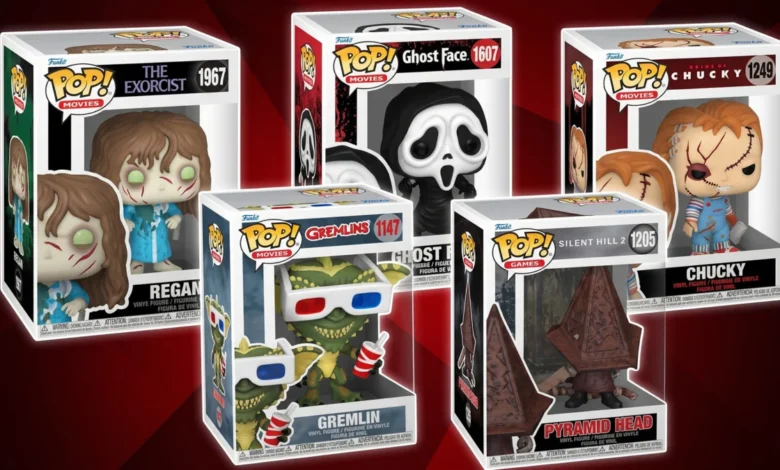
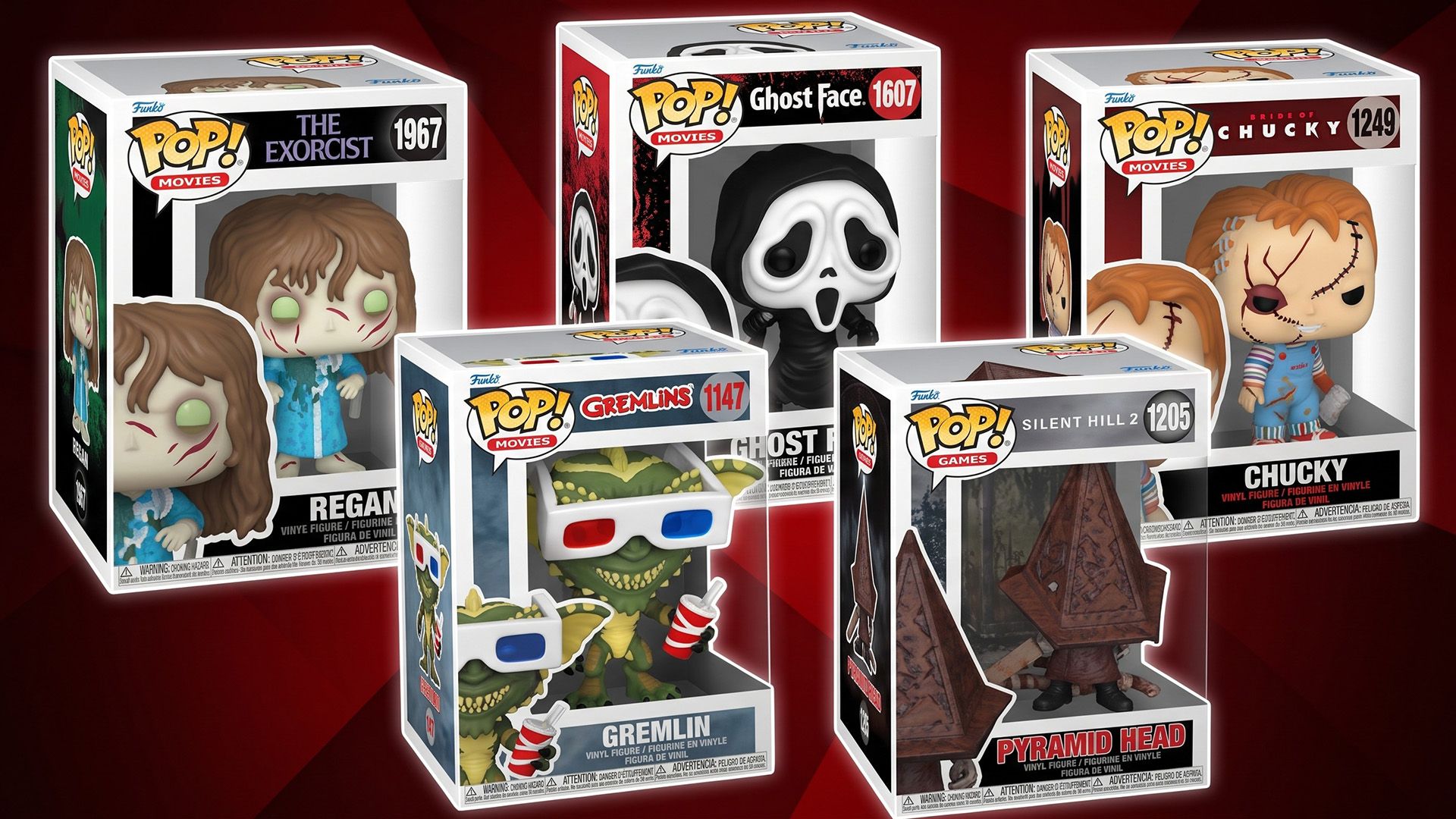
The appeal of these figures lies heavily in their stylized design, which transforms notoriously terrifying figures into approachable, standardized bobbleheads and display pieces. The current lineup spans decades of cinematic history, featuring characters from foundational horror masterpieces as well as contemporary box-office hits. Prominent figures currently driving seasonal sales include Regan MacNeil from William Friedkin’s 1973 classic The Exorcist, the razor-sharp Ghostface from Wes Craven’s Scream franchise, and Art the Clown from Damien Leone’s ultra-violent modern indie phenomenon, Terrifier.
Beyond traditional cinema, the catalog has expanded to encompass psychological survival horror from the interactive entertainment sector, notably featuring Pyramid Head from Konami’s critically acclaimed Silent Hill video game franchise. This diversification demonstrates Funko’s strategic effort to capture overlapping demographics of cinephiles and gamers alike.
Background Context and Evolution of the Collectibles Industry
To understand the current popularity of horror-themed vinyl figures, it is necessary to examine the evolution of the collectibles market over the past twenty years. Founded in 1998 by Mike Becker as a small project that initially created bobbleheads of nostalgic advertising icons, Funko underwent a major strategic shift in 2005 when current CEO Brian Mariotti took over the company. Mariotti recognized the commercial potential of acquiring vast portfolios of pop culture licenses.
Throughout the late 2000s and 2010s, Funko capitalized on the burgeoning "geek culture" movement, securing official partnerships with major entertainment conglomerates including Disney, Warner Bros., NBCUniversal, and Paramount. By standardizing the form factor—characterized by oversized heads, large black eyes, and minimalist bodies—the company created a uniform aesthetic that appealed strongly to "completionists," or collectors driven to acquire entire sets within specific categories.
While early releases focused heavily on family-friendly franchises like superheroes and animation, the company quickly realized that genre-specific niches, particularly horror and sci-fi, possessed exceptionally loyal consumer bases. The horror community, known for its deep appreciation of physical media, memorabilia, and specialized merchandise, embraced the Pop! vinyl line as an affordable, space-efficient alternative to high-end, expensive statues and action figures.
Chronology and Expansion of the Horror Lineup
The integration of horror properties into the Funko Pop catalog has occurred in distinct waves, mirroring the cultural resurgence of specific cinematic subgenres:
- The Early Era (2010–2014): Funko’s initial foray into horror focused primarily on universally recognized Universal Classic Monsters (Dracula, Frankenstein’s Monster, the Wolf Man) alongside undisputed slasher royalty from the 1980s, such as Freddy Krueger (A Nightmare on Elm Street) and Jason Voorhees (Friday the 13th). These early releases established the baseline template for how classic horror antagonists could be adapted into the chibi-style vinyl format.
- The Modern Slasher Boom (2015–2019): As horror experienced a critical and commercial renaissance in the mid-2010s, Funko rapidly expanded its catalog to include modern icons and cult favorites. Characters from contemporary franchises, including The Conjuring universe, Saw, and It (Pennywise), saw multiple variants released to match specific cinematic iterations.
- The Diversification Phase (2020–Present): In recent years, the catalog has broadened to incorporate independent horror, streaming sensations, and interactive media. Figures such as Art the Clown (Terrifier) and crossover icons from survival horror video games like Silent Hill and Resident Evil reflect a more inclusive approach to what constitutes horror intellectual property in the modern digital age.
Supporting Data and Consumer Demographics
Market research within the toy and collectibles sector indicates that adult collectors—frequently referred to in the industry as "kidults"—represent one of the fastest-growing and most financially stable consumer segments. According to industry analyses by Circana (formerly NPD Group), sales of toys and collectibles to adults aged 18 and older have accounted for billions of dollars in annual retail revenue, often offsetting declines in traditional toy sales driven by declining birth rates among younger demographics.
Within this demographic, horror enthusiasts exhibit exceptionally high engagement metrics. Data from online retail platforms shows that seasonal spikes for horror merchandise consistently outperform general holiday shopping benchmarks during October. Furthermore, the secondary market—comprising platforms like eBay, Mercari, and specialized collector forums—maintains robust liquidity for rare, vaulted (discontinued), or convention-exclusive horror Funko Pops, with certain limited-edition variants commanding hundreds of dollars above their original retail price.
Official Responses and Industry Perspectives
While Funko, Inc. routinely declines to break down exact sales figures by individual product line in its quarterly earnings reports, company leadership has frequently emphasized the importance of evergreen licenses and horror properties during investor earnings calls and industry convention panels.
Speaking on the company’s product strategy, industry analysts note that the standardized manufacturing and global distribution networks established by Funko allow them to capitalize rapidly on cinematic releases. When a new horror film breaks box-office records or achieves viral status on streaming platforms, the turnaround time for conceptualizing, manufacturing, and distributing related vinyl figures has compressed significantly, allowing retailers to stock shelves while public interest is at its peak.
Retail partners, including major e-commerce giants and specialty hobby shops, have similarly adjusted their inventory strategies. Rather than treating Halloween as a brief, one-week retail window, sellers now initiate horror-themed marketing campaigns as early as late August, extending the peak sales cycle across the entire autumn quarter.
Broader Impact and Market Implications
The sustained popularity of horror-themed pop culture merchandise carries several broader implications for the entertainment and retail sectors:
- Validation of Independent and Alternative Cinema: The inclusion of characters from ultra-low-budget indie films like Terrifier alongside multi-million-dollar studio franchises demonstrates how grassroots popularity can translate into mainstream commercial products. This provides independent filmmakers with valuable auxiliary revenue streams through merchandise licensing.
- The Shift Toward Physical Display in Digital Spaces: Ironically, in an era where media consumption has become predominantly digital and streaming-based, the physical manifestation of fandom through shelf displays has grown in importance. Collectors use these items as tangible expressions of identity and aesthetic taste within their living spaces.
- Supply Chain and Sustainability Challenges: As the volume of plastic collectibles produced globally continues to rise, the industry faces increasing scrutiny regarding environmental sustainability. Consumer advocacy groups and investors have begun pushing manufacturers to explore biodegradable plastics, recycled vinyl packaging, and more circular economic models to mitigate the ecological footprint associated with mass-produced novelty items.
As October 31 approaches, the intersection of pop culture nostalgia, cinematic horror, and consumer collecting ensures that vinyl figures will remain a prominent fixture in contemporary retail. Whether driven by a passion for classic 1970s psychological thrillers, 1980s slasher nostalgia, or modern gaming experiences, enthusiasts continue to find new ways to curate their personal cabinets of curiosity, proving that horror remains a lucrative and enduring cornerstone of the modern entertainment economy.