Samsung Slapped With $15 Million Fine in South Korea Over Misleading Gaming Performance Claims


Samsung Electronics has been handed a substantial financial penalty by South Korea’s antitrust regulator over allegations that the tech giant misled consumers regarding the gaming performance capabilities of several flagship devices. The Korea Fair Trade Commission (KFTC) imposed a fine of approximately 20 billion KRW (equivalent to roughly $15 million USD) targeting marketing practices associated with the Galaxy S21, Galaxy S22, and Galaxy Tab S8 product lines.
The regulatory action marks a significant escalation in the ongoing scrutiny of smartphone manufacturers’ marketing practices, particularly concerning how device capabilities are advertised versus how they perform under real-world usage conditions. The KFTC’s decision underscores increasing regulatory intolerance for deceptive performance benchmarks and hidden system throttles that degrade user experience without prior, transparent notification to the buyer.
The Core Controversy: The Game Optimizing Service (GOS)
At the heart of the regulatory penalty is a proprietary software feature known as the Game Optimizing Service (GOS). According to findings detailed by the KFTC, Samsung pre-installed the GOS across the affected hardware generations to function as a background utility intended for thermal management. When users launched demanding mobile video games, the GOS automatically activated to regulate internal heat generation.
However, investigators discovered that the operation of the GOS extended far beyond standard thermal safeguarding. Rather than preserving hardware integrity only when devices reached critical temperature thresholds, the software immediately throttled both Central Processing Unit (CPU) and Graphics Processing Unit (GPU) performance upon the initiation of a game, regardless of whether the physical hardware was cold or overheating.
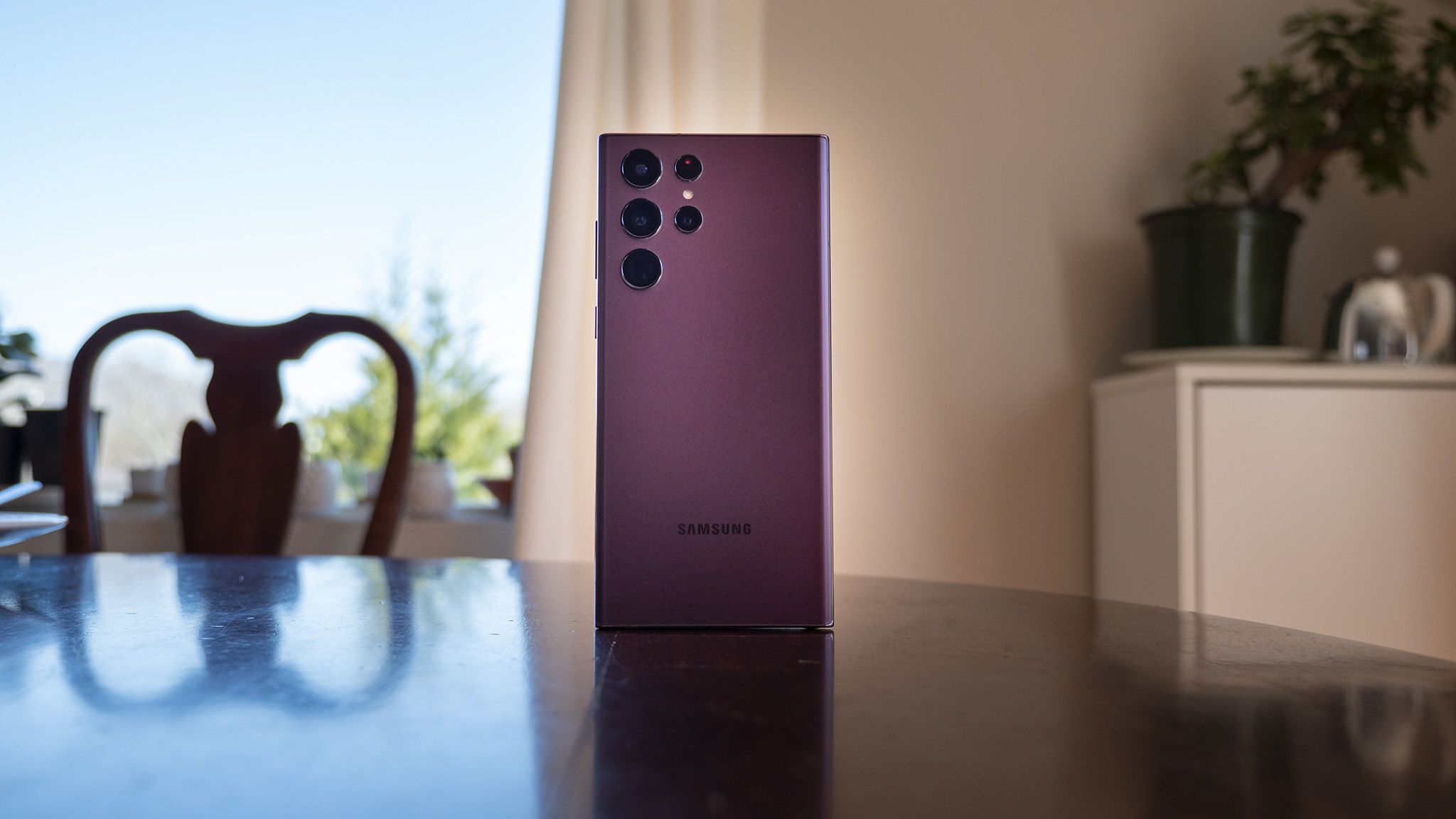
This aggressive throttling directly compromised the user experience, leading to unexpected frame rate drops, visual stuttering, graphical degradation, and occasional application freezing. The KFTC argued that these systemic limitations directly contradicted Samsung’s high-profile marketing campaigns, which heavily emphasized rapid screen transitions, fluid framerates, and elaborate graphical rendering as primary selling points for its premium hardware.
Regulatory Findings and Consumer Impact
In its formal statement regarding the penalty, the KFTC emphasized that gaming performance historically serves as one of the most critical indicators for demonstrating the raw processing power of high-end mobile electronics. Consumers purchasing devices priced at flagship tiers rely heavily on manufacturer specifications and promotional demonstrations to make informed purchasing decisions.
The commission asserted that by showcasing elite gaming capabilities in promotional materials while simultaneously concealing the hardcoded software limitations imposed by the GOS, Samsung engaged in deceptive trade practices. The regulatory body highlighted that transparency is paramount in consumer electronics, noting that companies are legally and ethically obligated to clearly disclose any internal mechanisms that substantially degrade advertised performance capabilities.
Consumer advocacy groups in South Korea and internationally had previously raised concerns regarding the GOS controversy, which first erupted into mainstream consumer consciousness when users noticed discrepancies between benchmark testing apps and actual gameplay. Benchmark applications were often whitelisted by the system, allowing the devices to run at maximum capacity during tests, whereas actual gaming applications triggered immediate performance suppression.
Samsung’s Defense and Response
Samsung Electronics has strongly rejected the findings and the penalty levied by the KFTC, signaling its intent to formally challenge the decision through legal channels. In an official statement obtained by local media outlets, the company defended the implementation of the Game Optimizing Service as a necessary engineering choice aimed at device longevity and user safety.
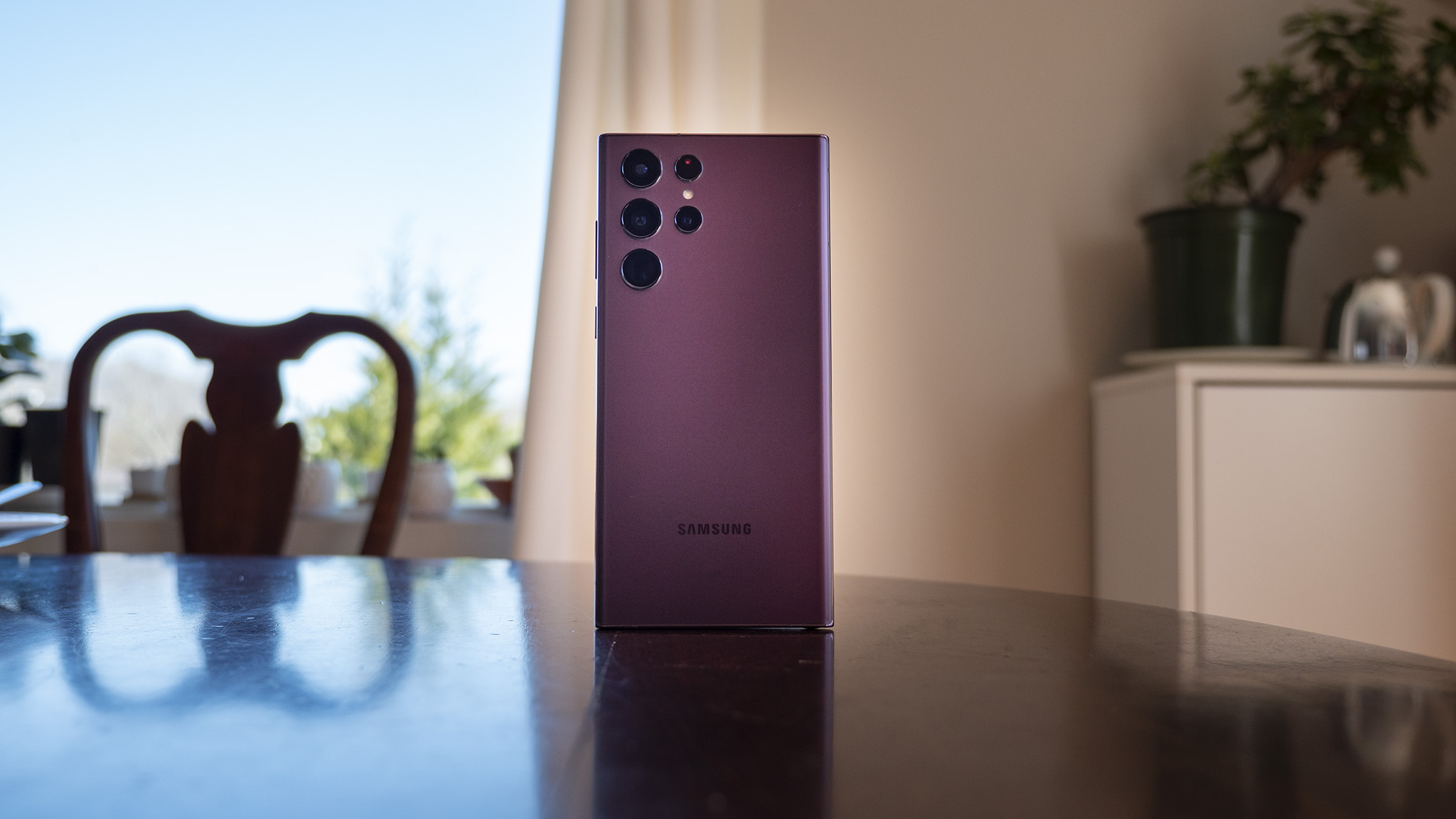
According to Samsung, the GOS was intentionally engineered to optimize system resources and prevent excessive heat buildup, thereby allowing consumers to enjoy prolonged, stable gaming sessions without experiencing sudden thermal shutdowns or battery degradation. The company maintains that balancing sustained performance with thermal management is a standard industry practice required to maintain hardware reliability under heavy computational loads.
Despite these assertions, the regulatory penalty highlights a widening gap between engineering safety protocols and consumer expectations. Critics and legal analysts point out that while thermal throttling is an accepted necessity in modern mobile computing due to compact form factors, the lack of consumer transparency and the blanket throttling of cold hardware formed the crux of the KFTC’s legal argument against the manufacturer.
Broader Implications for the Mobile Industry
The KFTC’s ruling against Samsung carries profound implications for the global smartphone industry, signaling that regulatory bodies are increasingly willing to scrutinize software-level performance management. As mobile processors grow more powerful and capable of handling console-quality gaming experiences, managing heat dissipation remains a formidable challenge for hardware engineers.
Historically, mobile devices utilizing Samsung’s proprietary Exynos processors, as well as certain competing chipsets, have faced public scrutiny regarding thermal efficiency and sustained performance output. Over recent hardware generations—such as the development cycles surrounding the Exynos 2600 and subsequent iterations—Samsung has invested heavily in advanced cooling architectures, vapor chambers, and energy-efficient silicon designs to mitigate overheating concerns naturally, reducing its reliance on aggressive software throttling.
Nevertheless, the $15 million fine serves as a cautionary precedent for major technology developers worldwide. The enforcement action underscores that marketing departments and software engineering teams must align closely to ensure that promotional claims reflect the actual, unmasked capabilities of consumer devices under normal operational parameters. As legal proceedings unfold in South Korea, the outcome may well set a defining global standard for how hardware manufacturers disclose performance limitations and thermal management software to the public.