OnePlus Begins Early Rollout of Stable ColorOS 17 for OnePlus 15 and OnePlus Pad 4, Accelerating Its Unified Software Transition

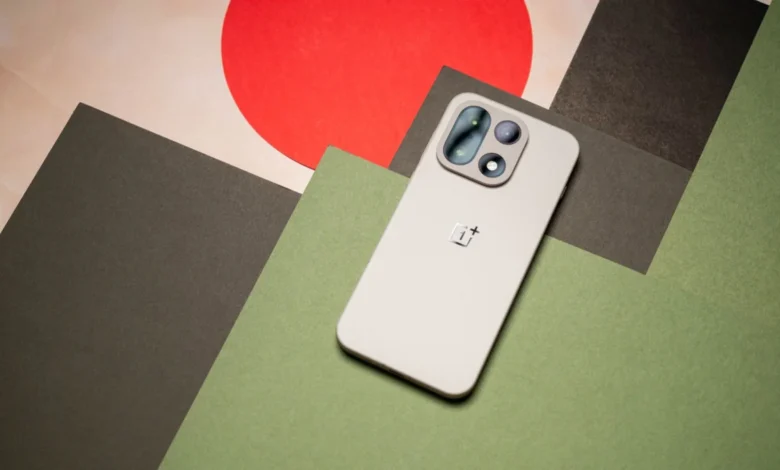
In a surprise development for the mobile technology community, OnePlus has officially commenced the rollout of its stable ColorOS 17 software update, built upon the newly launched Android 17 architecture. Initially slated for an official debut on October 29, the update has arrived ahead of schedule, marking a pivotal moment in the manufacturer’s ongoing software strategy. The first wave of deployment targets the flagship OnePlus 15 (model CPH2745) and the newly introduced OnePlus Pad 4.
This accelerated release not only brings immediate access to next-generation features for early adopters but also signifies another substantial stride away from the legacy OxygenOS identity that long-time brand loyalists have cherished since the company’s inception. As OnePlus continues to deepen its technological integration with parent company Oppo, the landscape of mobile software engineering is shifting, prompting both excitement and nostalgia within the Android community.
Main Facts and Initial Rollout Details
According to official announcements posted on the OnePlus Community forums, the stable ColorOS 17 firmware is currently pushing out to users who actively participated in the open beta testing phases for the OnePlus 15 and OnePlus Pad 4. Because the deployment follows a phased rollout model, availability will vary by region, network carrier, and device batch.
Eligible owners of the OnePlus 15 can manually verify whether the over-the-air (OTA) package has landed on their devices by navigating to Settings, selecting About Device, and checking the system version under the ColorOS tab. While early availability is currently restricted to select participants, broader regional expansions are expected in the coming days. Industry analysts advise users to ensure their devices are connected to a stable Wi-Fi network and maintain a battery charge of at least 50 percent before initiating the installation process to prevent interrupted system flashes.
Core Features and System Enhancements
ColorOS 17 introduces a comprehensive visual overhaul alongside substantial functional upgrades designed to optimize daily performance. Built natively on Android 17, the operating system incorporates redesigned fluid animations, a modernized Quick Settings panel, expanded personalization parameters, and stringent privacy controls.
One of the most notable technical improvements touted by developers is enhanced background process management. By intelligently curbing rogue background applications, ColorOS 17 aims to maximize battery efficiency, a crucial factor for power users and mobile professionals who demand all-day longevity from their hardware. Furthermore, the updated security protocols grant users granular permissions over data access, aligning with global standards for digital privacy.
The Broader Software Strategy: The Evolution from OxygenOS
The transition to ColorOS 17 is merely a single facet of a much larger, systemic transformation within OnePlus. For years, OxygenOS served as the beloved flagship skin for OnePlus devices globally, celebrated for its clean, near-stock Android aesthetic and snappy performance. However, following the corporate consolidation with Oppo, both operating systems have increasingly shared underlying codebases and infrastructural frameworks.
This latest update underscores the finalization of a unified operating system strategy. While OxygenOS and ColorOS have maintained separate branding for international and domestic markets, the converging underlying technologies represent a permanent departure from the independent software identity that initially cemented OnePlus as a cult-favorite brand among Android enthusiasts.
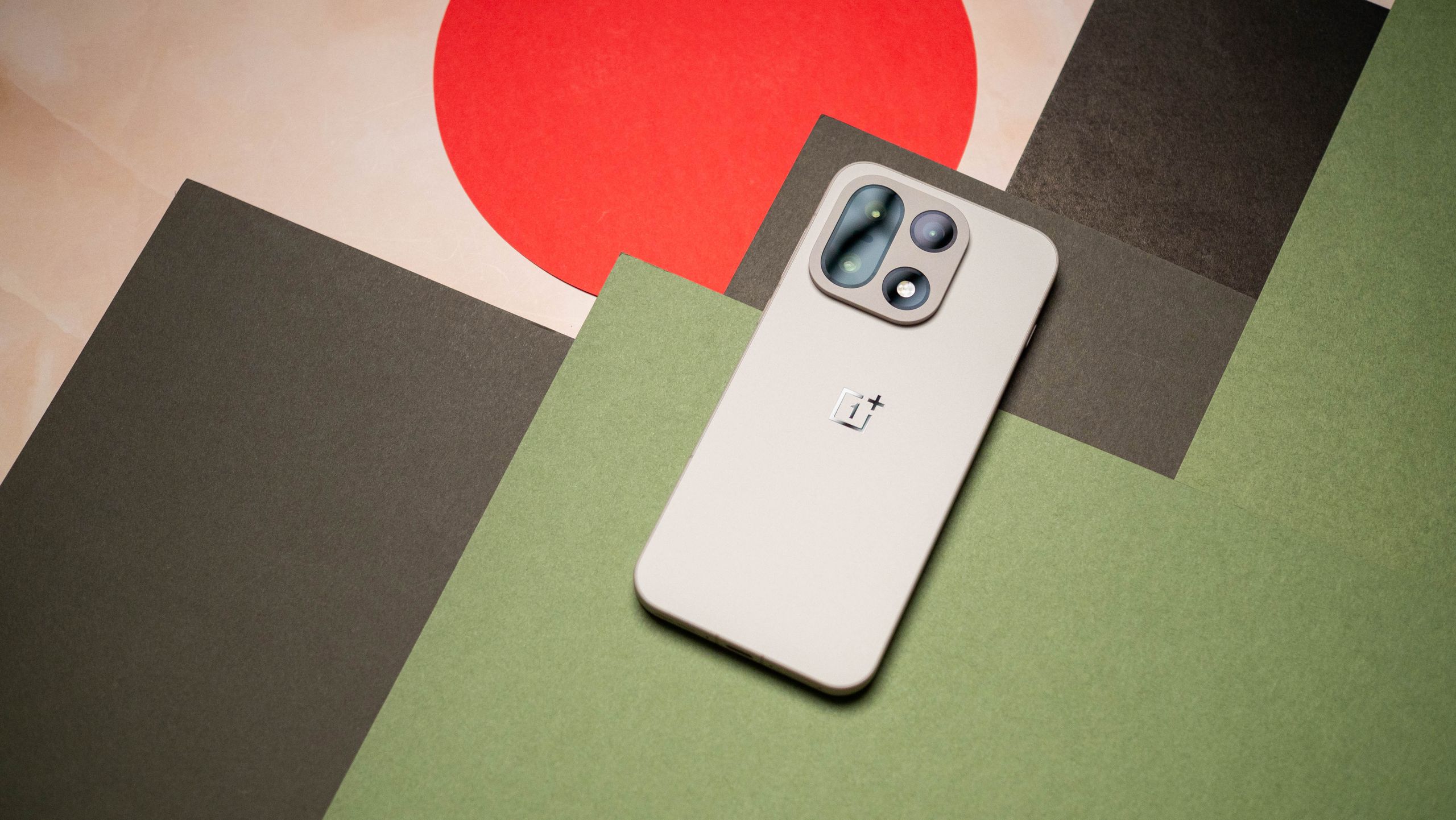
Compounding this shift are recent strategic realignments concerning regional market footprints. As OnePlus recalibrates its global business model—notably scaling back its direct retail presence in specific Western markets like North America and Europe—ColorOS is positioned to serve as the foundational bedrock for the brand’s hardware moving forward.
To mitigate potential pushback from consumers accustomed to traditional software layouts, OnePlus has introduced a unique regional rollback provision. Eligible users who install ColorOS 17 will retain the option to revert to OxygenOS if they prefer the legacy experience. However, the company has yet to clarify precisely which historical iterations of OxygenOS will remain supported for this rollback pathway, leaving some technical details ambiguous.
Chronology of the Update Cycle
The pathway to ColorOS 17 has advanced rapidly through several distinct developmental phases:
- Early 2025: Internal development of Android 17 foundations begins in tandem with Oppo’s core engineering teams.
- Late September 2025: Initial open beta programs for the OnePlus 15 and OnePlus Pad 4 are announced, recruiting community testers to stress-test early builds.
- Mid-October 2025: Telemetry data from beta builds demonstrates high stability scores, prompting executives to move up the target release schedule.
- October 2025 (Current): Stable ColorOS 17 begins rolling out ahead of the original October 29 deadline, starting with beta participants.
Upcoming Devices in the Deployment Pipeline
With the primary flagship hardware now receiving the stable software package, OnePlus has outlined the next wave of eligible devices scheduled to transition to ColorOS 17. Following the OnePlus 15 and OnePlus Pad 4, the deployment queue includes:
- OnePlus 15R
- OnePlus 13
- OnePlus 13s
As is standard with major Android platform updates, the rollout will continue to scale in stages over the coming weeks. Tech specialists recommend that owners of secondary and tertiary devices exercise patience rather than attempting to force unofficial firmware updates, which can occasionally lead to software instability or bootloader complications.
Industry Implications and Market Analysis
The rapid deployment of ColorOS 17 highlights a growing trend among smartphone manufacturers to accelerate software delivery cycles in a fiercely competitive market. By beating its own projected timeline, OnePlus demonstrates increased engineering agility, ensuring that buyers of its latest hardware ecosystem experience the absolute newest Android features without unnecessary delays.
At the same time, the deepening integration of ColorOS raises questions regarding brand differentiation. As OnePlus devices increasingly mirror the software experiences of Oppo hardware, the historical appeal of a distinct, enthusiast-driven UI fades further into history. Consumer reception to the upcoming regional rollback options will likely serve as a crucial barometer for how well international audiences accept the unified software philosophy.
As the tech industry monitors the broader rollout, analysts suggest that while the loss of the traditional OxygenOS identity may alienate a vocal subset of legacy purists, the tangible performance gains, superior battery management, and timely security patches of ColorOS 17 will likely satisfy the broader consumer base seeking reliable, cutting-edge mobile performance.
Related posts: