DogeOS Launches Public Testnet to Bring Ethereum-Style Smart Contracts and Layer-2 Scalability to Dogecoin

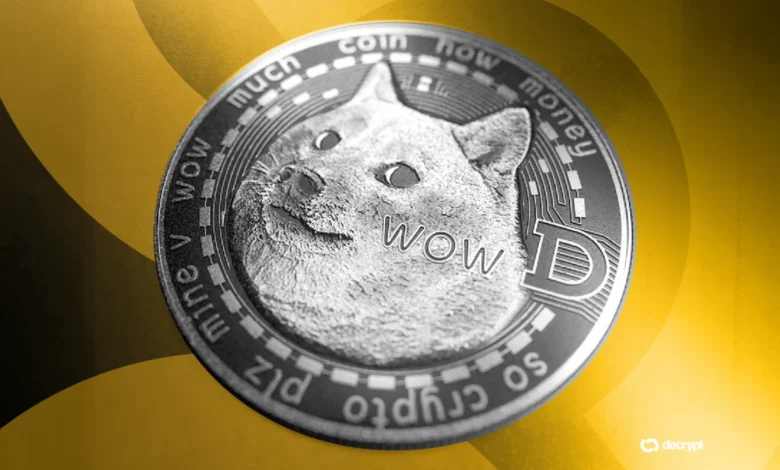
Dogecoin, the world’s most prominent meme cryptocurrency originally launched as a lighthearted joke in 2013, is taking a monumental step toward functional utility. DogeOS, an ambitious infrastructure project developed by the creators of the MyDoge wallet, officially opened its public testnet on Wednesday. This major development marks the initial rollout of a dedicated application layer designed to introduce advanced decentralized finance (DeFi) protocols, smart contracts, and high-speed execution environments to the legacy proof-of-work blockchain.
While the fundamental architecture of Dogecoin remains untouched as a decentralized peer-to-peer digital ledger, DogeOS functions as a separate Layer-2 rollup network powered by a zero-knowledge virtual machine (zkVM). By leveraging cryptographic math receipts to validate transactions off-chain before settling them to the base layer, DogeOS attempts to solve long-standing scalability limitations. Furthermore, the network is fully Ethereum Virtual Machine (EVM)-compatible, enabling developers to seamlessly deploy existing Ethereum-based smart contracts, decentralized applications (dApps), and developer tools directly into the Dogecoin ecosystem using DOGE as the native gas token.
The Evolution of Dogecoin: From Internet Meme to Multi-Billion Dollar Network
To fully appreciate the significance of the DogeOS testnet launch, one must examine the unorthodox history of Dogecoin. Created in December 2013 by software engineers Jackson Palmer and Billy Markus, Dogecoin was conceived as a satirical response to the speculative mania surrounding early alternative cryptocurrencies. Utilizing the Shiba Inu "Doge" internet meme as its mascot, the project was intentionally coded with an inflationary supply model and a lighthearted brand identity.
Despite its comical origins, Dogecoin transcended its internet roots during the 2021 bull run, propelled by viral social media attention, high-profile endorsements from billionaire entrepreneurs like Elon Musk, and a passionate global community. At its peak, the asset commanded a multi-billion-dollar market capitalization, transforming from a digital tip jar on Reddit into a serious portfolio holding for retail investors and institutional funds alike. However, despite its massive valuation and cultural footprint, Dogecoin lagged far behind competing blockchains like Ethereum, Solana, and Cardano in terms of developer activity, real-world utility, and programmable functionality.
Technical Architecture: How DogeOS Bridges the Gap
The core design philosophy behind DogeOS centers on preserving the integrity of the Dogecoin base layer while supercharging its capabilities via modular architecture. Altering the core protocol of Dogecoin has historically proven to be a notoriously slow and cumbersome process. Dogecoin operates without formal on-chain governance, meaning that any foundational protocol upgrade requires consensus among distributed miners, meticulous contributor reviews, exhaustive security audits, and widespread community coordination.
Recognizing these friction points, the creators of the MyDoge wallet opted to build an external execution environment rather than forcing changes onto the Layer-1 ledger. DogeOS utilizes a zkVM rollup structure, which batches thousands of transactions together off the main chain and generates cryptographic validity proofs. These proofs are then anchored to Dogecoin, ensuring security inherits from the underlying proof-of-work network while offering lightning-fast transaction speeds and minimal overhead.
Because DogeOS is EVM-compatible, smart contracts written in Solidity can run natively within its environment. Developers can utilize existing Web3 tooling, wallets, and auditing frameworks without needing to learn a proprietary programming language. To incentivize early experimentation and stress-testing on the public testnet, the project has deployed a developer faucet that distributes 42.069 test DOGE per day to participating builders and users.
Early Ecosystem Adoption and Launch Partners
Even in its trial phase, the DogeOS testnet has attracted a diverse array of foundational protocols aiming to populate the newly minted application layer with robust DeFi and entertainment offerings. According to the official launch documentation, several prominent teams are actively deploying their applications on the testnet:
- Superposition Finance: A decentralized lending and borrowing protocol that allows users to unlock liquidity by utilizing their crypto assets as collateral.
- Derps: A perpetual exchange designed for speculative derivatives trading without asset expiry dates.
- USDoge: A collateralized debt position (CDP) stablecoin protocol designed to maintain a stable peg against fiat currency through locked crypto collateral.
- Snag: A prediction market aggregator that serves as a hub for decentralized forecasting and wagering on real-world events.
- PlaysOut: A casual gaming publisher focused on integrating blockchain rewards and lightweight mechanics. This partnership aligns with a prior announcement from late 2025 detailing plans to roll out approximately 15 distinct Doge-themed casual titles.
Official Statements and Leadership Perspectives
The rollout of the DogeOS public testnet has elicited optimistic commentary from key industry stakeholders who view the infrastructure as a vital turning point for the aging cryptocurrency.
Jordan Jefferson, founder and CEO of DogeOS, framed the milestone as a structural paradigm shift for the community. "Today marks the beginning of Dogecoin’s evolution from asset to ecosystem," Jefferson stated in the official press release, emphasizing that the network unlocks a new frontier for builders who previously lacked the tools to create programmable applications on Doge.
Echoing this sentiment, Timothy Stebbing, director of the Dogecoin Foundation, highlighted the importance of maintaining foundational stability while enabling innovation. "L1 ledger purity must stay intact while we introduce utility one layer above, and that is what DogeOS represents to me," Stebbing noted. This cautious approach ensures that the original peer-to-peer payment ledger remains secure and decentralized, unburdened by the complex execution logic required for high-frequency smart contracts.
The broader push toward programmable utility comes against a challenging market backdrop. Dogecoin has experienced a prolonged corrective phase, trading approximately 75% below its all-time high and remaining entrenched in a confirmed macro bearish trend. This prolonged downtrend persisted even as traditional financial markets welcomed the introduction of spot Dogecoin exchange-traded funds (ETFs), which allowed institutional investors to gain exposure through traditional brokerage accounts. Industry analysts suggest that introducing robust on-chain utility and developer activity could help reignite organic demand and diversify Dogecoin’s use cases beyond pure speculation.
Future Outlook and Path to Mainnet
As the public testnet undergoes rigorous stress testing, developer feedback sessions, and security evaluations, the DogeOS development team has yet to announce a definitive timeline for the launch of a mainnet environment capable of handling real capital.
The successful implementation of zero-knowledge technology on Dogecoin’s periphery also builds upon previous community initiatives. In July 2025, the DogeOS team submitted formal proposals aimed at exploring zero-knowledge proof integrations directly on the base layer. While Layer-1 upgrades remain a subject of ongoing debate within the decentralized contributor community, Layer-2 scaling solutions like DogeOS offer an immediate pathway to experimentation without risking network fragmentation.
For developers, traders, and long-term holders, the opening of the DogeOS testnet represents a compelling experiment in breathing new life into a foundational cryptocurrency. Whether the broader developer community will migrate en masse to the Doge ecosystem remains to be seen, but the infrastructure is now officially live for testing, signaling a mature new chapter in Dogecoin’s unlikely financial journey.