Microsoft CEO Satya Nadella Praises Xbox Restructuring Under Asha Sharma Amid Ongoing Layoffs and Studio Shuffling

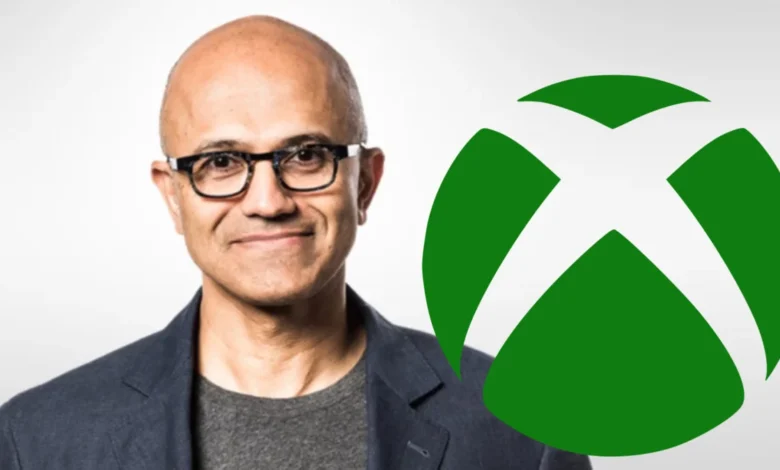
Microsoft Chief Executive Officer Satya Nadella has offered strong public endorsement for the ongoing overhaul of the company’s gaming division. Speaking during a recent appearance on the Sources podcast hosted by journalist Alex Heath, Nadella expressed optimism regarding the strategic direction of Xbox under the leadership of Xbox CEO Asha Sharma. This high-level corporate optimism, however, stands in stark contrast to the turbulent reality on the ground, where sweeping organizational changes, studio realignments, and thousands of layoffs continue to ripple through the global gaming industry.
Nadella’s positive remarks followed hard on the heels of confirmation regarding another substantial wave of job cuts within the Microsoft Gaming ecosystem. As the corporate leadership champions a leaner, more agile future focused on sustainable business models and cross-platform growth, developers, artists, and support staff face unprecedented uncertainty. The simultaneous celebration of executive strategy and the widespread dismantling of historical studio structures highlight a critical inflection point for one of the most powerful brands in interactive entertainment.
The Leadership Perspective: Optimism Amid Upheaval
During his interview on the Sources podcast, Nadella was pressed on the state of the Xbox brand and the aggressive restructuring initiatives led by Asha Sharma. Rather than sidestepping the controversies surrounding the division, the Microsoft chief executive leaned into the narrative of corporate transformation, asserting that the brand possesses an elite portfolio of intellectual property and development talent.
"I feel fantastic about the IP we have right now," Nadella stated during the interview. "If I look at the studios, the IP portfolio we have, and our ability to then take that and produce great games going forward – I feel fantastic. There’s some amount of streamlining the team is doing, and Asha is doing, which is great to see."
Nadella emphasized that the overarching goal of the restructuring is to engineer a sustainable business model capable of delivering video games to a broader audience across both personal computers and Xbox consoles. By positioning Microsoft as both a premier game publisher and a robust platform provider, the leadership hopes to secure long-term financial viability in an increasingly competitive market.
"And then we have to invent the right sustainable business model that allows us to deliver gaming to more and more people," Nadella continued. "That has always been the goal, which is we want to be a great publisher and a great platform provider for games across both PCs and Xboxes. So that is sort of our goal, and I think Asha and the team have said that Xbox is going to get back to growth this next fiscal year, and that’s the plan they’re executing on, and in that process, do a bang-up job of producing some great games."
The Anatomy of a Crisis: Layoffs and Studio Realignments
While executive leadership looks toward a projected return to financial growth in the upcoming fiscal year, the immediate human cost of the Xbox restructuring has been severe. Nadella’s vote of confidence coincided with reports and subsequent confirmations of further workforce reductions, underscoring the deep structural instability affecting Microsoft’s gaming workforce.
The latest wave of downsizing brought an additional 268 layoffs, bringing further distress to a division that has already absorbed staggering workforce reductions. Most alarming to the gaming community are reports indicating the impending closure of British development studio Ninja Theory, creators of acclaimed titles such as Hellblade: Senua’s Sacrifice. The potential shuttering of such a prominent first-party studio signals a ruthless prioritization of fiscal efficiency over creative expansion.
Beyond direct closures and targeted layoffs, the broader Microsoft Gaming ecosystem is undergoing a massive administrative reshuffling. Organizational changes of this magnitude have fundamentally altered the reporting lines and operational independence of several high-profile studios:
- Obsidian Entertainment has been moved under the direct control of Bethesda.
- Playground Games and Turn 10 Studios have been merged into a unified organizational structure.
- Undead Labs has been spun off to operate independently, though this transition was accompanied by major internal layoffs.
- Rare, World’s Edge, and the Halo franchise teams have been reorganized to fall under Activision’s operational umbrella.
Both Undead Labs—known for the State of Decay franchise—and World’s Edge—the studio responsible for the Age of Empires and Age of Mythology series—have sustained significant staffing reductions as a direct consequence of these corporate maneuvers.
A Timeline of Retrenchment: The Road to 2026
To understand the current state of Xbox, it is necessary to examine the rapid escalation of cost-cutting measures that began in earnest earlier in the decade and culminated in massive structural overhauls.
The strategy shifted dramatically in July, when Xbox CEO Asha Sharma announced a staggering round of job cuts impacting approximately 3,200 employees. Sharma characterized the initiative as the "most significant" restructuring the company had ever undertaken in its gaming division. Of that total, 1,600 layoffs were implemented immediately, sending shockwaves through the industry.
As part of that same July initiative, Microsoft permitted certain first-party studios—including Double Fine Productions and Compulsion Games—to transition away from direct corporate ownership and regain their independence. While independence offers these studios creative autonomy, it also strips away the safety net of major corporate backing in an unforgiving economic climate.
The subsequent months have seen a continuous drip of structural adjustments, strategic pivots, and workforce reductions. The ongoing integration of massive corporate acquisitions, such as the multi-billion-dollar purchase of Activision Blizzard, has placed immense pressure on Microsoft leadership to streamline operations, eliminate redundancies, and demonstrate immediate profitability to Wall Street investors.
Economic Pressures and Strategic Objectives
The rationale behind Microsoft’s aggressive restructuring lies in the evolving economics of the video game industry. Traditional console hardware sales have stagnated, development budgets for AAA titles have ballooned to unsustainable heights—often exceeding hundreds of millions of dollars per project—and consumer spending habits have shifted toward subscription services and live-service games.
Microsoft’s strategic response has been twofold: aggressively expand software publishing across competing hardware platforms, such as PlayStation and Nintendo Switch, and rigorously trim internal expenses to match a more conservative growth projection. By centralizing management structures under entities like Bethesda and Activision while granting independence or spinning off smaller operational units, Microsoft is attempting to minimize financial risk while maximizing the utility of its vast intellectual property library.
However, industry analysts note that this corporate efficiency drive carries profound risks. The dissolution or downsizing of experienced development studios can result in the permanent loss of institutional knowledge, damage studio morale, and delay or derail highly anticipated software projects. Furthermore, repeated rounds of layoffs can alienate the core consumer base, who view the dismantling of acclaimed development houses as a betrayal of the artistic talent that built the Xbox brand over the past two decades.
Looking Ahead: The Path to Fiscal Growth
As Microsoft prepares for the next fiscal year, the executive team remains publicly steadfast in its conviction that the painful measures currently being implemented are necessary to ensure the long-term health of the brand. Satya Nadella’s endorsement of Asha Sharma’s leadership signals that corporate headquarters fully supports the aggressive streamlining process, regardless of the immediate public relations fallout and internal turbulence.
The ultimate success or failure of this strategy will be judged by the marketplace. If the remaining studios can deliver critically acclaimed, commercially successful intellectual properties under the new operational framework, Microsoft’s leadership will be vindicated in their pursuit of leaner, platform-agnostic publishing. Conversely, if the restructuring stifles creativity and alienates the development community, Xbox may find that cost-cutting measures have compromised the very foundation of what made its gaming ecosystem a titan of the industry. For now, workers and fans alike are left waiting in limbo, navigating an era of profound uncertainty as the corporate giant charts its next strategic horizon.