LinkedIn Tests New Network Tab Feed to Prioritize Direct Connections and Combat Platform Fatigue

In a continued effort to refine user experience and combat the proliferation of algorithmically driven noise, professional networking giant LinkedIn is testing a dedicated "Network" tab. Announced by Chief Product Officer Hari Srinivasan, the trial introduces an alternative content stream composed entirely of updates from direct connections and accounts a user explicitly follows. This latest experiment arrives as the platform grapples with a broader industry challenge: balancing automated recommendations and artificial engagement with the authentic human-to-human interactions that originally defined the service.
The evolution of social media feeds over the past decade has seen a decisive shift away from strict chronological timelines in favor of engagement-optimized, algorithmic recommendations. While these algorithms help surface trending content and expand user discovery, they have also drawn criticism for introducing unwanted clutter, including promotional material, viral fluff, and generative AI-created content. By rolling out the Network tab, LinkedIn is attempting to offer professionals a clean, focused alternative that strips away algorithmic curation and returns control directly to the user’s curated professional circle.
Main Facts of the Trial
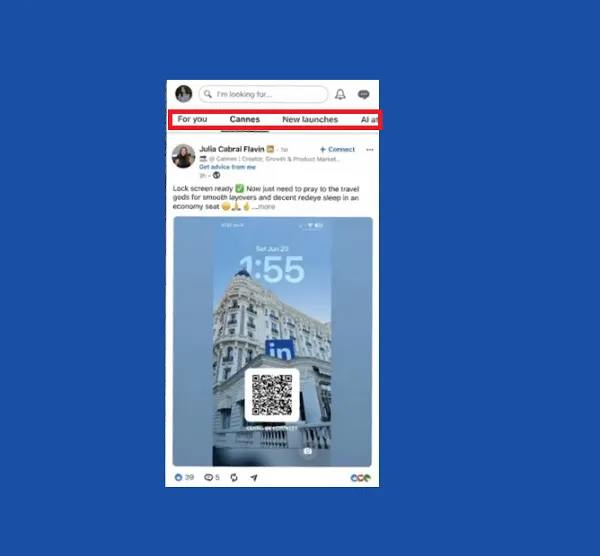
The new trial feature, unveiled by LinkedIn leadership late last week, introduces a distinct toggle or tab option at the top of the mobile interface. When activated, the feed curates posts exclusively from verified first-degree connections and followed profiles, deliberately excluding content pushed by algorithmic discovery engines, sponsored third-party posts, and viral second- or third-degree network shares.
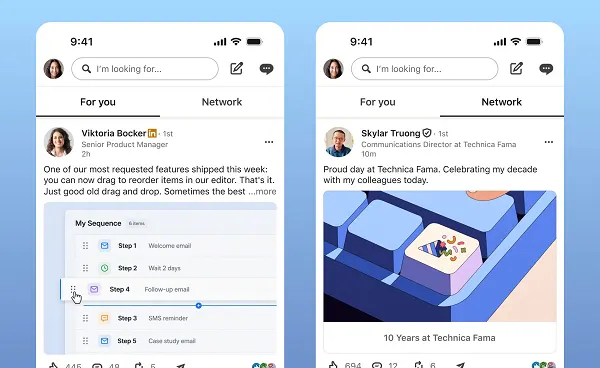
According to official statements accompanying the rollout, the primary objective is to foster genuine professional relationships. "The Network tab helps you stay connected to your network, ie the people you have explicitly connected or followed," Srinivasan explained in his announcement post. "We all want more real connection with real people, and we hope this plays a small part in rebuilding that world."
For years, users have voiced frustration over feeds dominated by self-promoting thought pieces, corporate announcements detached from direct colleagues, and engagement bait. The Network tab serves as a direct response to these grievances, providing a streamlined workspace where professionals can track the career updates, milestones, and authentic insights of the people they actually know and work with.
The Broader Context: Combating AI Slop and Engagement Pods
The timing of this alternative feed test is far from coincidental. Over the past twenty-four months, LinkedIn has faced mounting scrutiny regarding the quality of its user feeds. As generative artificial intelligence tools have become universally accessible, professional networks have experienced a massive influx of low-effort, AI-generated text—colloquially referred to as "AI slop"—designed to game the platform’s distribution metrics.
Simultaneously, the platform has had to contend with the persistent issue of engagement pods. These are organized networks of users who artificially inflate each other’s post statistics through coordinated likes, comments, and shares, distorting the organic reach and merit of professional content. In response, LinkedIn has rolled out various protective measures, including algorithmic filters to detect artificial engagement and reporting mechanisms that allow users to flag low-quality AI content.

Despite these countermeasures, algorithmic feeds remain inherently vulnerable to manipulation. By providing a walled-garden feed consisting only of trusted connections, LinkedIn creates a safe harbor where users can bypass the noise of growth-hackers and bad actors entirely. This strategic pivot highlights a growing realization among major social platforms that hyper-personalized, algorithm-driven feeds must occasionally be balanced with transparent, user-controlled spaces.
A History of Feed Experimentation
LinkedIn’s latest trial is part of a broader, iterative strategy to discover the optimal feed architecture for its growing global user base, which now exceeds one billion members. The platform has spent significant resources testing alternative UI layouts and content delivery methods to increase daily active usage and user retention.
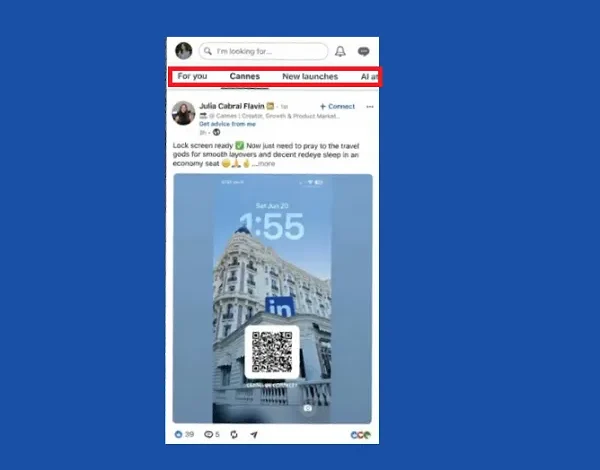
Last year, LinkedIn experimented with a series of alternative feed models designed to segment user experiences into more digestible content buckets. These tests allowed users to toggle between standard feeds and specialized views tailored to specific professional interests. Building on that momentum, the platform launched a trial of topic-based suggested feeds in June of this year. These feeds utilized thematic pills and category buttons to instantly connect users with trending conversations spanning specific industries, software tools, and business methodologies.
However, despite the heavy investment in these experimental layouts, neither the generalized alternative feeds nor the topic-based suggestions achieved sufficient traction to warrant a permanent, platform-wide rollout. Both features remained restricted to limited beta phases, ultimately fading from active development as usage data failed to meet internal engagement thresholds.
Industry analysts point out that altering user habits on mature platforms is notoriously difficult. Once users become accustomed to scrolling through a default, unified feed, they rarely adopt new navigational tabs unless the value proposition is immediate and undeniable. Consequently, the success of the new Network tab will depend heavily on its visibility, ease of use, and the tangible quality-of-life improvement it offers over the standard algorithmic stream.
Chronology of Recent Interface Changes
- Early 2023: LinkedIn begins scaling up experiments with alternative feed structures, aiming to diversify content consumption patterns beyond the traditional homepage scroll.
- Mid-2024: The company introduces targeted measures to crack down on engagement pods and introduces user reporting tools for low-quality, AI-generated content clogging professional feeds.
- June 2024: LinkedIn rolls out a limited test of topic-based suggested feeds, allowing users to explore trending professional conversations through categorical filters.
- Late 2024: Following the quiet phasing out of previous alternative feed tests, Chief Product Officer Hari Srinivasan announces the experimental rollout of the Network tab, prioritizing direct connections and followed profiles.
Industry Analysis and Implications
The ongoing experimentation with alternative feeds highlights a fundamental tension in modern digital product design: the conflict between maximizing user engagement metrics and preserving platform trust. Algorithmic feeds are exceptional at driving short-term engagement, capturing user attention through controversy, sensationalism, or hyper-relevant viral content. However, they frequently erode long-term trust by degrading the signal-to-noise ratio.
For LinkedIn, a platform whose core value proposition rests on professional credibility, maintaining trust is paramount. If a user’s feed becomes indistinguishable from consumer-focused social media networks—overrun by clickbait, automated commentary, and irrelevant promotions—the utility of the platform diminishes rapidly.
By testing the Network tab, LinkedIn is effectively acknowledging that one size does not fit all. Different professionals use the platform for different reasons: some seek broad industry exposure and thought leadership, while others simply want to maintain an active digital rolodex of trusted colleagues and prospective clients. Giving users the autonomy to switch between an exploratory public square and a private, connection-driven courtyard could prove to be an effective retention strategy.
At the same time, the feature poses strategic challenges for content creators and B2B marketers. If a significant portion of LinkedIn’s user base migrates to the Network tab, creators who rely on algorithmic virality to reach second- and third-degree connections could see their organic reach decline. Brands and influencers may be forced to rethink their distribution strategies, placing a higher emphasis on cultivating direct followership and nurturing genuine community relationships rather than chasing algorithmic trends.
Looking Ahead
As the Network tab trial continues to roll out to a limited cohort of global users, LinkedIn’s product and engineering teams will closely monitor user telemetry, retention rates, and feedback metrics. Whether this latest iteration meets the same fate as its predecessors or successfully redefines how professionals consume updates remains to be seen.
What is clear, however, is that the era of the unquestioned, one-size-fits-all algorithmic feed is facing serious structural challenges. As users increasingly push back against digital saturation and artificial noise, platforms that offer transparent, user-controlled avenues for authentic human connection are likely to set the standard for the next generation of digital networking.