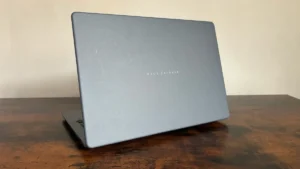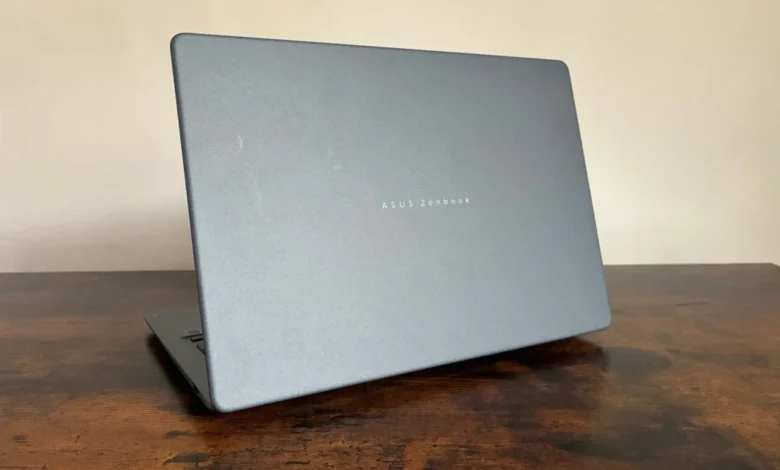
Asus has officially expanded its portfolio of Copilot+ PCs with the launch of the new Zenbook 14, a device that brings the innovative Snapdragon X chipset architecture to a more accessible price point of £799.99. This release follows the spring debut of the higher-end Zenbook A14, which garnered attention for its premium feature set and portability. By strategically scaling back on specific internal components—namely storage capacity, battery size, and processing tier—Asus is positioning this iteration as a pragmatic, high-performance tool for business professionals and students who require the benefits of ARM-based Windows computing without the steep financial commitment of flagship models.
The Evolution of the Zenbook Lineup
The introduction of the Zenbook 14 marks a significant milestone in the broader industry transition toward ARM-based computing. Earlier this year, at the Computex 2024 trade show and subsequent regional launches, Asus cemented its commitment to the Qualcomm Snapdragon X platform. The initial wave of these laptops focused on the "Elite" tier of processors, targeting power users and creative professionals who demanded top-tier multitasking capabilities.
The release cycle began in the spring with the Zenbook A14, a flagship-tier device that showcased the capabilities of the Snapdragon X Elite chip. While that machine succeeded in demonstrating the efficiency and AI-integrated potential of the platform, its price point limited its appeal to enterprise environments and enthusiasts. With the introduction of the standard Zenbook 14, Asus is shifting its focus to the "Snapdragon X" (non-Elite) tier. This strategy mirrors the historical practices of major laptop manufacturers, who often release a halo product first to establish brand prestige, followed by a wider-reaching "mainstream" version months later.
Design and Build Philosophy
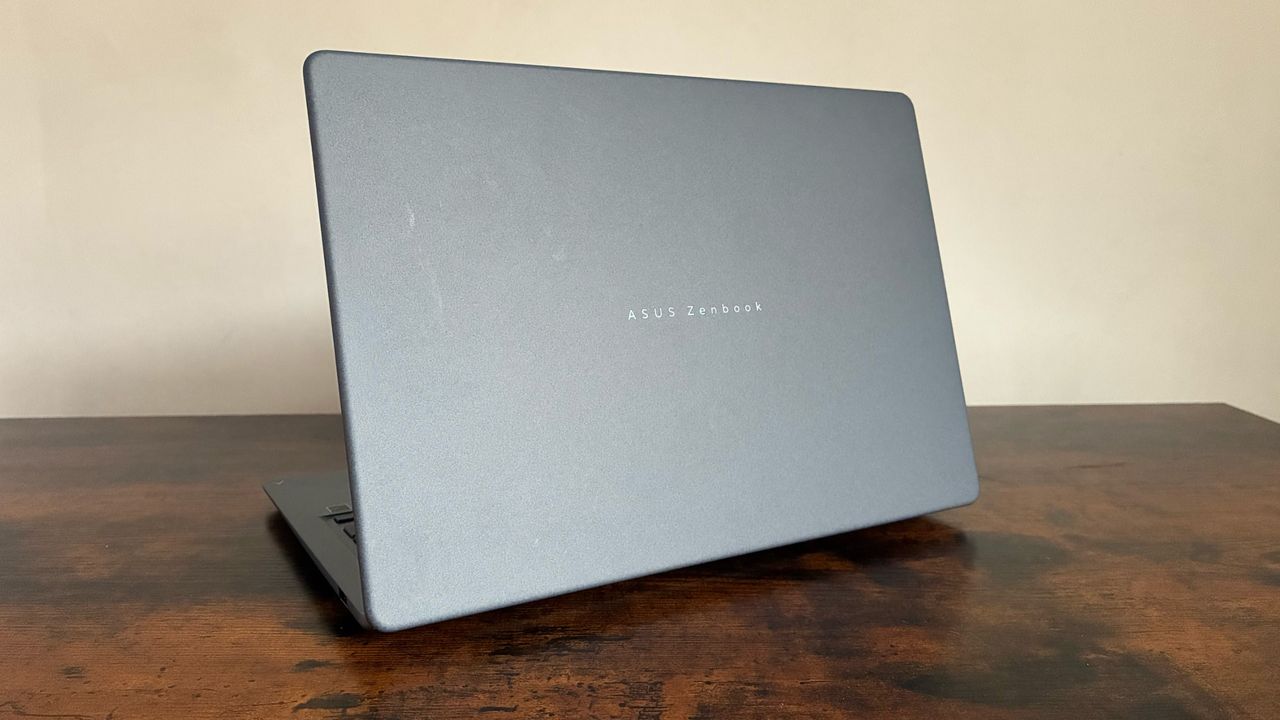
Despite the lower entry price, the Zenbook 14 retains the sophisticated aesthetic language that has defined the series. The chassis is constructed from what the company calls "Ceramic Ceraluminium," a specialized material that bridges the gap between traditional aluminum and advanced ceramic coatings. This material choice is not merely cosmetic; it is engineered to be both shock-resistant and smudge-resistant, addressing two of the most common complaints regarding metallic laptop finishes.
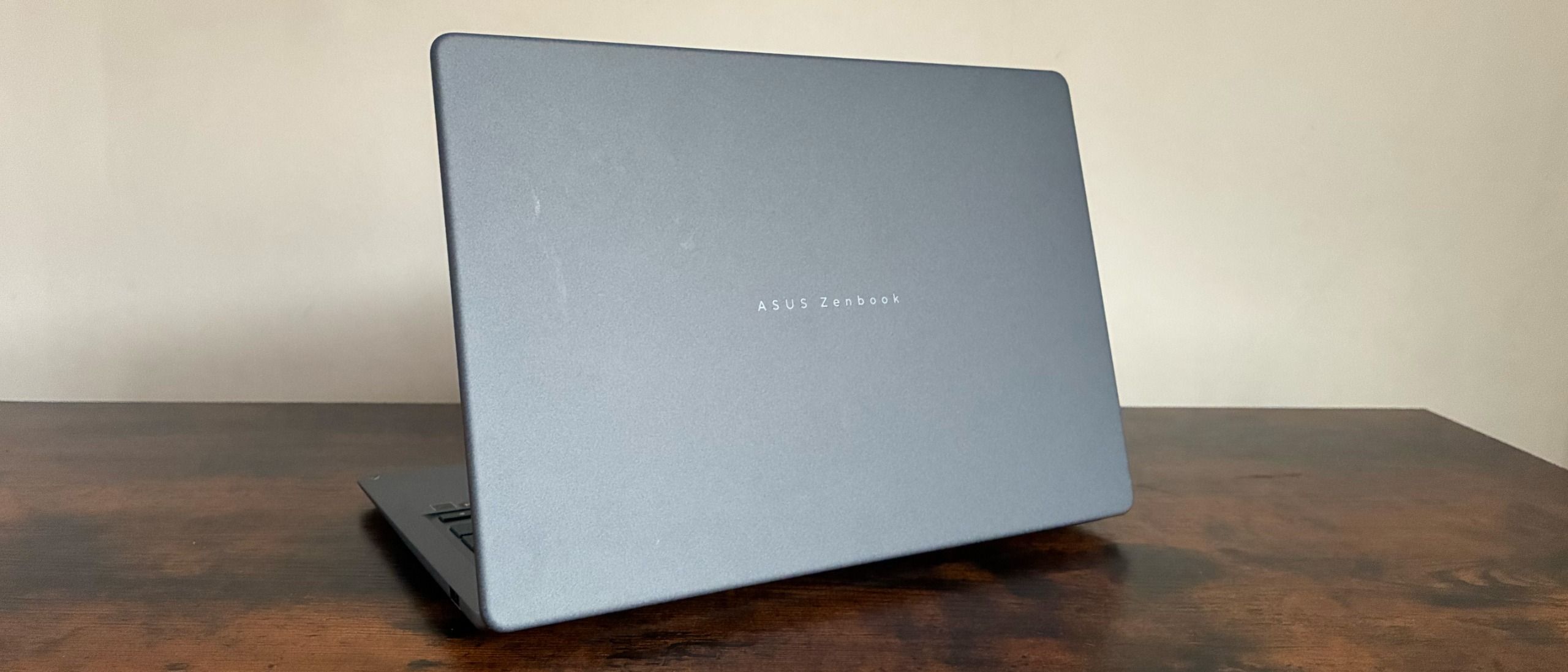
In terms of physical portability, the device weighs 1.10kg and measures 0.55 inches in thickness. These metrics place it firmly in the ultra-portable category, making it highly competitive against established industry standards like the MacBook Air or the Dell XPS 13. The integration of a new hinge design—engineered for "optimal torque"—allows the lid to be opened easily with one hand, a functional nuance that is frequently requested by mobile office workers. The device is available in a sophisticated blue-gray, as well as the more vibrant "Zabriskie Beige" and "Coral" (pink) variants, allowing for customization in professional settings.
Technical Performance and Benchmarking
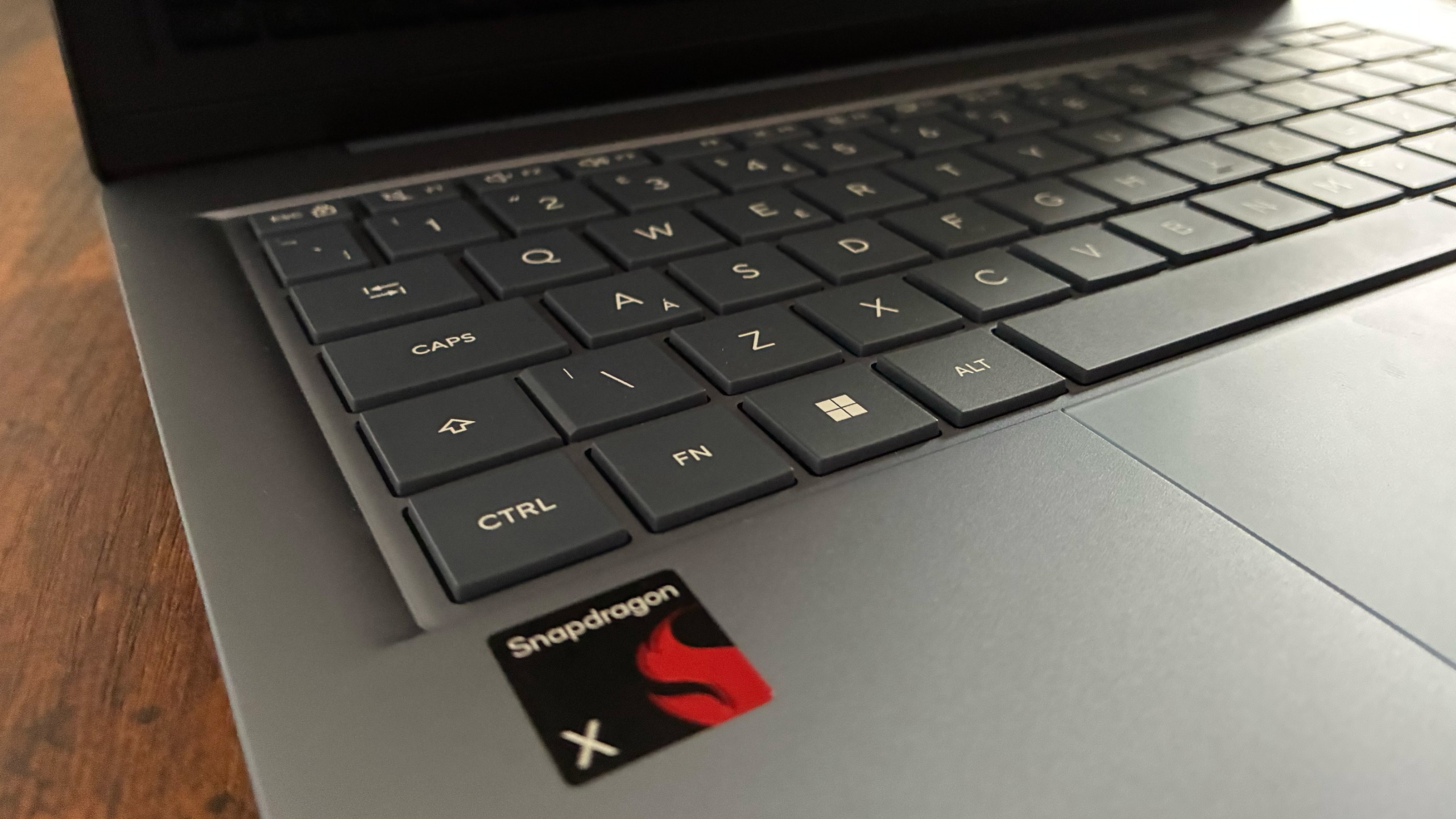
The transition from the Snapdragon X Elite to the standard Snapdragon X chipset is the most significant differentiator between this model and its predecessor. The Zenbook 14 utilizes the Snapdragon X X1 26 100 processor, an 8-core, 8-thread chip with a base cache of 30MB. While this represents a reduction in raw compute power compared to the 12-core configurations of the Elite series, it remains highly capable for office-centric workloads.
In standardized testing, the Zenbook 14 yielded a single-core score of 1,324 in Geekbench 7. While this figure falls short of the higher-end ARM-based competitors, the multi-threaded performance is more resilient, clocking in at 10,547. These benchmarks suggest that while the device may not be the primary choice for heavy video rendering or complex data modeling, it is more than sufficient for the average office suite—web browsing, document management, and cloud-based collaboration tools.
A critical component of this machine is the Qualcomm Hexagon NPU (Neural Processing Unit). Capable of up to 45 TOPS (Trillion Operations Per Second), the NPU is designed to handle AI-specific tasks, such as background blur in video calls, real-time language translation, and generative AI features within Windows 11. This integration ensures that the laptop is "future-proofed" for upcoming AI-driven software updates.
Display and Visual Fidelity
The display remains a hallmark of the Zenbook brand. The unit features a 14-inch WUXGA (1920 x 1200) OLED panel with a 16:10 aspect ratio. This resolution is ideal for productivity, offering more vertical space than traditional 16:9 displays, which is particularly beneficial when viewing spreadsheets or lengthy documents.
Laboratory testing via colorimeter revealed a peak brightness of 302.96 cd/m2, which provides adequate visibility in most indoor office environments. Furthermore, the display covers 100% of the sRGB color space and reaches 169.4% in color volume, exceeding the performance metrics of several more expensive competitors, including the Acer Swift Air. For users involved in light photo editing or graphic design, the Adobe RGB coverage of 92.6% is a notable strength at this price point.
Battery Life and Power Management
Battery performance on ARM-based laptops is a subject of significant industry scrutiny. Asus advertises up to 18 hours of web browsing, a figure derived from standardized laboratory conditions. In practical, real-world usage—specifically a looped video playback test—the Zenbook 14 achieved a runtime of 10 hours and 13 minutes. While this is significantly lower than the manufacturer’s maximum claim, it is sufficient to see a user through an eight-hour workday without requiring a connection to a power outlet. The disparity between laboratory benchmarks and real-world results is a common occurrence across the laptop market, often influenced by screen brightness, background process activity, and network connectivity.
Connectivity and Expansion
The connectivity suite is designed for the modern desk environment. The laptop features:
- Two USB 3.2 Gen 2 Type-C ports (supporting display output and power delivery at 10Gbps).
- One USB 3.2 Gen 1 Type-A port (5Gbps).
- A 3.5mm audio jack.
- An HDMI 2.1 TMDS port.
The inclusion of a legacy USB-A port is a pragmatic decision that avoids the immediate need for dongles in traditional office settings where printers, older external drives, and wired mice are still common. However, the absence of an SD card reader may be a point of friction for creative professionals who rely on external media storage.
Software and Security Infrastructure
Security is a primary focus for the modern enterprise, and the Zenbook 14 incorporates Microsoft Pluton technology, which is integrated directly into the CPU. This hardware-level security helps protect against evolving firmware attacks. Additionally, Asus has included its proprietary software ecosystem:
- GlideX: For cross-device screen sharing.
- ScreenXpert: For advanced window management.
- MyASUS: A central hub for hardware management, including fan speed control, microphone noise cancellation, and battery health optimization.
- StoryCube: A digital asset management tool.
Market Implications and Conclusion
The release of the £799.99 Zenbook 14 is a strategic move that could accelerate the adoption of Snapdragon X hardware in corporate fleets. By lowering the entry price, Asus is positioning its Copilot+ PC as a standard-issue device for the general workforce.
The implications of this move are twofold. First, it challenges the current status quo of x86-based office laptops by proving that ARM architecture can deliver a premium, thin-and-light experience at a mid-range price point. Second, it shifts the competitive landscape toward software-optimized performance and NPU-led features rather than raw clock speeds alone.
While the reduction in RAM to 16GB and the use of the non-Elite Snapdragon chip mean this is not the most powerful device in the Asus catalog, it remains a highly dependable option for the vast majority of professional users. For businesses looking to invest in modern, AI-ready hardware that offers exceptional battery life and a refined, professional design, the Zenbook 14 presents a compelling value proposition. As the industry continues to move toward more integrated AI workflows, the importance of these ARM-based devices will likely grow, making this sub-£800 model a significant indicator of the trajectory of the personal computing market.