Meowdoku Surges in Popularity on Android as Casual Puzzle Gamers Embrace Cat-Themed Logic Challenges

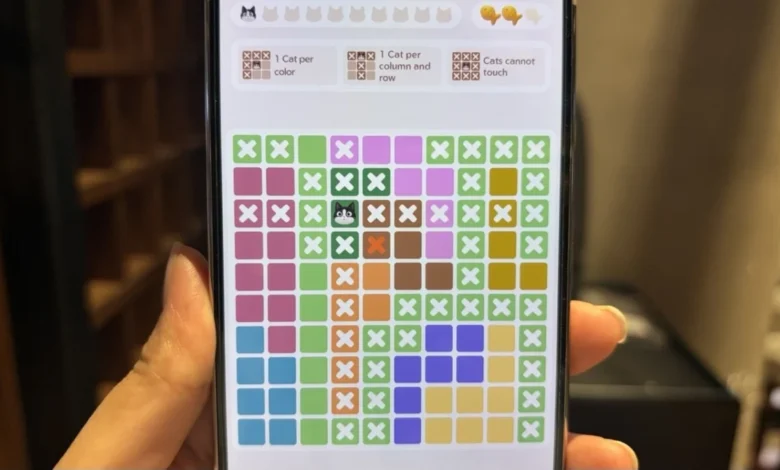
Mobile puzzle games have long served as a digital sanctuary for users seeking micro-escapes from daily stress, offering short bursts of cognitive engagement without heavy time commitments or steep learning curves. Among the latest entries to capture a massive digital audience is Meowdoku, a casual Android puzzle game developed by Oakever Games. Combining the foundational mathematical and logical principles of traditional Sudoku with charming feline aesthetics and color-matching mechanics, the title has rapidly climbed popularity charts. However, despite its viral success across platforms like Reddit, YouTube, and Instagram, the game’s monetization model has sparked widespread consumer debate, highlighting a persistent tension between mobile game monetization and user experience.
Foundations and Gameplay Mechanics
At its core, Meowdoku reinterprets the century-old numerical puzzle format into a visual and logical exercise designed for broader demographic appeal. Traditional Sudoku requires players to fill a nine-by-nine grid so that each column, row, and smaller subgrid contains all digits from one to nine without repetition. Meowdoku eliminates numbers entirely, replacing them with distinct cat avatars and color codings.
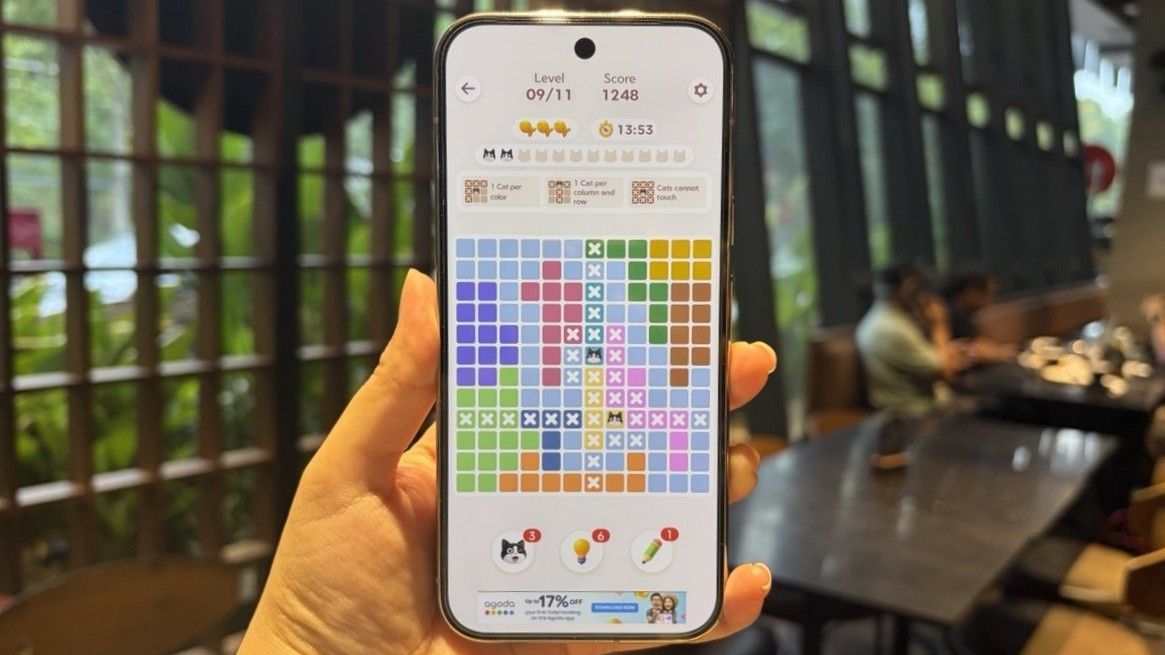
The game operates on three primary rules derived from classical constraint satisfaction problems:
- Only one cat is permitted per row.
- Only one cat is permitted per column.
- Only one cat of a specific color may exist within a designated boundary, and feline characters cannot be placed in directly neighboring grid blocks.
Players must deduce the correct placement of ten felines per level. To maintain accessibility for casual gamers, the application incorporates a strict failure threshold—allowing three incorrect placements before a level is failed and must be restarted—alongside a hint system. Hints can be replenished through in-game progression or by viewing rewarded video advertisements. In addition to standard progression maps, the developer features daily challenges to maintain player retention and long-term engagement.
The Viral Rise and Social Media Phenomenon
The rapid ascent of Meowdoku is largely attributed to aggressive digital advertising campaigns across major social media networks, including Meta platforms, Google ad networks, and short-form video ecosystems. While heavy advertising frequently draws consumer fatigue, in this instance, the targeted marketing successfully converted casual viewers into active users, creating a viral loop.
Users quickly migrated to community-driven platforms such as Reddit, TikTok, and X (formerly Twitter) to share strategies, discuss level solutions, and compare notes on the app’s increasingly complex puzzles. This organic word-of-mouth promotion propelled the title into mainstream mobile gaming discussions, particularly among fans of low-stakes, tactile logic puzzles designed to soothe an overstimulated nervous system during commutes or downtime.
Monetization Controversy and Consumer Friction
Despite widespread praise for its creative twist on classical logic grids, Meowdoku has faced considerable user criticism regarding its frequency of advertisements. Unlike many contemporary mobile titles that offer a dual monetization structure—allowing players to view ads for free progression or pay a one-time fee to permanently remove interruptions—Oakever Games has not integrated an ad-free purchase option within the Android version of the application.
Presently, players are subjected to mandatory full-screen video advertisements following nearly every completed level. Community reactions on review aggregates and social forums reflect a distinct consumer paradox: players report a high degree of engagement with the core gameplay loop, yet express acute frustration over the lack of a paid tier to bypass interruptions.
Mobile gaming market analysts note that this omission represents a missed revenue opportunity for developers. While forced-view advertising maximizes immediate ad-impression revenue per user, the absence of an in-app purchase (IAP) to disable ads alienates a segment of the user base willing to financially support ad-free experiences. Industry experts suggest that introducing a tiered monetization model could capture high-value consumers while mitigating the churn rates often driven by ad fatigue.
Broader Implications for the Casual Mobile Gaming Sector
The trajectory of Meowdoku reflects broader trends within the hyper-casual and hybrid-casual mobile gaming markets. As developers seek formulas that combine familiar intellectual properties or mechanics with novel skins, titles that successfully lower the barrier to entry often achieve viral growth. However, balancing user retention with monetization remains a critical challenge.
As consumer advocacy groups and digital storefronts increasingly scrutinize intrusive advertising practices, developers face mounting pressure to refine their monetization strategies. Whether Oakever Games will respond to community feedback by introducing an ad-free upgrade remains to be seen. In the interim, the phenomenon of Meowdoku underscores the enduring viability of classic logic puzzles when paired with charming visual design, even when navigating the turbulent waters of modern mobile advertising models.