Pixelated Episode 117 Explores the Future of Android 17 QPR1 and Laptop Integration

The latest installment of the 9to5Google Pixelated podcast, episode 117, brings listeners deep into the evolving landscape of Google’s mobile operating system. Hosts Damien and Will turn their attention to the technical nuances of the Android 17 QPR1 (Quarterly Platform Release) and the strategic pivot toward bringing a native Android experience to the laptop form factor. As the line between mobile and desktop computing continues to blur, this episode serves as a critical checkpoint for industry observers tracking how Google intends to unify its ecosystem.
Understanding the Android 17 QPR1 Update
The Android Quarterly Platform Release (QPR) cycle has become the heartbeat of Google’s software strategy. By moving away from purely annual major version releases, Google has adopted a cadence that allows for the rapid deployment of features, stability patches, and performance optimizations. The discussion regarding Android 17 QPR1 highlights the platform’s ongoing maturation. Unlike the initial release of a major Android version, which often focuses on architectural overhauls and API changes for developers, the QPR1 update is primarily geared toward refinements in user experience (UX) and system efficiency.
Historically, QPR updates have introduced significant quality-of-life improvements, such as enhanced battery management, refined notification shades, and updated security protocols. In the context of Android 17, observers suggest that the QPR1 update is likely to focus on stability for the burgeoning foldables and tablet market, ensuring that the multitasking capabilities introduced in earlier versions are polished for mainstream adoption.
The Strategic Shift: Android on Laptops
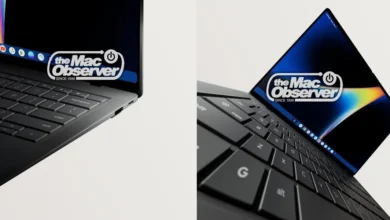
Perhaps the most compelling portion of the episode is the exploration of Android’s potential expansion into the laptop market. For years, the computing industry has speculated on the convergence of ChromeOS and Android. While ChromeOS has long supported Android applications through the Google Play Store, the prospect of a "pure" Android experience running natively on laptop hardware represents a shift in strategic direction for Alphabet Inc.
The move toward Android-based laptops implies a desire to compete more directly with Apple’s ecosystem, specifically the integration between macOS and iOS. By leveraging Android’s existing dominance in the mobile market, Google could theoretically offer a seamless transition for users moving between a smartphone and a laptop. This strategy mirrors the "Continuity" features found in the Apple ecosystem, where tasks, clipboard data, and notifications are synchronized across devices.

Analysts note that the technical hurdles for this transition are significant. Android’s underlying architecture is designed primarily for touch-first, mobile-power-constrained environments. Translating this to a desktop environment requires extensive work on window management, keyboard and mouse input handling, and file system management—areas where traditional desktop operating systems have held a multi-decade advantage.
Contextualizing the Evolution of Android
To understand the weight of these updates, one must look at the historical trajectory of Android. Launched in 2008 as an open-source platform, Android was designed to challenge the hegemony of proprietary mobile systems. Over the last 16 years, it has evolved from a nascent mobile OS into the world’s most widely used operating system, commanding over 70% of the global mobile market share as of 2024.
The transition from Android 1.0 to the current iteration of Android 17 has been marked by several key pivots:
- The Material Design Era: Beginning with Android 5.0 (Lollipop), Google established a cohesive design language that emphasized depth, shadow, and motion.
- The Project Treble Initiative: Launched in 2017, this modularized the Android OS framework to make it easier for manufacturers to deliver software updates.
- The Foldable/Tablet Push: Starting with Android 12L and continuing through Android 15 and 16, Google has focused on adapting the interface for non-standard screen ratios.
The move toward laptops is the logical next step in this progression. If Android can achieve parity with desktop OS functionality, Google could consolidate its hardware offerings, potentially reducing the reliance on ChromeOS in specific enterprise or educational sectors.
Market Implications and Industry Reactions
The prospect of a full-fledged Android laptop OS has elicited mixed reactions from the developer community and industry analysts. On one hand, developers appreciate the potential for a unified codebase. If a single app can run natively on a phone, a tablet, and a laptop without needing a containerized environment (like the current ARC++ implementation on ChromeOS), development costs could plummet.
However, security researchers have raised concerns regarding the migration of a mobile-centric security model to a desktop environment. Desktop computing requires a more granular approach to file system access and administrative privileges, elements that have historically been abstracted away in Android for the sake of user simplicity and safety. As the ecosystem matures, the challenge will be to maintain the "walled garden" security benefits of Android while providing the flexibility that professional laptop users demand.

Supporting the Ecosystem: The Podcast Model
The longevity of the Pixelated podcast, reaching 117 episodes, is indicative of the sustained interest in Google’s hardware and software ecosystem. The podcast format has become a vital channel for disseminating complex technical changes to the general public. By providing a platform for experts like Damien and Will to dissect the implications of QPR updates and strategic shifts, 9to5Google facilitates a more informed user base.
Furthermore, the podcast’s reliance on sponsor support—such as Bitwarden for security services and Proton for privacy-focused tools—reflects the current market trend where end-users are increasingly prioritizing data sovereignty and password management. These sponsorships, while commercial in nature, highlight the broader themes of the tech industry in 2024: the demand for open-source transparency, robust security, and cross-platform privacy.
The Road Ahead: What to Expect
As Android 17 continues its development cycle, the industry is watching for signs of increased integration between the mobile OS and high-performance silicon. The integration of advanced AI processing—often referred to as "on-device AI"—is expected to play a central role in the upcoming QPRs. If Google can successfully deploy its Gemini model natively within the OS, Android-based laptops could offer unique capabilities in voice-to-text, real-time translation, and automated productivity that remain difficult for traditional OS providers to replicate.
The timeline for these developments remains fluid. Industry insiders suggest that we may see a preliminary "developer preview" of a laptop-optimized Android version before the end of the year, potentially coinciding with the release of new hardware partners. Whether this culminates in a full replacement for ChromeOS or a dual-boot scenario remains a subject of intense debate.
Final Analysis
The developments discussed in Pixelated episode 117 are more than just software updates; they represent the next phase of Google’s attempt to create a unified computing experience. By iterating on Android 17 through the QPR process, Google is demonstrating a level of agility that was once considered impossible for an OS of its scale.
As the boundaries between mobile and desktop continue to dissolve, the success of the Android platform will likely hinge on Google’s ability to balance its mobile-first roots with the power and complexity required by modern laptop users. For those following the evolution of personal computing, the ongoing work in Android 17 serves as a bellwether for the future of the entire industry. As the ecosystem grows, the focus will inevitably shift from simply "having an app for that" to ensuring that those apps function with desktop-class efficiency. The coming months will be critical in determining whether Google can effectively bridge the gap, potentially redefining the laptop experience for millions of users worldwide.