Yellowstone National Park’s Annual Hydrothermal Cleanup Reveals a Surprising Bounty of Lost Visitor Items

Each year, more than 4.5 million sightseers traverse the geothermal landscapes of Yellowstone National Park, drawn by the allure of erupting geysers, crystalline hot springs, and the raw, untamed beauty of the American West. While the vast majority of these visitors leave with memories and photographs, a significant number leave behind more tangible reminders of their journey. As the 2026 summer season concludes, park maintenance crews have completed their annual sweep of the park’s hydrothermal basins, revealing a curious collection of detritus that highlights the ongoing struggle to balance heavy human tourism with the preservation of one of the world’s most delicate geological ecosystems.
A Seasonal Ritual: The Cleanup Operation
The process of retrieving items from Yellowstone’s restricted thermal areas is not merely a housekeeping task; it is a vital conservation effort. Throughout the summer months, intense, unpredictable wind gusts frequently sweep through the park’s geyser basins, stripping hats, sunglasses, and other personal effects from visitors. While many of these items land on designated boardwalks, a surprising volume travels further, settling into the fragile, mineral-rich pools and steam vents that define the park’s unique landscape.
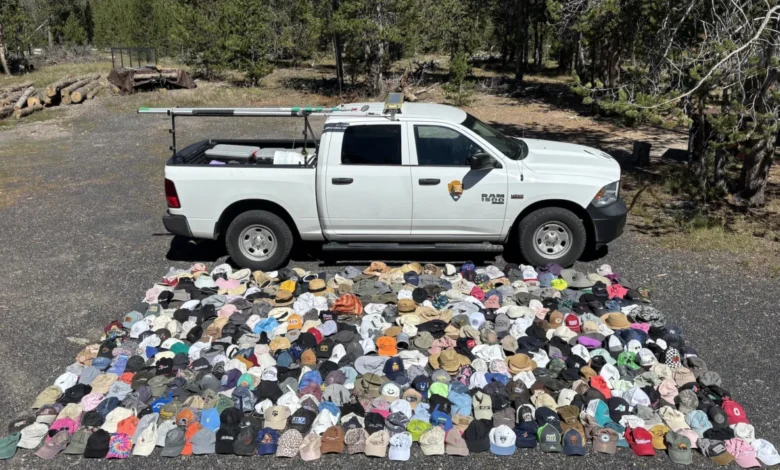
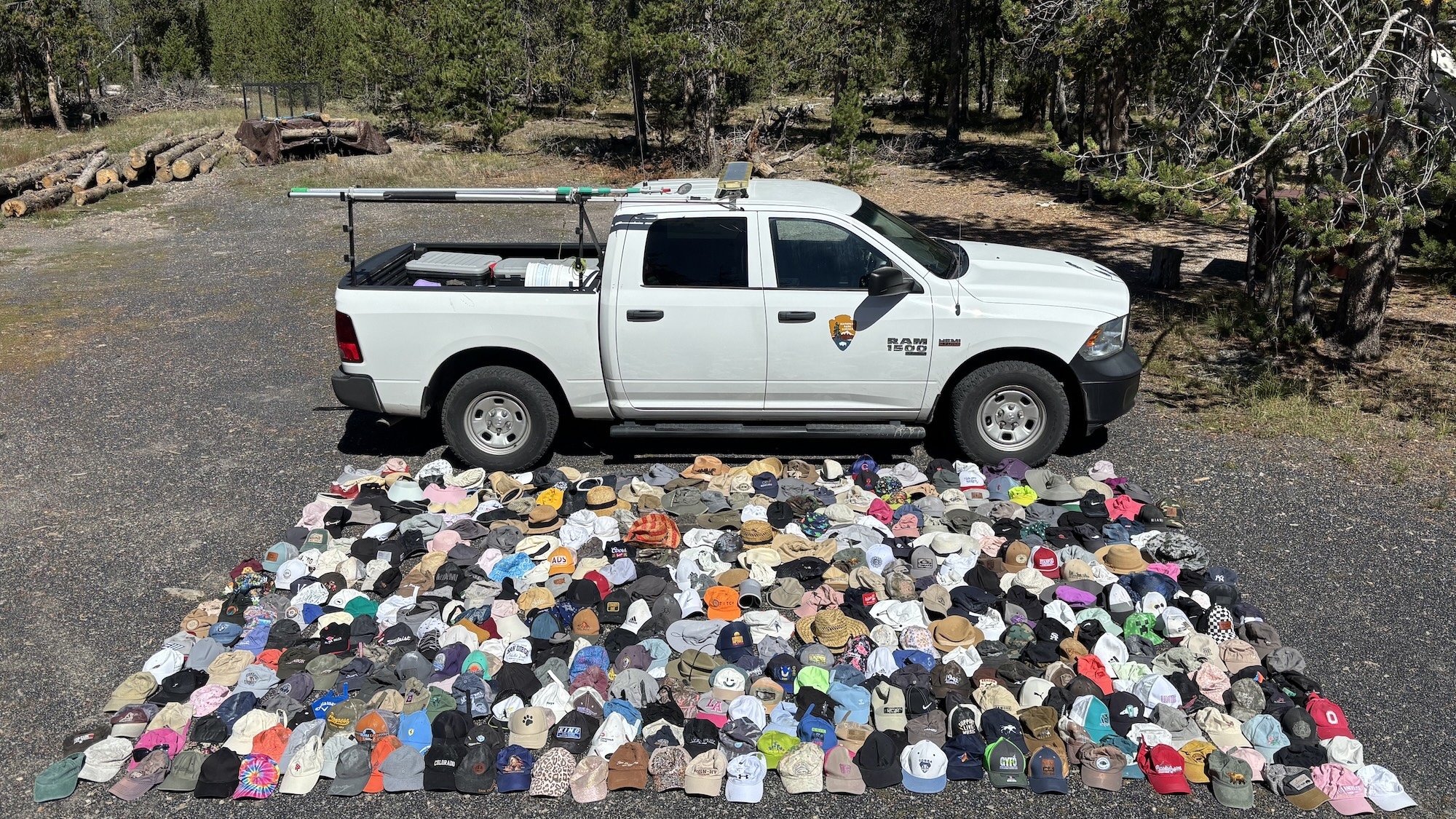
In late September 2026, the Yellowstone National Park geology team finalized their most recent sweep. The findings included a staggering 280 hats, a diverse array of international currency, and an eclectic assortment of modern consumer goods. This annual operation is conducted with precision to minimize the impact on the environment, as workers must navigate restricted zones to retrieve items that could potentially alter the chemical composition of the hydrothermal features.
Chronology of the 2026 Haul
The accumulation of lost items follows a predictable, yet concerning, timeline that mirrors the peak tourism months of the park. In late May, as the park’s main thoroughfares opened for the season, the initial influx of visitors brought the first wave of lost items. By July, the high-traffic areas surrounding Old Faithful and the Biscuit Basin saw a marked increase in debris, prompting early interventions by staff.
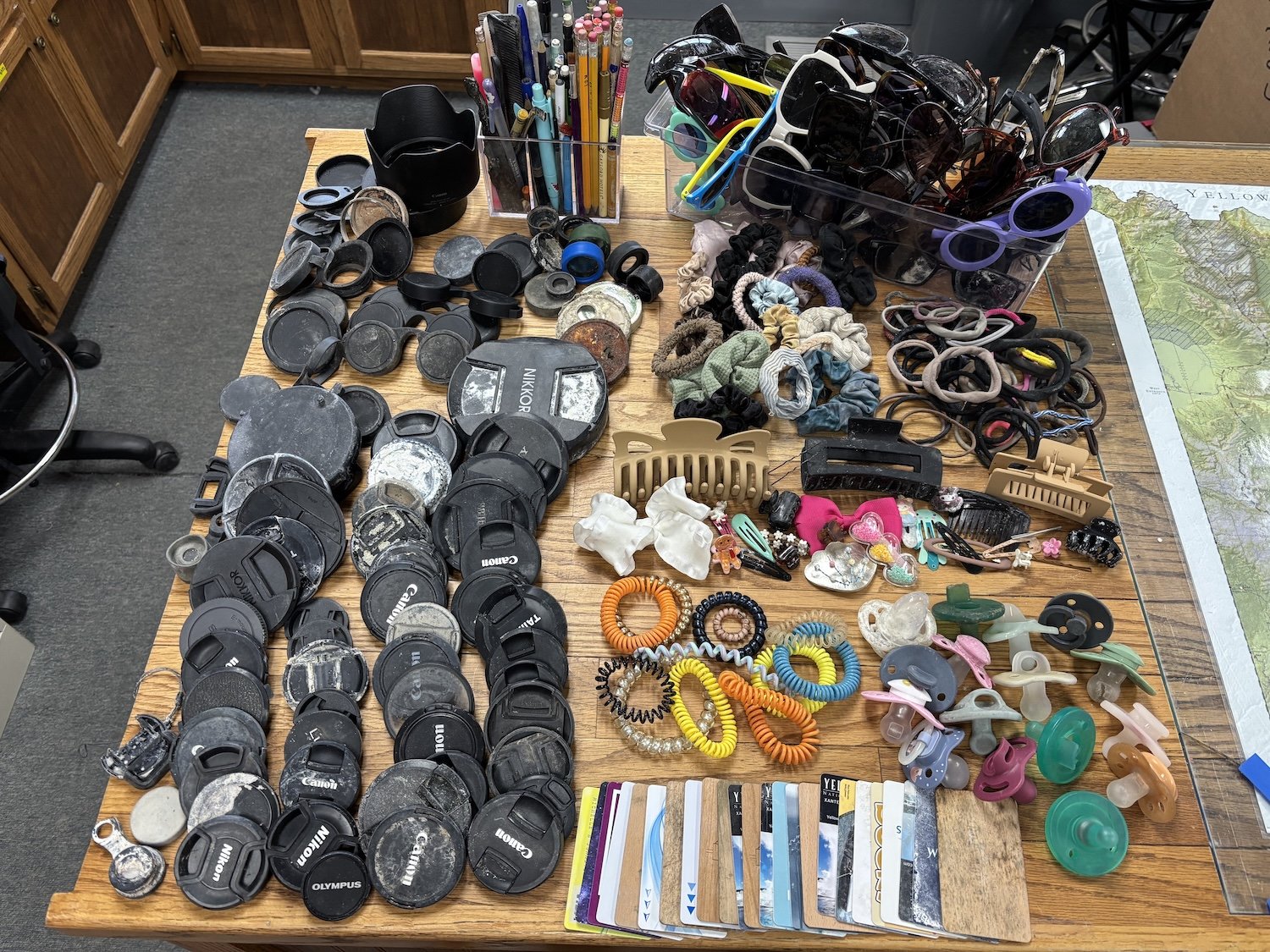
Throughout August, the peak of the summer heat and wind, the rate of item loss accelerated. Maintenance logs indicate that during this period, workers retrieved everything from daily essentials like camera lens caps and hotel key cards to more unusual anomalies, including AirPods, inhalers, and a solitary playing card. By mid-September, as temperatures cooled and visitor numbers began to taper, the final comprehensive sweep was conducted, resulting in the consolidated tally released by the United States Geological Survey (USGS) and park administration.
Categorizing the Lost and Found
The data recovered from this year’s sweep provides a fascinating glimpse into the habits of modern travelers. The items recovered can be categorized into three distinct groups:
- Weather-Related Losses: This category is dominated by headwear and eyewear. Among the 280 hats collected were various styles, ranging from high-end sun hats to a souvenir baseball cap from the 2026 FIFA Men’s World Cup. Notably, a cap ironically labeled "Cowboy Hat" was among the most discussed items, serving as a reminder of the disconnect between visitors’ expectations of the frontier and the reality of the park’s volatile microclimates.
- The "Wishing Well" Effect: Perhaps the most concerning category for park officials is the recovery of over $18 in international coins. Despite strict park regulations and public education campaigns, visitors continue to treat thermal features as fountains. This practice, while seemingly innocent, has severe ecological consequences. Foreign coins, as well as domestic currency, introduce non-native metallic elements into the geysers. These metals can catalyze the growth of aggressive, non-native algae and bacteria, which can physically clog vents and alter the vibrant, natural colors of the springs.
- Modern Accidental Debris: The list of "oddities" recovered this year was extensive. Items such as children’s toys, pacifiers, hair ties, and even digital accessories like AirPods highlight the frequency with which items are dropped during moments of distraction or while taking photographs.
The Ecological and Administrative Impact
The presence of human-made objects within Yellowstone’s hydrothermal systems is not just an aesthetic issue; it is a significant conservation challenge. The park’s thermal features are maintained by an intricate subterranean plumbing system that is incredibly sensitive to external interference. When foreign objects are introduced into these systems, they can cause "thermal choking," where the flow of water or steam is restricted, potentially leading to changes in the geyser’s eruption patterns or the cooling of a hot spring.
Furthermore, the decomposition of plastics and other synthetic materials releases chemicals into the water. In the highly acidic or alkaline environments of Yellowstone’s hot springs, these materials can break down into microplastics or chemical leachates, contaminating the water that flows into the surrounding soil and streams.
Official Responses and Remediation Efforts
Park officials have approached the issue with a mix of pragmatism and public outreach. Recognizing that most losses are accidental, the National Park Service (NPS) has emphasized the importance of "preventative vigilance." During the 2026 season, park rangers intensified their warnings about the park’s high winds, specifically advising visitors to secure their hats and personal items before entering exposed geyser basins.
Regarding the fate of the recovered items, Yellowstone has committed to a policy of sustainability. Rather than consigning the collection to a landfill, the park administration has pledged to sanitize the clothing items and donate them to local charities and clothing banks in surrounding Montana and Wyoming communities. This initiative effectively turns a byproduct of tourism into a resource for the local population.
Broader Implications for Sustainable Tourism
The "2026 Haul" serves as a microcosm for the broader challenges facing the U.S. National Park System. As park visitation continues to rise, the physical footprint of the average tourist becomes a matter of national concern. The data gathered in Yellowstone suggests that even if visitors act with the best intentions, the sheer volume of human presence requires a more robust infrastructure for waste management and visitor education.
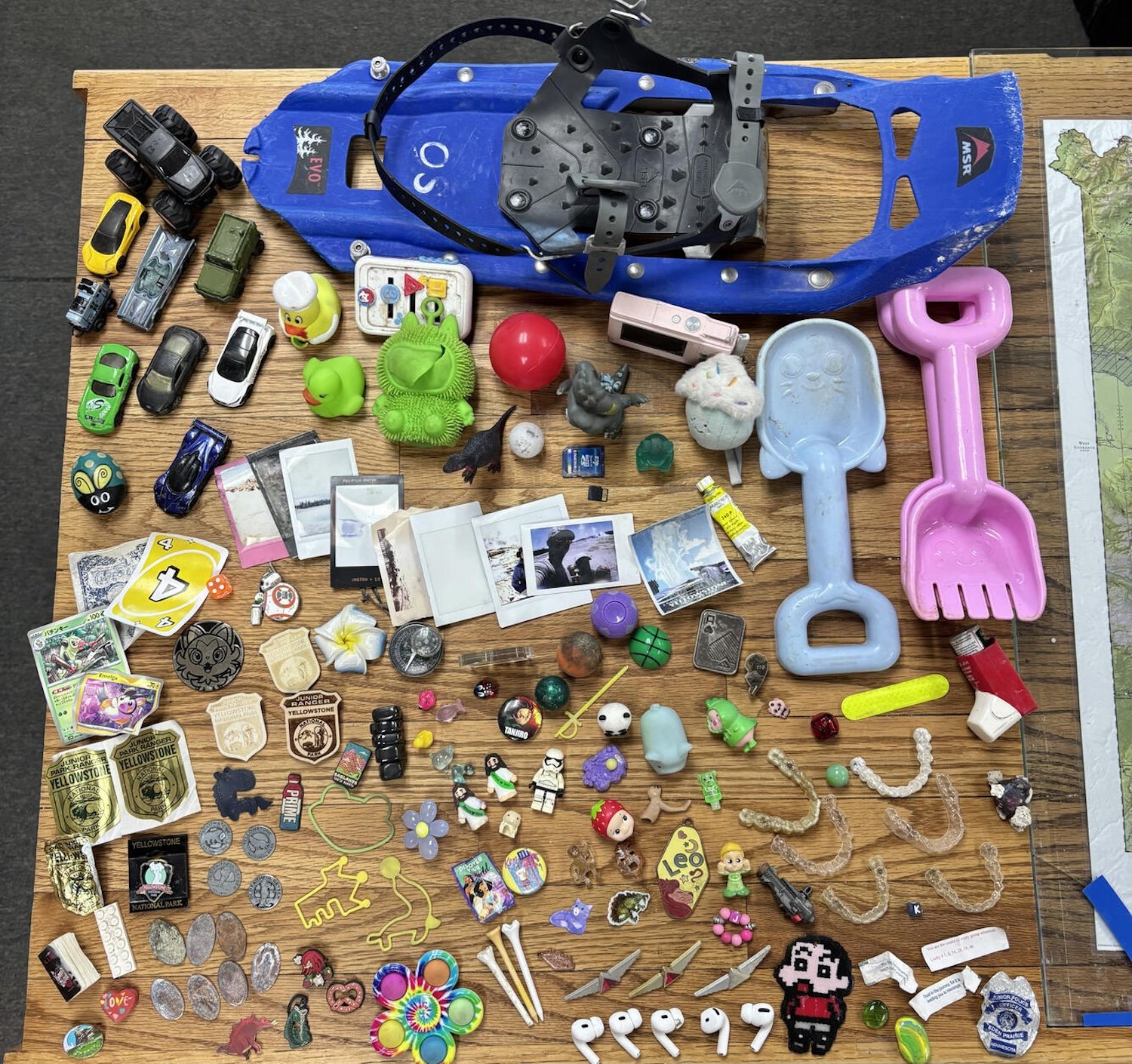
Experts in conservation biology argue that the "Leave No Trace" principle—a set of ethics promoting conservation in the outdoors—must be updated for the modern era. While "Leave No Trace" traditionally focused on trash, it now must encompass the unintentional loss of personal property. The introduction of digital devices, such as wireless earbuds and complex camera equipment, adds a new layer of risk to sensitive ecosystems that was not present even a decade ago.
Looking Forward to 2027
As Yellowstone prepares for the upcoming winter season and looks toward 2027, the focus remains on enhancing the visitor experience while protecting the park’s integrity. Proposals for the coming year include more prominent signage regarding the "no-tossing" rule for coins and potential partnerships with outdoor gear companies to promote wind-resistant accessories for visitors.
The annual hydrothermal cleanup is more than just a search for lost property; it is an annual report card on the health of the park’s relationship with its guests. By analyzing the items left behind, park officials can better understand visitor behavior and tailor their educational programs to minimize future impact. For the millions who visit, the message is clear: the majesty of Yellowstone is a fragile wonder. Protecting it requires not just a sense of awe, but a sense of responsibility for every item, no matter how small, carried into the basin.
The 2026 season will be remembered for its unique finds—the Uno cards and the international coins—but for the staff who work daily to keep these wonders pristine, the goal remains the same: ensuring that the only thing left behind in the geyser basins by the end of the next season is the steam rising into the Montana sky.