Google Prepares to Launch Its Next-Gen Googlebook Lineup with Pre-Orders Set for September 21

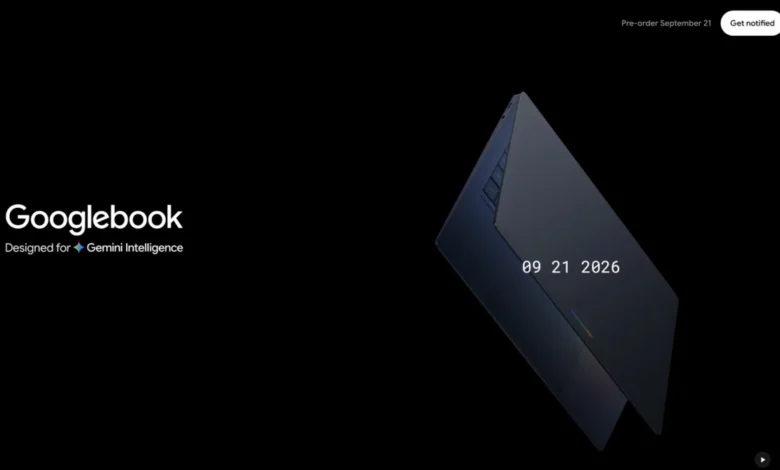
The personal computing landscape is on the brink of a significant structural shift as Google prepares to open pre-orders for its highly anticipated lineup of premium laptops, officially branded as Googlebooks. Following months of speculation and a brief teaser earlier this year at The Android Show, tech enthusiasts and industry analysts alike will finally have the opportunity to secure the devices starting September 21 at 9:00 a.m. Eastern Time. This rollout marks a fundamental departure from traditional ChromeOS hardware, introducing a newly engineered, Android-based software architecture designed specifically for the modern era of ambient computing and artificial intelligence.
The journey toward the Googlebook release has been measured and strategic. When Google first teased the "one more thing" hardware category during its developer and consumer showcase earlier this year, details were intentionally sparse. The company positioned the upcoming machines as an entirely new breed of laptops tailored for the "intelligence system" era, yet it withheld specific specifications, pricing, hardware partner contributions, and exact launch timelines.
With the recent deployment of confirmation emails to prospective buyers and the simultaneous launch of a dedicated promotional portal at googlebook.google, the veil of secrecy is slowly lifting. The newly minted website features striking branding, teaser imagery, and a prominent countdown to the September 21 pre-order window. While Google has not yet published an exhaustive list of the exact hardware configurations that will be available on day one, industry consensus points to heavy-hitting manufacturing partners—including Acer, ASUS, Dell, HP, and Lenovo—stepping forward with their own customized takes on the Googlebook hardware standard. Shipping dates for these initial devices remain under wraps, keeping early adopters in eager anticipation.
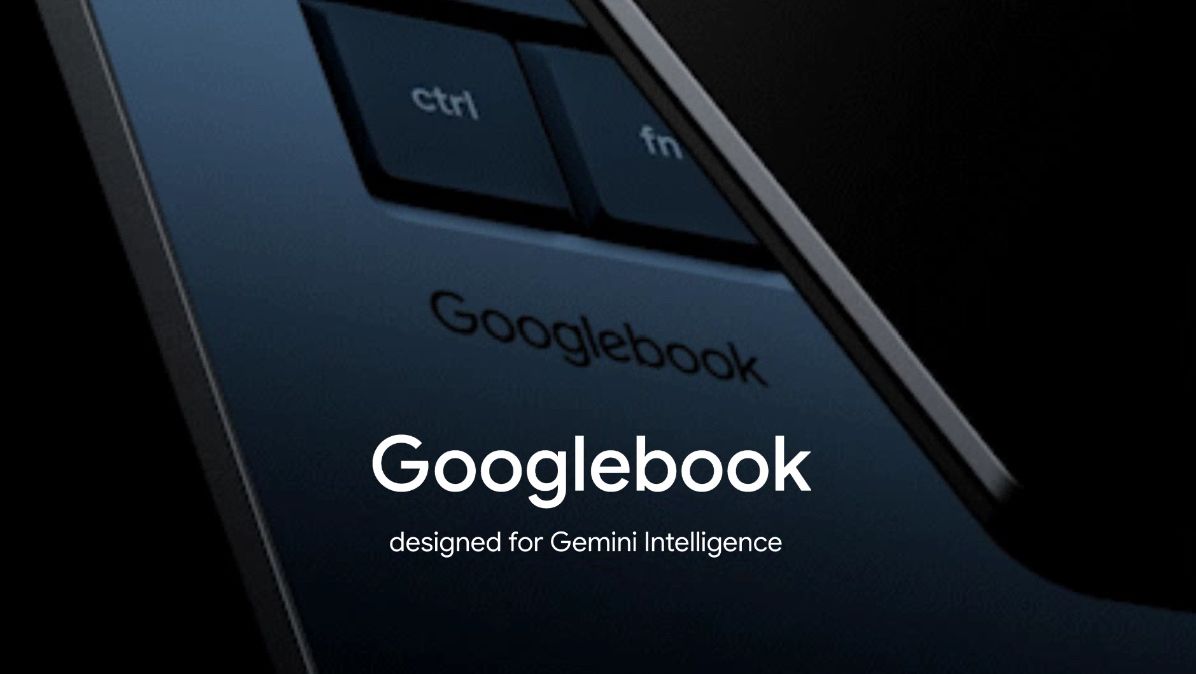
At the core of the Googlebook value proposition is a profound integration of artificial intelligence, spearheaded by Google’s advanced Gemini ecosystem. Unlike traditional laptops where AI features are often confined to web browsers or standalone desktop applications, the Googlebook architecture weaves Gemini directly into the core user interface and navigation layer.
Among the standout productivity tools highlighted on the official pre-order portal is the innovative "Magic Pointer" technology. This system allows users to summon and interact with Gemini contextually through their trackpad pointer, streamlining everyday workflows without requiring keyboard shortcuts or dedicated software switching. Furthermore, the platform introduces conversational widget creation, enabling users to generate bespoke desktop widgets simply by typing or speaking natural-language descriptions of what they want to see and track.
Beyond artificial intelligence, Google is heavily emphasizing cross-device synergy, positioning the Googlebook as the ultimate hardware companion for modern Android smartphones. The new software stack eliminates traditional barriers between mobile and desktop environments, allowing users to launch and run Android mobile apps natively on their laptop screen. Additionally, seamless file synchronization ensures that documents, media, and clipboard items stored locally on an Android phone are instantly accessible from the Googlebook workspace, offering an ecosystem integration experience that closely rivals Apple’s Continuity framework.
The introduction of Googlebooks represents a pivotal technical milestone for the Silicon Valley giant. For over a decade, ChromeOS has served as Google’s primary lightweight operating system for educational and budget-conscious laptop markets. However, the Googlebook line discards the legacy ChromeOS framework in favor of a brand-new, Android-derived technology stack.
Although Google has yet to officially disclose the commercial marketing moniker for this newly minted operating system, industry insiders suggest it represents a convergence of mobile optimization and desktop-grade capability. By building upon the robust foundation of the Android ecosystem—which currently powers billions of active devices worldwide—Google is aiming to capture a developer and consumer base that demands the flexibility of mobile applications combined with the heavy productivity headroom of a clamshell laptop.
The timing of the Googlebook release places Google squarely in the middle of a fiercely competitive and rapidly evolving personal computer market. The consumer laptop sector is currently grappling with rising component costs, particularly concerning volatile RAM pricing and silicon supply chains. Simultaneously, traditional Windows OEMs are aggressively rolling out advanced hardware tiers, including new neural processing unit (NPU)-equipped laptops running advanced AI workloads.
For Google, the success of the Googlebook initiative will largely depend on ecosystem adoption, developer support, and hardware pricing strategy. By relying on established PC manufacturing partners like ASUS, HP, Lenovo, Dell, and Acer, Google ensures that consumers will have access to a diverse array of form factors, build materials, and price points. However, convincing consumers to embrace an entirely new operating paradigm—moving away from both Windows and traditional ChromeOS—will require robust consumer education and clear performance demonstrations.
As the September 21 pre-order date approaches, attention now turns to the hardware partners to reveal their specific device lineups, technical specifications, and retail pricing. Whether Googlebooks will successfully carve out a lucrative middle ground between high-end mobile devices and traditional desktop workstations remains to be seen, but the upcoming launch undoubtedly signals a bold new chapter for Google’s hardware ambitions.