Behind the Scenes of Apple’s iPhone Duo: How the Tech Giant Plans to Dominate and Redefine the Foldable Smartphone Market

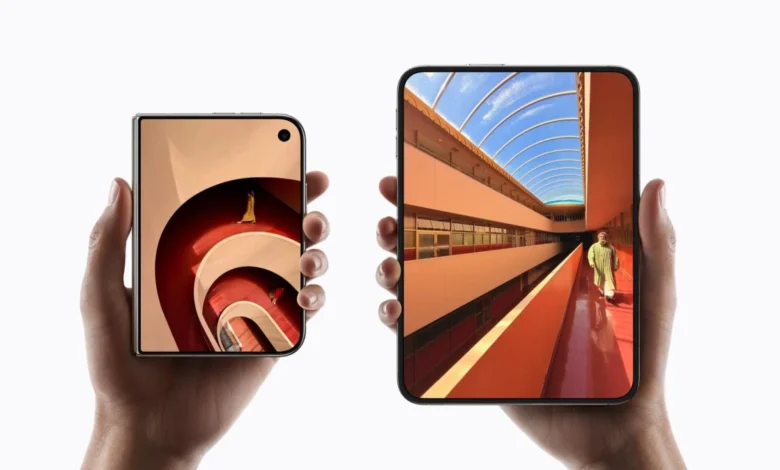
Apple’s entry into the foldable device market has long been the subject of intense speculation, countless supply chain leaks, and enthusiastic consumer anticipation. For years, industry analysts and tech enthusiasts operated under the persistent assumption that Apple’s inaugural flexible device would debut under the moniker "iPhone Ultra." However, when the Cupertino-based tech giant officially unveiled its groundbreaking foldable device, it surprised the market by choosing a different designation: the iPhone Duo. According to recent insights shared by Bloomberg’s veteran technology reporter Mark Gurman, this nomenclature shift was not a random marketing choice, but rather a calculated, long-term strategic decision designed to accommodate an entire expanding product ecosystem.
The naming convention behind Apple’s new hardware category reveals a meticulous approach to branding. While an "Ultra" suffix carries connotations of a single, top-tier, slab-style flagship device—similar to the naming strategies adopted by several competing Android manufacturers—it creates structural branding contradictions when applied to form factors of varying sizes. The introduction of the iPhone Duo solved this branding puzzle by establishing a flexible, expandable baseline that seamlessly integrates with Apple’s existing nomenclature while opening the door for a diverse family of foldable devices in the near and distant future.
Strategic Naming and the Evolution of the Duo Ecosystem
The rationale behind abandoning the "Ultra" label in favor of "Duo" extends far beyond simple aesthetic preferences. Industry insiders note that Apple’s marketing and product development teams evaluated how future iterations of the foldable device would fit into the broader product lineup. Had the company chosen the iPhone Ultra designation, subsequent models would have resulted in awkward and contradictory product names. Concepts such as an "iPhone Ultra mini" or an "iPhone Ultra Max" lack the linguistic cohesion and intuitive clarity that consumers have come to expect from Apple’s product architecture.
By selecting "Duo," Apple has established a linguistic foundation that accommodates future hardware diversification. According to supply chain reports and industry forecasts, Apple is already laying the groundwork for a multi-tiered foldable portfolio. Future iterations rumored to be in development include a larger-screen variant tentatively dubbed the iPhone Duo Max, a more compact footprint known as the iPhone Duo mini, and a more accessible, entry-level offering referred to as the iPhone Duo SE. These descriptive suffixes harmonize naturally with the foundational "Duo" branding, allowing consumers to immediately understand the device’s tier and physical characteristics.
Furthermore, branding metrics played a subtle yet significant role in the final decision. The word "Duo" consists of precisely three letters, placing it in elite linguistic company alongside established Apple product lines like the "Air" and the "Pro." This concise, punchy structure aligns with Apple’s historical preference for minimalist, highly memorable product identifiers. Additionally, the term inherently highlights the dual-screen nature of foldable technology, serving as a functional descriptor that communicates the core utility of the hardware at a glance.
Despite the clever branding, market observers have occasionally noted historical precedents, such as Microsoft’s dual-screen Surface Duo device released years prior. However, whether Apple’s executive team factored in the legacy of Microsoft’s hardware experiment remains an open question, as Apple’s engineering execution and software integration target an entirely different tier of consumer polish and ecosystem synergy.
The Historical Timeline of Apple’s Foldable Ambitions
To fully understand the significance of the iPhone Duo launch, it is necessary to examine the extensive timeline of research, development, and strategic patience that preceded it. Unlike competitors in the Android ecosystem—such as Samsung, Huawei, and Motorola, who rushed first-generation foldable devices to market as early as 2019—Apple adopted a measured, observant approach.
Between 2018 and 2020, while early foldable phones suffered from visible creases, fragile display panels, inadequate software optimization, and disappointing battery life, Apple’s research and development divisions quietly acquired patents related to flexible glass, hinge mechanisms, and crease-prevention technologies. During this period, display manufacturers including Samsung Display, LG Display, and BOE submitted countless prototype panels to Apple’s Cupertino testing facilities.
By 2021 and 2022, rumors intensified regarding internal testing of foldable iPad-iPhone hybrids. Industry analysts frequently adjusted their predictions, pushing the expected release date further into the future as Apple engineers grappled with the structural durability requirements of daily consumer use. Apple’s internal benchmarks demanded a hinge mechanism capable of withstanding hundreds of thousands of folds without mechanical failure, alongside an ultra-thin protective glass layer that could rival traditional ceramic shield durability.
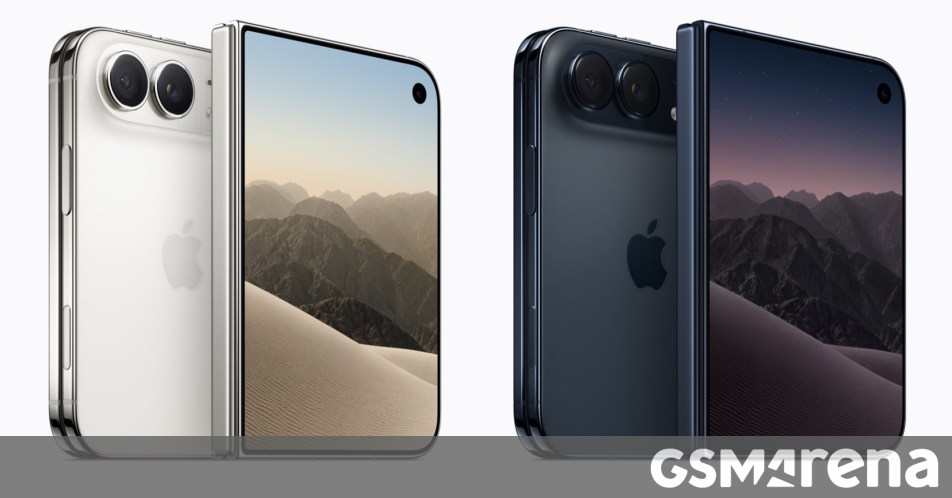
In 2023 and 2024, the timeline solidified as supply chain orders for specialized hinge components and custom OLED panels began scaling up. Reports from specialized manufacturing monitors indicated that Apple had partnered closely with key Asian suppliers to secure exclusive production lines for the new form factor. Finally, leading up to the official unveiling in late 2025 and early 2026, the branding transition from the rumored "iPhone Ultra" to the official "iPhone Duo" crystallized, culminating in the market launch that has reshaped consumer electronics.
Market Dynamics, Supply Constraints, and Scalping Concerns
The commercial launch of the iPhone Duo has triggered unprecedented demand shockwaves throughout the global technology market. Mark Gurman’s recent market assessments suggest that by early next year, the iPhone Duo is projected to establish itself as the undisputed, predominant foldable smartphone on the market, overtaking legacy competitors who have spent half a decade trying to build consumer adoption.
This sudden surge in demand is expected to create severe logistical challenges. According to retail analysts and supply chain forecasts, consumer appetite for Apple’s first foldable device will be so intense that secondary market distortions are virtually guaranteed. Industry watchers anticipate aggressive scalping operations, where individuals purchase units domestically only to resell them at massive markups in overseas markets where initial supply allocations are limited. Consequently, secondary marketplace platforms like eBay are expected to see skyrocketing prices, while official retail supply shortages reach extreme levels, straining Apple’s manufacturing partners to their absolute limits.
Beyond the immediate economic ripples of supply and demand, the introduction of the iPhone Duo carries profound implications for the broader mobile computing landscape. For years, foldable phones have occupied a niche category—often viewed by mainstream consumers as expensive, experimental novelties plagued by durability concerns and high price points. Gurman’s analysis posits that the sheer cultural and engineering weight of the iPhone Duo will fundamentally alter consumer perception, effectively transforming foldables from a high-risk luxury into the new normal for mobile computing.
Industry Reactions and the Competitive Landscape
The arrival of the iPhone Duo has sent shockwaves through the competitive landscape, prompting immediate strategic realignments among major smartphone manufacturers. For years, Android OEMs utilized the foldable category as a differentiation tool to justify high-end pricing and showcase technical prowess. However, the entrance of a dominant player with Apple’s ecosystem retention and marketing power changes the competitive calculus entirely.
Competitors who pioneered the space have offered cautious public reactions while privately accelerating their research and development budgets. Industry executives from rival firms recognize that Apple’s validation of the foldable form factor removes the primary barrier that kept mainstream consumers hesitant: perceived risk. When Apple endorses a technology by committing an entire product line to it, the broader consumer market follows suit, viewing the technology as mature and essential rather than experimental.
Market research firms have updated their long-term forecasts for the smartphone sector, projecting that foldable device shipments will experience exponential growth over the next three to five years. This projected boom will force component suppliers, software developers, and accessory makers to adapt their offerings to support multi-aspect-ratio displays and novel user interaction paradigms.
Broader Implications for Mobile Computing
The long-term implications of the iPhone Duo extend far beyond hardware sales figures and market share percentages. As foldables transition into the mainstream, software development practices are undergoing a quiet revolution. Developers are no longer treating foldable screens as anomalous edge cases; instead, adaptive User Interface (UI) design—capable of seamlessly transitioning between a compact pocketable display and an expansive tablet-sized workspace—is becoming a fundamental requirement for modern application development.
Furthermore, the mainstream adoption of flexible display technology paves the way for future convergence between smartphones, tablets, and lightweight productivity tools. As the iPhone Duo product line expands to include Max, mini, and entry-level SE variants, Apple is positioning itself to capture every segment of the mobile computing spectrum. Whether consumers ultimately view the iPhone Duo as a revolutionary leap forward or simply the inevitable evolution of the smartphone remains a subject of ongoing debate among tech enthusiasts and casual users alike. However, the undeniable reality is that the era of the standard slab-style smartphone has officially entered its twilight, replaced by a flexible future anchored by Apple’s latest hardware family.